




Cross-Border Sellers Face 10% EU Tariff Disruption in 2024
- Impacts 8 European Countries, Raises Supply Chain Complexity for E-Commerce





概览
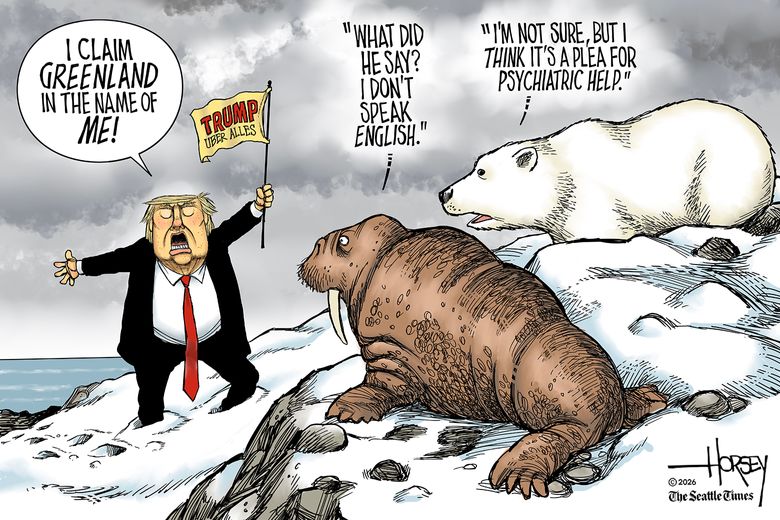
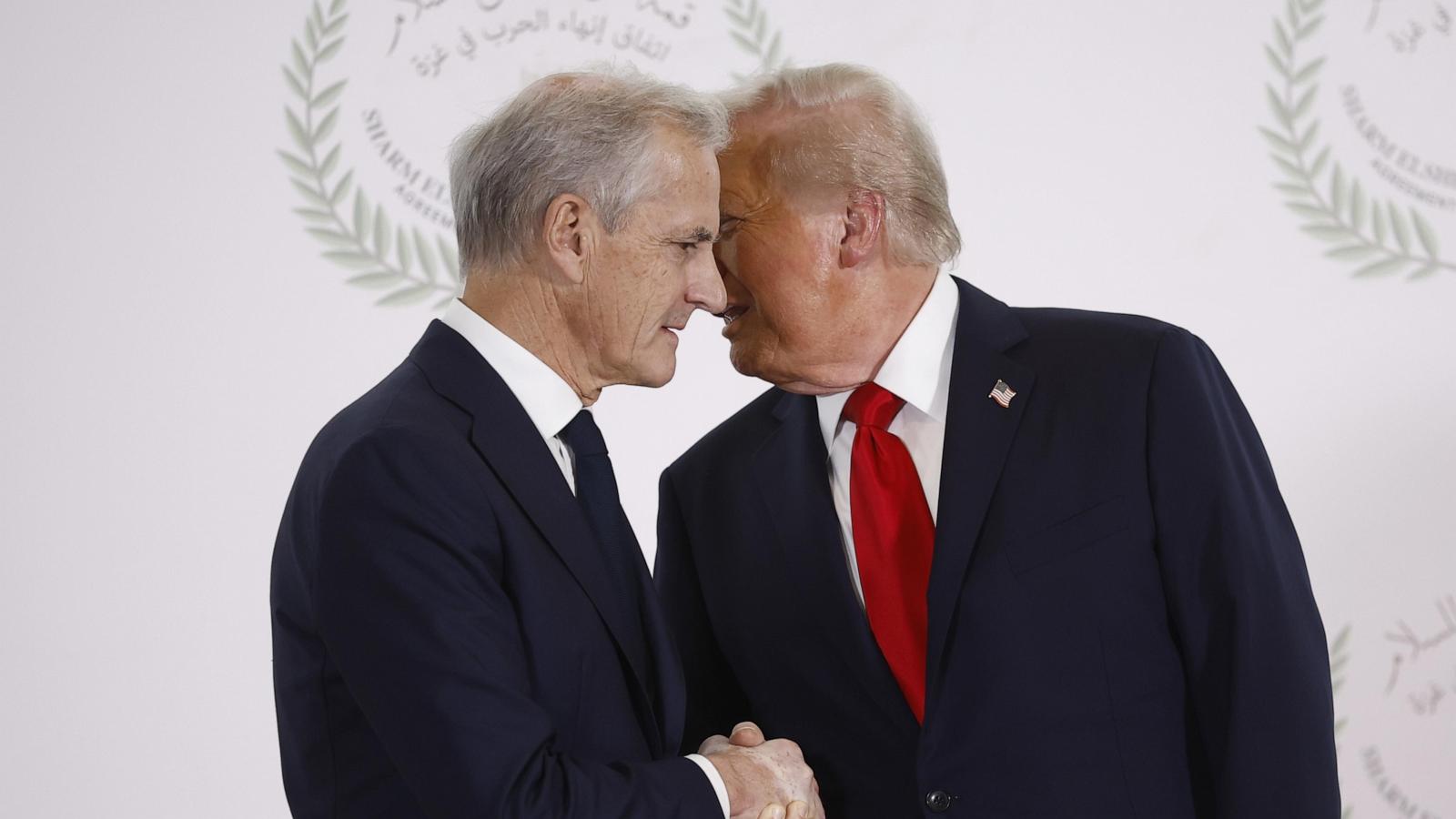
The emerging geopolitical tension between the United States and European countries over Greenland presents a critical inflection point for cross-border e-commerce sellers. President Trump's threatened 10% additional tariffs on imports from eight European nations signals a potentially transformative moment in transatlantic trade dynamics.
Strategic Implications for E-Commerce Sellers: The tariff threats create immediate operational challenges for cross-border merchants. Sellers must rapidly recalibrate supply chain strategies, with potential cost increases ranging from 8-15% on European imports. The targeted countries—Denmark, Norway, Sweden, France, Germany, United Kingdom, Netherlands, and Finland—represent critical sourcing and market expansion regions for digital commerce platforms.
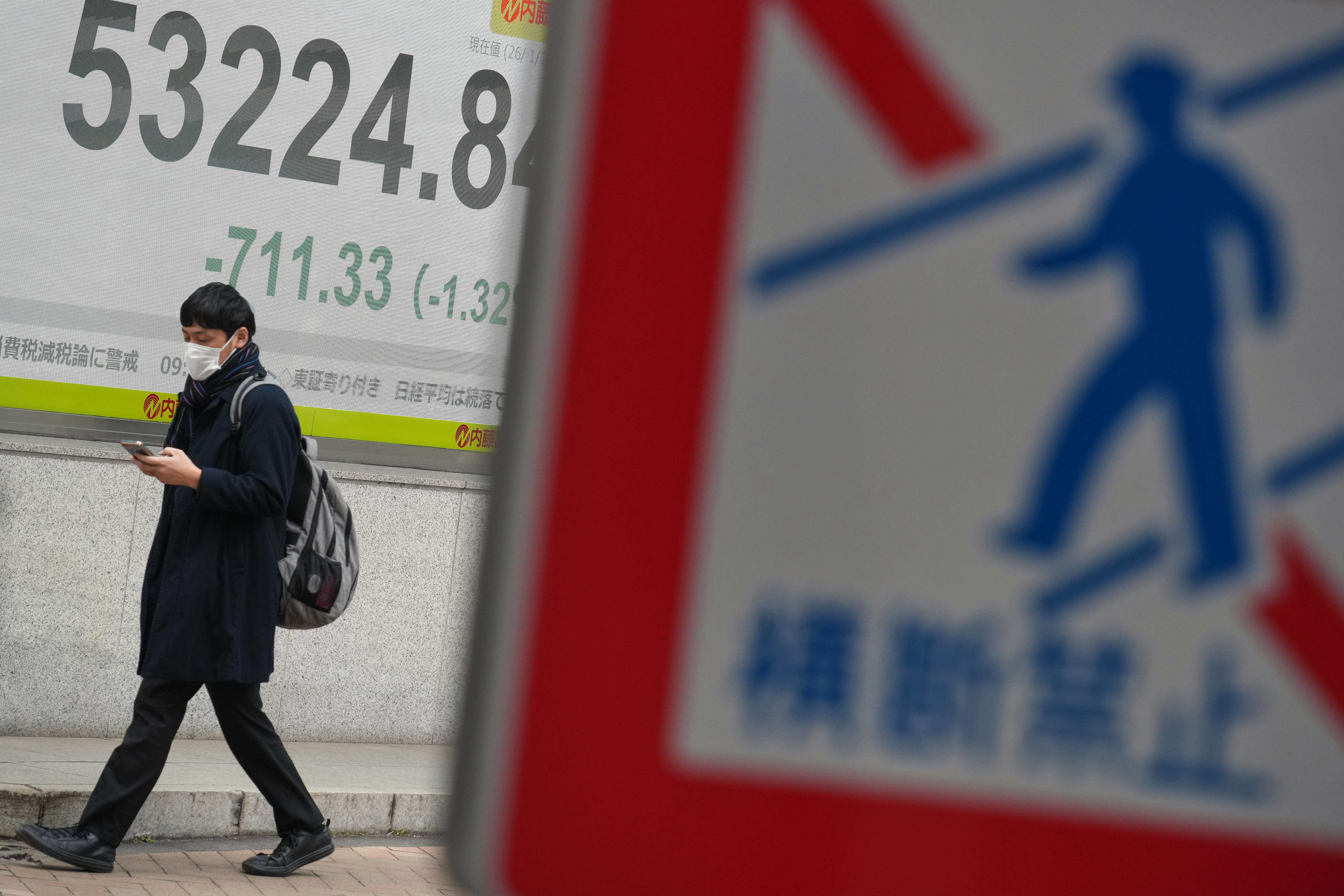
Market Volatility Indicators: Financial markets have already responded dramatically, with U.S. stock futures experiencing notable declines (S&P 500 futures fell 0.8%, Dow Jones futures dropped 0.7%). This volatility suggests broader economic uncertainties that directly impact international e-commerce infrastructure. Sellers should anticipate potential supply chain reconfiguration, with increased emphasis on diversifying sourcing options and developing flexible import strategies.
Actionable Recommendations:
- Conduct immediate supply chain audit for European-sourced inventory
- Develop contingency pricing models accounting for potential 10% tariff increases
- Explore alternative sourcing regions to mitigate potential cost escalations
- Monitor diplomatic negotiations for precise implementation timelines
The geopolitical landscape is evolving rapidly, with potential long-term implications for cross-border trade regulations. Proactive sellers will view this disruption as an opportunity to optimize their international market positioning.
問題 4
How might this impact product pricing and market strategy?
E-commerce sellers may need to absorb increased costs, adjust product pricing, or seek alternative sourcing strategies to maintain competitive margins in affected European markets.
What immediate actions should e-commerce sellers take?
Sellers should conduct a comprehensive supply chain audit, develop flexible pricing models, explore alternative sourcing regions, and closely monitor diplomatic negotiations for precise implementation details.