


Cross-Border EV Market Disruption | 49K Chinese Cars Enter Canada
- 6.1% Tariff Unlocks $500M+ Automotive E-Commerce Opportunity












概览
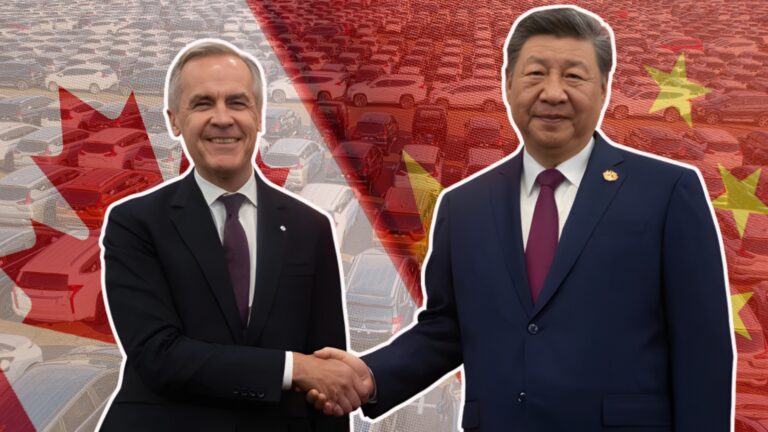
The Canada-China electric vehicle (EV) trade agreement represents a transformative moment for cross-border automotive e-commerce, signaling a strategic realignment with profound implications for sellers, manufacturers, and supply chain stakeholders.
Key Market Transformation: Canada's decision to allow 49,000 Chinese-made EVs annually at a reduced 6.1% tariff rate fundamentally reshapes North American automotive market dynamics. This policy shift creates an unprecedented opportunity for Chinese manufacturers like Tesla, BYD, and Nio to penetrate the Canadian market with competitively priced electric vehicles.
Seller Implications: Cross-border e-commerce sellers in automotive, electronics, and related supply chain sectors should immediately assess this development's strategic potential. The agreement includes a critical provision reserving half the import quota for vehicles under 35,000 CAD, which directly benefits entry-level EV brands and creates new market entry pathways for emerging manufacturers.
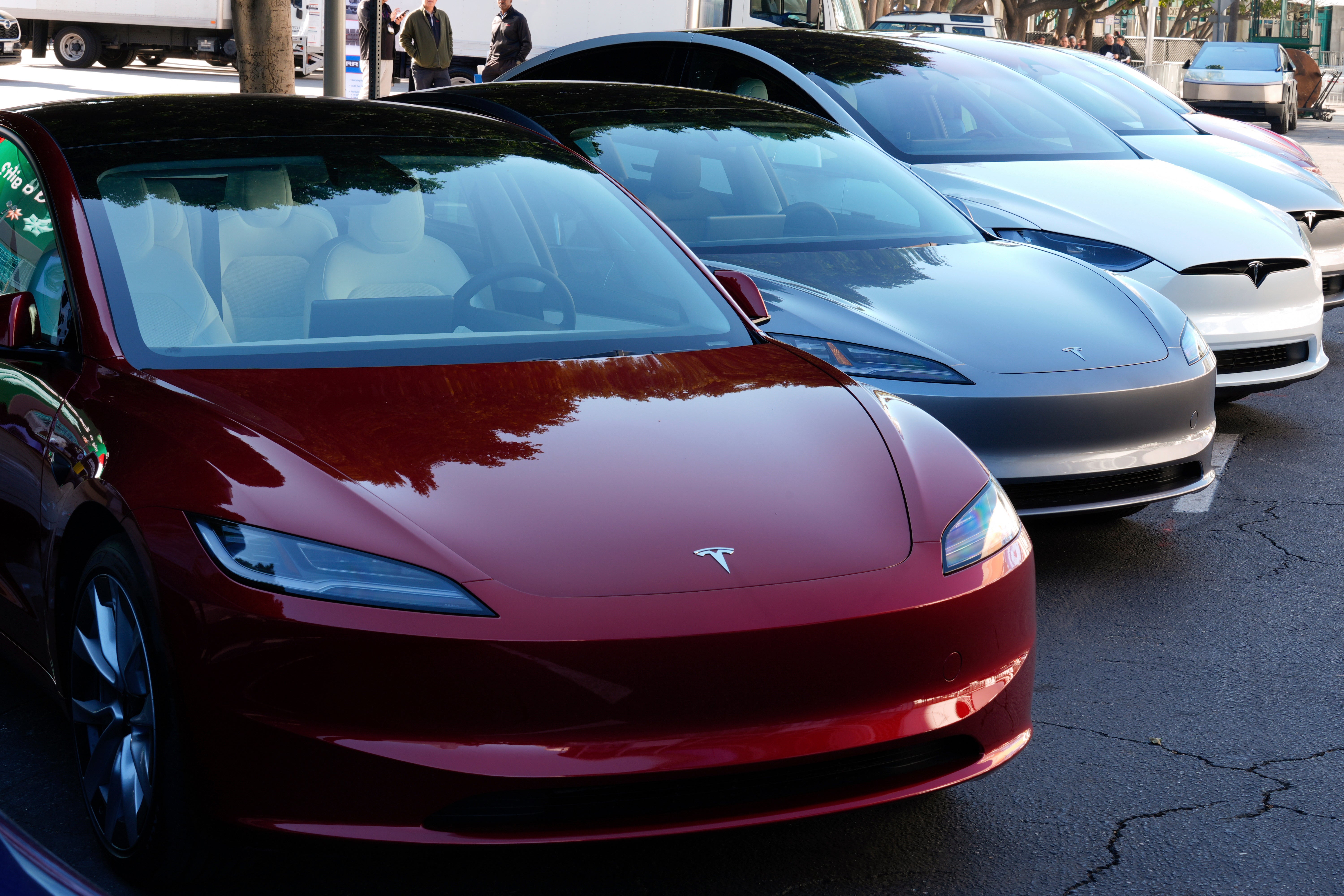
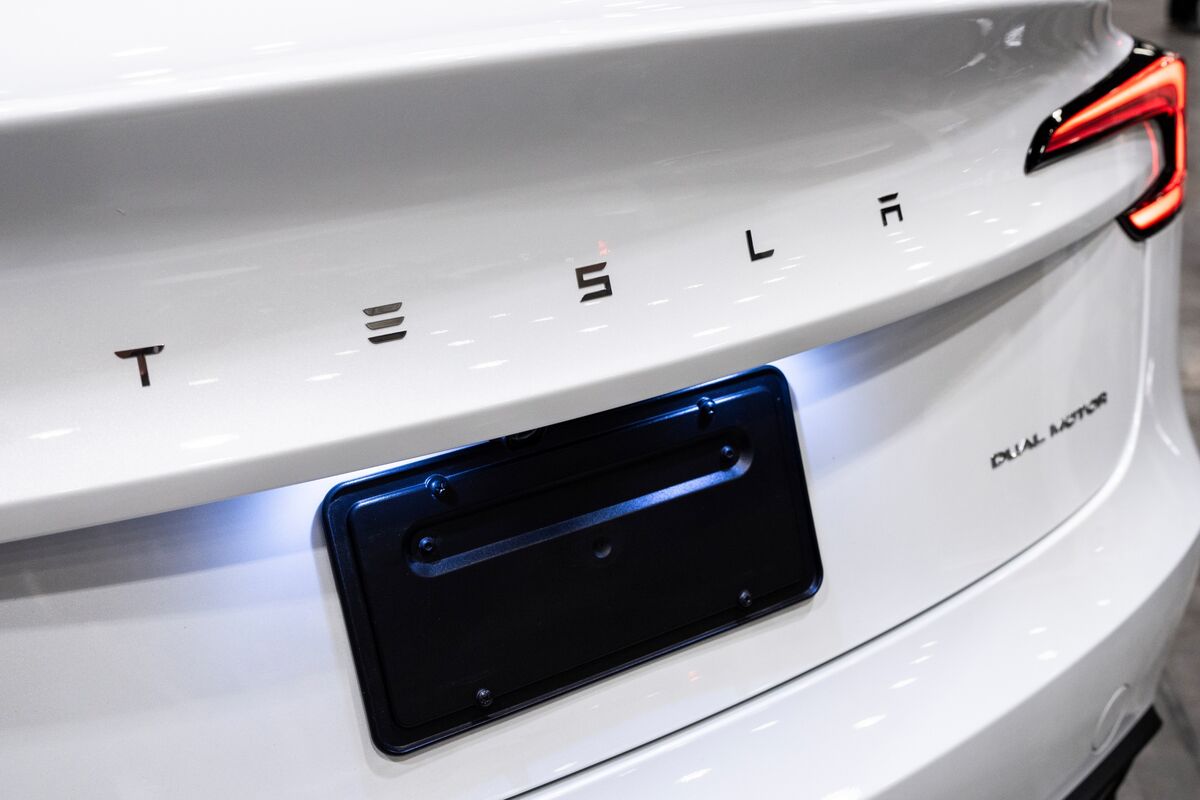
Competitive Landscape: Tesla emerges as an early winner, with 39 existing Canadian stores and a pre-prepared Shanghai plant capable of exporting Canada-specific Model Y vehicles. The company's streamlined product lineup provides a significant competitive advantage over Chinese competitors, positioning it to rapidly capitalize on the new trade policy.
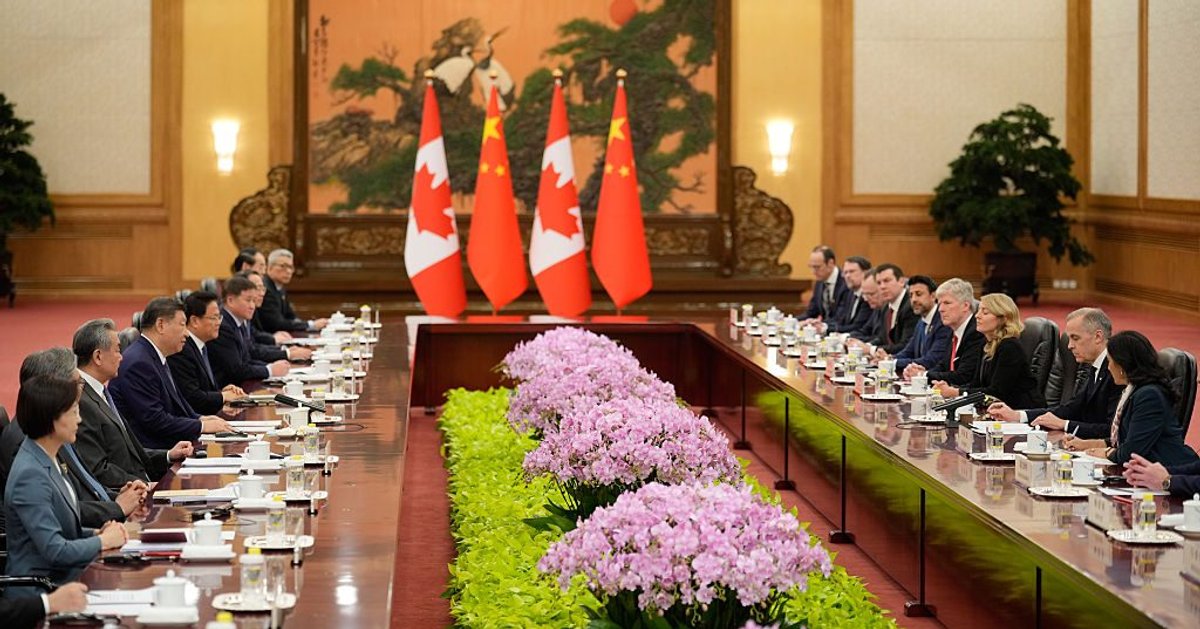
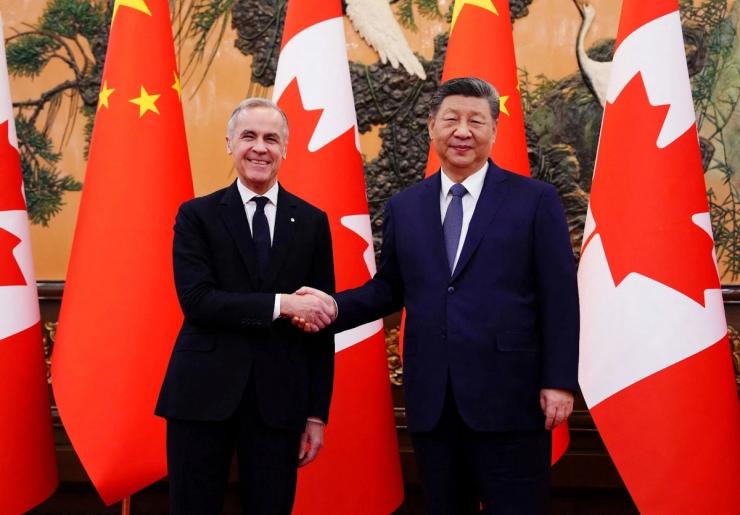
Strategic Considerations: This policy represents more than a simple tariff reduction—it's a geopolitical signal of Canada's openness to Chinese automotive technology and manufacturing. Cross-border sellers should view this as a potential blueprint for future market integration, particularly in high-technology sectors.
問題 4
How will the new Canada-China EV trade policy impact cross-border sellers?
The policy creates a $500M+ market opportunity by allowing 49,000 Chinese EVs into Canada at a 6.1% tariff rate. Cross-border sellers in automotive, electronics, and related supply chains can leverage this by exploring new import/export strategies, particularly for vehicles under 35,000 CAD.
Which EV manufacturers benefit most from this trade agreement?
Tesla is positioned as an early winner with 39 Canadian stores and a prepared Shanghai plant. Entry-level Chinese brands like BYD and Nio also benefit from the policy's quota for vehicles under 35,000 CAD, creating new market access opportunities.