




Cross-Border EV Market Shift: Canada's China Trade Pivot
- 49,000 Chinese EVs Enter Canada, Sparking Global Automotive Disruption




概览
The Canada-China electric vehicle trade agreement represents a transformative moment in cross-border e-commerce and automotive market dynamics, signaling a profound shift in international trade strategies and competitive landscapes.
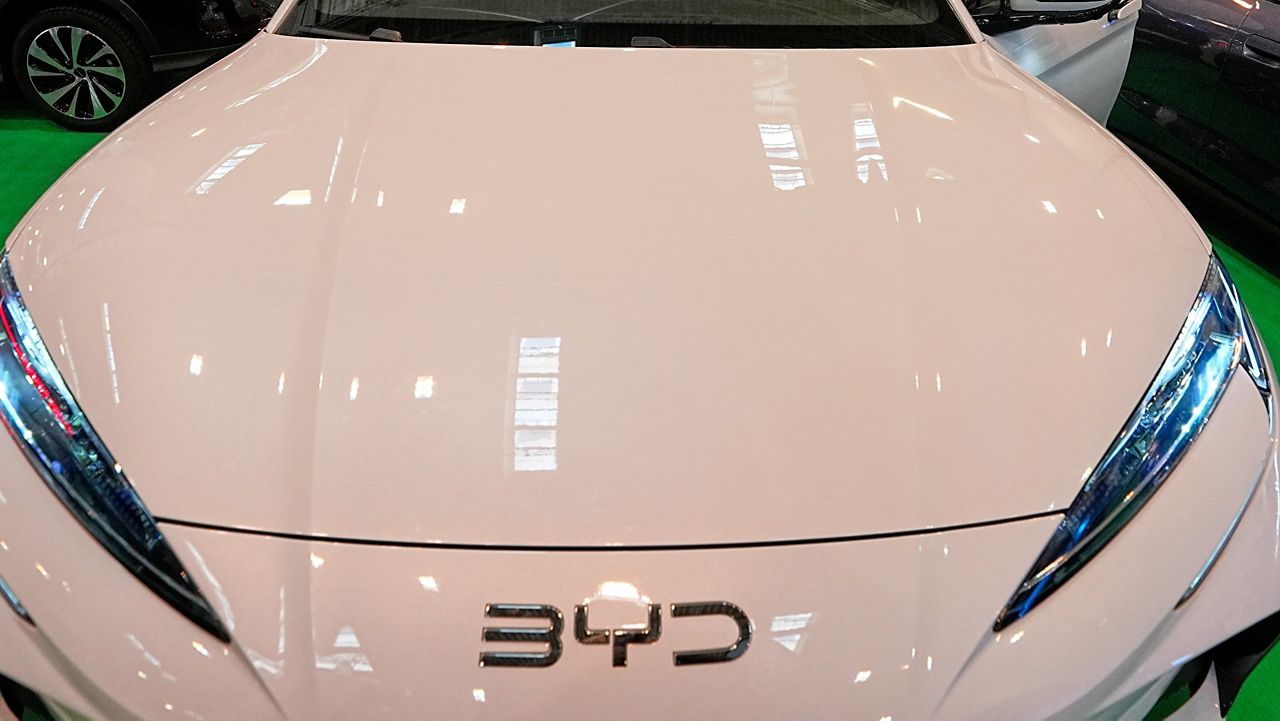
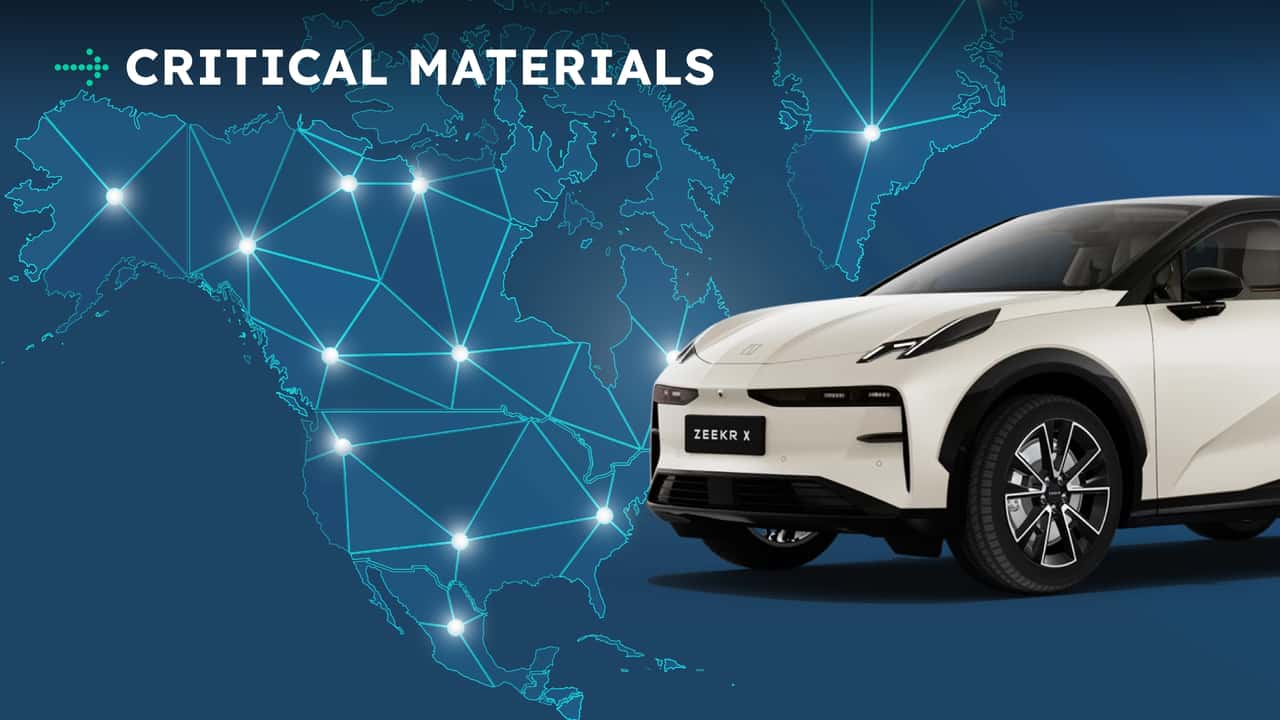
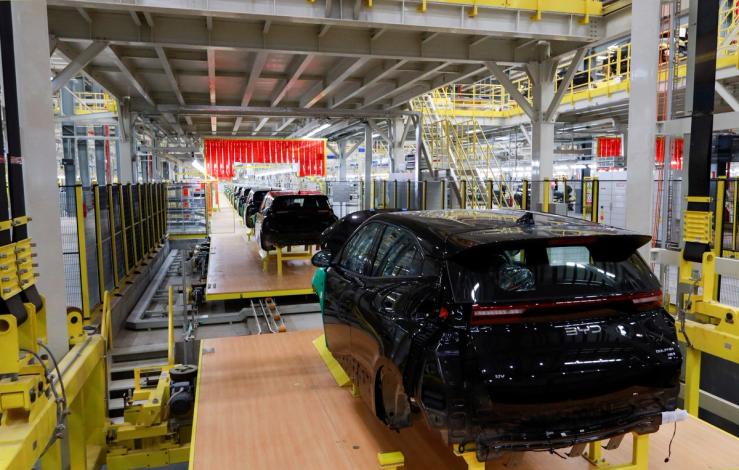
Strategic Market Penetration: Canada's decision to allow 49,000 Chinese electric vehicles annually at a low 6% tariff rate creates unprecedented market access for Chinese automotive manufacturers like BYD. This move goes beyond traditional trade negotiations, representing a calculated geopolitical and economic recalibration that could reshape North American automotive supply chains.
The deal's implications extend far beyond simple tariff reduction. Chinese automakers must meet rigorous Canadian market standards, which are closely aligned with U.S. requirements. This compliance mandate serves as a strategic gateway for Chinese brands to demonstrate technological sophistication and build credibility in highly competitive Western markets. Mark Wakefield from AlixPartners' projection that Chinese brands could capture 30% of the global market by 2030 underscores the transformative potential of this agreement.
For cross-border e-commerce sellers, this development presents multifaceted opportunities and challenges. The low-cost EV segment (vehicles under $25,000 USD) indicates a growing market for affordable, technologically advanced automotive products. Sellers should monitor emerging product categories, potential accessories, and complementary markets that might emerge from this trade pivot.
The geopolitical nuances cannot be overlooked. Taiwan's strong criticism and the diplomatic tensions surrounding the deal highlight the complex interplay between economic opportunities and strategic relationships. E-commerce businesses must develop adaptive strategies that can navigate these intricate international dynamics.
問題 4
How will the Canada-China EV trade deal impact cross-border e-commerce sellers?
The deal opens new market opportunities for automotive-related products, creates potential for complementary accessories, and signals a growing low-cost EV segment. Sellers should explore product categories around electric vehicles, charging infrastructure, and related technologies.
How might this trade deal affect automotive market competition?
The agreement could accelerate Chinese automotive brands' global market penetration, potentially challenging traditional manufacturers. By 2030, Chinese brands might capture up to 30% of the global market, reshaping competitive dynamics.