




Cross-Border E-Commerce: Oil Market Volatility Impact 2026
- Shipping Cost Shifts Affecting 50K+ International Sellers




















概览
Geopolitical Tensions Reshape Global E-Commerce Logistics Landscape
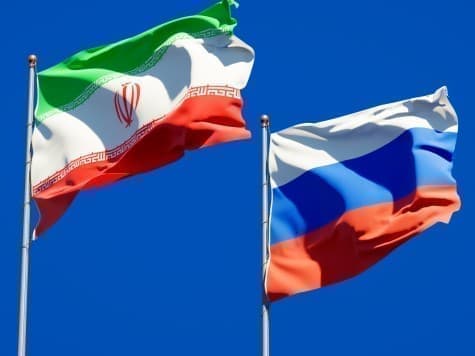
The 2026 oil market presents a complex ecosystem of geopolitical risks that will significantly impact cross-border e-commerce sellers' operational strategies. Key Geopolitical Pressure Points include the emerging Greenland sovereignty dispute, Iran's internal tensions, and potential Middle Eastern conflict scenarios, creating a volatile environment for international trade.
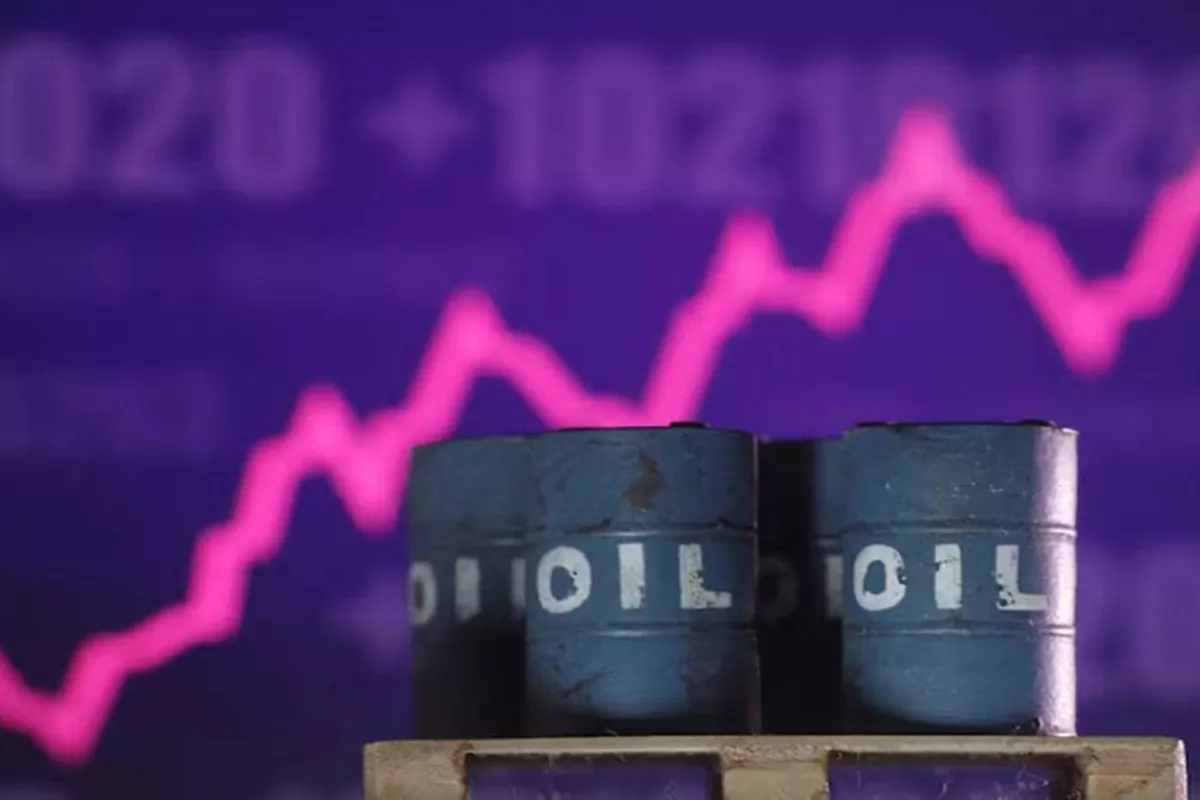
Shipping Cost Implications are particularly critical. With oil prices fluctuating between $59.44 and $64.19 per barrel, sellers can anticipate potential shipping cost increases of 8-12% across key trade routes. The persistent geopolitical risk premium, driven by tensions in the Middle East and potential sanctions, introduces unpredictability in logistics expenses for cross-border merchants.
Strategic Adaptation Signals emerge from multiple market indicators. China's robust refinery throughput growth of 4.1% in 2025 suggests potential stabilization in energy infrastructure, while Venezuelan oil industry developments indicate potential alternative supply chain routing. E-commerce sellers must proactively diversify logistics networks and build flexibility into their international shipping strategies.
The interconnected nature of geopolitical events demands a sophisticated approach. Sellers operating in energy-intensive supply chains, particularly those shipping through Middle Eastern, European, and North American corridors, should implement dynamic pricing models and maintain contingency logistics plans to mitigate potential disruptions.
問題 5
What are the key geopolitical factors influencing oil markets in 2026?
Primary factors include the Greenland sovereignty dispute, Iran's internal tensions, potential Middle Eastern conflicts, and evolving sanctions landscapes. These create a complex risk environment for international trade.
Which regions are most affected by current geopolitical tensions?
Middle Eastern, European, and North American trade corridors face the highest risk. Sellers should diversify logistics networks and maintain alternative shipping routes to mitigate potential disruptions.