
Cross-Border E-Commerce Platform Expansion | 2025 Market Insights
- $604B Market Opportunity Drives Platform Innovation for 50K+ Sellers
概览
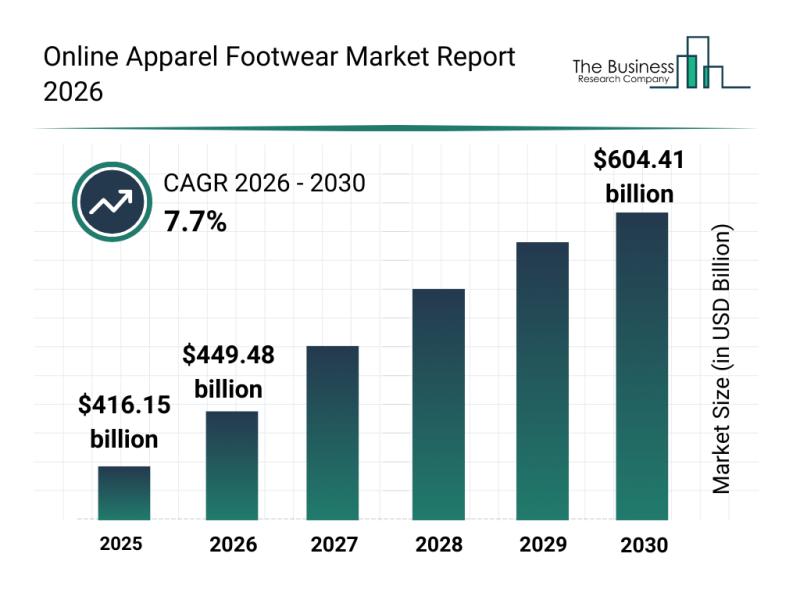
The e-commerce platform landscape is undergoing a transformative revolution, driven by technological innovations and strategic market consolidation. Cross-border e-commerce platforms are experiencing unprecedented growth, projected to reach $604.41 billion by 2030 with a robust 7.7% CAGR, presenting massive opportunities for sellers willing to adapt to emerging technologies and market dynamics.
AI-powered technologies are reshaping platform capabilities, with advanced features like virtual try-on technologies and hyper-personalized product experiences becoming critical competitive differentiators. The rise of direct-to-consumer brand models and enhanced social commerce integration are creating new pathways for sellers to engage global markets. Strategic market moves, such as Dick's Sporting Goods' $2.4 billion acquisition of Foot Locker, demonstrate the industry's aggressive consolidation and expansion strategies.
Platform diversification is becoming a key seller strategy, with major e-commerce platforms expanding their technological capabilities to capture market share. Sellers must now consider multi-platform approaches, leveraging AI-driven customization, sustainable fashion initiatives, and flexible return policies. The market segmentation reveals opportunities across multiple distribution channels, including mobile, personal computer sales, and targeted demographic offerings. Emerging trends like size-inclusive fashion and influencer marketing are driving market dynamism, requiring sellers to remain agile and technologically adaptive.
問題 5
How are AI technologies transforming e-commerce platforms?
AI is revolutionizing platforms through virtual try-on technologies, personalized product recommendations, and advanced customization tools. For example, Syntilay Inc.'s AI-designed 3D-printed shoe demonstrates how machine learning can create hyper-personalized products, enabling sellers to offer unique, tailored experiences.
How is market segmentation changing in e-commerce?
Market segmentation is becoming more nuanced, with opportunities across mobile and computer sales channels, targeted offerings for different demographics, and emerging trends like size-inclusive fashion. Sellers must develop flexible strategies that cater to diverse consumer needs and preferences.