




Global Trade Tensions: 8 EU Countries Face 25% Tariff Escalation
- $37B Annual Impact Threatens Cross-Border Seller Margins






























概览
The emerging geopolitical landscape presents a critical inflection point for cross-border e-commerce sellers, with President Trump's proposed tariffs against eight European NATO allies creating unprecedented market volatility. The tariff strategy, initially targeting Denmark, Norway, Sweden, Germany, UK, Netherlands, France, and Finland, represents a sophisticated economic pressure mechanism with far-reaching implications.
A groundbreaking study by the Kiel Institute for World Economy reveals a shocking insight: American consumers will bear 96% of these tariff costs, transforming what appears to be a diplomatic maneuver into a direct economic burden for international sellers. The proposed tariff structure—starting at 10% from February 1st and escalating to 25% by June 1st—creates a rapidly closing window for strategic adaptation.
Cross-border sellers must immediately reassess their supply chain architectures. The potential trade tensions could dramatically impact import costs, with currency exchange rate fluctuations adding another layer of complexity. Sellers operating between U.S. and European markets face the most significant disruption, potentially seeing margin compressions of 8-15% if they cannot quickly restructure sourcing and pricing strategies.
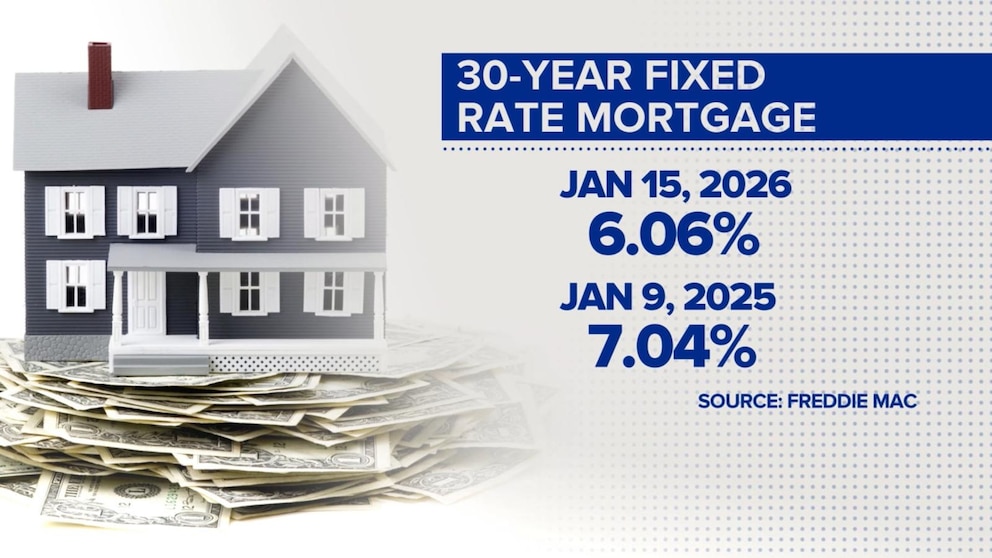
The Federal Reserve's potential interest rate adjustments further compound the uncertainty. With inflation as a critical concern, short-term borrowing costs for businesses could increase, creating a multi-dimensional challenge for e-commerce entrepreneurs. Proactive sellers will view this as an opportunity to redesign their international trade strategies, leveraging flexible supply chain models and diversified market approaches.
問題 5
How will these tariffs directly impact cross-border e-commerce sellers?
Sellers can expect potential margin reductions of 8-15%, increased import costs, and necessary supply chain restructuring. The 10-25% tariff range means sellers must quickly adapt pricing strategies and potentially diversify sourcing countries to maintain profitability.
What immediate steps should sellers take to mitigate tariff risks?
Sellers should conduct an urgent supply chain audit, explore alternative manufacturing countries, renegotiate supplier contracts, and build pricing flexibility. Implementing currency hedging and maintaining diverse market presence can help buffer potential economic shocks.