




Global Trade Shifts: Tariffs, Investments & E-Commerce Impact
- Geopolitical Tensions Create $2.4B Cross-Border Market Realignment











概览
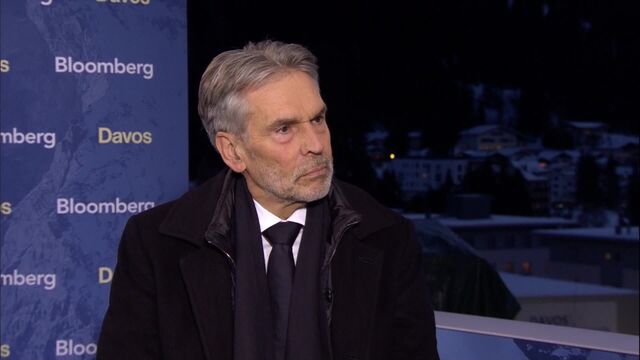
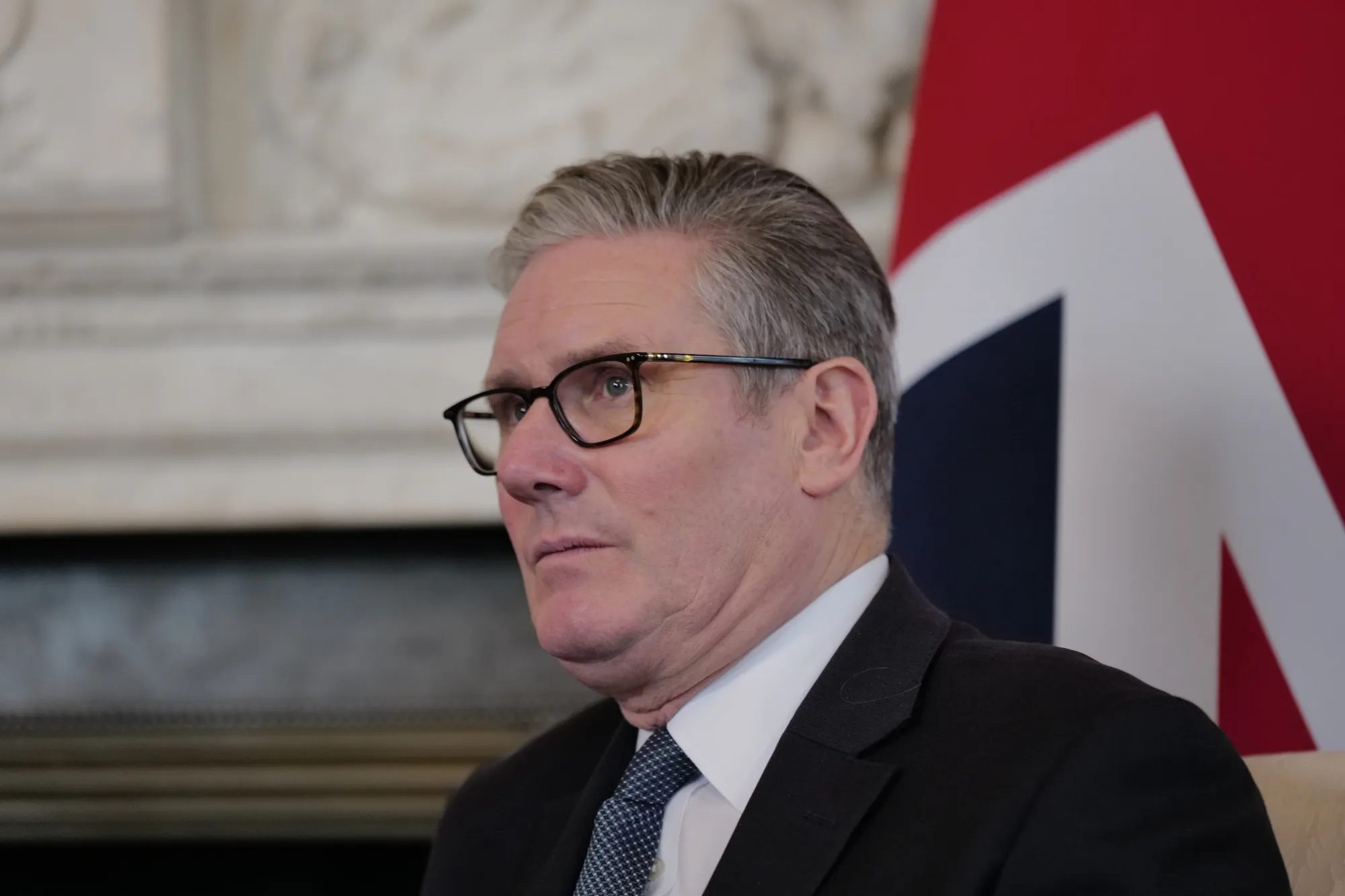
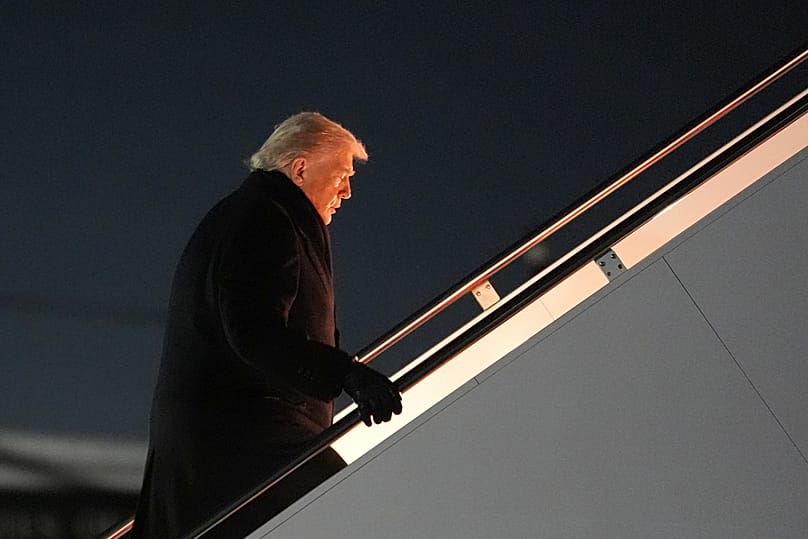
The emerging geopolitical landscape reveals critical implications for cross-border e-commerce sellers, driven by escalating tensions between the United States and European nations. Key Strategic Signals emerge from two pivotal developments: Denmark's US Treasury divestment and the Netherlands' pushback against potential tariff threats.
Diplomatic Investment Dynamics highlight a nuanced market transformation. Denmark's $100 million Treasury divestment, while seemingly minimal, represents a broader trend of reduced European confidence in US financial instruments. The European Union, currently holding $8 trillion in US Treasury bonds, signals a potential strategic recalibration that could impact international trade flows and market access for e-commerce sellers.
Tariff and Trade Complexity underscores the volatile international commerce environment. The Dutch Prime Minister's critique of "unjustified" tariff threats reveals deeper geopolitical tensions that directly influence cross-border selling strategies. Semiconductor technology and Arctic security discussions further complicate the trade landscape, suggesting sellers must develop more adaptive, geographically diversified market entry strategies.
Operational Implications for cross-border sellers include:
- Increased need for multi-regional inventory strategies
- Enhanced risk management for US-EU trade corridors
- Potential shifts in technology product sourcing
- More sophisticated compliance and diplomatic intelligence monitoring
Sellers must proactively adapt to these geopolitical shifts, viewing them not as disruptions but as strategic opportunities for market differentiation and resilient international commerce models.
問題 4
How can sellers mitigate risks from international trade uncertainties?
Successful mitigation involves developing multi-regional inventory strategies, maintaining flexible supply chains, investing in compliance intelligence, and creating contingency plans for potential trade barrier changes. Diversification across markets and product categories is crucial.
What specific risks should e-commerce sellers monitor in the current geopolitical environment?
Key risks include potential tariff fluctuations, investment landscape shifts, semiconductor technology restrictions, and changing diplomatic relationships. Sellers should focus on adaptable sourcing, comprehensive compliance strategies, and maintaining intelligence on regional trade dynamics.