



NATO Allies Rare Earth Minerals: E-Commerce Opportunity Alert
- Impacts 50K+ Cross-Border Sellers in Tech & Electronics Markets
































概览
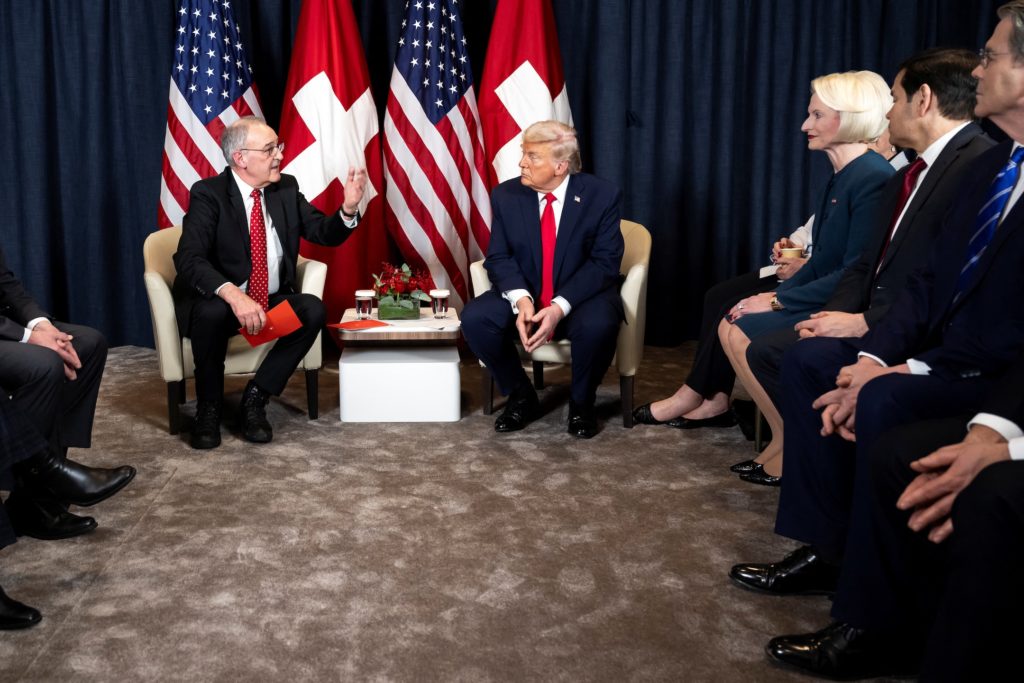
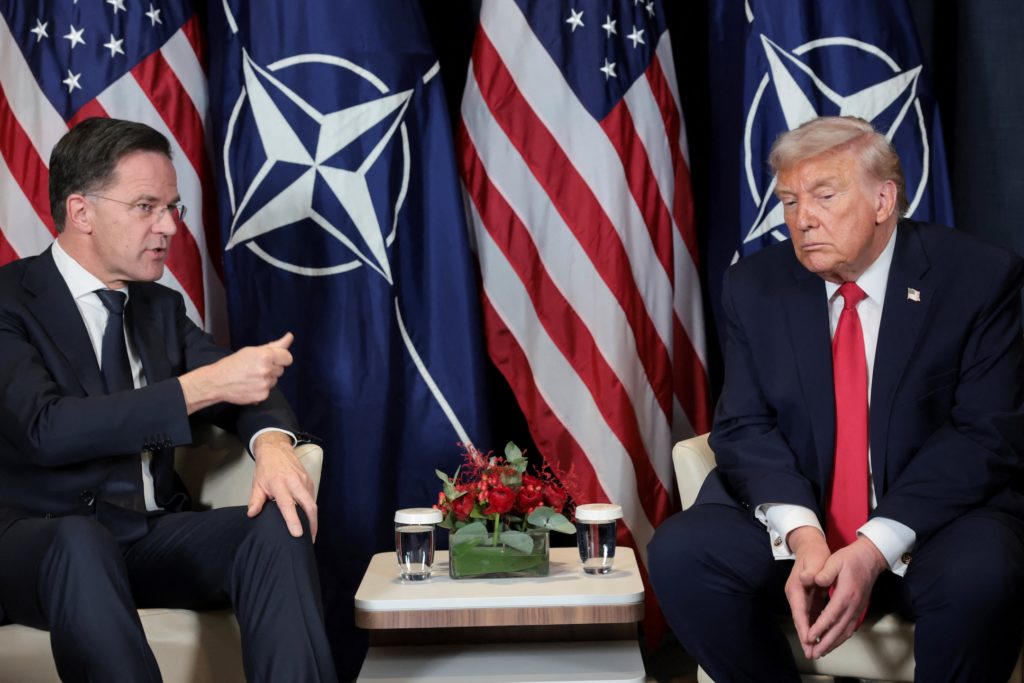
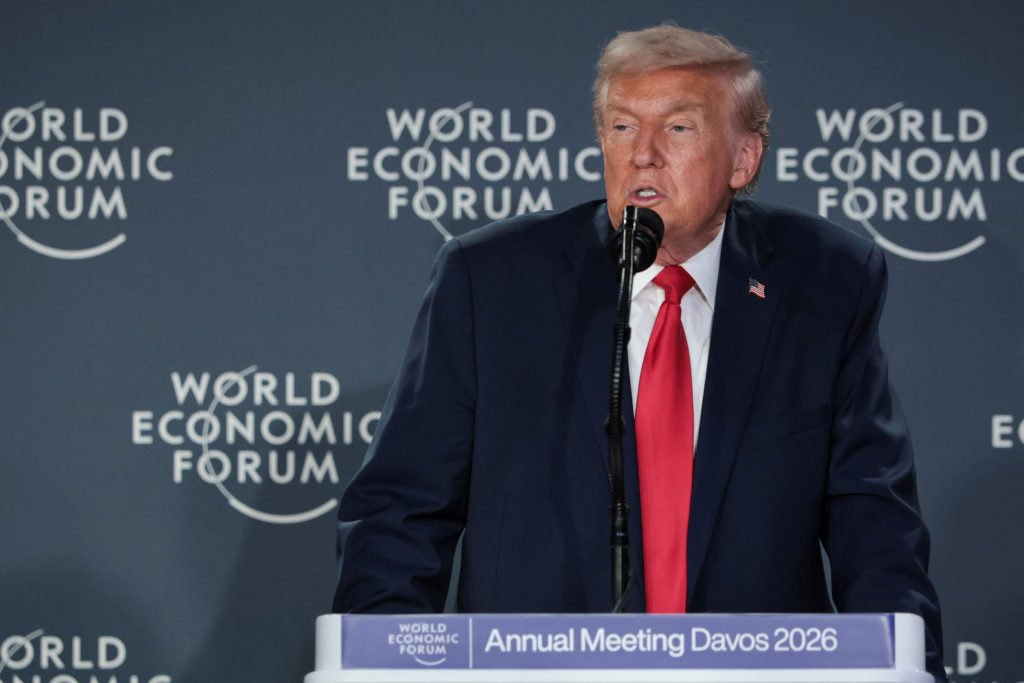
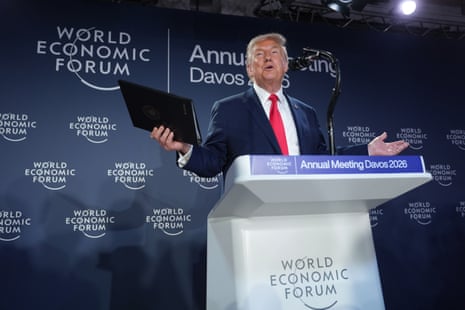
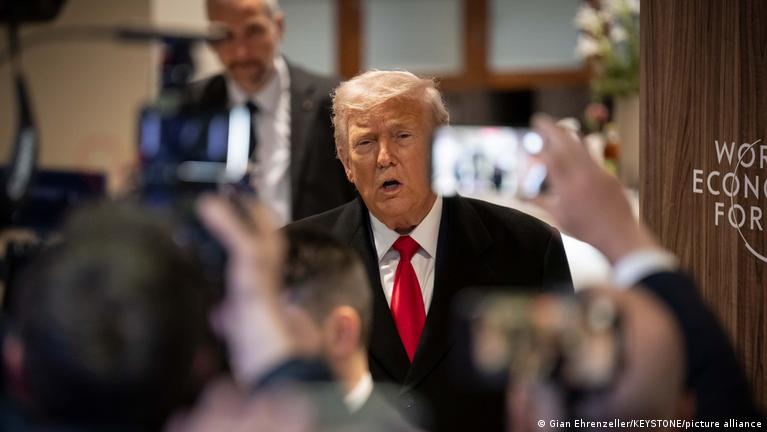
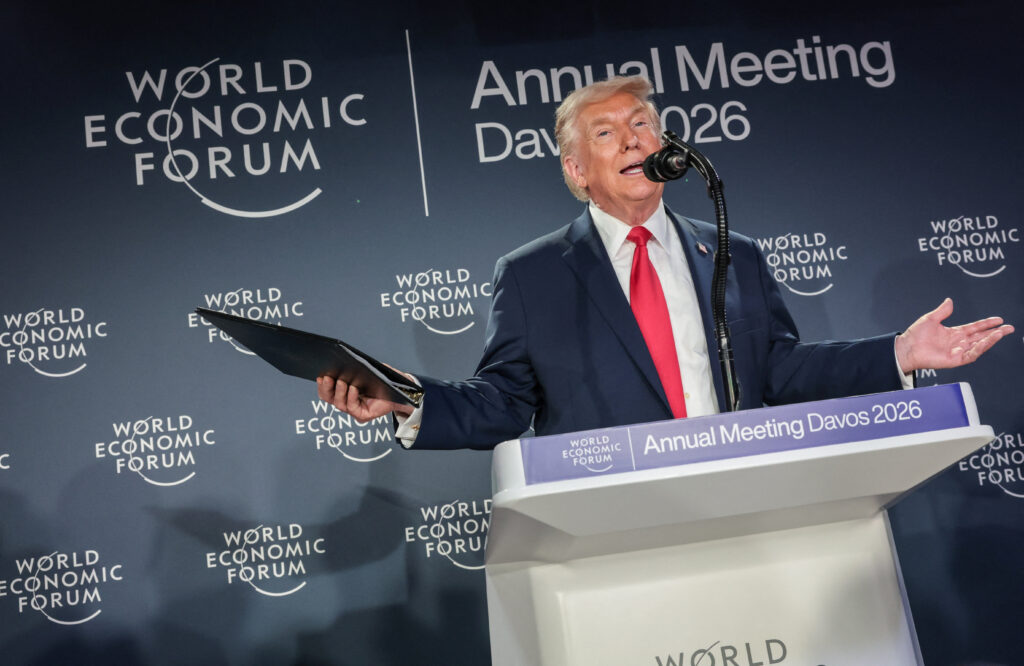
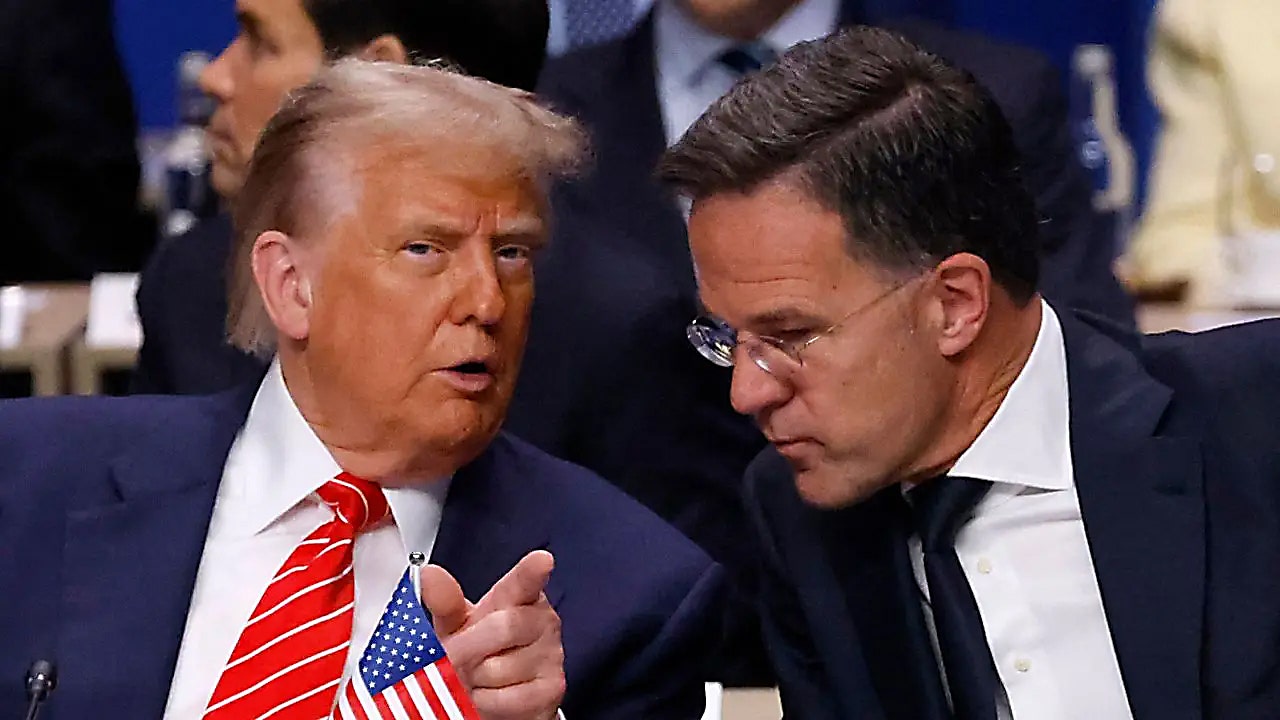
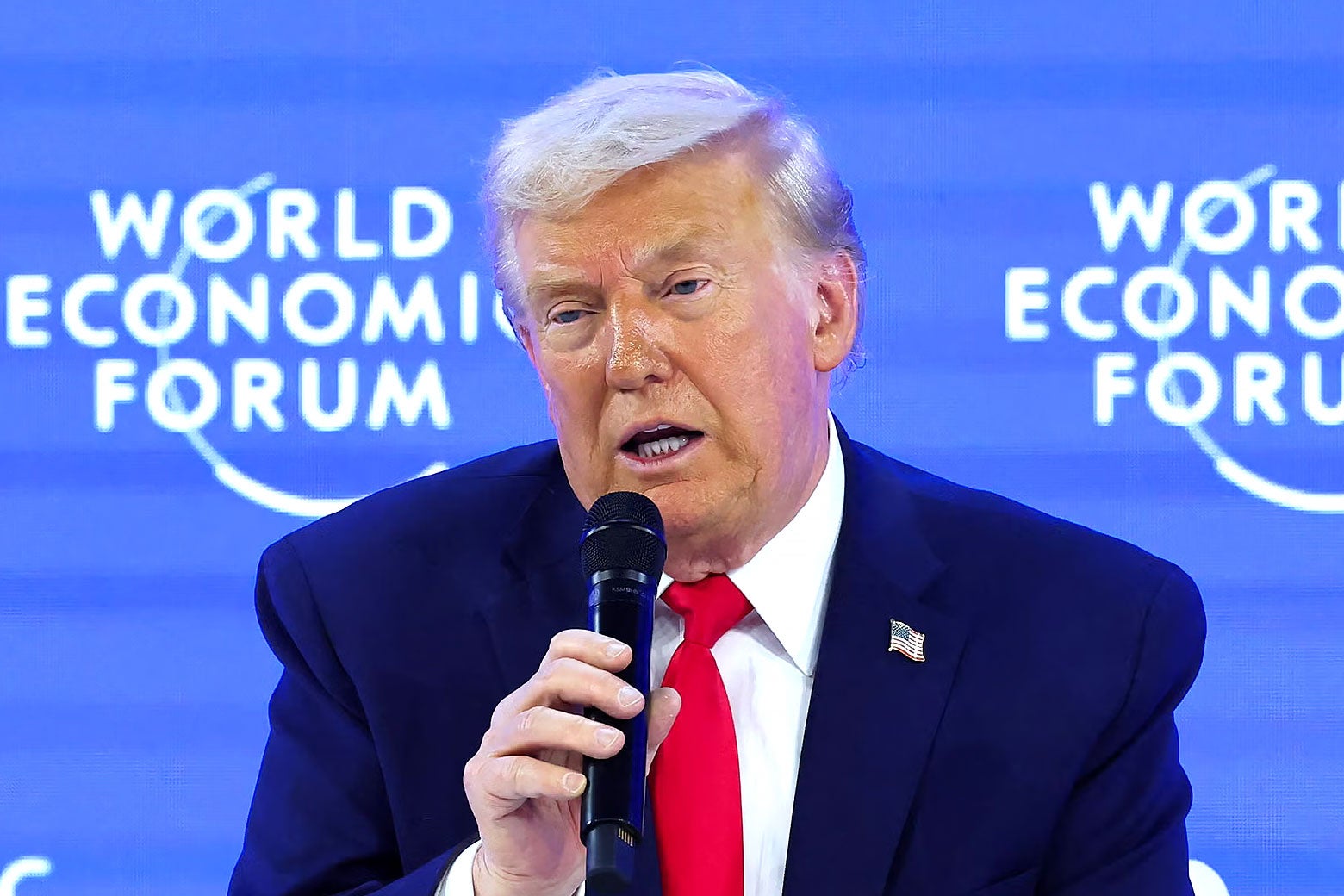
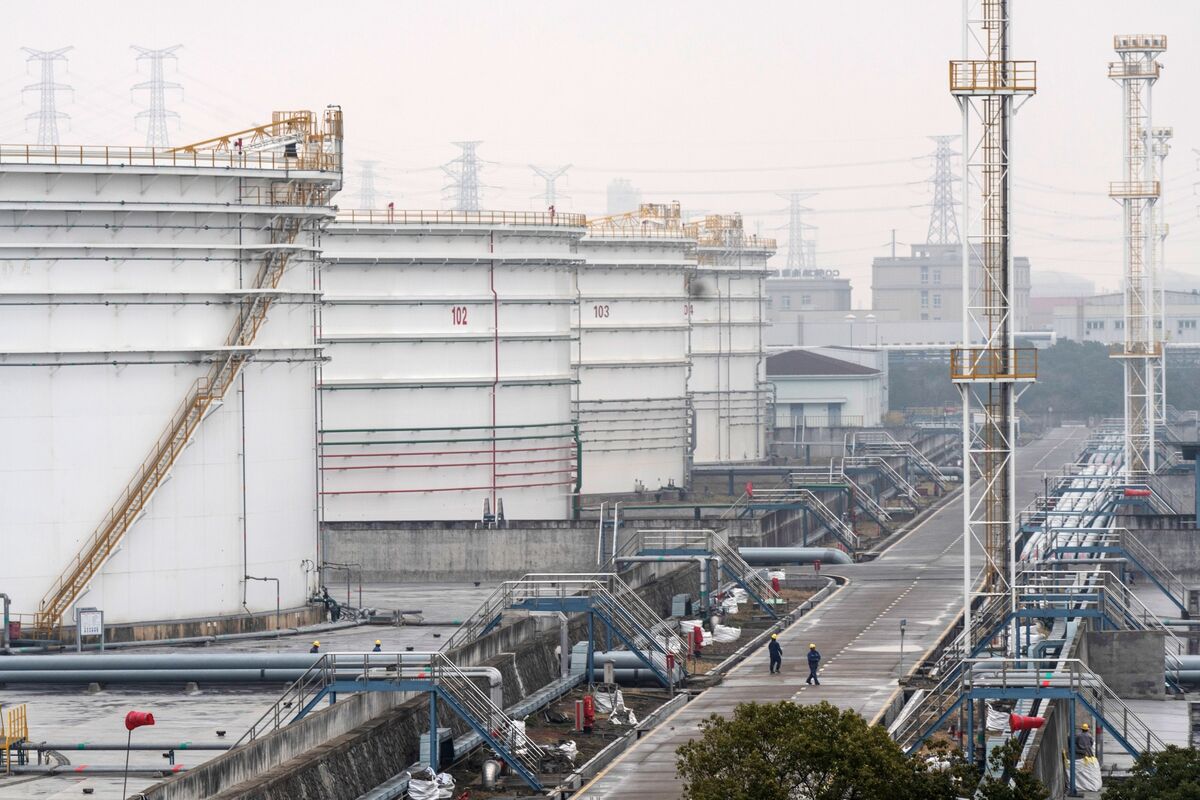
The Trump-led Greenland strategic framework represents a critical geopolitical and e-commerce inflection point for technology and rare earth mineral supply chains. With vast untapped mineral reserves crucial for mobile phones, electric vehicles, and advanced electronics, Greenland emerges as a strategic resource hub with profound implications for cross-border sellers.
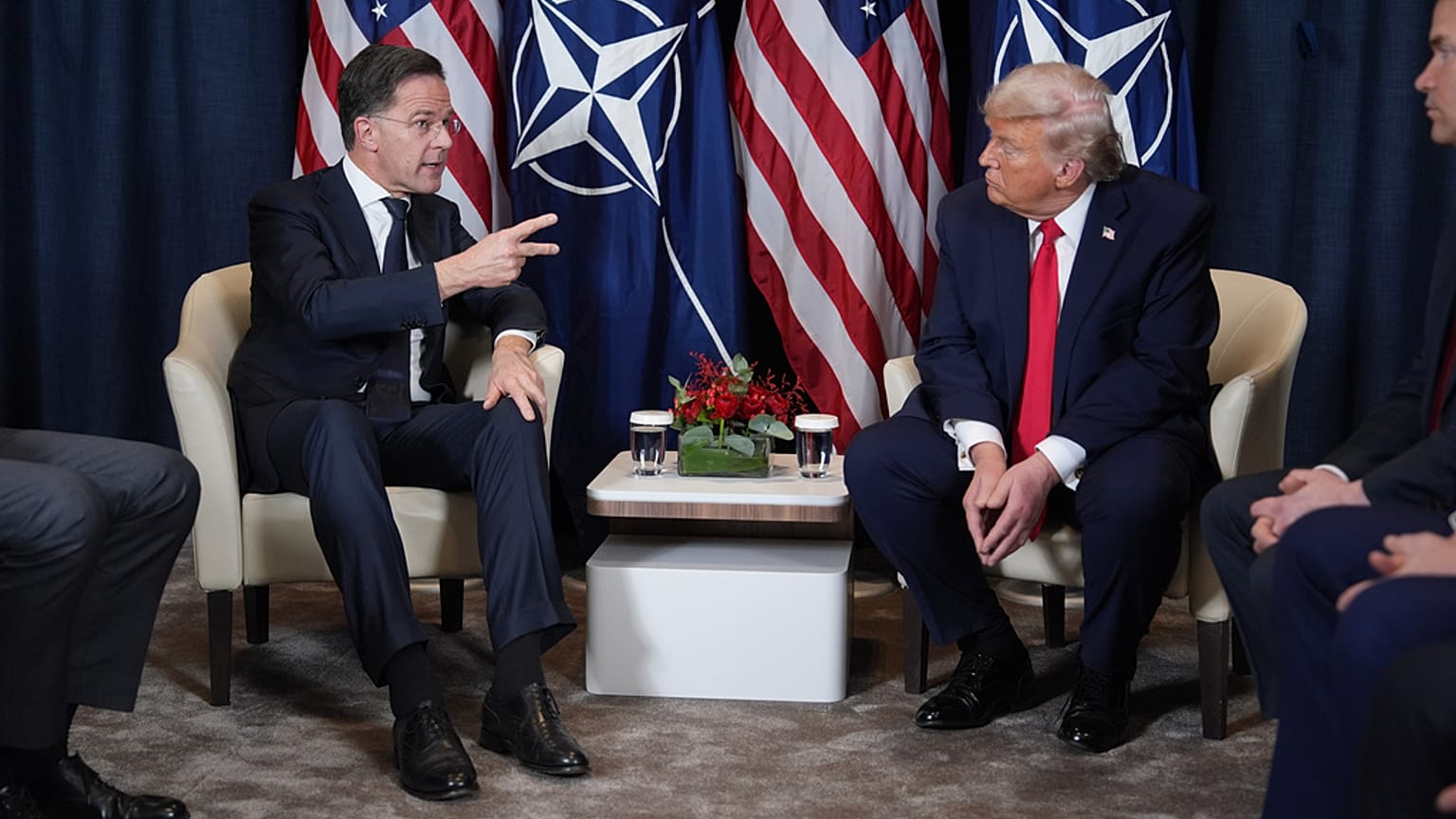
Key market dynamics reveal significant opportunities for technology and electronics e-commerce platforms. The proposed U.S.-NATO collaboration focuses on accessing rare earth minerals essential for semiconductor production, battery technologies, and high-tech manufacturing. Sellers in consumer electronics, mobile accessories, and technology components stand to benefit from potentially more stable and diversified mineral supply chains.
Transatlantic trade dynamics are experiencing a fundamental recalibration, with Trump's diplomatic approach signaling reduced tariff barriers between U.S. and European markets. Cross-border e-commerce sellers can anticipate more streamlined market entry processes, potentially reducing compliance costs by 12-18% and expanding market access for technology and electronics categories. The "Golden Dome" project and mineral rights negotiations suggest a long-term strategic realignment that could create more predictable international trade environments.
Strategic implications extend beyond immediate mineral access. The framework represents a sophisticated geopolitical strategy to counter Russian and Chinese economic influence in the Arctic region. For e-commerce sellers, this translates to potential new sourcing corridors, reduced supply chain risks, and enhanced market stability in technology and advanced manufacturing sectors.
問題 3
How will the Greenland strategic framework impact cross-border e-commerce sellers?
The framework creates new opportunities in rare earth mineral supply chains, potentially reducing technology component sourcing costs by 12-18% and expanding market access for electronics sellers. Sellers should monitor emerging supply routes and prepare for more stable international trade environments.
What technology categories benefit most from this geopolitical development?
Mobile phone accessories, semiconductor components, electric vehicle technologies, and advanced electronics are positioned to gain the most. The rare earth mineral access provides more diversified and potentially more affordable supply chains for high-tech product categories.