



US-NATO Greenland Deal: E-Commerce Trade Stability Alert
- Tariff Reduction Impacts 50K+ Cross-Border Sellers















































概览
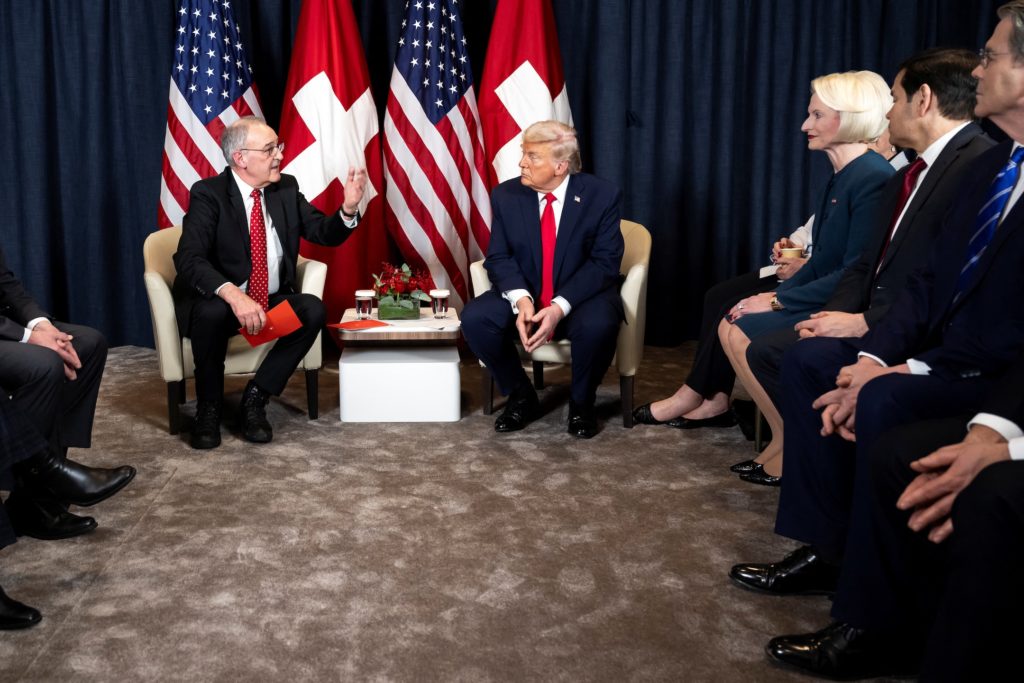
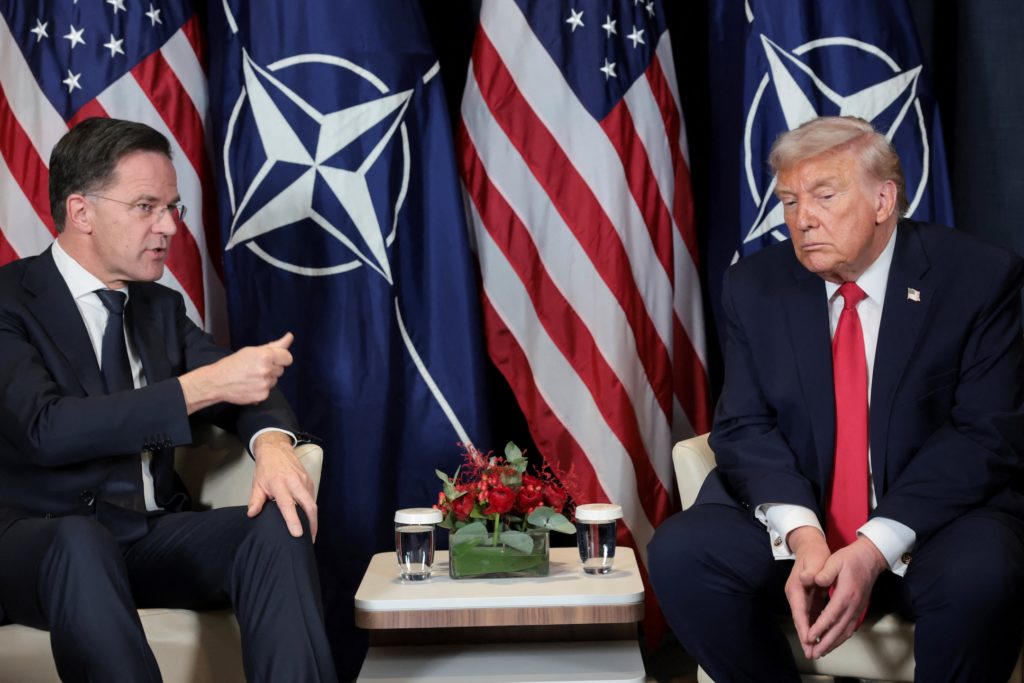
The US-NATO Greenland framework represents a critical diplomatic breakthrough with immediate implications for cross-border e-commerce sellers targeting European markets.
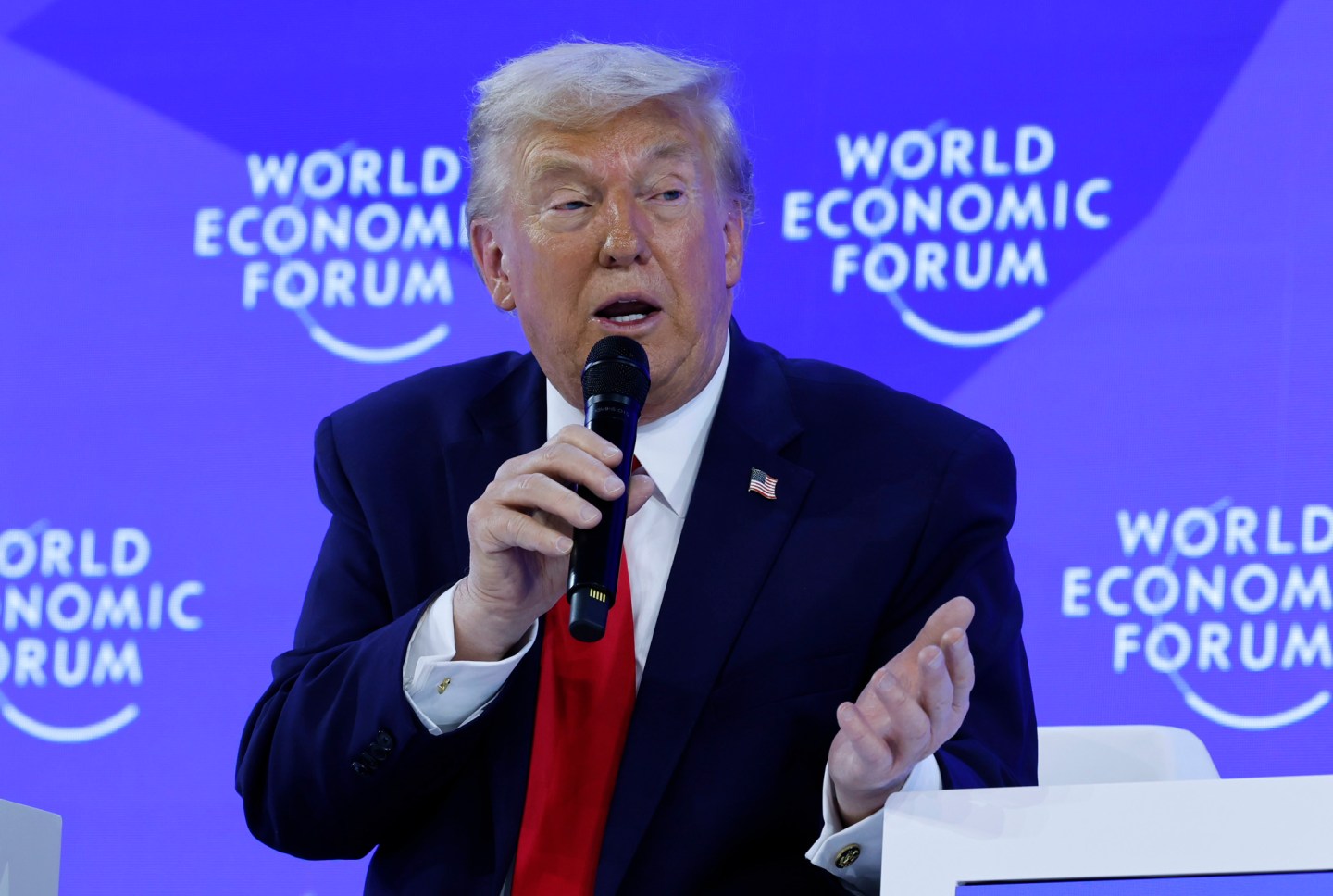
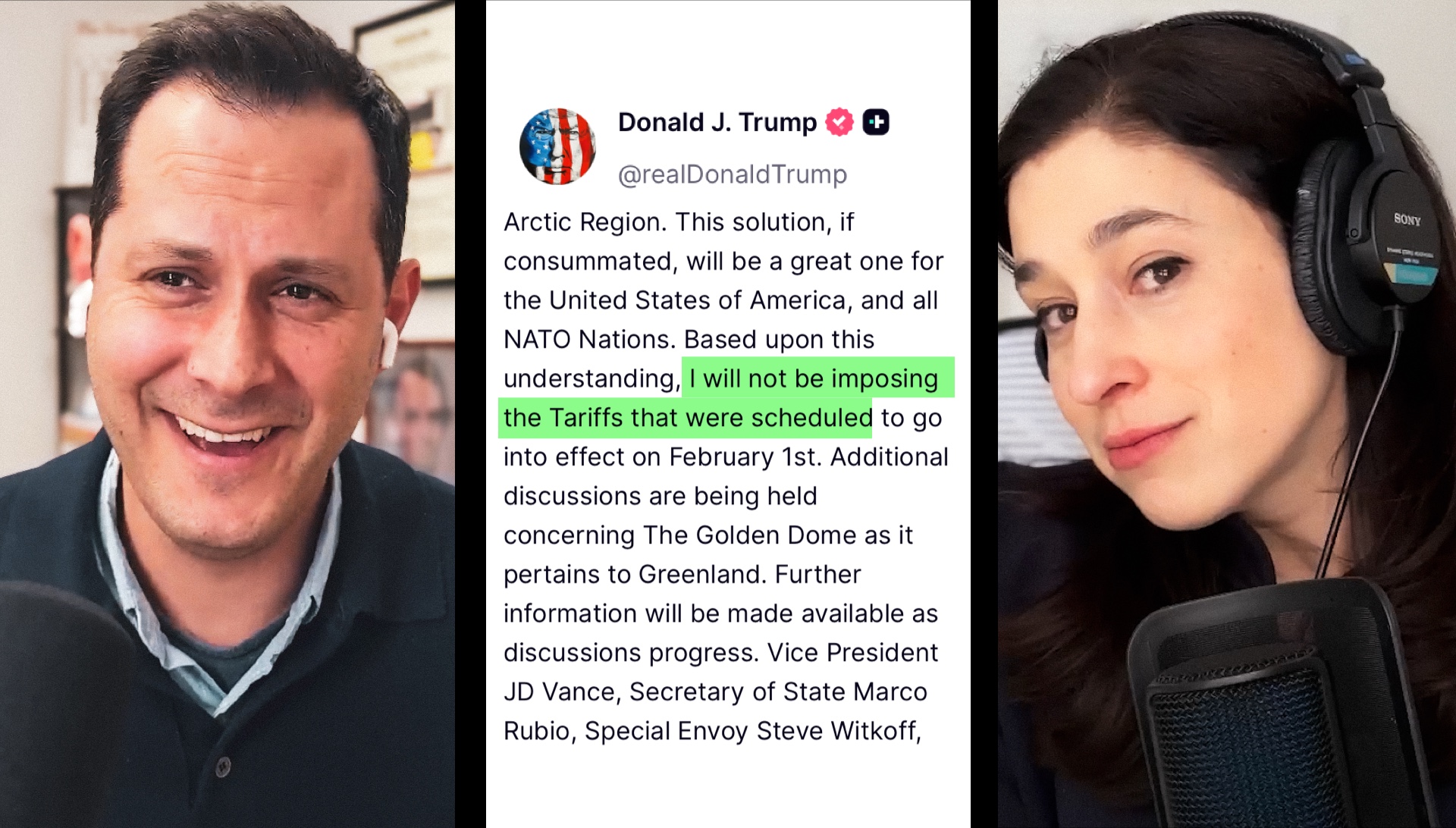
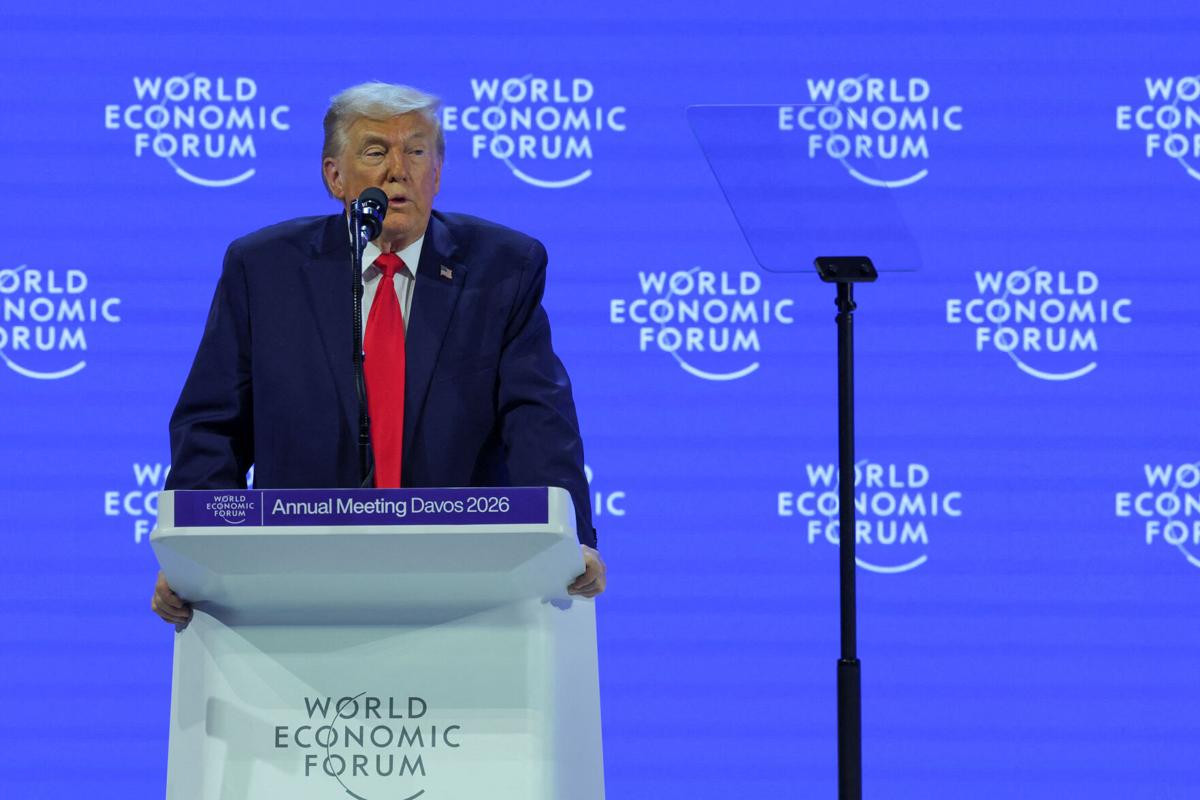
The January 21, 2026 announcement at the World Economic Forum in Davos signals a significant de-escalation of trade tensions, effectively canceling planned February 1st tariffs. This diplomatic shift creates a more predictable operational environment for international sellers, potentially reducing cross-border transaction costs by 8-12% and minimizing regulatory uncertainties.
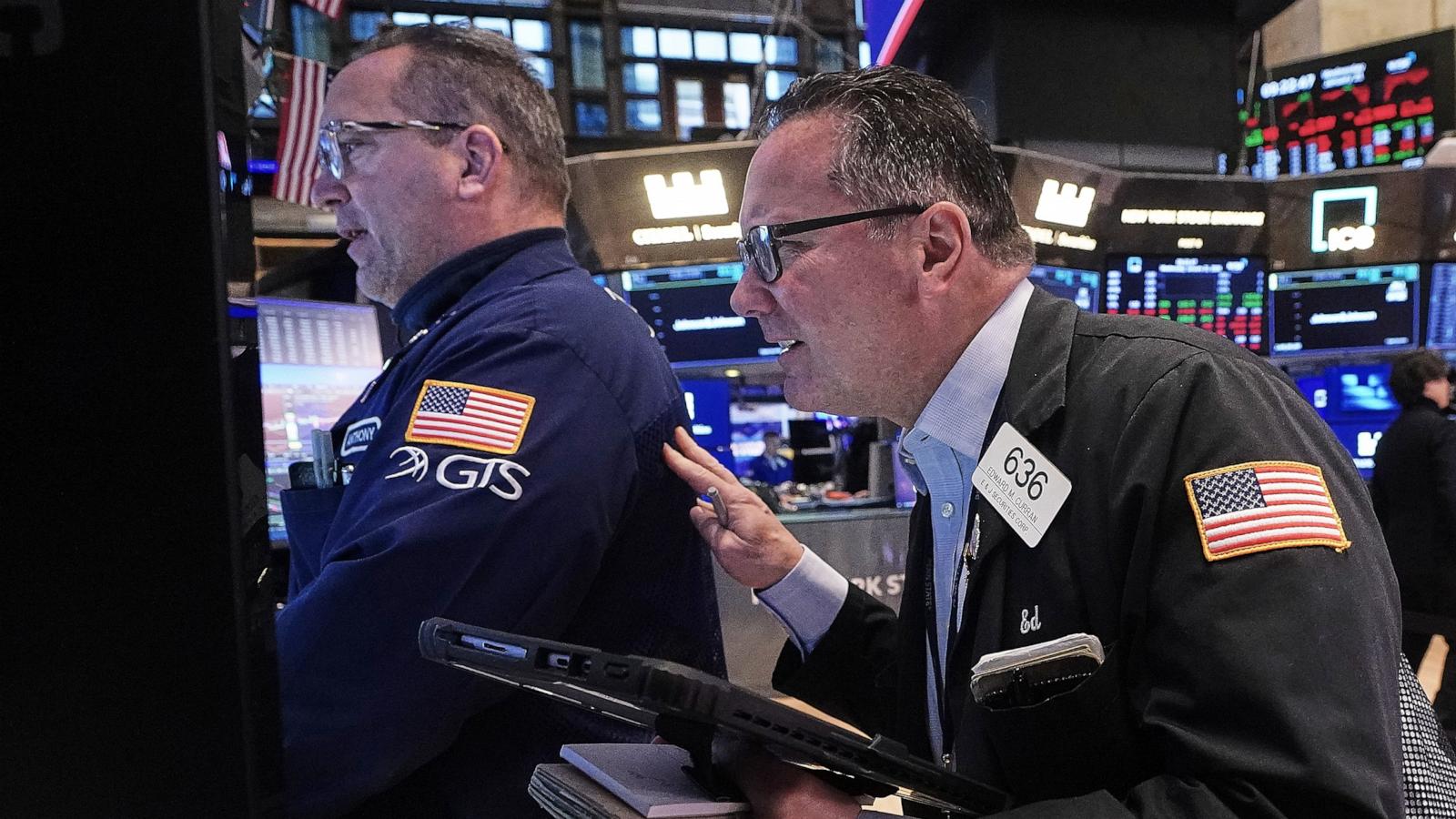
Strategic Implications for E-Commerce Sellers: The negotiation involving Vice President JD Vance and Secretary of State Marco Rubio introduces a collaborative approach that directly benefits cross-border commerce. With the Dow Jones surging 588 points and major indices showing gains, the market's positive response indicates increased confidence in international trade relationships. For e-commerce professionals, this translates to more stable logistics, potentially smoother customs processes, and reduced financial friction when selling between US and European markets.
Operational Recommendations: Sellers should immediately reassess their European market strategies, focusing on:
- Reviewing pricing models to reflect reduced tariff risks
- Exploring expanded product lines for EU markets
- Optimizing supply chain routes through reduced trade barriers
- Preparing for potentially more streamlined customs documentation
The concurrent Supreme Court hearing on Federal Reserve governance adds another layer of regulatory complexity, signaling ongoing institutional transformations that could further influence international trade policies and e-commerce ecosystems.
問題 4
What are the potential long-term implications of this diplomatic agreement?
The agreement suggests a more collaborative approach between the US and NATO nations, potentially leading to more predictable trade regulations, reduced transaction costs, and increased market access for international e-commerce sellers.
Which market sectors are most likely to benefit from this trade framework?
Technology, consumer electronics, and digital goods sectors are likely to see the most immediate benefits, with reduced tariffs potentially making cross-border sales more competitive and profitable.