


Global Trade Shifts: Tariffs, Geopolitics & E-Commerce Impact 2025
- 10% Tariff Threats Reshape Cross-Border Seller Strategies





















概览
The geopolitical landscape of early 2025 presents a complex environment for cross-border e-commerce sellers, characterized by unprecedented trade volatility and strategic market repositioning. President Trump's Greenland acquisition strategy has triggered potential tariff disruptions affecting eight European countries, creating a high-stakes diplomatic and economic chess game with significant implications for international sellers.
Key Strategic Implications for E-Commerce Sellers: The proposed 10% tariffs (potentially escalating to 25% by June) represent more than a diplomatic maneuver—they signal a critical inflection point for cross-border trade strategies. Sellers must rapidly develop adaptive approaches to navigate these unpredictable geopolitical shifts. The Arctic region's strategic importance, particularly Greenland's position between NATO allies, introduces complex trade dynamics that extend beyond traditional economic calculations.
Market Adaptation Strategies:
- Diversify supply chain routes away from potentially impacted European corridors
- Develop flexible inventory management to mitigate tariff risk
- Monitor NATO and diplomatic negotiations for early warning signals
- Consider alternative market entry points with lower geopolitical friction
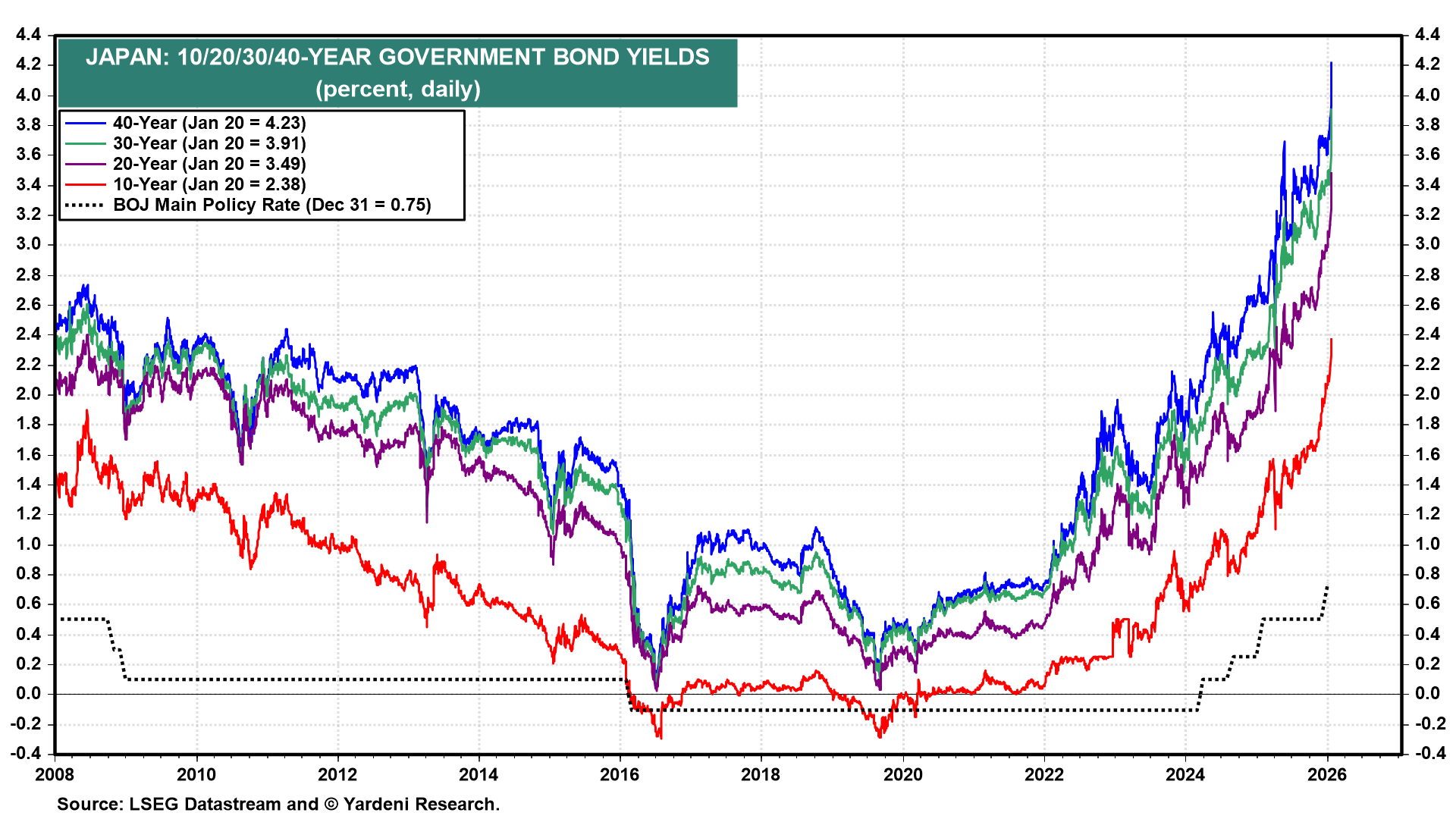
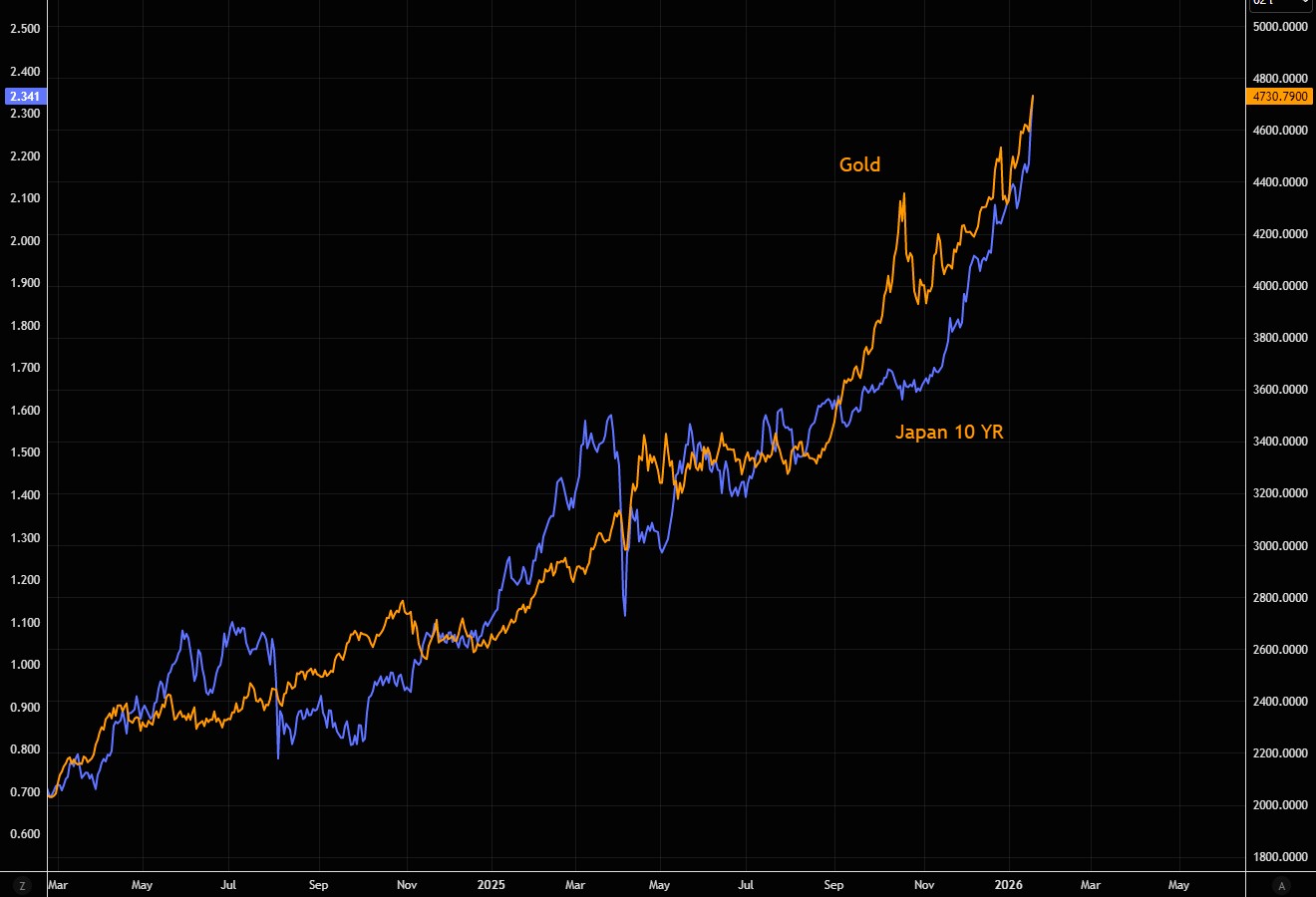
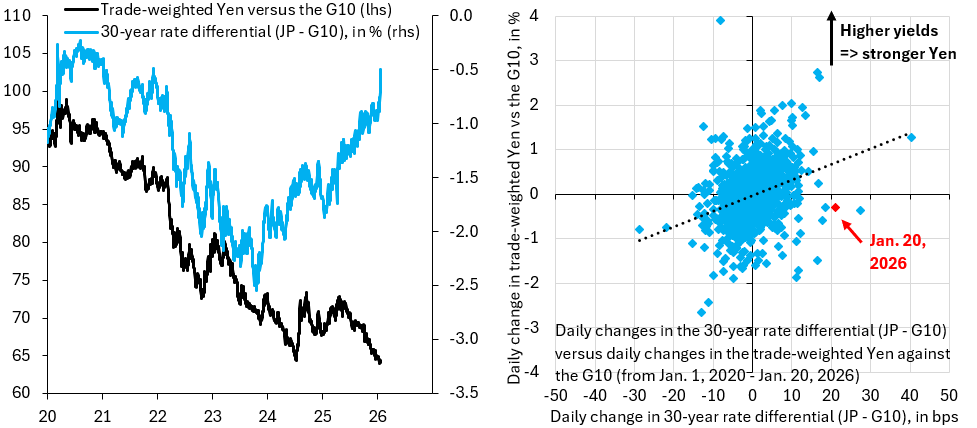
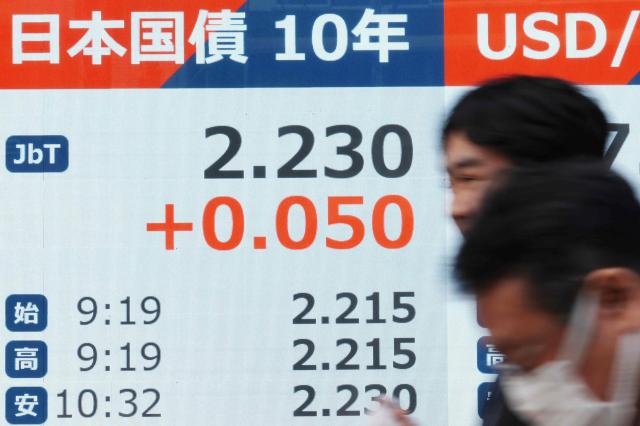
The concurrent Japanese bond market volatility—with 30-year government bond yields experiencing their most significant daily increase since 1999—further underscores the global economic uncertainty. These macroeconomic tremors demand sophisticated, data-driven approaches from e-commerce sellers seeking to maintain competitive positioning across international markets.
問題 4
What regions might offer alternative market entry for sellers facing European trade tensions?
Consider emerging markets in Southeast Asia, Latin America, and parts of Africa with growing e-commerce infrastructure and potentially more stable trade relationships. Conduct thorough market research before pivoting.
What strategic actions should e-commerce businesses take in response to these geopolitical shifts?
Develop a multi-country sourcing strategy, maintain flexible inventory levels, continuously monitor diplomatic negotiations, and create contingency plans for rapid market repositioning across different trade corridors.