




Trade War Escalates: China's Strategic Dairy Tariffs Reshape EU-China Economic Battlefield
- Protectionist Measures Signal Deepening Geopolitical Tensions in Agricultural Trade





















概览
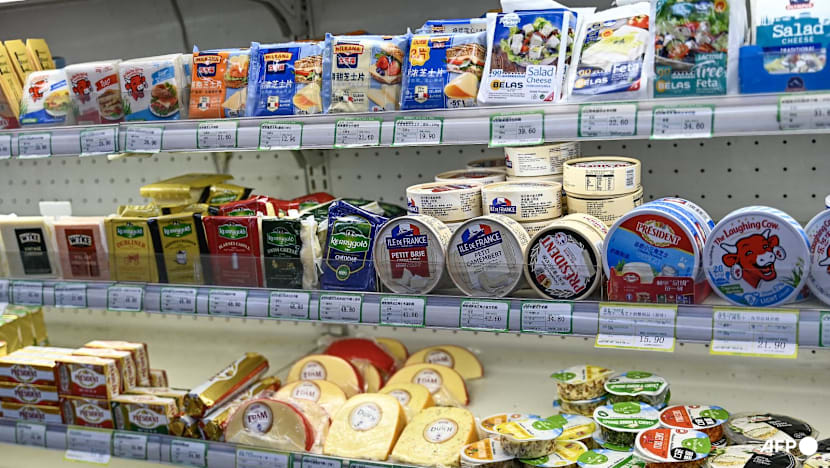
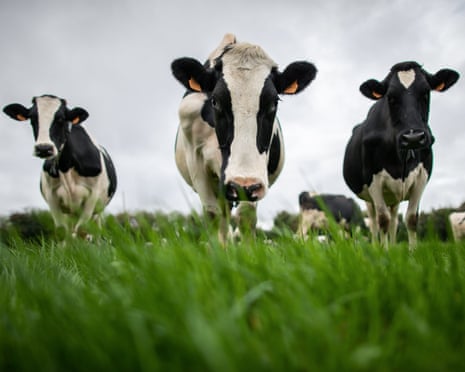
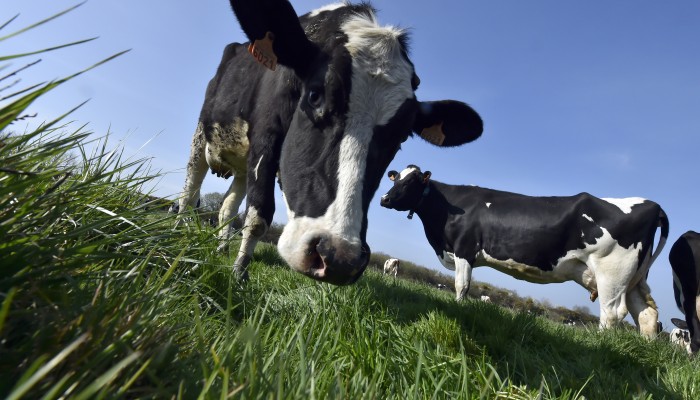
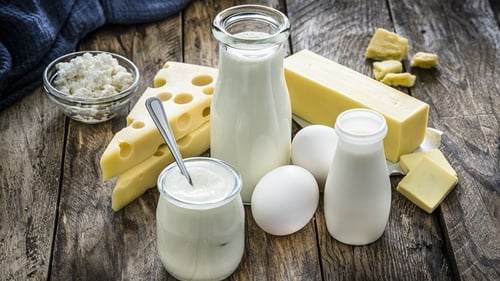
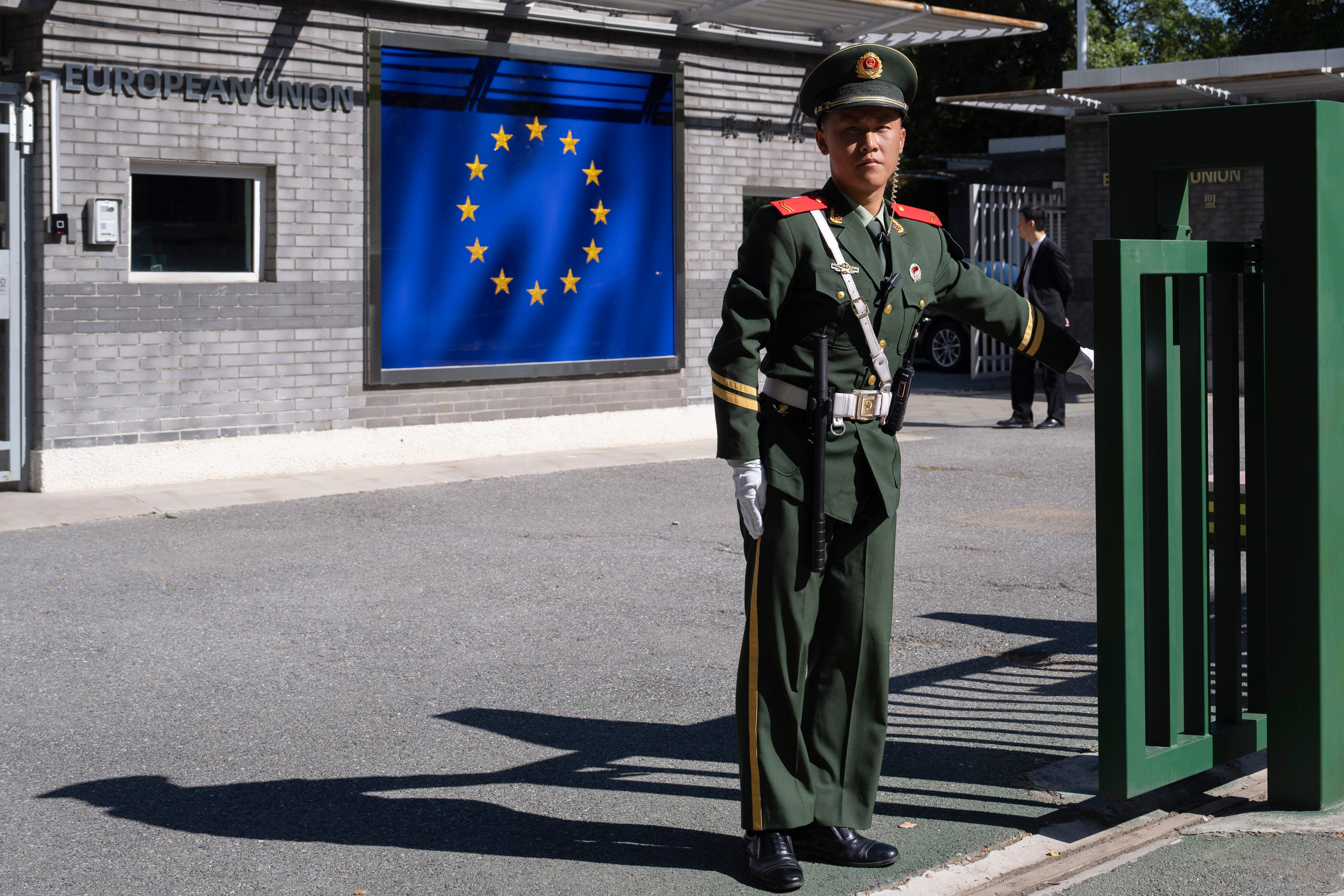
The trade conflict between China and the European Union has entered a new phase of strategic economic confrontation, with China's recent imposition of targeted dairy tariffs revealing a complex geopolitical chess match. Effective December 23, China has implemented punitive tariffs ranging from 21.9% to 42.7% on European dairy products, a move that goes far beyond simple economic protection and signals a sophisticated retaliatory strategy.
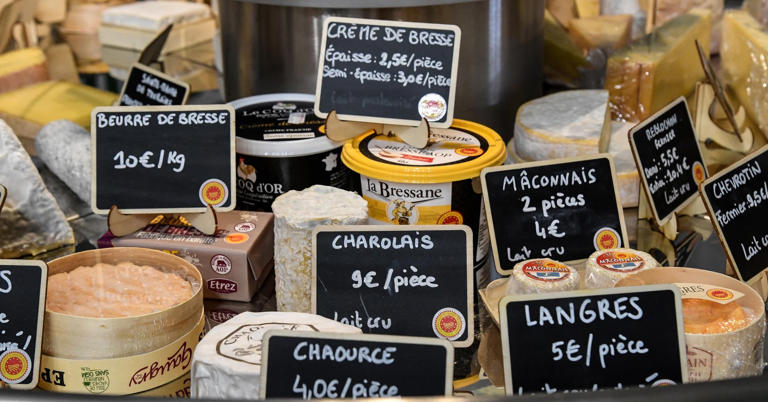
Tariff Weaponization emerges as the core dynamic in this escalation. By strategically targeting iconic European products like Roquefort cheese and implementing variable tariff rates based on companies' cooperation levels, China is demonstrating a nuanced approach to trade pressure. The tariffs are not just economic instruments but diplomatic signals—companies collaborating with the investigation face lower 28.6% rates, while uncooperative firms are hit with the maximum 42.7% penalty.
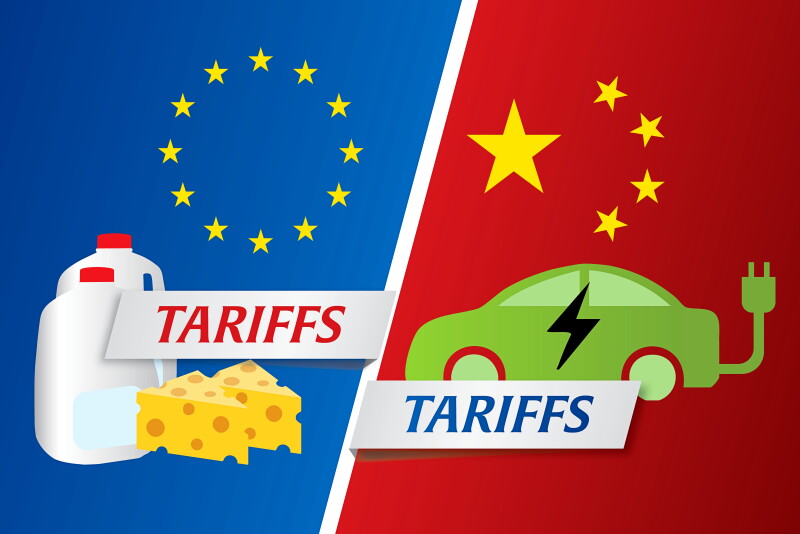
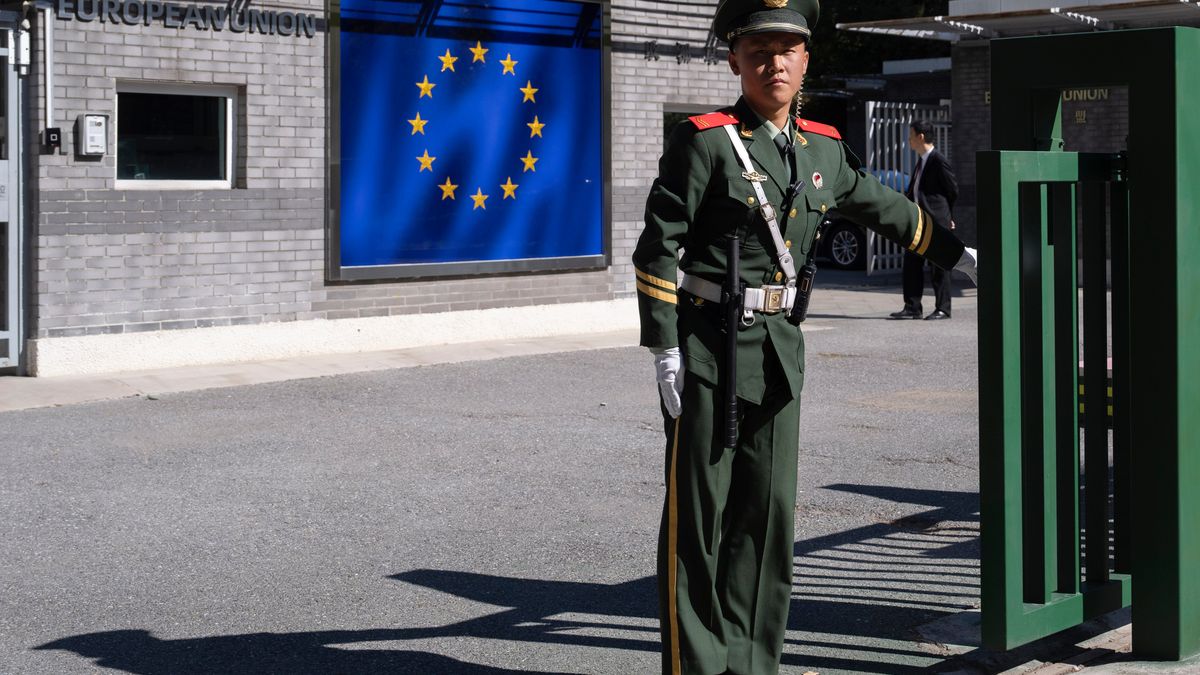
The broader context reveals a systematic trade tension extending beyond dairy. This action follows the EU's 45% tariffs on Chinese electric vehicles in October, suggesting a tit-for-tat escalation that transforms trade policy into geopolitical messaging. For approximately 60 European dairy exporters like Arla Foods and FrieslandCampina, these duties represent a significant market access challenge, potentially making their products prohibitively expensive in the Chinese market.
Critically, China's move comes amid domestic dairy industry challenges—milk oversupply, declining birth rates, and cost-conscious consumers. These tariffs provide a strategic lifeline to domestic producers, protecting them from what China perceives as unfair European agricultural subsidies. The World Trade Organization is already drawn into these tensions, with the European Commission lodging formal complaints.
The implications extend far beyond dairy. This represents a broader protectionist trend where major economic powers increasingly use trade policy as a geopolitical lever. Cross-border e-commerce sellers and agricultural exporters must recognize that market access is no longer just an economic calculation but a complex diplomatic negotiation.
Strategically, these tariffs suggest that economic interdependence is giving way to a more confrontational international trade environment. Companies must now navigate not just market economics, but intricate political risk landscapes where tariffs are weapons and negotiations are multidimensional strategic games.
問題 4
What should cross-border sellers do in response?
Sellers must closely monitor these developments, assess potential financial impacts, and develop flexible market entry strategies. This might include exploring alternative markets, adjusting product positioning, or preparing for potential future trade policy shifts.
How will these tariffs impact European dairy exporters?
Approximately 60 European dairy companies will face tariffs between 21.9% and 42.7%, potentially making their exports prohibitively expensive in the Chinese market. This could force companies to seek alternative markets or dramatically adjust pricing strategies.