




Copper's Global Supply Crunch: The $15,000 Per Ton Inflection Point
- Unprecedented market transformation signals critical shifts in global industrial infrastructure and green technology investments



















概览
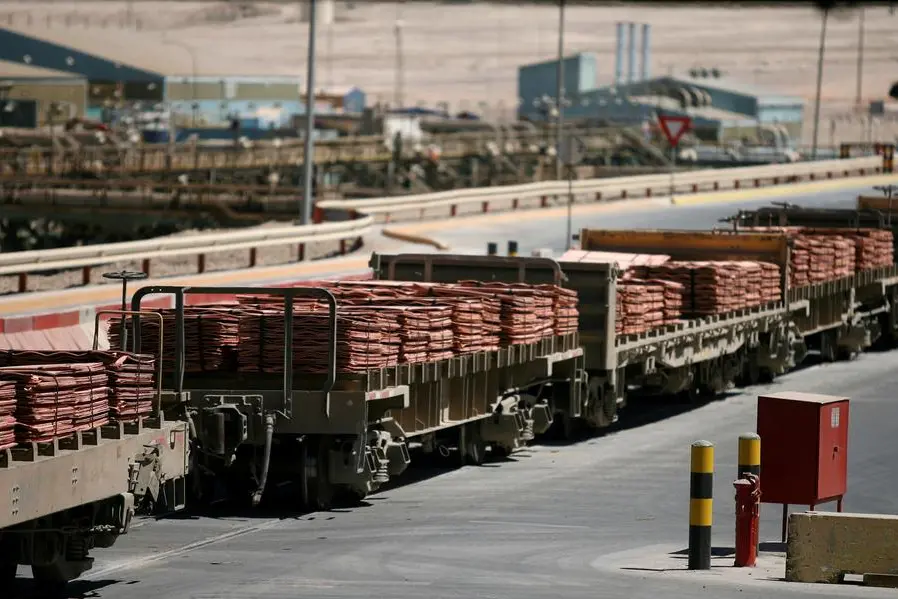
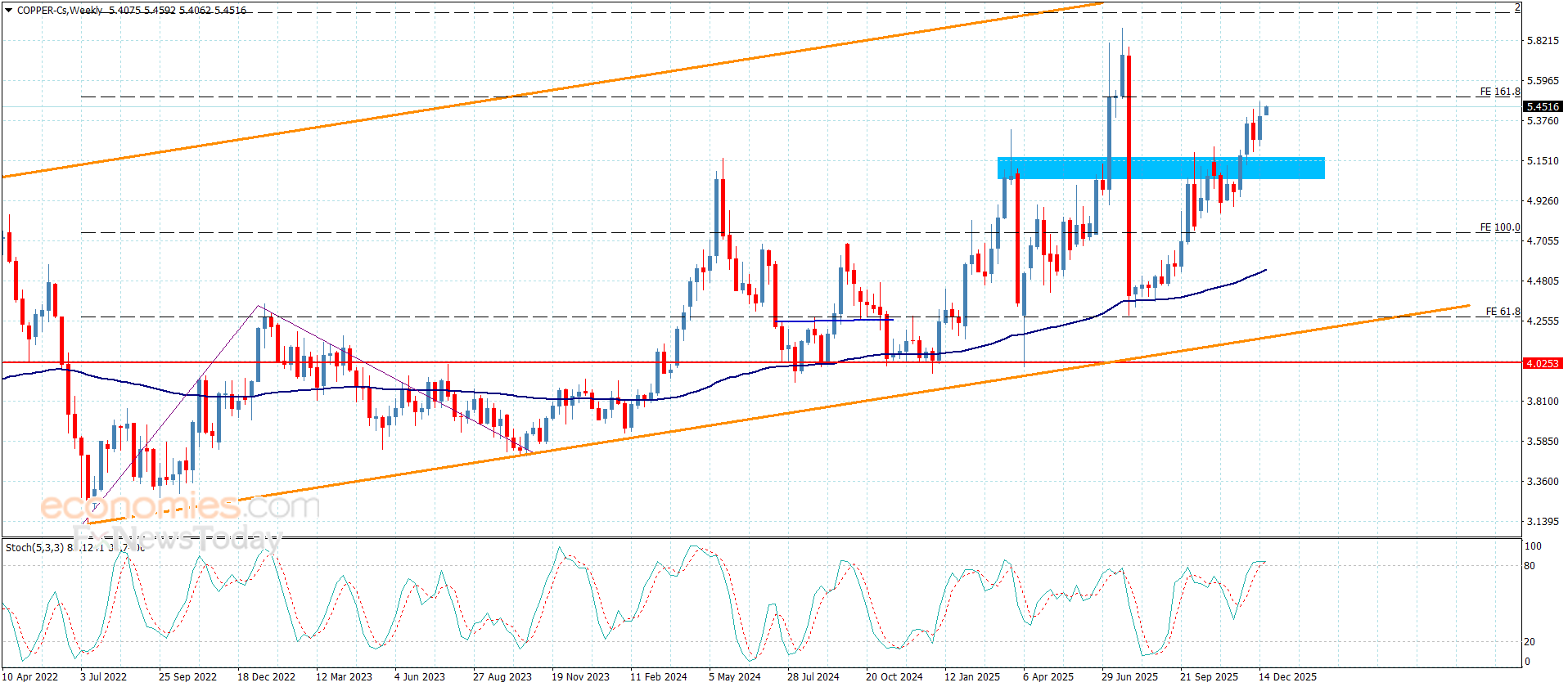
The global copper market is experiencing a transformative moment, poised at the intersection of technological revolution and structural supply constraints. With prices potentially climbing toward $15,000 per ton by 2026, the metal has become far more than a commodity—it's a strategic indicator of global economic transition.
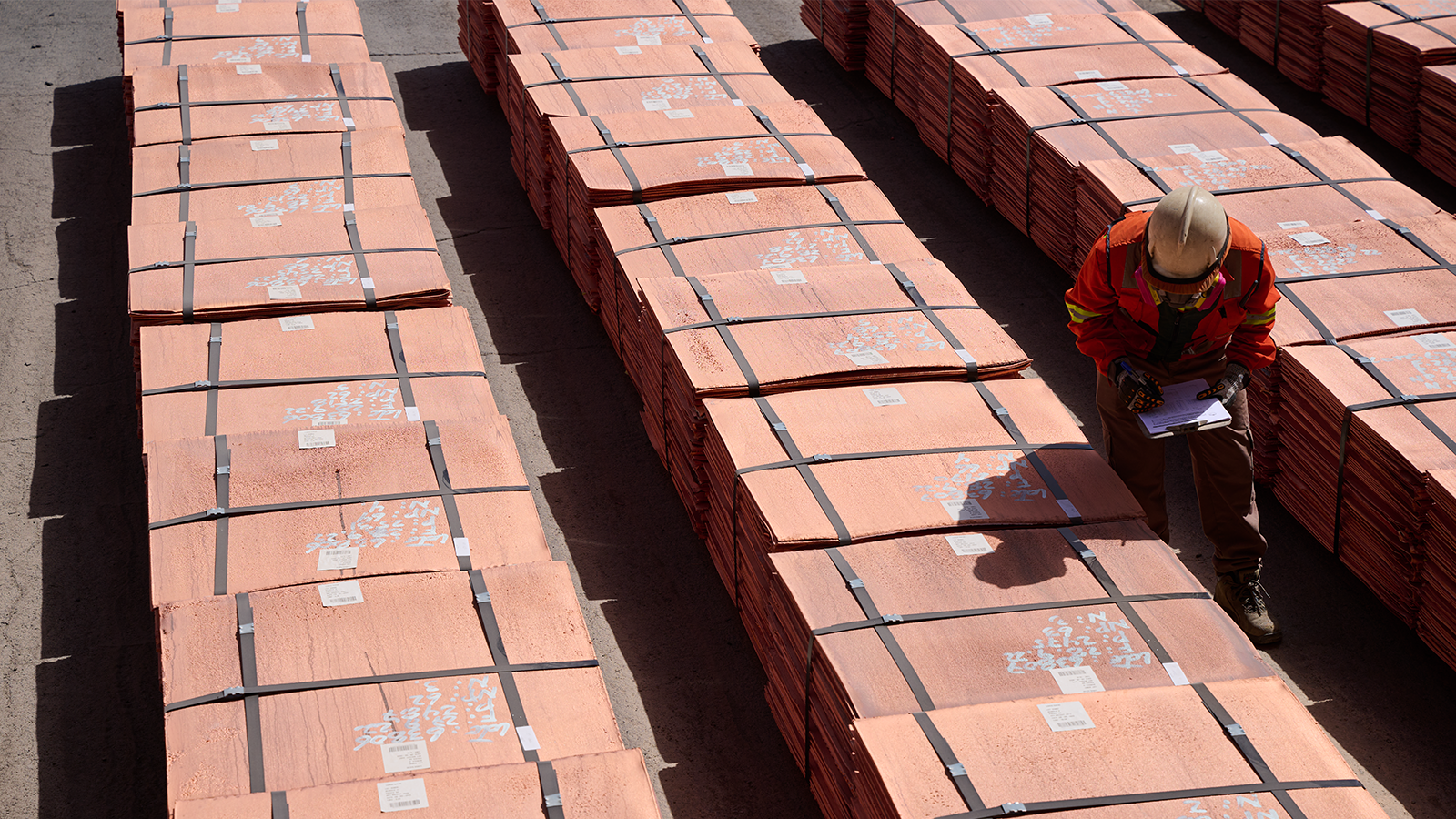
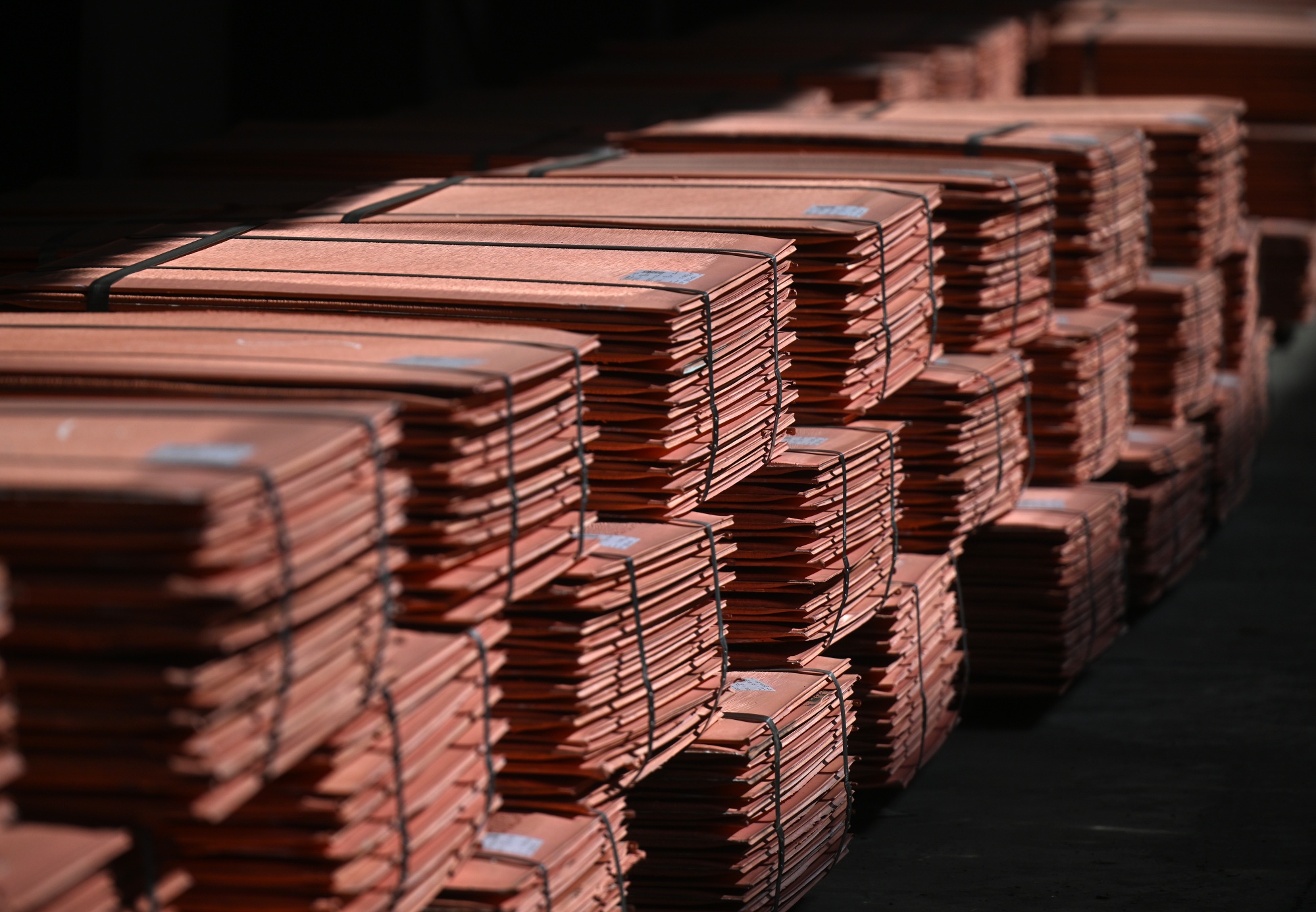
Supply dynamics are driving this unprecedented volatility. Major mining disruptions across key global sites like Grasberg in Indonesia, Kamoa-Kakula in DRC, and El Teniente in Chile have significantly constrained production. Benchmark Minerals reveals an unusual market condition: approximately 730,000 to 830,000 tonnes of 'economically trapped' copper material are currently stored in US warehouses, creating complex market distortions.
The long-term projection is even more striking. BloombergNEF predicts copper demand for energy transition could triple by 2045, potentially entering a structural deficit as early as 2026. Without significant new project investments and recycling efforts, this deficit could reach a staggering 19 million tonnes by 2050. BHP's CEO Mike Henry emphasizes that minimal supply disruptions can rapidly escalate prices, highlighting the market's fragile equilibrium.
This isn't just about price speculation—it's a fundamental restructuring of industrial infrastructure. The copper market represents a 300-400 billion per annum ecosystem critical for decarbonization technologies, digital transformation, and renewable energy systems. Electric vehicle production, advanced electronics, and green infrastructure are driving unprecedented demand, transforming copper from a traditional industrial metal to a strategic technological enabler.
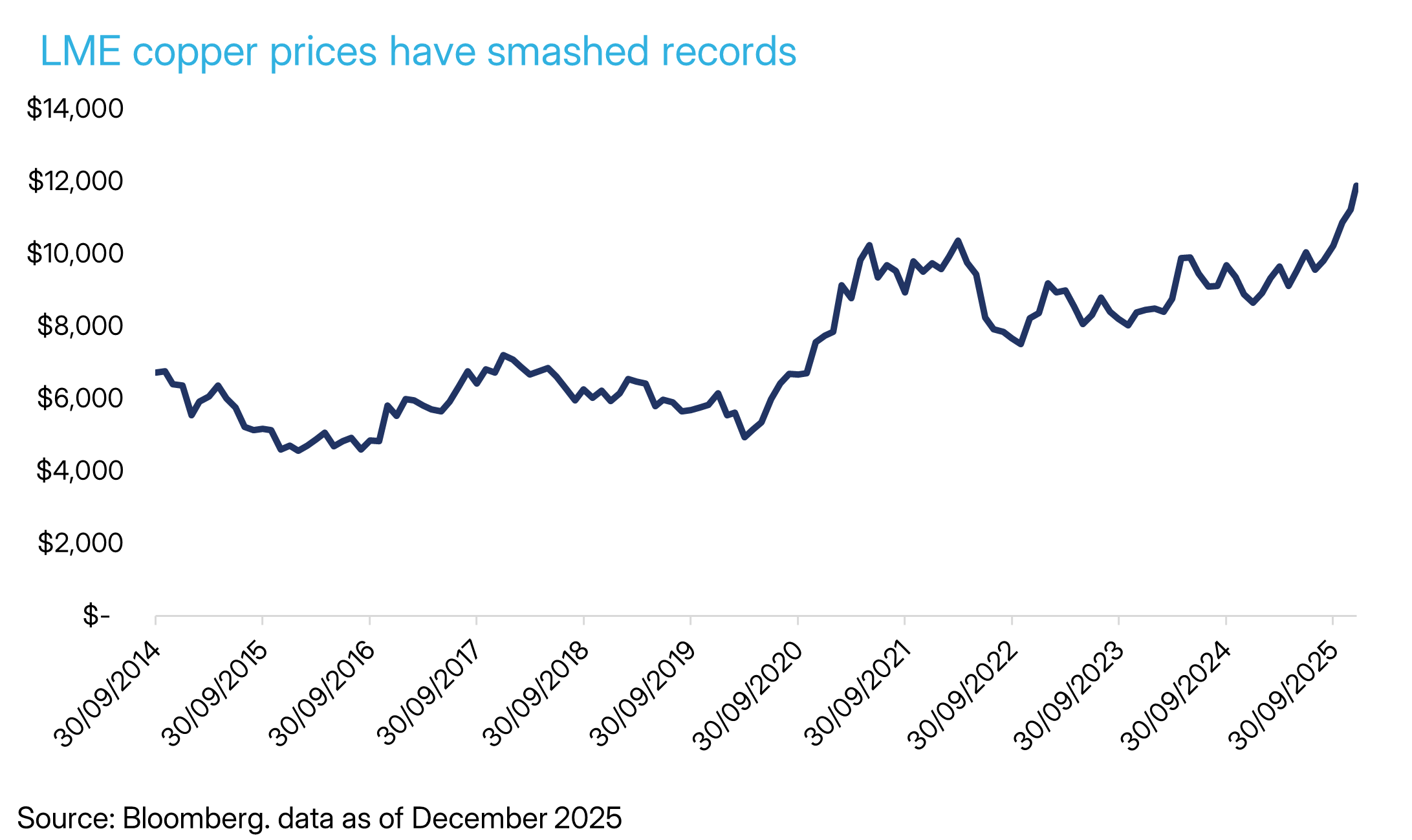
Investors and industry leaders are rapidly repositioning. Major mining companies like Anglo American, BHP, and Glencore are increasing capital expenditures to address future supply challenges. The London Metal Exchange has witnessed significant price movements, with copper climbing 36% in 2025, signaling substantial investor and industrial interest.
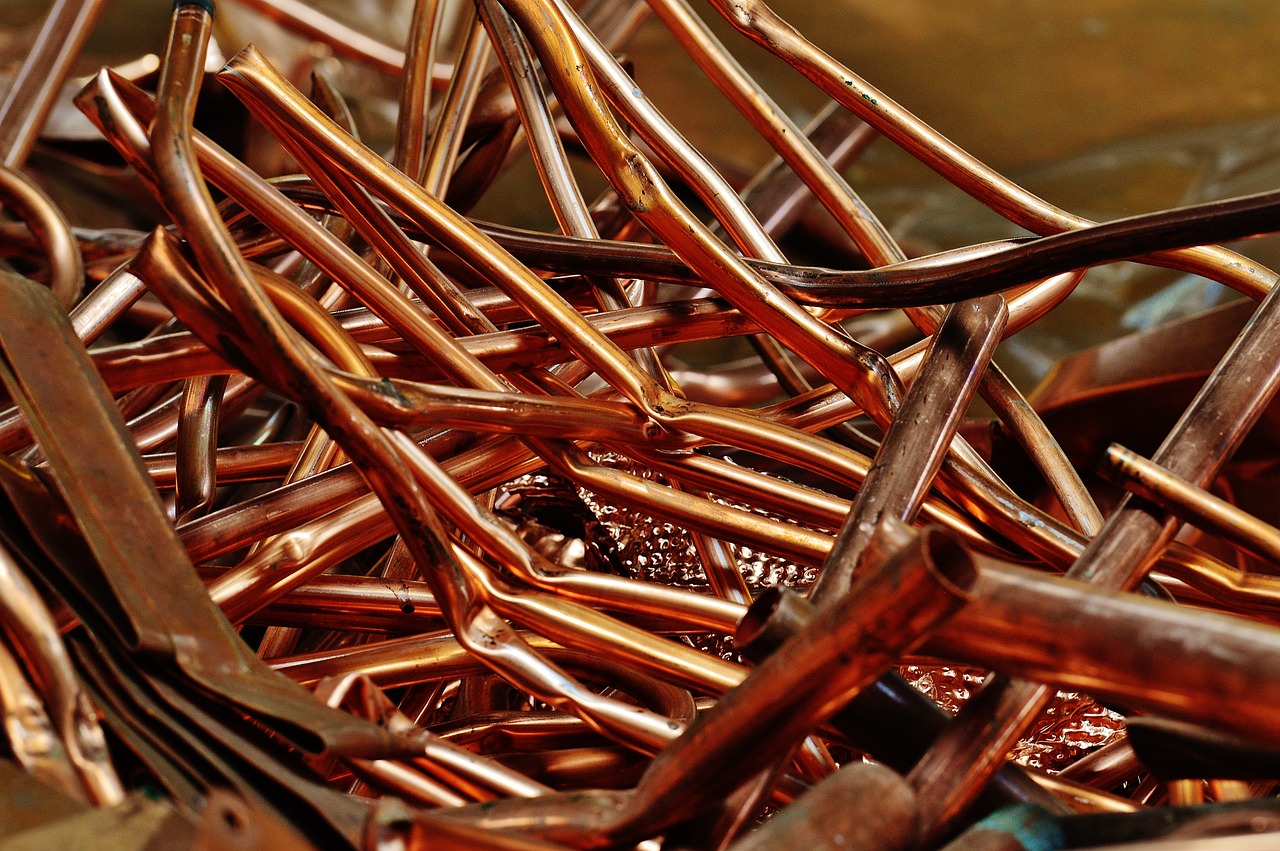
Strategic implications are profound: the market is transitioning from slight oversupply to significant bottlenecks. Substitution strategies like using aluminum and increased scrap recycling might moderate price pressures, but cannot fully address the structural supply constraints emerging from diminishing mining opportunities and increasing technological demand.
問題 3
Why are copper prices expected to reach such unprecedented levels?
Copper prices are driven by a perfect storm of supply constraints, including major mining disruptions, diminishing new mine discoveries, and exponential demand from green technologies like electric vehicles and renewable infrastructure. BloombergNEF projects copper demand could triple by 2045, creating a potential 19 million tonne supply deficit by 2050.
How are global manufacturers adapting to these copper market changes?
Manufacturers are exploring substitution strategies like using aluminum and increasing scrap recycling. Major mining companies such as BHP are increasing capital expenditures to address supply challenges, while technology companies are redesigning products to optimize copper usage or find alternative materials.