



Diplomatic Purge Signals Unprecedented Political Realignment in U.S. Foreign Service
- Mass Ambassador Recall Reveals Deep Tensions in Diplomatic Institutional Governance










概览
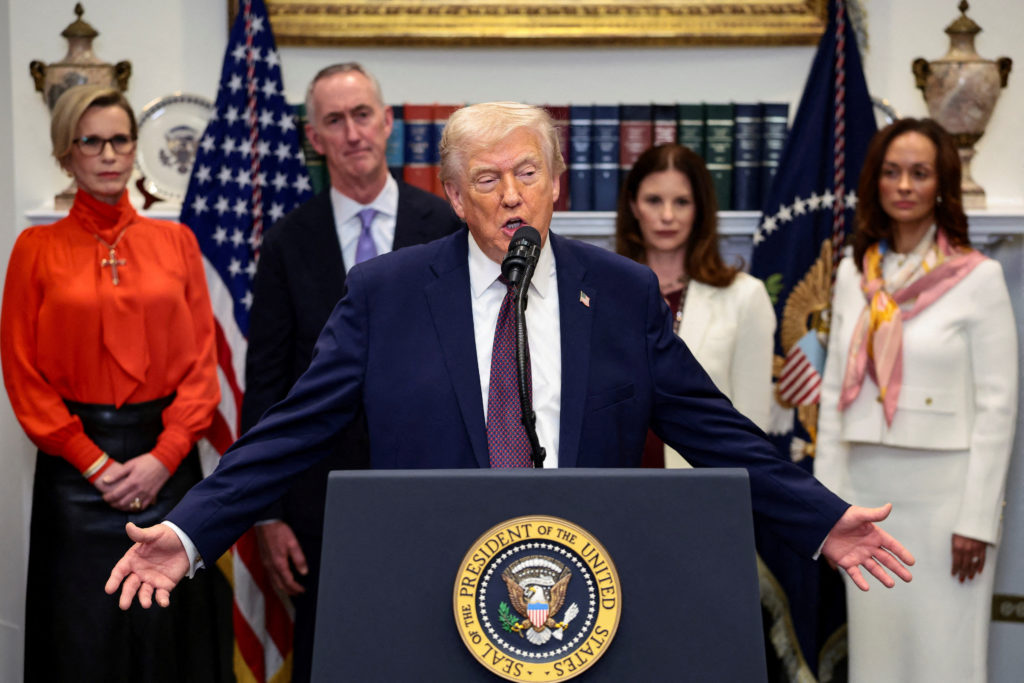
The Trump administration's abrupt recall of nearly 30 career ambassadors represents a seismic disruption in U.S. diplomatic infrastructure, exposing profound tensions between political leadership and the professional foreign service corps. This unprecedented move goes far beyond a standard administrative transition, signaling a deliberate strategy to fundamentally reshape the diplomatic apparatus through personnel engineering.
Systematic Displacement Strategy: The recall targets ambassadors across 29 countries, with Africa (13 countries) and Asia (6 countries) bearing the brunt of this diplomatic restructuring. By forcibly reassigning career diplomats appointed during the Biden administration, the administration is executing a surgical recalibration of diplomatic personnel to align with the 'America First' ideological framework.
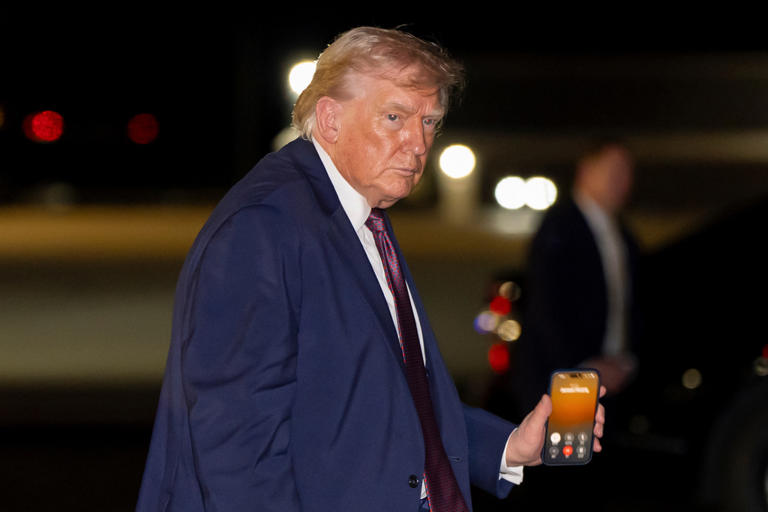
The recall's methodology is particularly noteworthy. Ambassadors received abrupt notifications, typically through phone calls, and were given just 90 days to find alternative positions within the State Department or face mandatory retirement. This approach sharply deviates from longstanding diplomatic protocols, which traditionally respected the institutional knowledge and continuity provided by career professionals.
The geopolitical implications are profound. By creating leadership vacuums in critical diplomatic posts worldwide—including strategic locations like Burundi, Cameroon, Fiji, Laos, and Guatemala—the administration is potentially undermining years of carefully cultivated international relationships. The American Foreign Service Association has strongly criticized this move, arguing that it represents an unprecedented assault on the professional diplomatic corps.
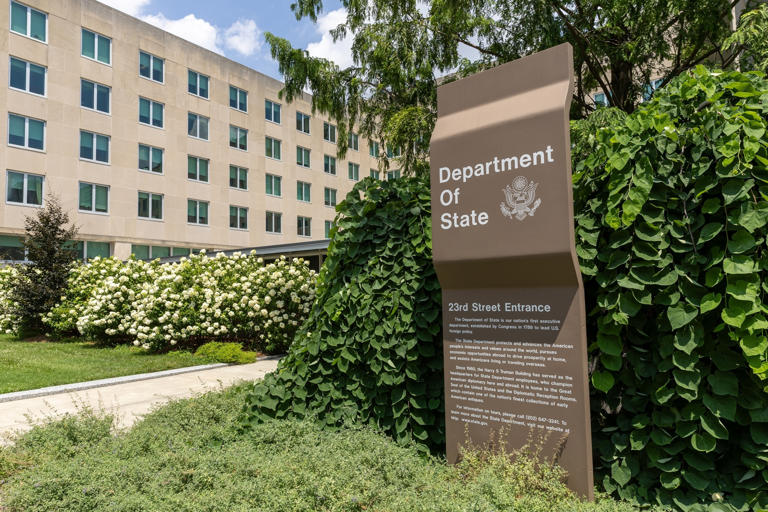
Underlying this recall is a deeper ideological conflict. The Trump administration views career diplomats as part of a perceived 'deep state' that resists political realignment. Secretary of State Marco Rubio's previous actions—including downsizing the department by 1,300 employees—demonstrate a systematic approach to dismantling existing diplomatic infrastructure.
The broader context suggests this is not merely an administrative shuffle, but a calculated effort to reconstruct the diplomatic service's institutional culture. By prioritizing political alignment over professional expertise, the administration is signaling a radical reimagining of how U.S. diplomatic representation should function in an increasingly complex global landscape.
問題 3
How unusual is this diplomatic personnel move?
This is extraordinarily unprecedented. The American Foreign Service Association confirms that such a comprehensive recall of career ambassadors mid-tour has never occurred in the history of the U.S. Foreign Service, making it a radical departure from established diplomatic transition practices.
What are the potential consequences of this mass diplomatic recall?
The recall could create significant leadership vacuums in critical diplomatic posts worldwide, potentially destabilizing existing international relationships. It also risks undermining the institutional knowledge and professional continuity of the U.S. Foreign Service.