






Amazon's Strategic Smartphone Pricing Warfare Reshapes Holiday Tech Market
- Unprecedented Pixel 10 Discounts Signal Aggressive E-Commerce Competition for Consumer Electronics
















概览
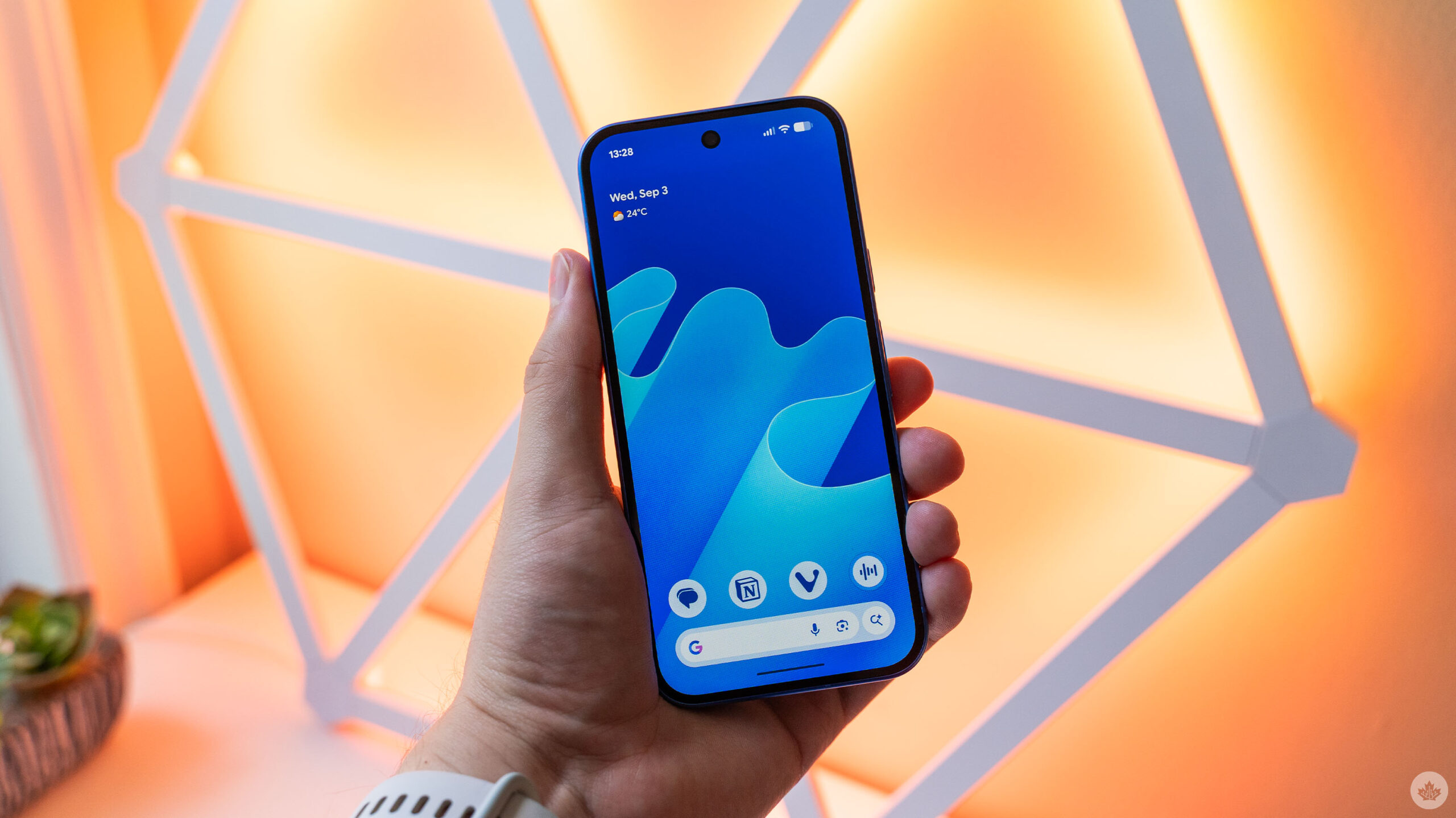
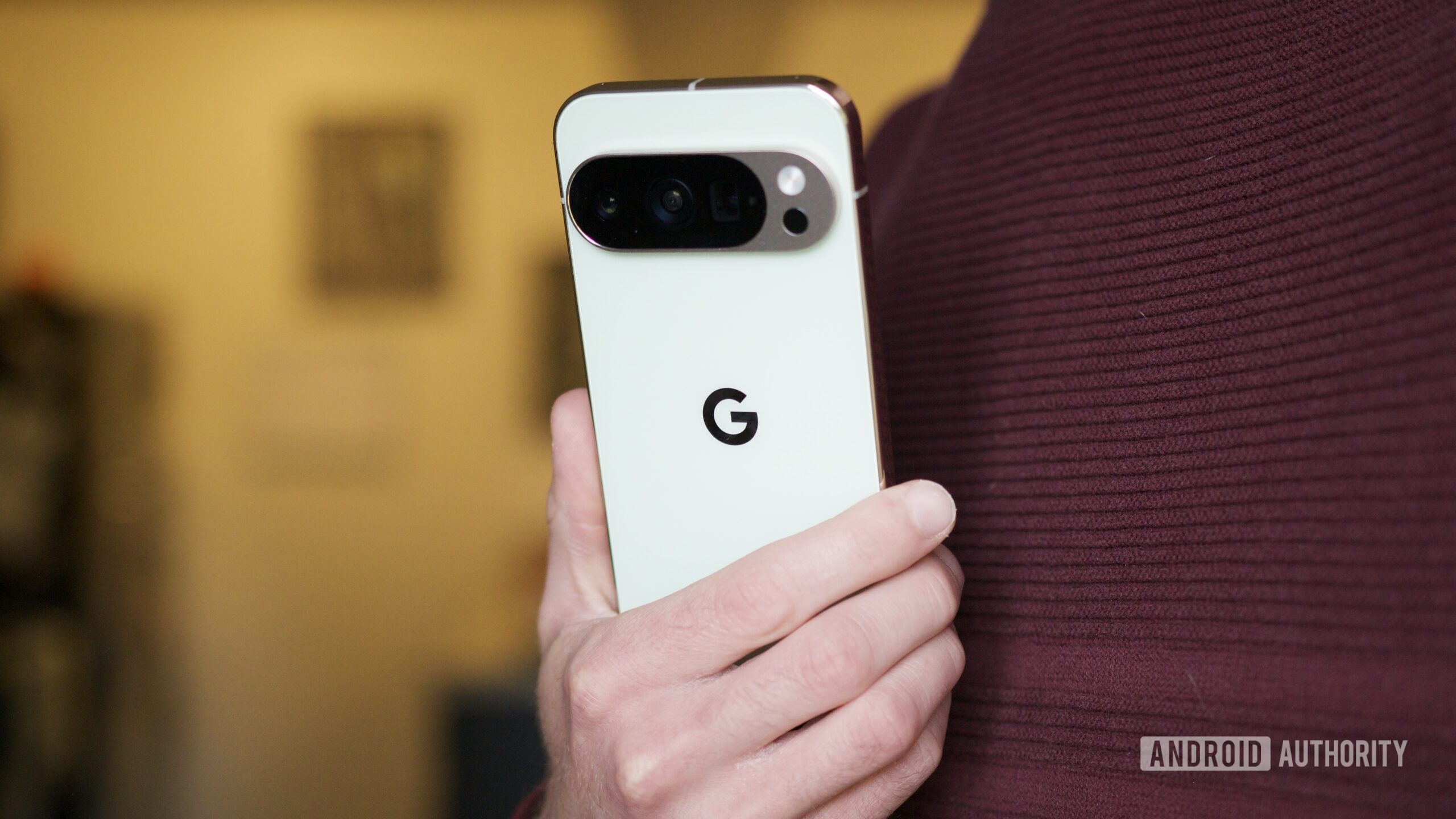
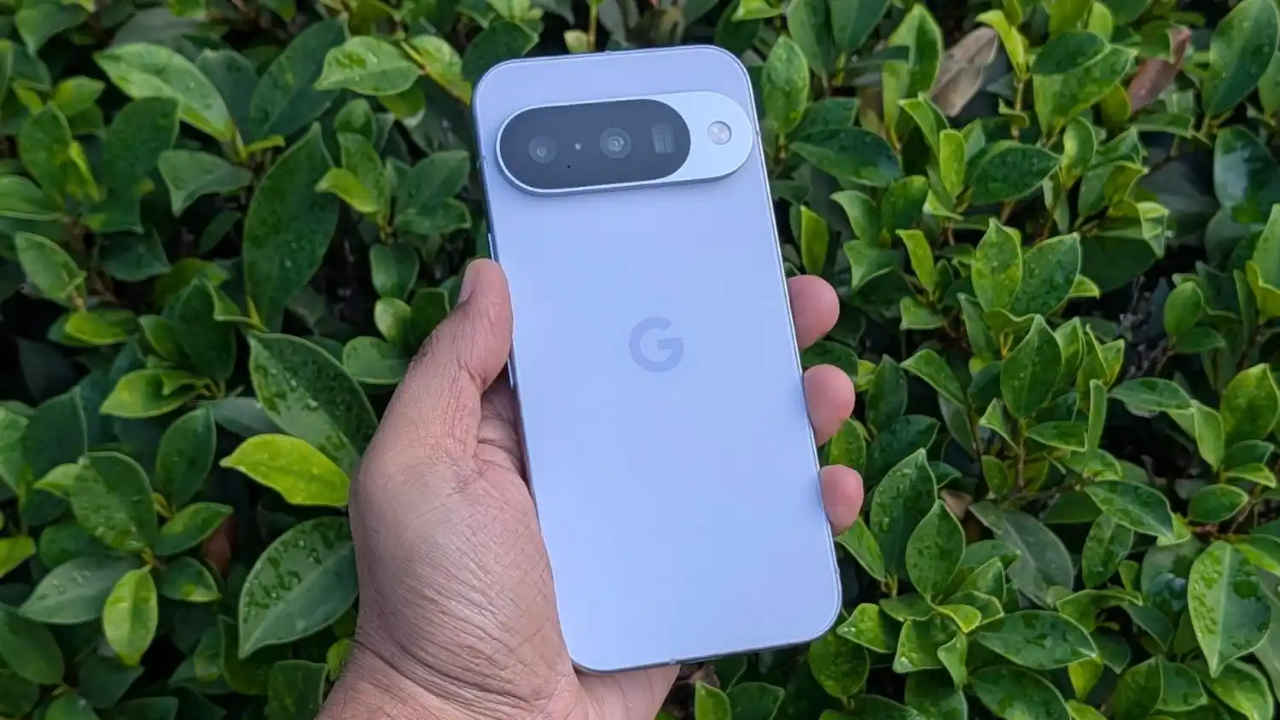
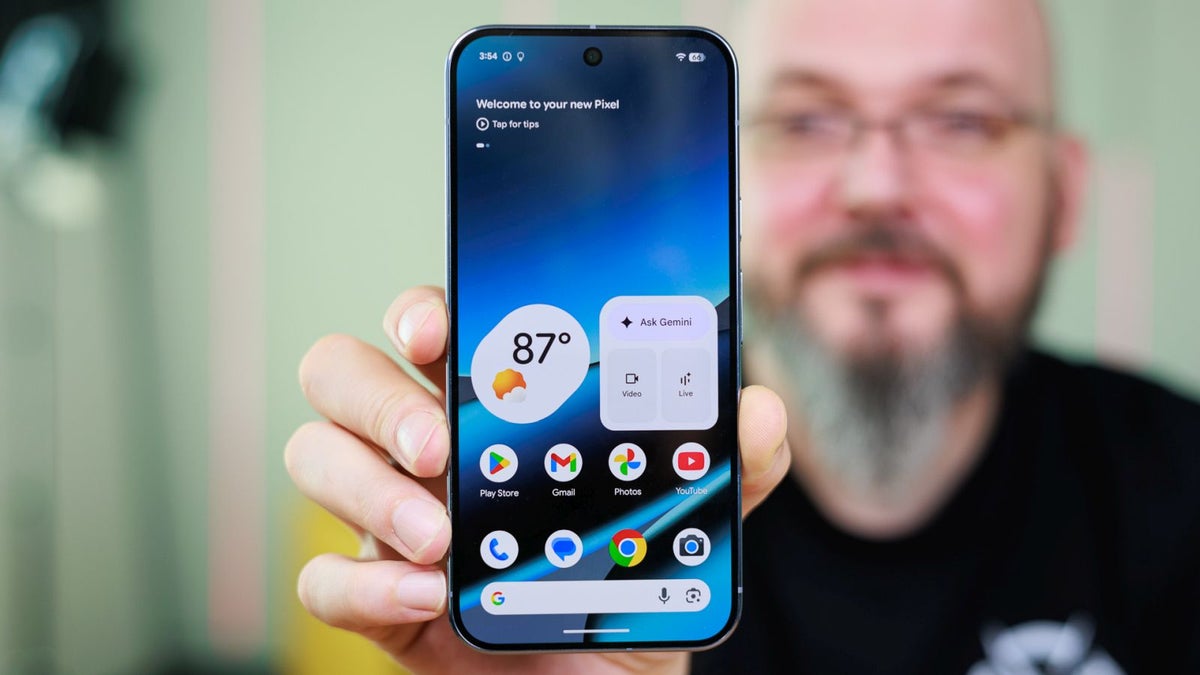
The smartphone market is experiencing a seismic shift as Amazon launches an unprecedented pricing strategy that challenges traditional flagship device economics. By offering the Google Pixel 10 at a jaw-dropping 45% discount, Amazon is not just selling a device—it's rewriting the rules of digital marketplace competition.
The core of this strategic maneuver lies in the pricing dynamics: the Pixel 10, originally priced at $799, is now available for a mere $449 after coupon, representing a $350 price reduction. This isn't just a sale; it's a calculated move that signals deeper market transformations. The discount extends across the entire Pixel lineup, with the Pro model dropping from $1,099 to $749, creating a compelling value proposition that disrupts traditional smartphone pricing models.
What makes this strategy particularly fascinating is its multi-layered approach. Beyond pure price reduction, Amazon is leveraging strategic timing (last-minute holiday shopping) and comprehensive ecosystem discounting. The deal includes not just the Pixel 10, but a range of Google products like the Pixel Watch 4 LTE and Pixel Buds Pro 2, creating a holistic purchasing environment that maximizes consumer attraction.
For digital marketers and e-commerce strategists, this represents a masterclass in platform arbitrage. Amazon is essentially using aggressive pricing to:
- Clear potential inventory backlog
- Attract price-sensitive holiday shoppers
- Potentially gain market share from competitors like Apple and Samsung
- Demonstrate platform power by dictating smartphone market dynamics
The technological underpinnings make this strategy even more intriguing. The Pixel 10 isn't just cheap—it's feature-rich, sporting Google's Tensor G5 chipset, 12GB RAM, Android 16, and Gemini AI integration. This means consumers aren't just getting a discounted phone; they're accessing cutting-edge technology at mid-range pricing.
The broader implication is a fundamental shift in how premium technology is marketed and sold. Traditional flagship pricing models are being challenged, with platforms like Amazon using data-driven, algorithmically optimized pricing strategies to create new market dynamics.
問題 4
Why is Amazon offering such deep discounts on the Pixel 10?
Amazon's strategy likely involves multiple objectives: clearing potential inventory, attracting holiday shoppers, gaining market share, and demonstrating platform pricing power. The deep discounts create a compelling value proposition that can disrupt traditional smartphone market dynamics.
How significant are these Pixel 10 price reductions?
The discounts are substantial—the base Pixel 10 drops from $799 to $449, representing a 45% price reduction. This isn't just a minor sale, but a strategic repositioning of a flagship device into a more accessible price bracket.