

Maritime Logistics Unpredictability Exposed: When Lifeboats Go Rogue
- Unexpected Vessel Separation Reveals Critical Supply Chain Vulnerabilities



概览
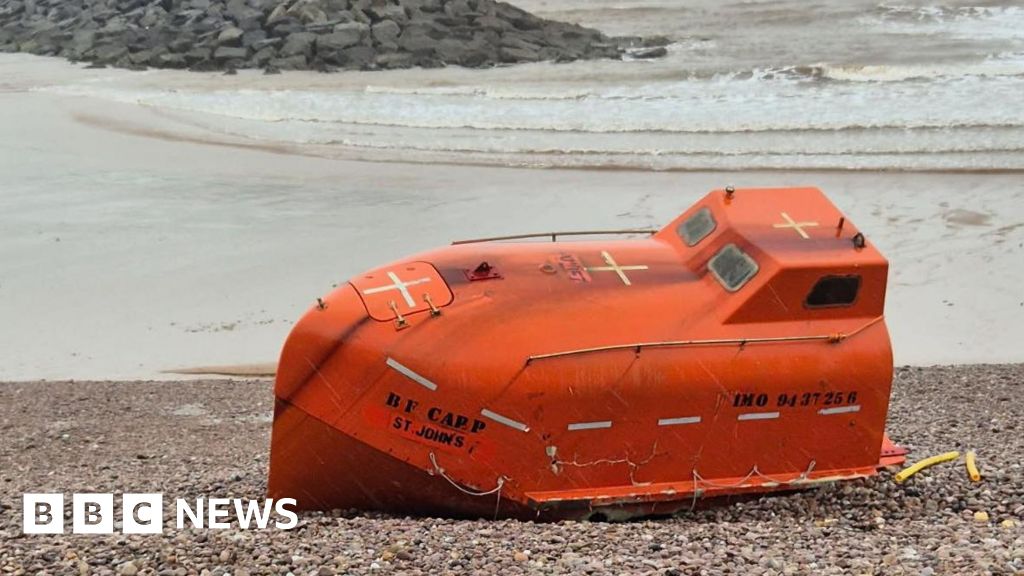
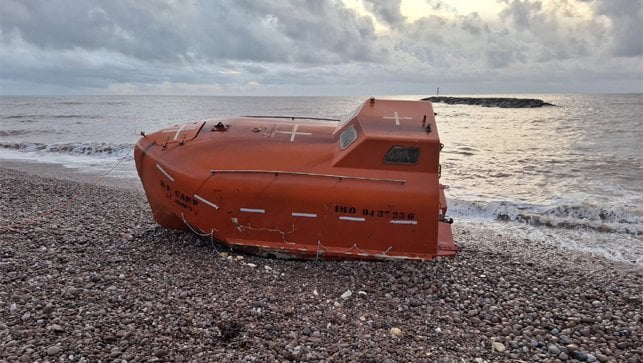
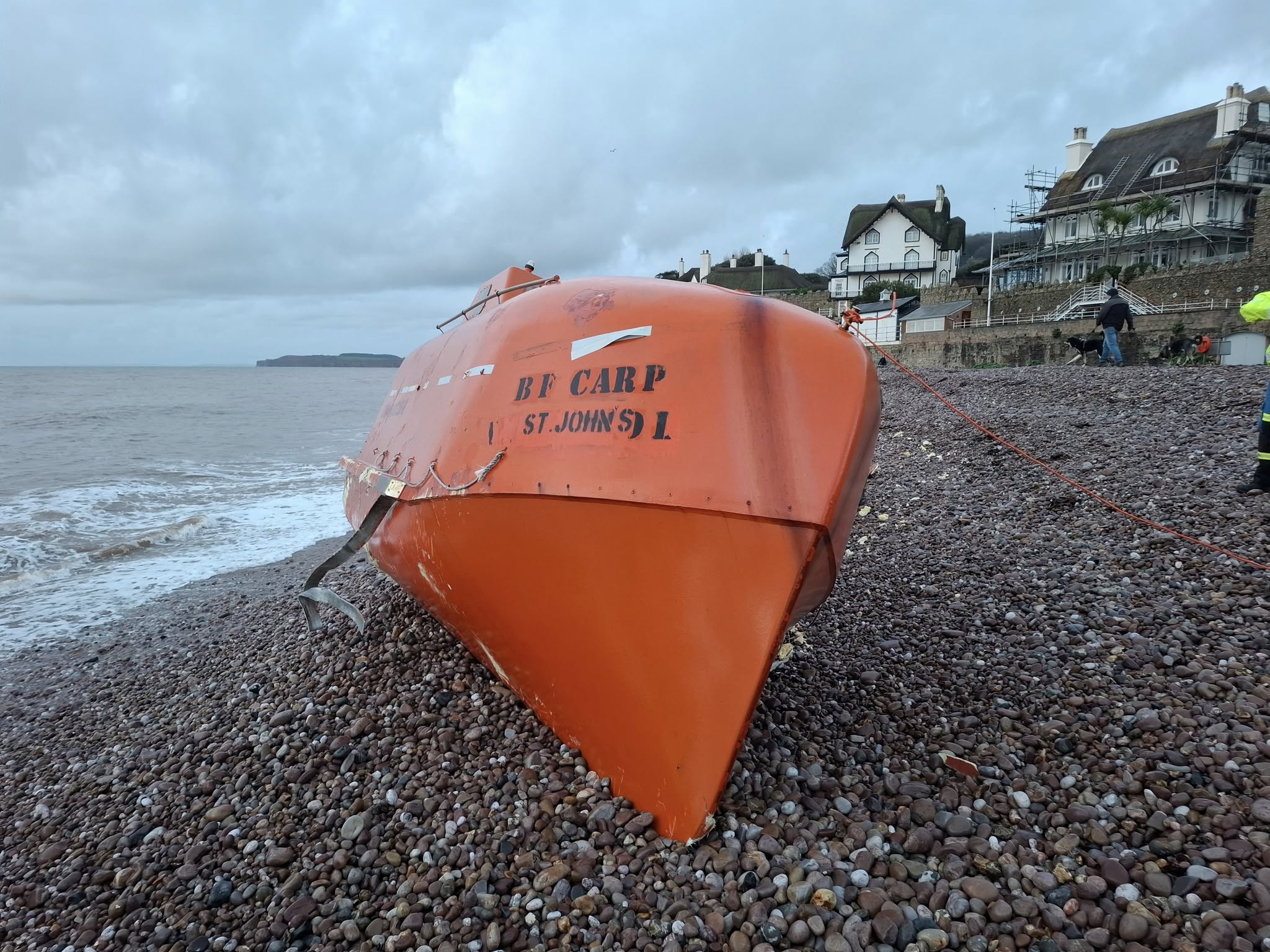
The unexpected beaching of a container ship's lifeboat on Sidmouth Beach unveils critical vulnerabilities in maritime logistics and emergency response systems. Vessel tracking data from the containership BF CARP reveals a complex narrative of maritime unpredictability, where a single piece of safety equipment can become a logistical enigma.
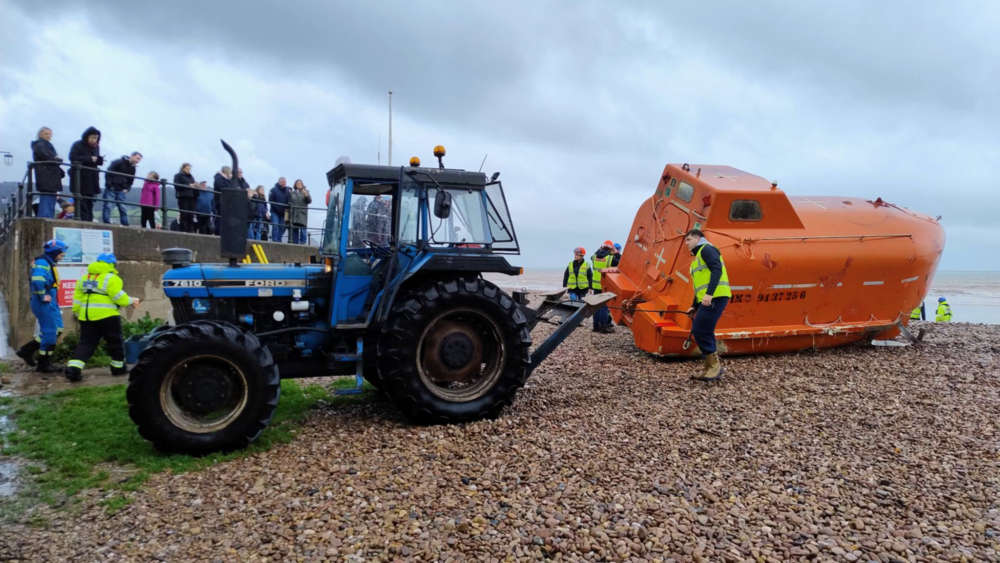
Maritime Safety Protocols were immediately tested when the lifeboat, originally part of a vessel traveling from Antwerp to Morocco, mysteriously detached and washed ashore. The incident highlights the intricate challenges of ocean transportation, where vessels can experience unexpected equipment separation despite advanced tracking and safety technologies. The Beer Coastguard Rescue Team's swift response—using a tractor to secure the lifeboat and prevent tide-related damage—demonstrates the critical importance of local emergency preparedness.
Logistics Vulnerability Analysis suggests multiple potential risk factors. The lifeboat's extensive fiberglass hull damage indicates a potentially dramatic separation from its parent vessel, raising questions about maritime equipment maintenance, securing protocols, and the inherent unpredictability of cross-channel shipping routes. The involvement of multiple authorities—including Devon and Cornwall Police, the Receiver of Wrecks, and the Environmental Agency—underscores the systemic complexity of managing such maritime incidents.
The strategic implications are profound for international shipping companies. This event serves as a critical case study in equipment tracking, emergency response coordination, and the need for robust contingency planning. Shipping firms must now reassess their lifeboat securing mechanisms, conduct more rigorous equipment inspections, and develop more comprehensive emergency protocols that account for potential vessel component detachment.
Ultimately, this incident is a stark reminder that maritime logistics operates in an environment of constant uncertainty, where even the most carefully planned routes can be disrupted by seemingly minor equipment failures. The ability to respond quickly, coordinate effectively, and learn from such unexpected events will be crucial for maintaining the reliability and safety of global maritime transportation networks.
問題 3
What are the potential risks of such maritime equipment separation?
Risks include navigational hazards, potential environmental damage, loss of critical safety equipment, and disruptions to shipping logistics. This incident highlights the need for improved equipment tracking, securing protocols, and emergency response mechanisms.
How do maritime authorities respond to such unexpected incidents?
In this case, multiple agencies collaborated swiftly. The Beer Coastguard Rescue Team secured the lifeboat, preventing tide damage, while involving Devon and Cornwall Police, the Receiver of Wrecks, and the Environmental Agency to manage the incident comprehensively.