




Last-Minute Shopping Meets Delivery Revolution: Retailers Redefine Holiday Convenience
- Compressed Shopping Windows and On-Demand Services Reshape Consumer Holiday Purchasing Behaviors

概览
The holiday retail landscape is undergoing a dramatic transformation, with last-minute shopping becoming increasingly complex and technology-driven. The Christmas Eve 2025 retail scenario reveals a critical shift in how consumers access products during peak shopping periods, driven by compressed store hours and sophisticated delivery networks.
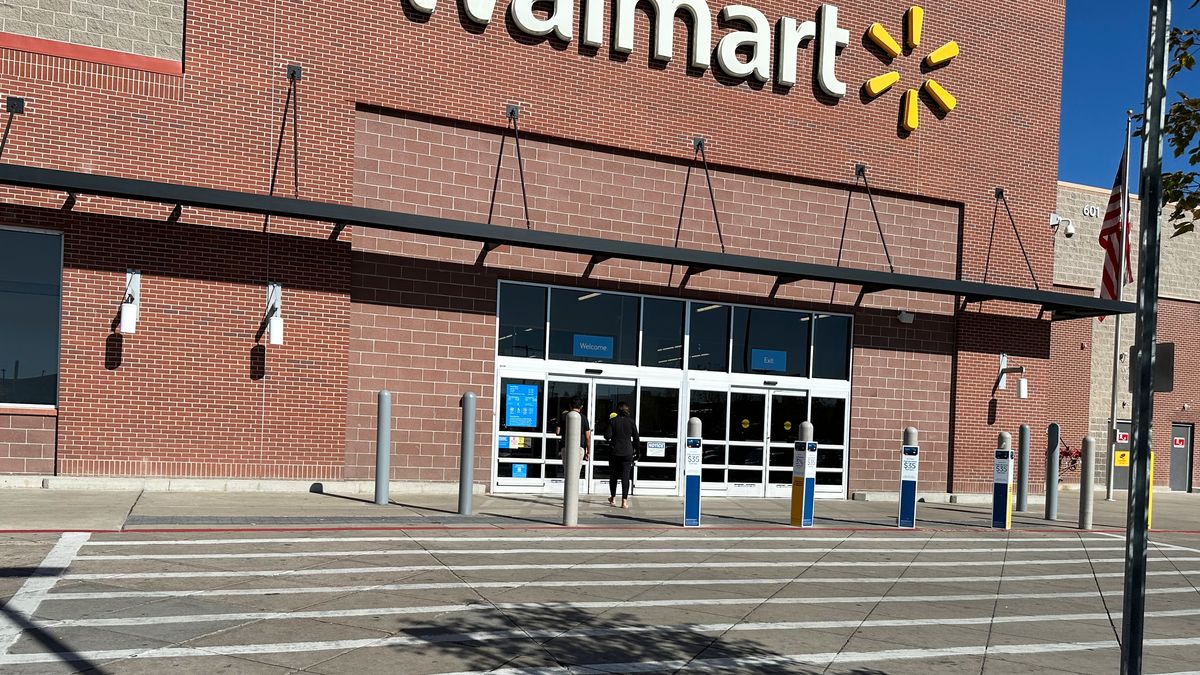
Retail Operational Compression emerges as a key strategic trend. Major retailers like Walmart, Target, Best Buy, and Costco are dramatically reducing their operational hours, typically closing between 5-8pm on December 24th. This condensed window creates both challenges and opportunities for consumers and businesses alike. Costco's tiered membership hours (9am-5pm for executive members, 10am-5pm for others) exemplify the nuanced approach retailers are taking to manage holiday traffic and operational efficiency.
Delivery Services as Strategic Differentiators are becoming increasingly sophisticated. Amazon's expansion to millions of same-day delivery items across 9,000 U.S. cities represents a fundamental reimagining of holiday shopping logistics. The emergence of on-demand services like Instacart, Shipt, DoorDash, and Uber demonstrates how technology is bridging the gap between traditional retail constraints and consumer convenience. Some services are even exploring Christmas Day delivery, signaling a radical departure from traditional retail models.
The underlying economic context is equally significant. Stretched household budgets are driving consumers toward more strategic, last-minute purchasing approaches. Retailers and delivery services are responding by offering increasingly flexible options, with specific cutoff times for same-day delivery and pickup services. Target's precise delivery windows (same-day orders by 3pm, Drive Up pickup by 6pm) illustrate the granular level of logistical planning now required in holiday retail.
This evolution suggests a broader transformation in retail strategy: from physical store-centric models to integrated, technology-driven shopping experiences that prioritize convenience, flexibility, and real-time responsiveness to consumer needs.
問題 3
How are retailers adapting their store hours for Christmas Eve 2025?
Major retailers are significantly reducing their operational hours, with most stores closing between 5-8pm on December 24th. Costco, for instance, offers differentiated hours for executive and standard members, while other retailers like Target and Best Buy have specific shortened hours to manage holiday shopping demand.
What delivery innovations are emerging for holiday shopping?
Delivery services are expanding dramatically, with Amazon offering same-day delivery across 9,000 U.S. cities. Companies like Instacart, Shipt, and DoorDash are providing increasingly flexible options, with some services even exploring Christmas Day delivery to meet consumer convenience needs.