


College Football's Coaching Carousel Reveals Resilience and Strategic Talent Repositioning
- Woodson's Transition Highlights Professional Adaptability in Collegiate Athletics
概览
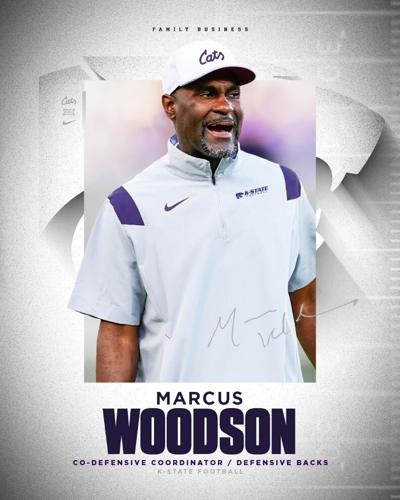
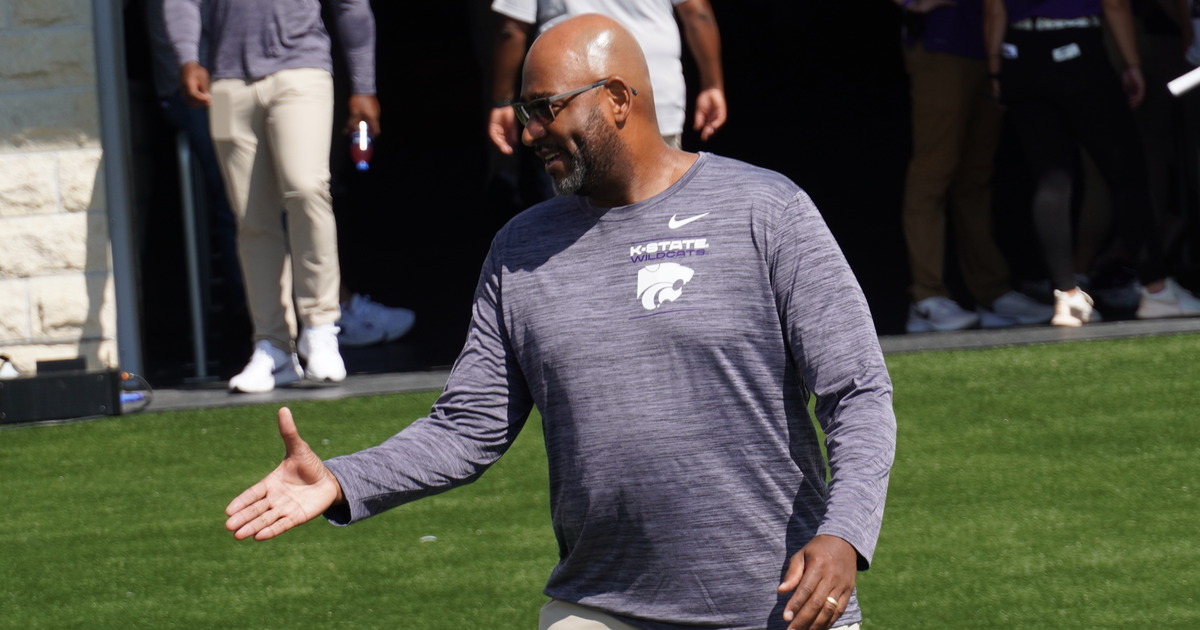
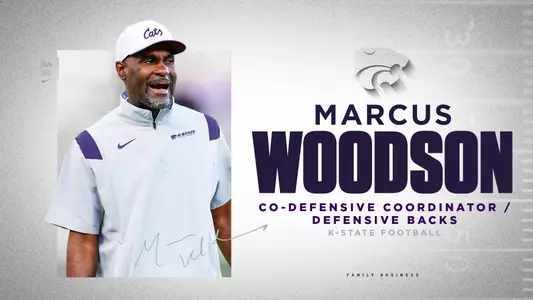
In the intricate world of collegiate athletics, coaching transitions represent more than mere personnel changes—they are strategic chess moves revealing deeper dynamics of professional resilience and institutional adaptation. The recent hiring of Marcus Woodson as Kansas State's co-defensive coordinator encapsulates a nuanced narrative of professional reinvention after experiencing professional setbacks.
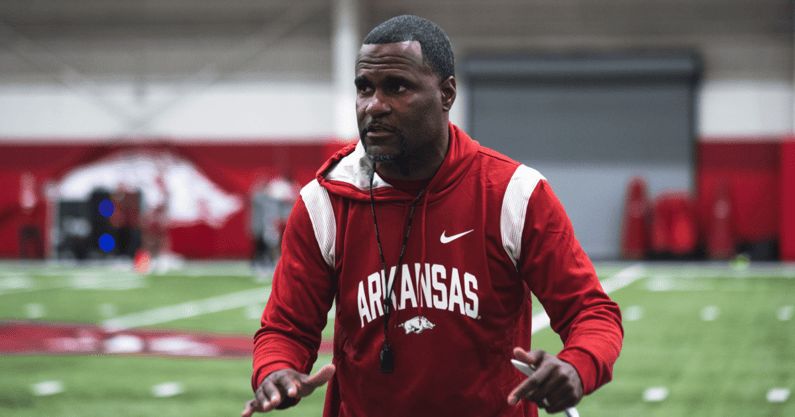
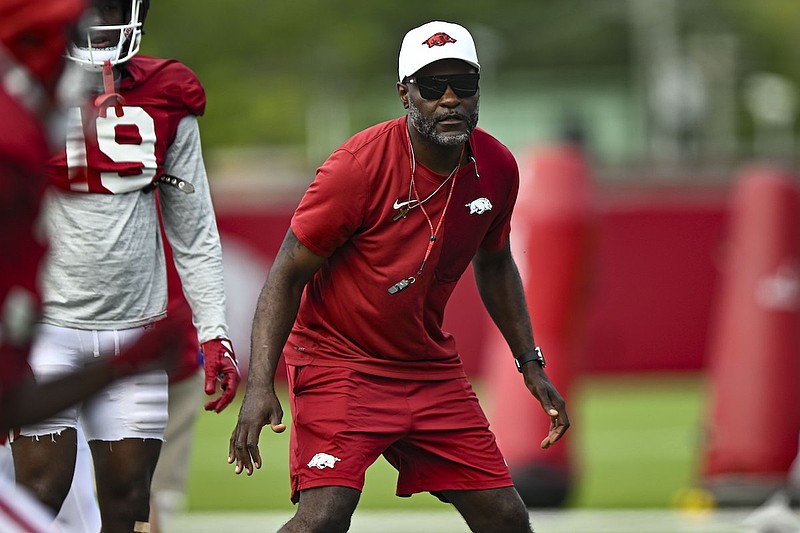
Woodson's journey illustrates the complex ecosystem of collegiate coaching, where performance, relationships, and opportunity intersect in unpredictable ways. Despite a challenging departure from Arkansas—where his defensive unit's rankings plummeted from 31st to 113th nationally—he demonstrates remarkable professional agility by securing a high-profile position at Kansas State. Head Coach Collin Klein's decision to bring Woodson onboard signals a sophisticated understanding of talent development that transcends recent performance metrics.
The financial and professional mechanics underlying this transition are particularly revealing. Woodson was potentially eligible for up to $583,333 in buyout payments from Arkansas, yet his new role at K-State represents more than financial mitigation—it's a strategic reset. His extensive 21-year coaching background, spanning institutions like Florida State, Auburn, and Memphis, positions him as a seasoned professional capable of navigating institutional transitions.
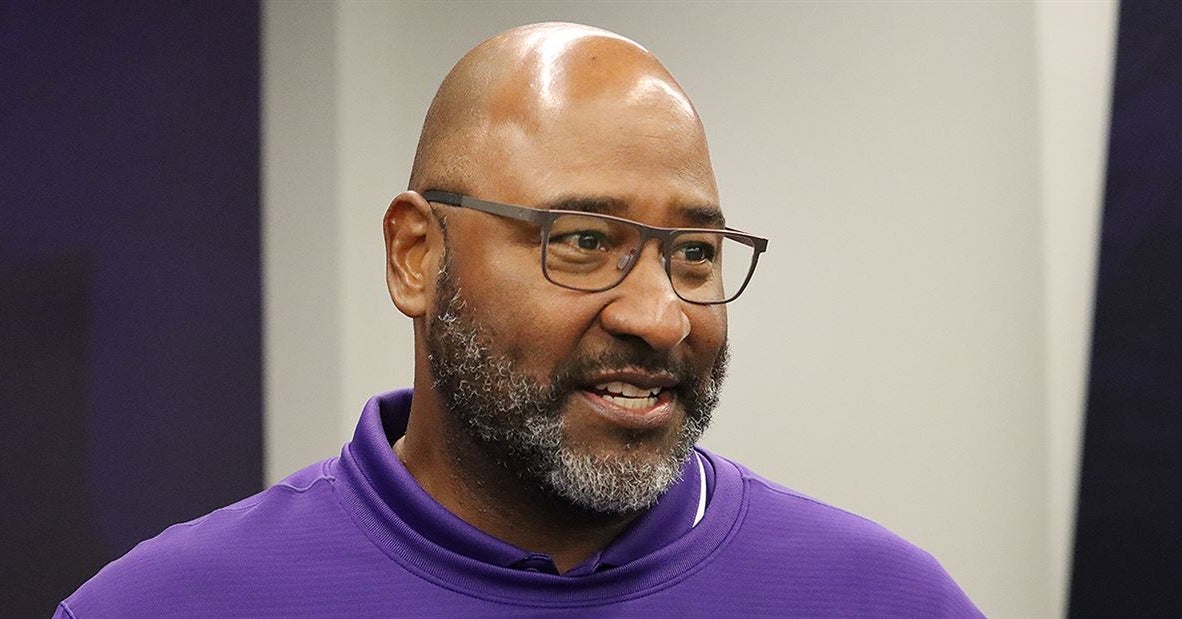
Klein's confidence in Woodson, emphasizing his "hard work and winning mentality," underscores a critical insight: in collegiate athletics, character and potential often matter more than recent performance. This hiring represents a calculated bet on professional growth, resilience, and the belief that past achievements can outweigh temporary setbacks.
The broader implications extend beyond individual careers. This transition reveals the collegiate coaching ecosystem as a dynamic marketplace where talent is continuously evaluated, repositioned, and given opportunities for redemption. For emerging coaches and sports professionals, Woodson's trajectory offers a compelling case study in professional adaptability and institutional trust.
問題 3
What financial considerations might be involved in Woodson's transition?
Woodson was potentially eligible for up to $583,333 in buyout payments from Arkansas. His new role at K-State likely provides financial stability and an opportunity to reset his professional trajectory.
How does this hiring reflect broader trends in collegiate coaching?
The move demonstrates the dynamic nature of collegiate coaching, where professionals can quickly transition between programs based on relationships, potential, and perceived ability to contribute to team development.