





Rafah Crossing Reopens After Hostage Recovery | Cross-Border Trade Resumes in Middle East Conflict Zone
- Critical border logistics gateway reopens with EU oversight; impacts humanitarian supply chains and regional e-commerce corridors serving 2M+ Gaza residents























































概览
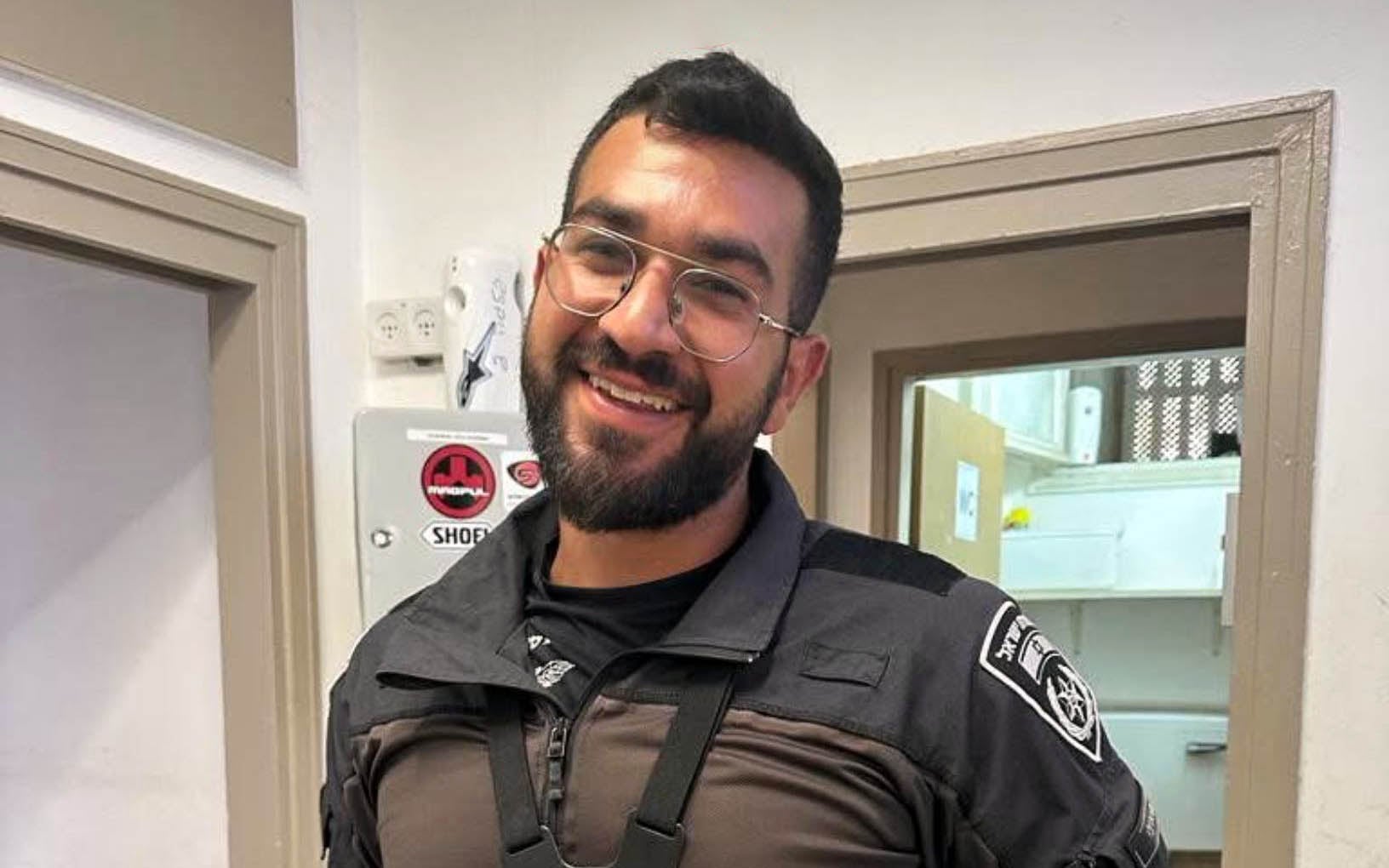
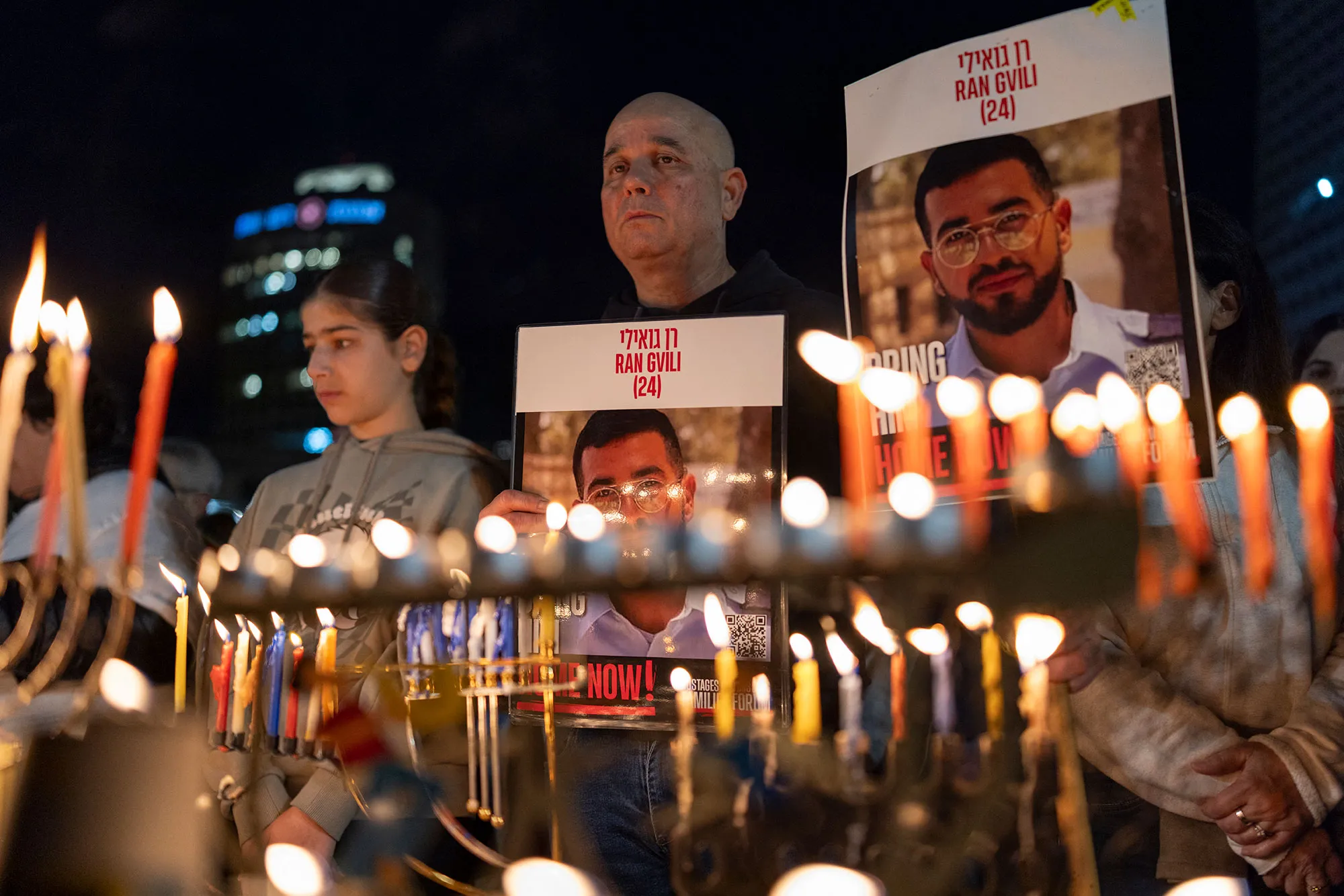
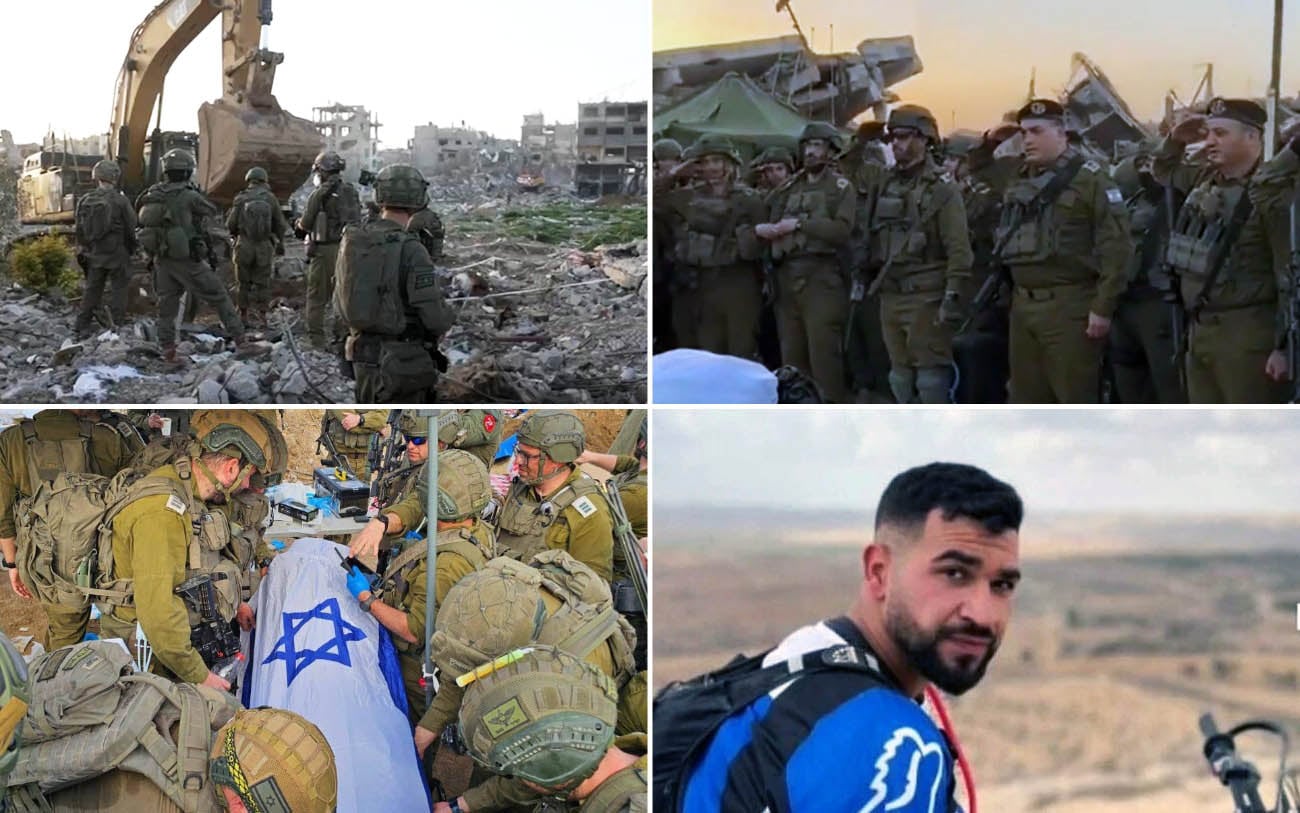
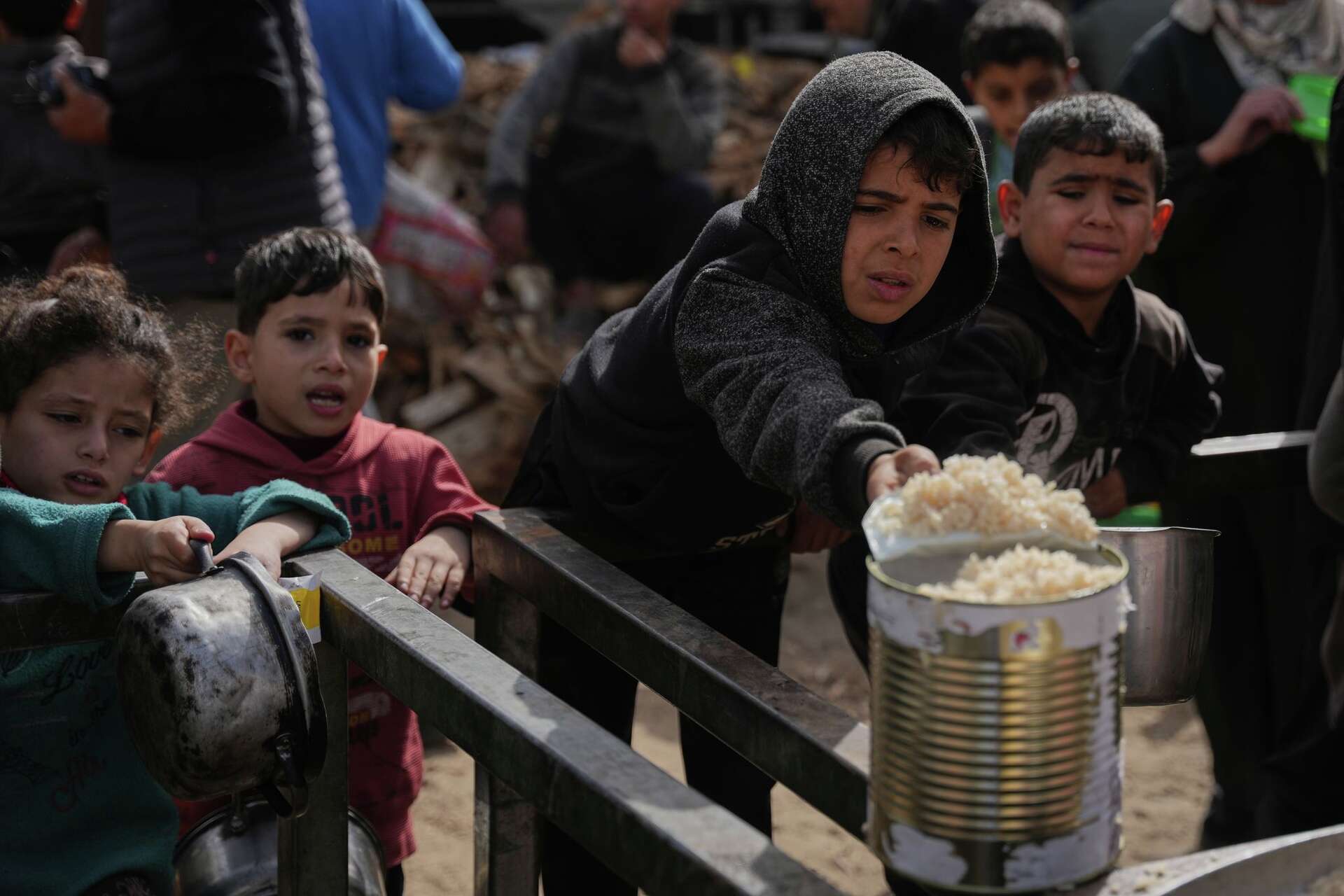
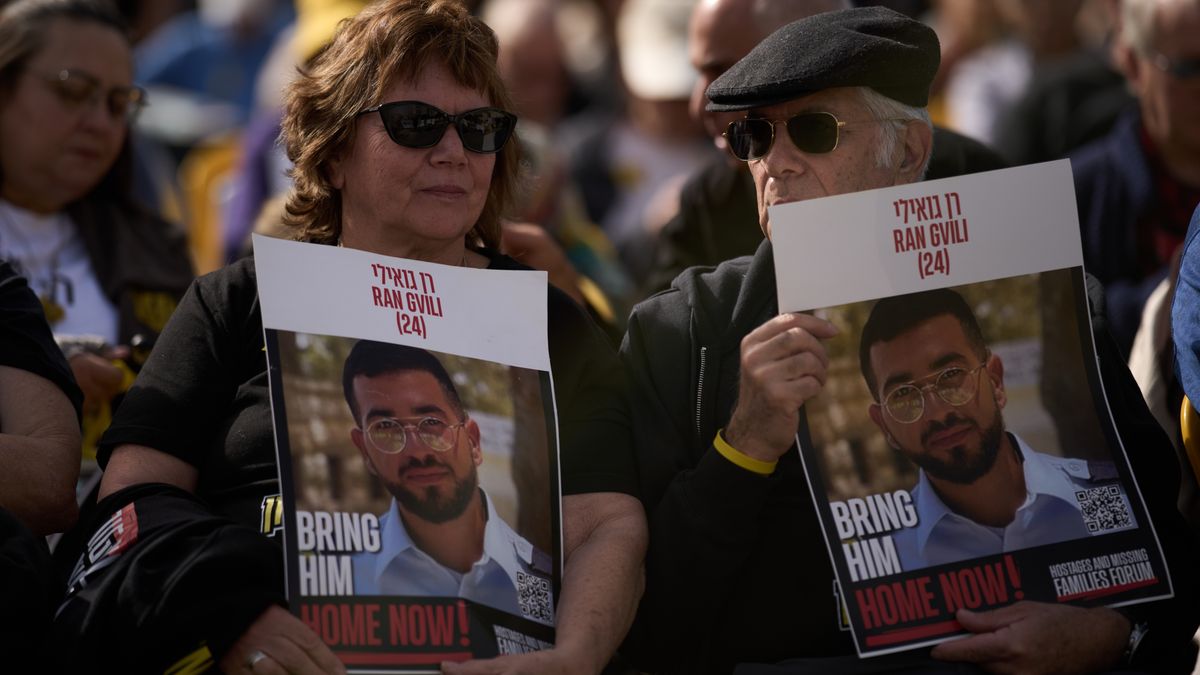
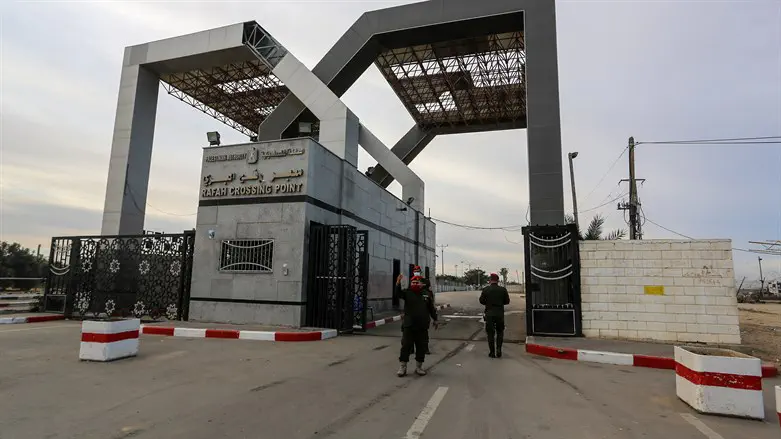
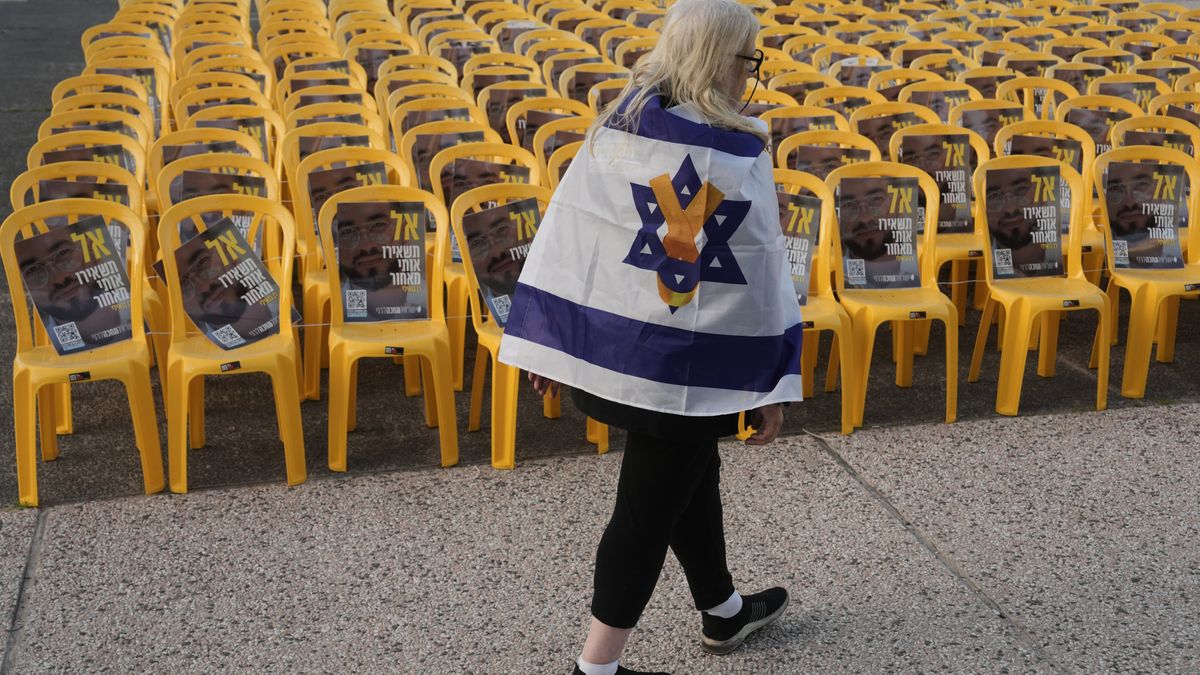
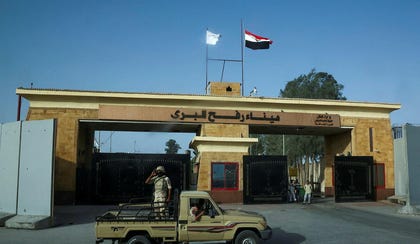
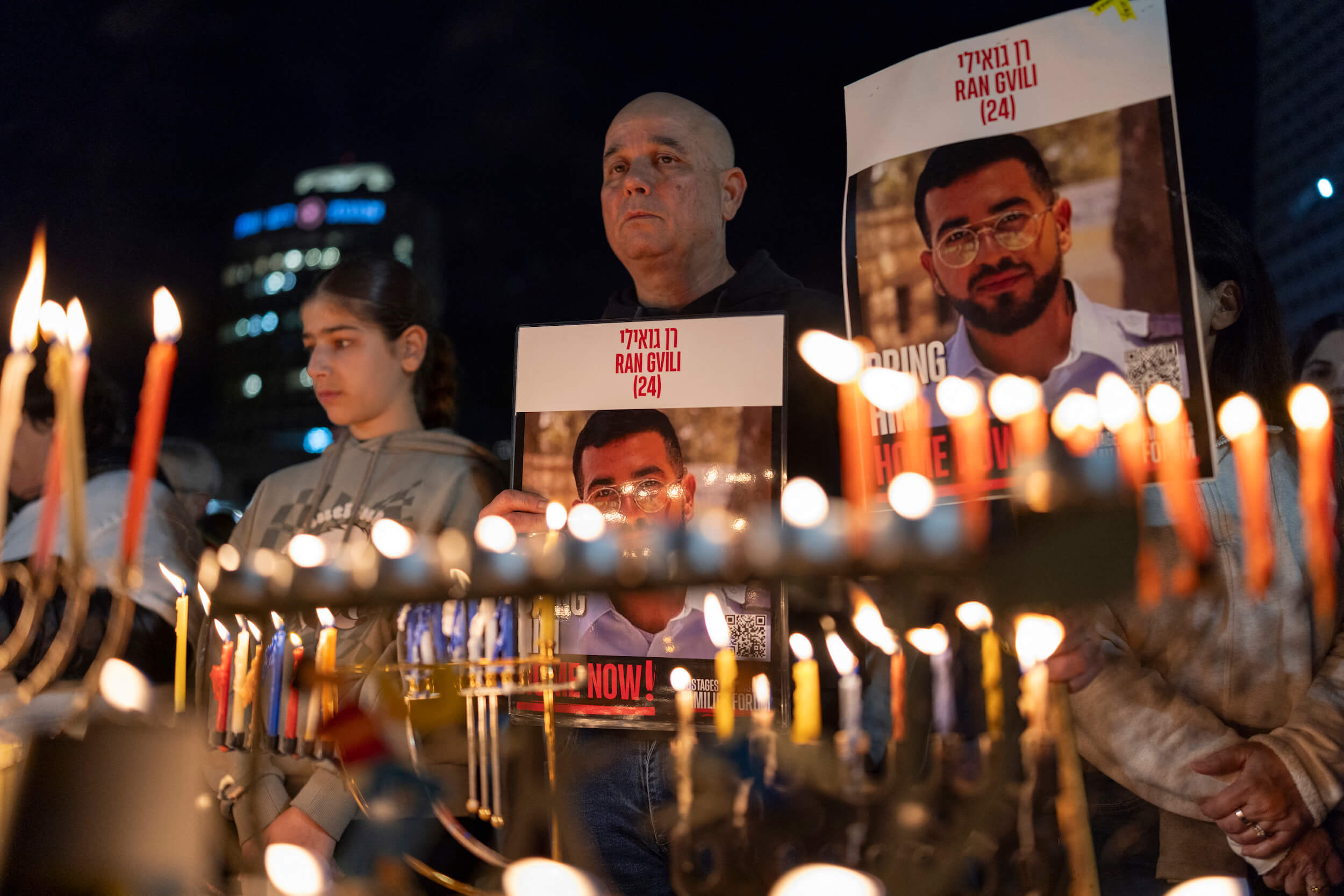
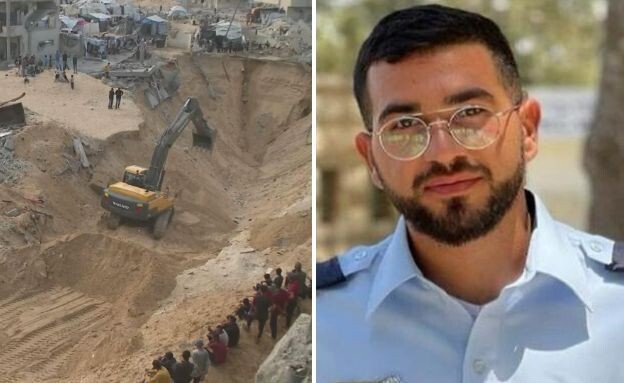
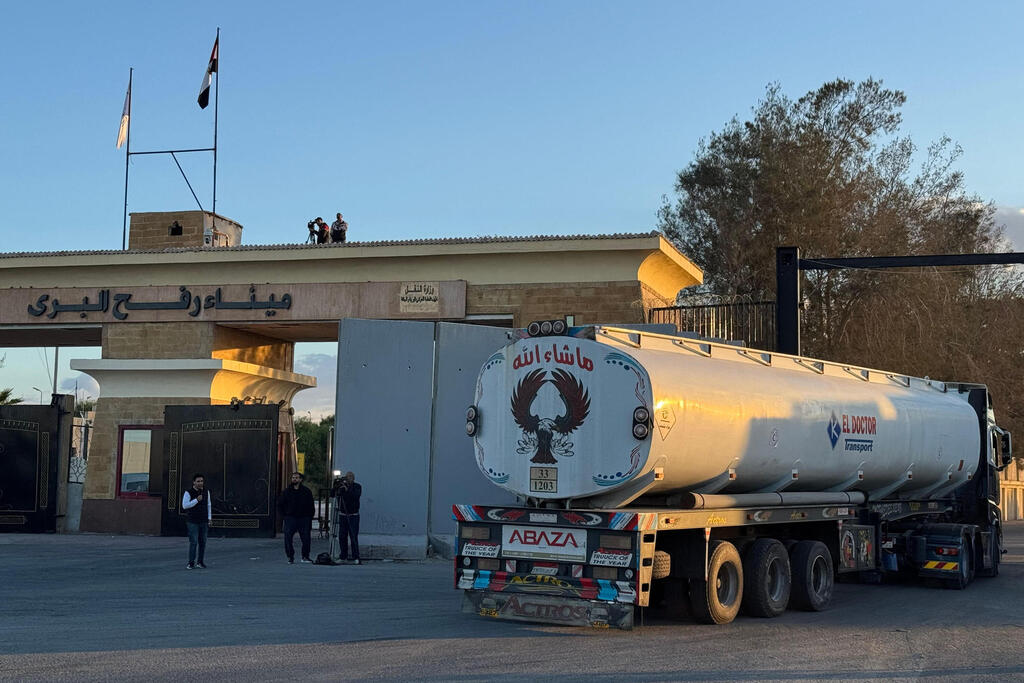
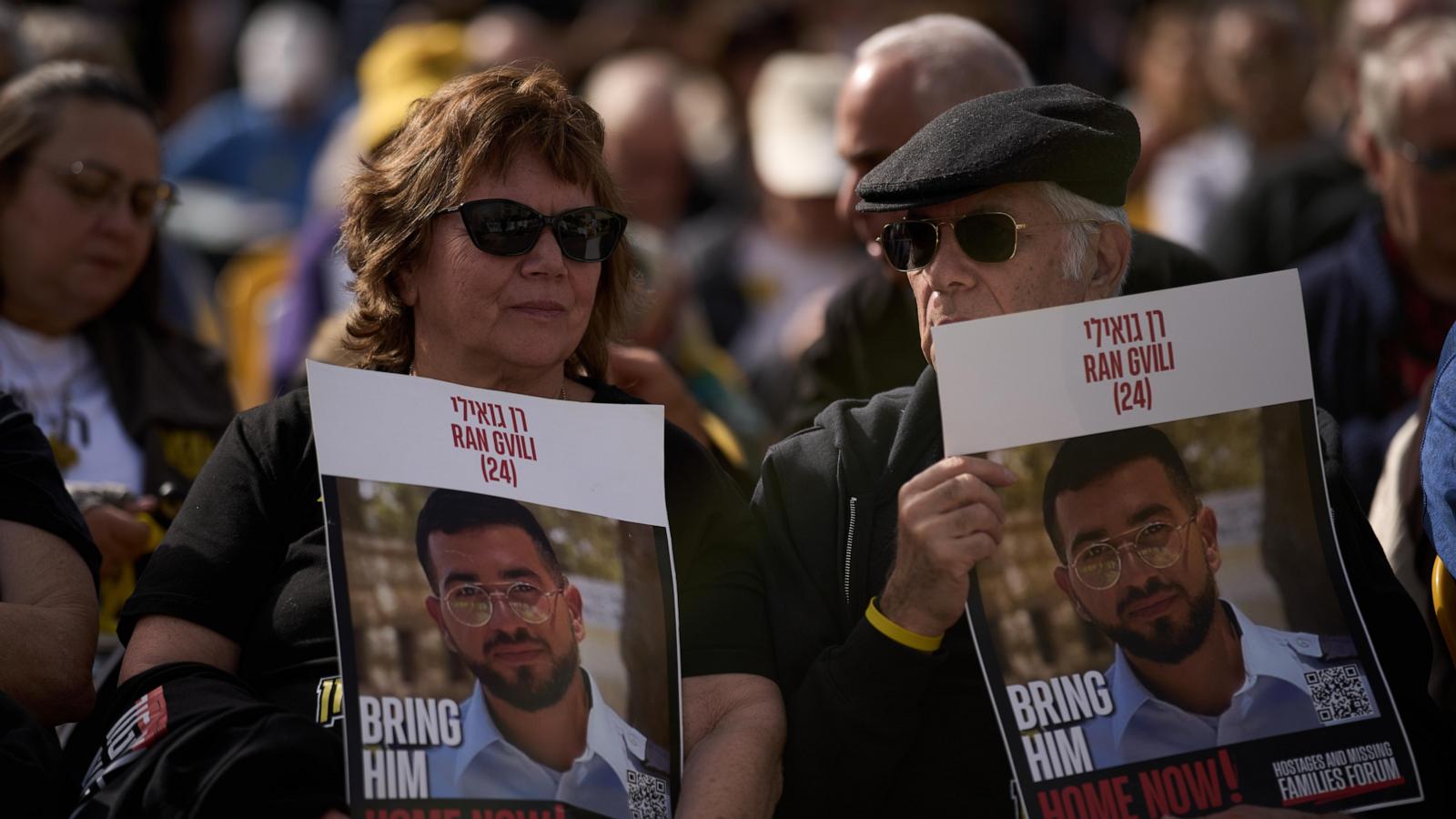
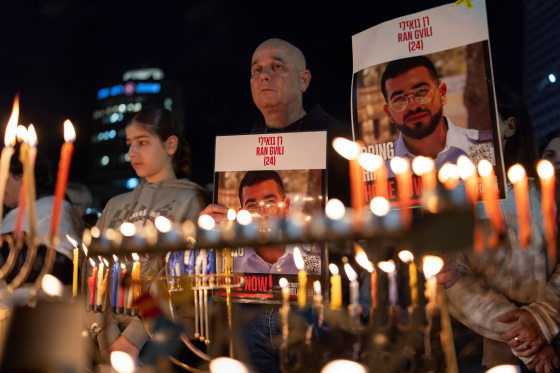
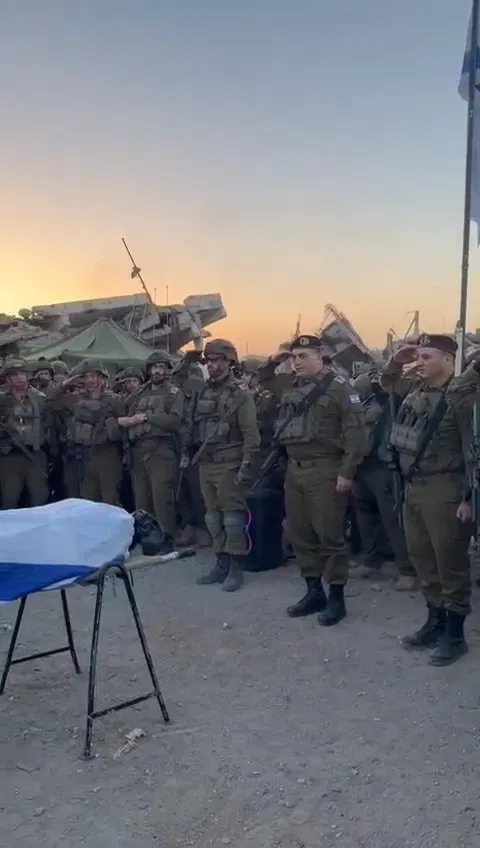
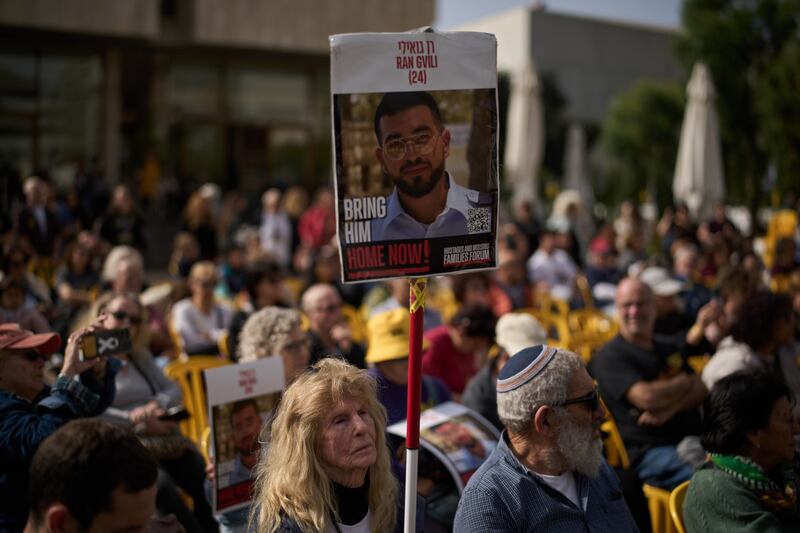
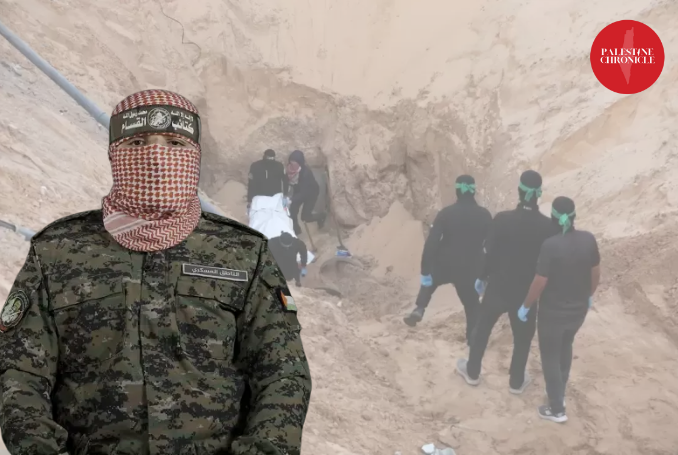
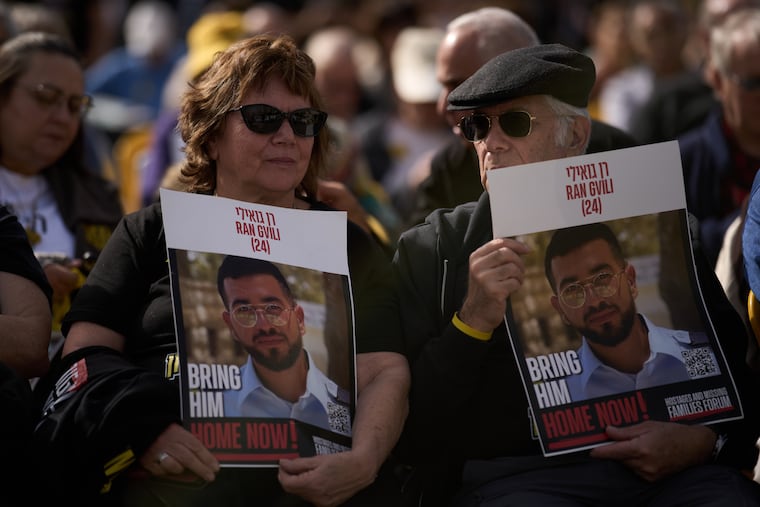
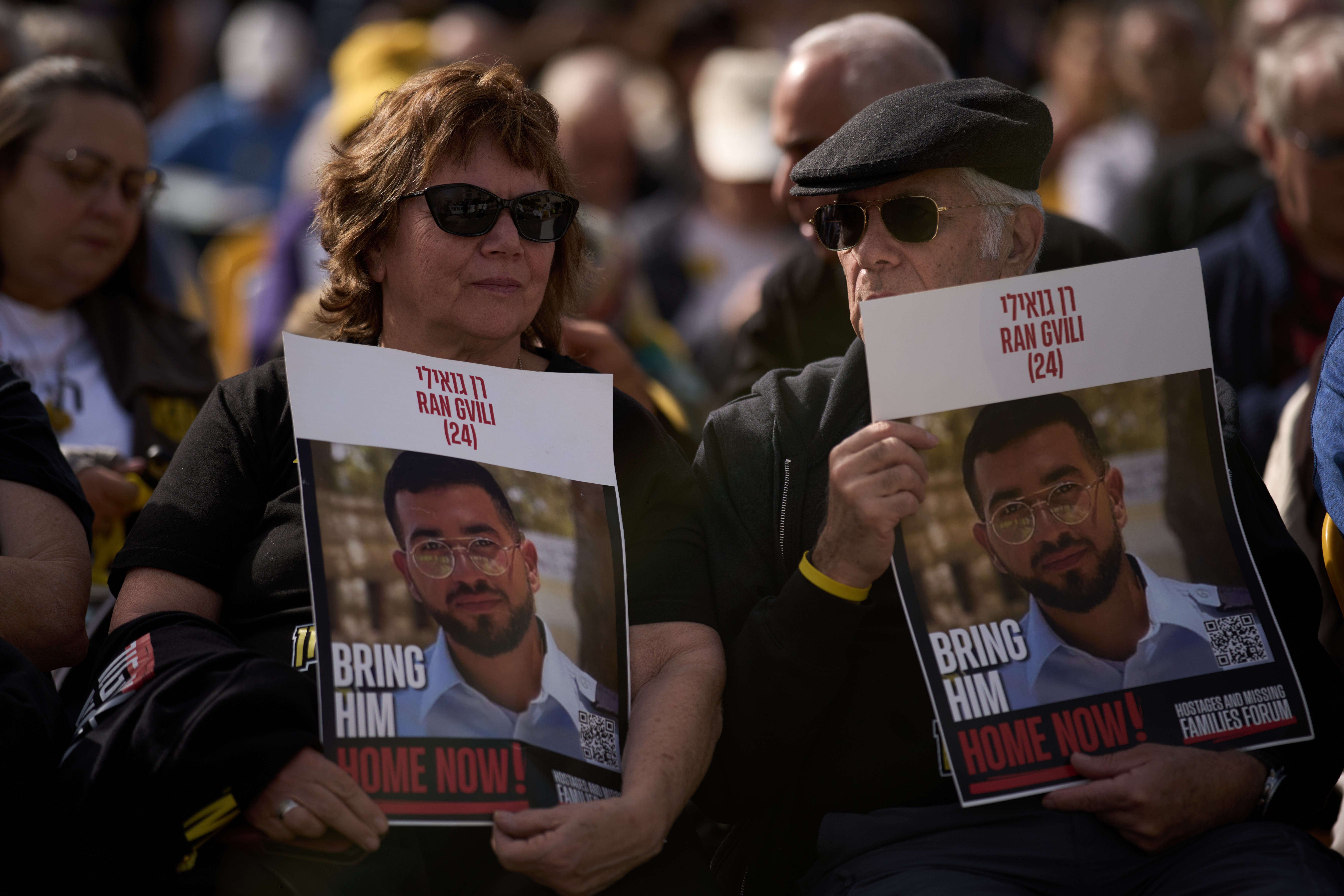
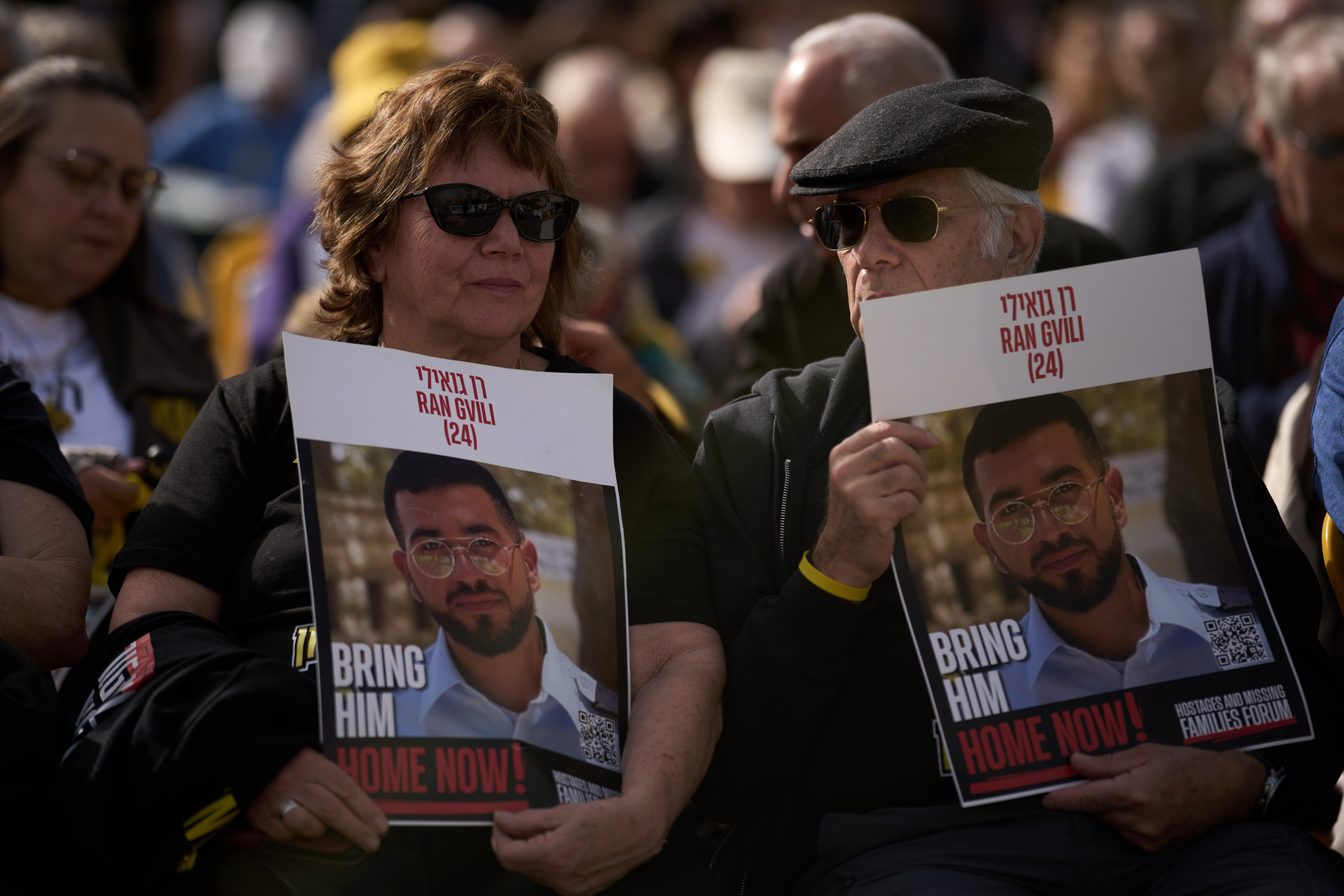
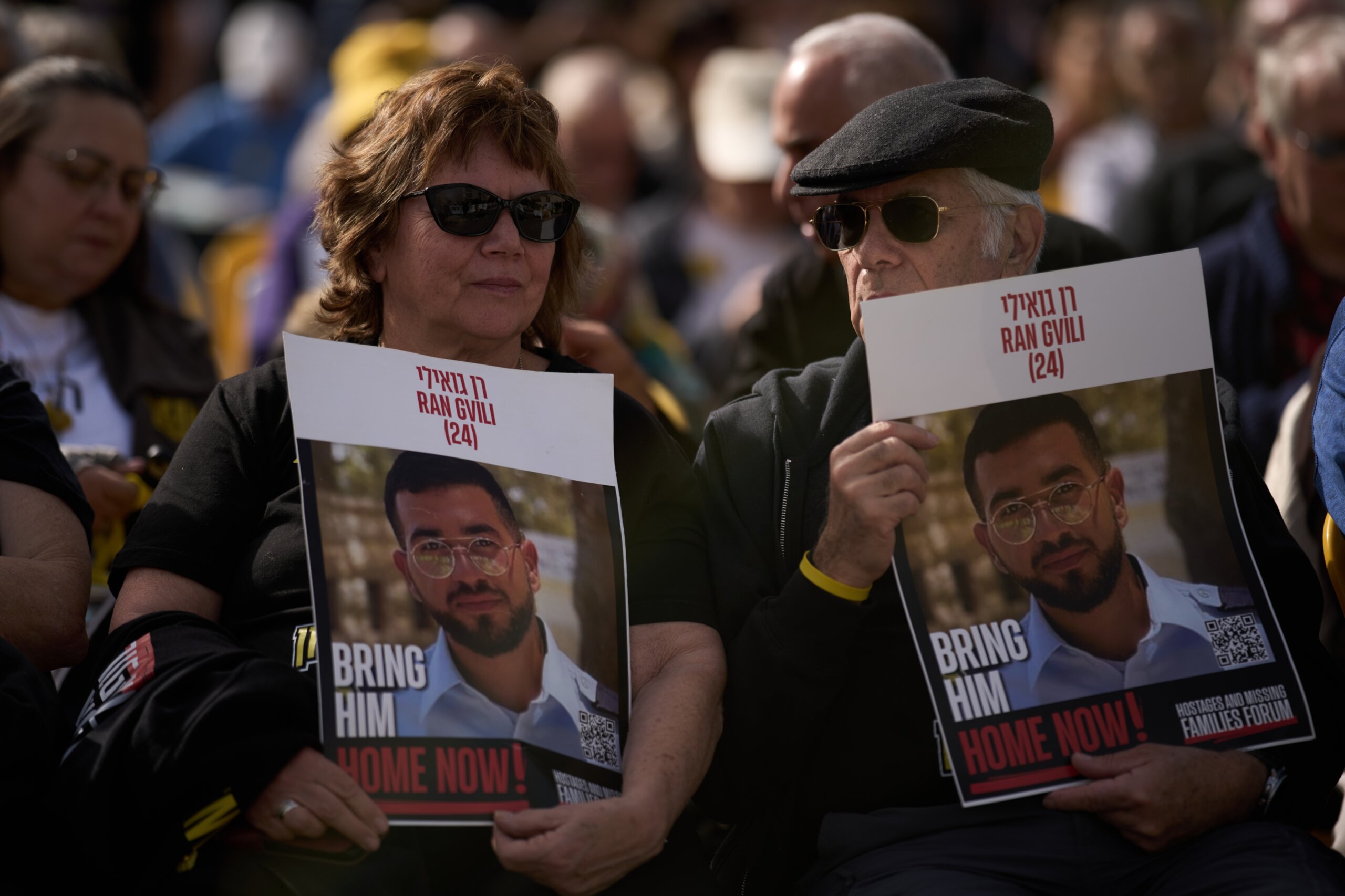
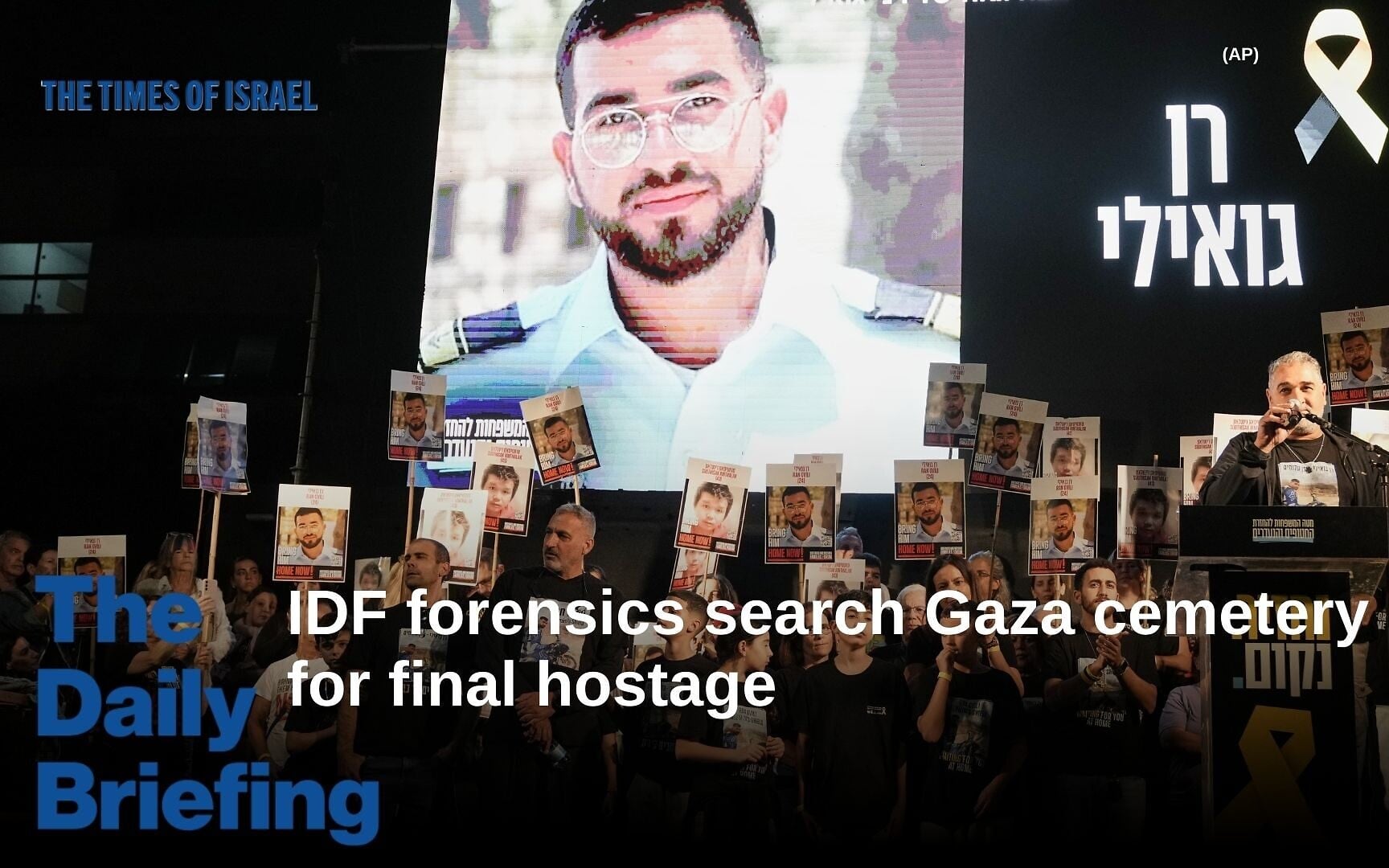
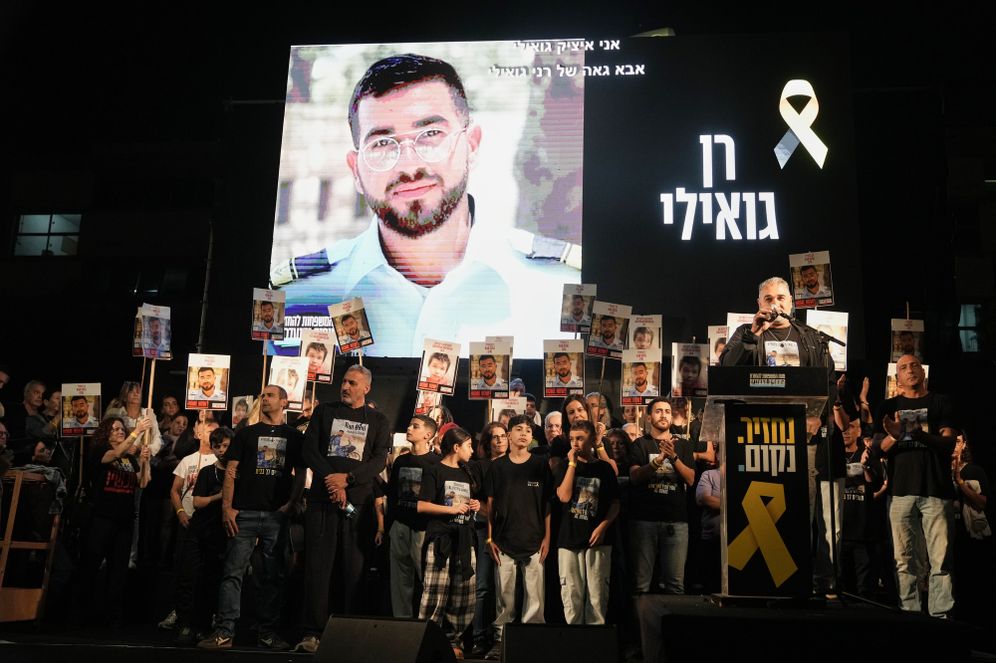
The recovery of Ran Gvili's remains marks a pivotal moment in the Israel-Gaza conflict, with immediate implications for cross-border commerce and humanitarian logistics. Following the October 7, 2023 Hamas attack and subsequent ceasefire negotiations, Israel has confirmed the reopening of the Rafah Crossing between Gaza and Egypt—a critical humanitarian and trade lifeline that had remained closed during the hostage recovery operation. This development directly impacts e-commerce supply chains serving the Gaza Strip, where approximately 2.3 million residents depend on imported goods for basic necessities and commercial activity.
The operational reopening represents a significant logistics breakthrough for sellers and humanitarian organizations. The Rafah Crossing will operate under a hybrid management structure: European Union officials and Palestinian forces will manage day-to-day operations, with Israeli Shin Bet security service oversight ensuring compliance with security protocols. Initially, the crossing will be limited to pedestrian traffic with full Israeli inspection of all goods, creating a phased reopening strategy that prioritizes security screening over immediate volume. This conditional approach mirrors post-conflict border management seen in other regions (Iraq-Syria, Lebanon-Syria) where security concerns necessitate gradual normalization of trade flows.
For cross-border sellers and supply chain operators, the reopening creates both opportunities and operational constraints. The news indicates that Netanyahu's government has committed to opening the crossing "regardless of whether Gvili's body is located," signaling political will to restore humanitarian access despite ongoing military operations. However, the stringent screening protocols—designed to prevent smuggling of dual-use items for weapon manufacturing and tunnel construction—will likely extend processing times by 2-4 weeks compared to pre-October 2023 baseline operations. Sellers shipping medical supplies, food products, and essential goods to Gaza-based retailers and NGOs should expect increased documentation requirements, customs delays, and potential rerouting through alternative corridors (Egypt-Gaza, Israel-Gaza) during the transition period.
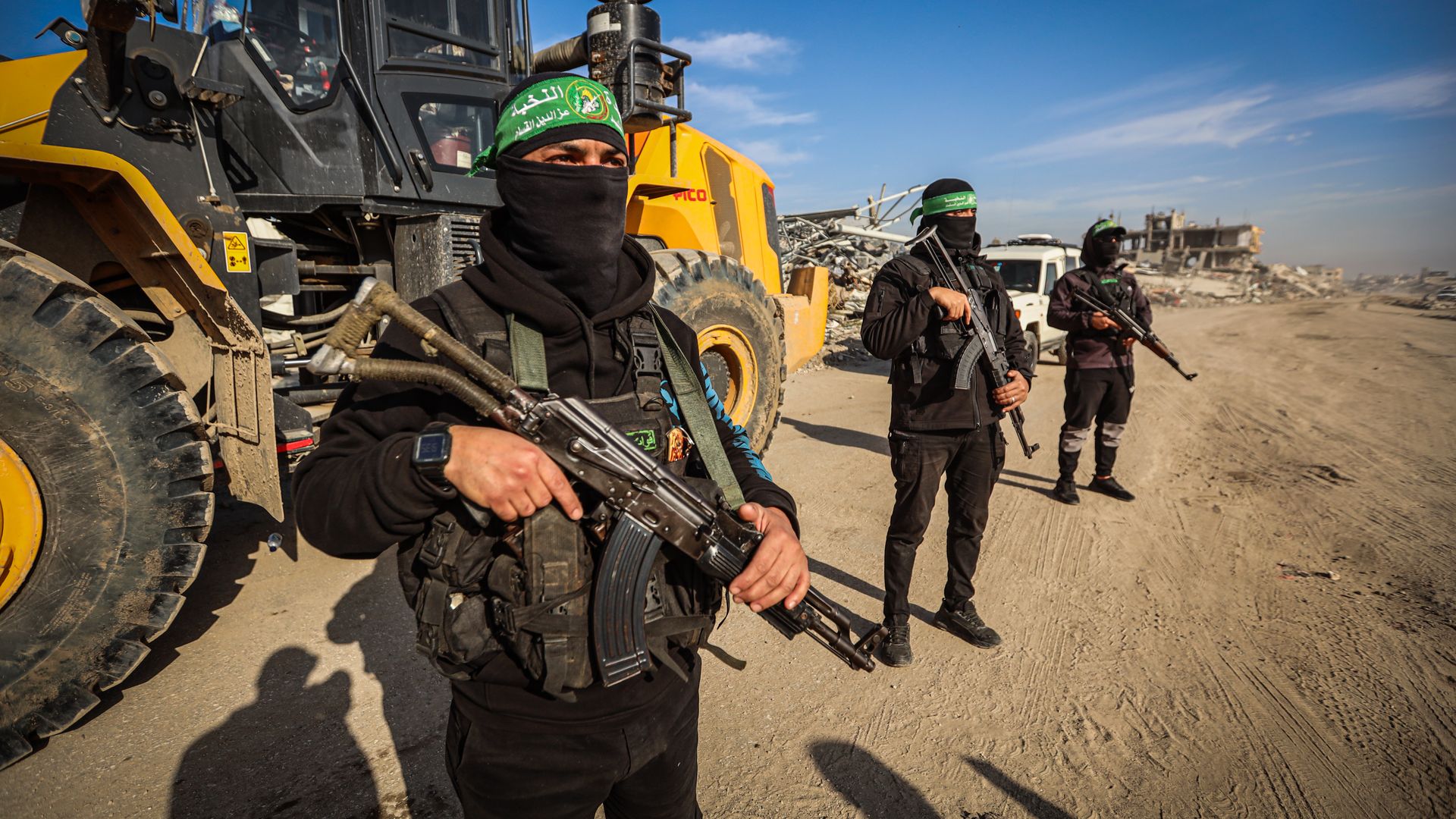
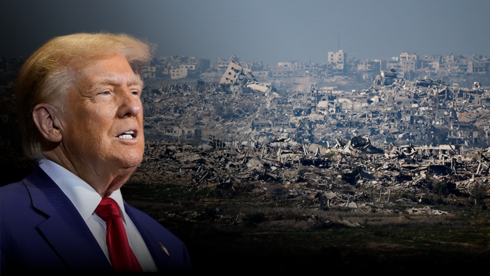
The geopolitical context reveals a critical timeline for supply chain normalization. The Trump administration has already signaled movement toward the ceasefire's second phase—dismantling Hamas's military capabilities and demilitarizing Gaza—which suggests the Rafah Crossing reopening is part of a broader stabilization strategy. Sellers should monitor announcements regarding the Gaza technocratic government's establishment, as this new administrative body will likely implement import/export regulations affecting product categories, tariff structures, and licensing requirements. The involvement of US envoys (Steve Witkoff, Jared Kushner, Aryeh Lightstone, Josh Greenbaum) in negotiations indicates American strategic interest in stabilizing the region, potentially creating opportunities for US-based sellers to access Gaza markets through established humanitarian corridors.
問題 7
What are the security restrictions sellers should expect at Rafah Crossing?
Israel has emphasized rigorous screening to prevent smuggling of dual-use items for weapon manufacturing and tunnel construction. All goods entering Gaza will undergo full Israeli inspection at a facility near the crossing, with initial operations limited to pedestrian traffic. Sellers should avoid shipping items classified as dual-use (certain electronics, chemicals, construction materials) and ensure comprehensive customs documentation. The hybrid management structure—EU officials, Palestinian forces, and Israeli Shin Bet oversight—suggests a 2-3 month transition period before normal commercial volumes resume.
How does the Rafah Crossing reopening affect sellers shipping to Gaza?
The reopening creates a phased logistics pathway for sellers shipping medical supplies, food, and consumer goods to Gaza's 2.3M residents. However, the crossing will initially operate with strict Israeli security screening and EU/Palestinian management, extending processing times by 2-4 weeks compared to pre-October 2023 operations. Sellers must prepare for increased customs documentation, dual-use item restrictions, and potential rerouting through Egypt-Gaza corridors. The news confirms Netanyahu's commitment to open the crossing 'regardless of whether Gvili's body is located,' indicating sustained political will for humanitarian access despite ongoing military operations.