




Big Tech Earnings & Market Volatility Impact Cross-Border Sellers Q4 2025
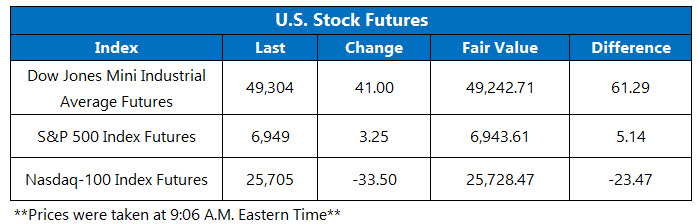
- Fed rate hold + tech stock uncertainty create 0.3-0.4% market slump; gold hits $5,091; tariff risks threaten Chinese goods routes via Canada














































































概览
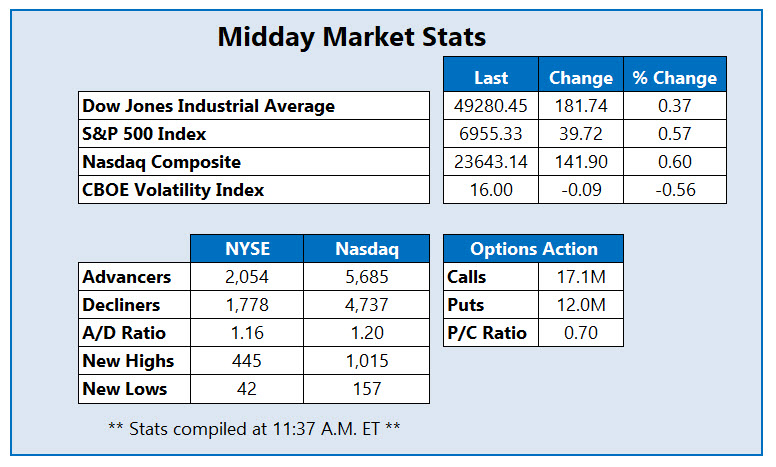
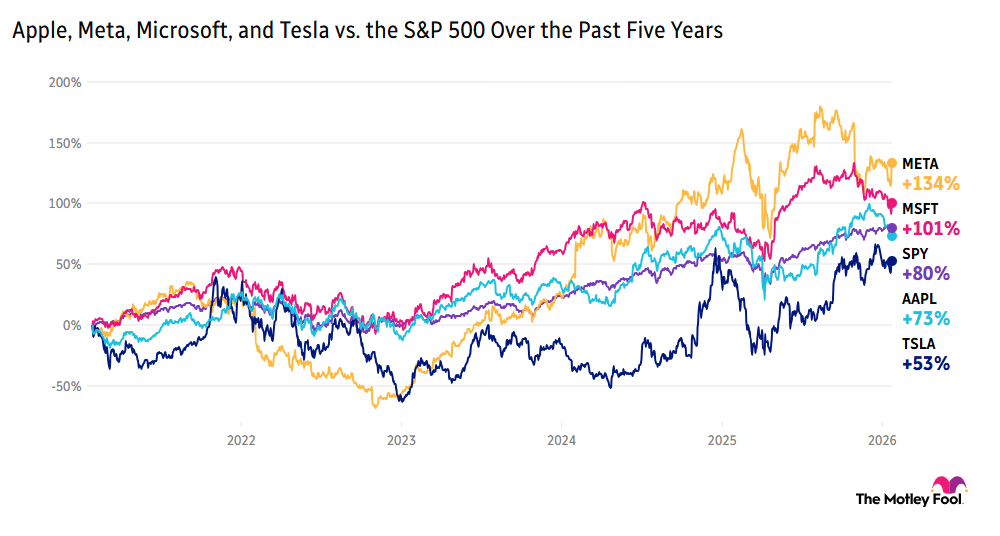
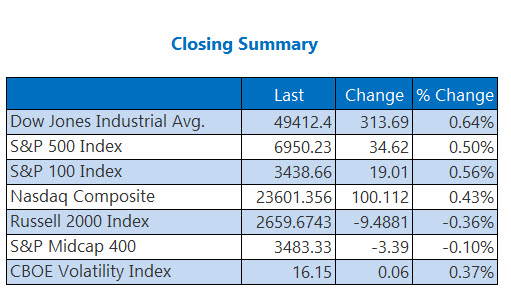
The convergence of Big Tech earnings announcements, Federal Reserve policy decisions, and geopolitical trade tensions is creating a complex macroeconomic environment with direct implications for cross-border e-commerce sellers. Microsoft, Meta, Apple, and Tesla—representing 16.5% of the S&P 500's market capitalization—are reporting Q4 2025 earnings amid unprecedented software sector underperformance and AI infrastructure spending caution. Simultaneously, the Federal Reserve is maintaining current interest rates with rate cuts delayed until summer, while U.S. stock futures have declined 0.3-0.4% and gold has reached a record $5,091 per ounce, signaling broader economic recalibration.
For cross-border sellers, this market environment creates three critical operational challenges. First, currency volatility is intensifying: the delayed rate-cut timeline means USD strength will persist longer, compressing margins for sellers importing from Asia or selling to international markets. Sellers shipping Chinese goods through Canadian trade routes face additional uncertainty due to U.S. Treasury concerns about tariff circumvention, potentially increasing customs processing times by 2-4 weeks and requiring alternative logistics planning. Second, the cautious sentiment around AI infrastructure spending suggests reduced venture capital deployment in tech-adjacent categories (smart home devices, IoT products, automation tools), which historically drive 15-20% of cross-border electronics sales. Third, the information technology sector is trading at its lowest post-pandemic valuation premium to the S&P 500, indicating investor skepticism that could reduce consumer discretionary spending on tech accessories and gadgets through Q1 2025.
Strategic positioning for sellers requires immediate portfolio diversification and hedging against currency headwinds. Evercore's recommendation for bullish risk reversal strategies on major tech stocks (Microsoft April 515 calls/435 puts, similar structures for Meta and Apple) reflects analyst confidence that markets have over-discounted tech risks—a signal that sellers should monitor Big Tech earnings closely for upside surprises that could restore consumer confidence. However, the geopolitical tariff risks and rate-hold environment suggest sellers should reduce exposure to high-margin, low-volume tech products and shift inventory toward essential categories (home goods, apparel, consumables) that show resilience during economic uncertainty. For sellers with significant Chinese sourcing, the Canada trade route concerns necessitate immediate supply chain audits: consider diversifying sourcing to Vietnam, India, or Mexico to mitigate tariff exposure, or accelerate inventory builds before potential tariff escalations. Monitor Fed communications weekly through summer 2025 for rate-cut signals, as even a single 25-basis-point cut could trigger 3-5% currency appreciation swings affecting landed costs and competitive pricing.
問題 8
How does gold hitting $5,091 per ounce affect e-commerce sellers?
Gold's record high signals broader economic recalibration and investor flight-to-safety behavior, indicating market uncertainty about growth prospects. This typically precedes consumer spending pullbacks as households increase savings and reduce discretionary purchases. For sellers, this suggests demand softening for luxury items, jewelry, and high-margin gadgets through Q1 2025. Conversely, it creates opportunities in value-oriented categories and essential products. Sellers should monitor gold prices as a leading indicator of consumer confidence: if gold remains above $5,000, expect 5-10% lower conversion rates on premium products and shift marketing spend toward budget-conscious segments.
Should sellers reduce tech product inventory given AI spending caution?
Yes, strategically. The information technology sector is trading at its lowest post-pandemic valuation premium, and investors are becoming cautious about AI infrastructure spending. This signals reduced venture capital deployment in tech-adjacent categories (smart home, IoT, automation tools), which typically drive 15-20% of cross-border electronics sales. Sellers should shift 20-30% of tech inventory allocation toward essential categories (home goods, apparel, consumables) that show resilience during economic uncertainty. However, monitor Big Tech earnings closely—if companies report strong AI adoption and revenue growth, this could reverse sentiment and restore tech category demand by Q2 2025.