

/Quantum%20Computing/Image%20by%20Funtap%20via%20Shutterstock.jpg)
IonQ Acquires SkyWater for $1.8B | Quantum Chip Supply Chain Reshapes Tech Seller Opportunities
- U.S. semiconductor consolidation signals tariff protection, domestic manufacturing incentives, and emerging quantum-enabled product categories for cross-border sellers












概览
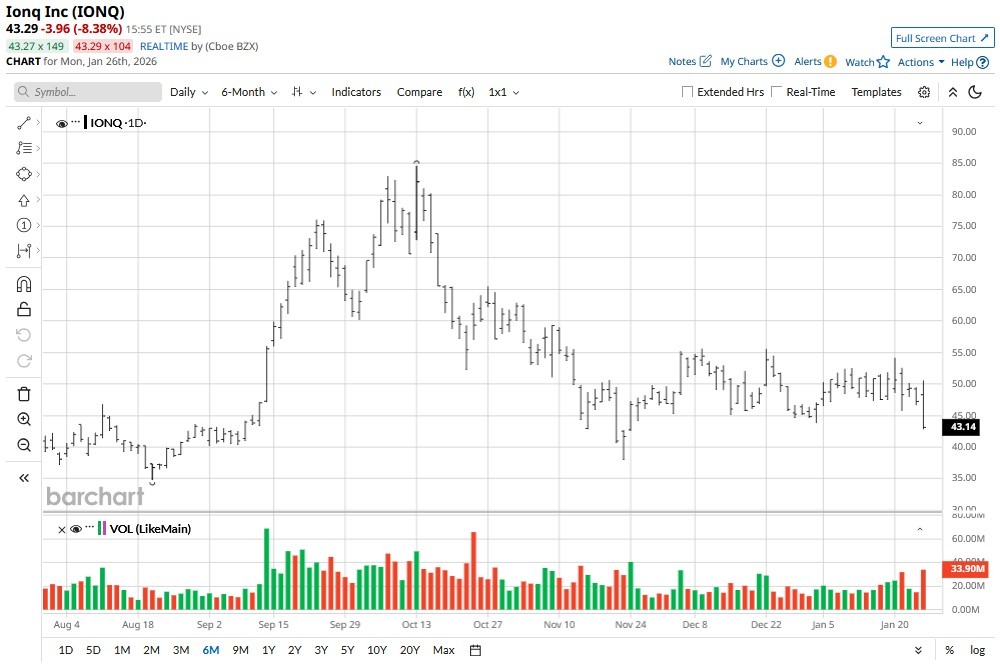
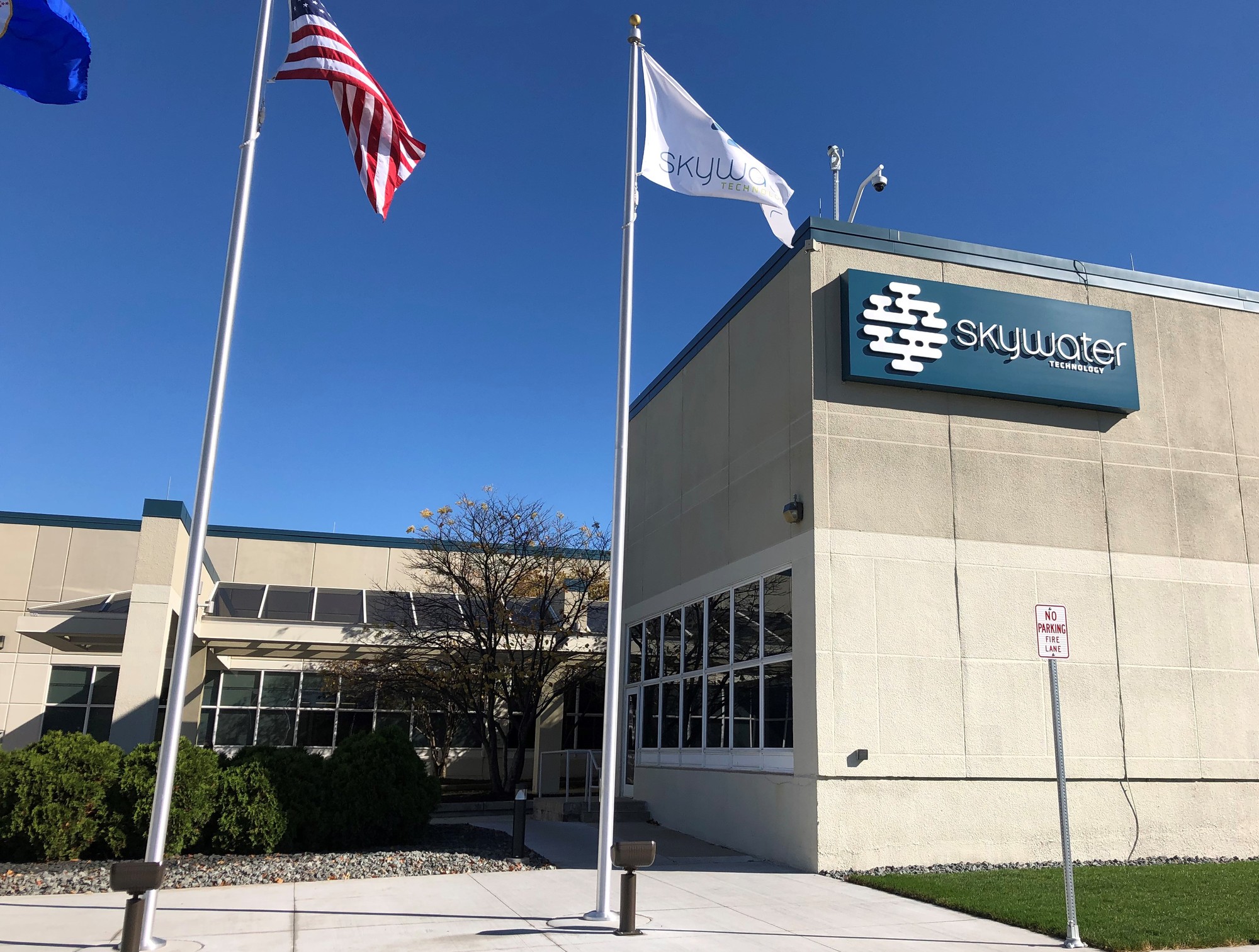
The January 26, 2026 announcement of IonQ's $1.8 billion acquisition of SkyWater Technology at $35 per share represents a pivotal moment in semiconductor supply chain consolidation with cascading implications for e-commerce sellers. This vertical integration move—where a quantum-computing company directly acquires chip manufacturing capabilities—signals a fundamental shift in how technology companies are securing domestic production and reducing geopolitical supply chain vulnerabilities. The deal explicitly aligns with Trump administration policies favoring American semiconductor manufacturing, suggesting increased government incentives, tariff protections, and potential subsidies for domestically-produced tech components.
For cross-border e-commerce sellers, this consolidation creates three distinct opportunity vectors. First, the acceleration of quantum-computing commercialization will drive demand for quantum-enabled products and accessories—from quantum computing educational kits to specialized cooling systems, security software, and enterprise hardware solutions. Sellers positioned in emerging tech categories can capitalize on early-stage market development before mainstream competition arrives. Second, the emphasis on domestic U.S. manufacturing and government incentives suggests potential tariff increases on imported semiconductor components and finished electronics, making domestically-sourced alternatives more price-competitive. Sellers currently importing electronics from Asia may face 15-25% cost increases on tariffed components, creating opportunities for sellers who pivot to U.S.-manufactured alternatives or develop localized supply chains. Third, the deal demonstrates that technology companies are prioritizing supply chain resilience over cost optimization—a trend that favors sellers offering reliability, transparency, and domestic sourcing credentials.
The geopolitical context is critical for sellers managing international operations. The news explicitly references "heightened geopolitical focus on semiconductor supply chains" and "international trade discussions and tariff considerations." This indicates the Trump administration is actively reshaping semiconductor trade policy, likely through tariffs on imported chips and preferential treatment for domestic manufacturers. Sellers importing electronics from Taiwan, South Korea, or China should anticipate tariff increases of 10-30% on semiconductor-heavy products within 6-12 months. Conversely, sellers who can source from U.S. manufacturers like SkyWater (now IonQ-owned) or other domestic producers will gain competitive advantages through tariff exemptions and government procurement opportunities. Additionally, IonQ's "existing relationships with U.S. government agencies" suggest emerging B2B opportunities for sellers who can position products as supporting quantum computing infrastructure development—a potential $5-10B market opportunity over the next 3-5 years.
Operational implications extend to logistics and compliance. Domestic manufacturing consolidation typically leads to supply chain regionalization, where products are manufactured, warehoused, and distributed within the U.S. rather than imported from overseas. This reduces shipping times (3-5 days vs. 15-30 days for imports), lowers logistics costs by 20-30%, and improves inventory turnover. Sellers should evaluate whether shifting to domestic 3PL providers and U.S.-based fulfillment networks aligns with their margin structure and customer expectations. The deal also signals that government contracts and procurement opportunities are expanding in quantum computing—a B2B channel that typically offers 30-40% higher margins than consumer e-commerce but requires compliance certifications, security clearances, and longer sales cycles.
問題 8
How does domestic manufacturing consolidation affect logistics and fulfillment costs?
Domestic manufacturing typically reduces fulfillment costs by 20-30% through shorter shipping distances (3-5 days vs. 15-30 days for imports), lower logistics complexity, and reduced inventory holding costs. Sellers should evaluate shifting from international 3PL providers to U.S.-based fulfillment networks, which offer faster inventory turnover and lower storage fees. Domestic sourcing also enables just-in-time inventory management, reducing working capital requirements by 25-35%. Calculate total landed cost including tariffs, shipping, storage, and carrying costs—domestic sourcing often becomes cost-competitive despite higher unit prices. Negotiate volume discounts with domestic 3PL providers and consider regional fulfillment centers to optimize delivery times and customer satisfaction scores, which directly impact Amazon Buy Box eligibility and search ranking.
What supply chain risks should sellers monitor following this acquisition?
The consolidation of quantum chip manufacturing under IonQ creates single-source supply risk for quantum-enabled products. If SkyWater experiences production disruptions, alternative suppliers may not exist, causing 30-60 day delays. Sellers should diversify suppliers by identifying competing quantum chip manufacturers (IBM, Google, Rigetti) and developing relationships with multiple sources. Monitor IonQ's production capacity announcements and customer allocation policies. The news also highlights geopolitical supply chain vulnerability—tariffs, trade restrictions, or export controls could disrupt semiconductor availability. Maintain 60-90 day safety stock for critical components and negotiate long-term supply agreements with price caps. Consider geographic diversification by sourcing from multiple regions (U.S., EU, Japan) to mitigate single-country tariff exposure.