



Celebrity Brand Recovery Strategy | Seller Lessons in Reputation Management & Market Re-entry
- High-profile apology campaign reveals critical insights on brand rehabilitation, consumer skepticism, and strategic media placement for reputation recovery in 2026












概览
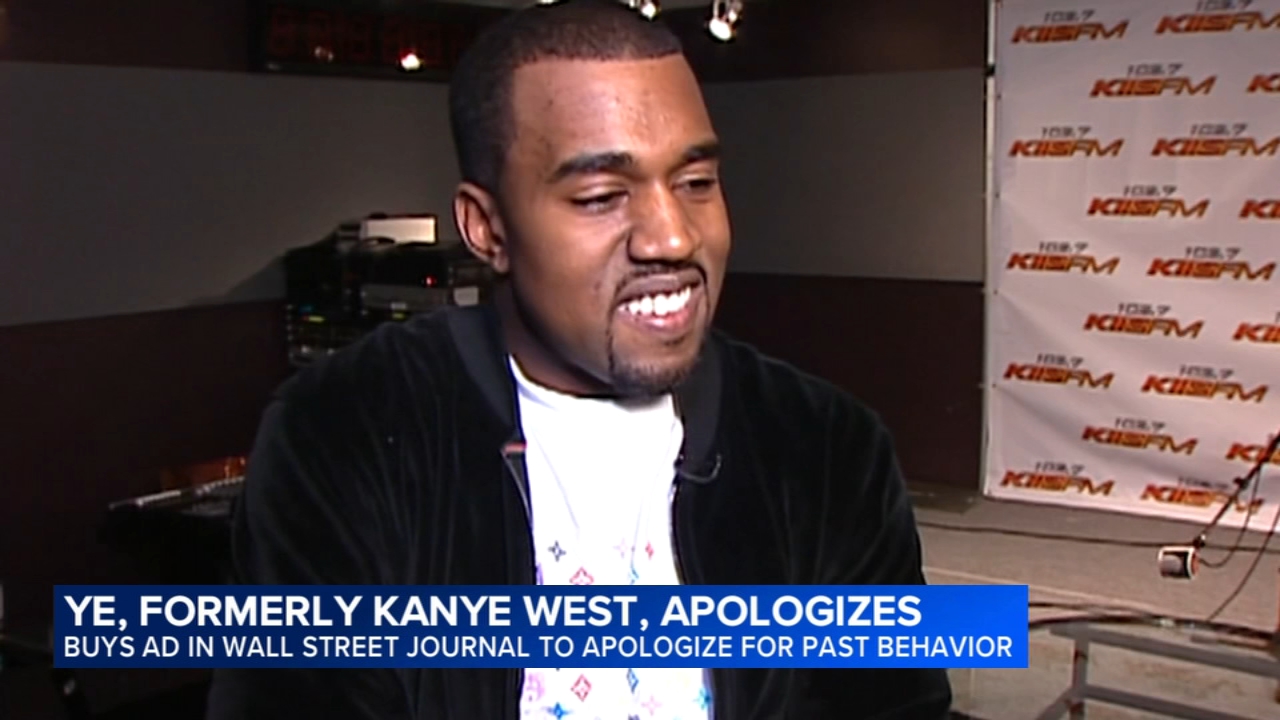
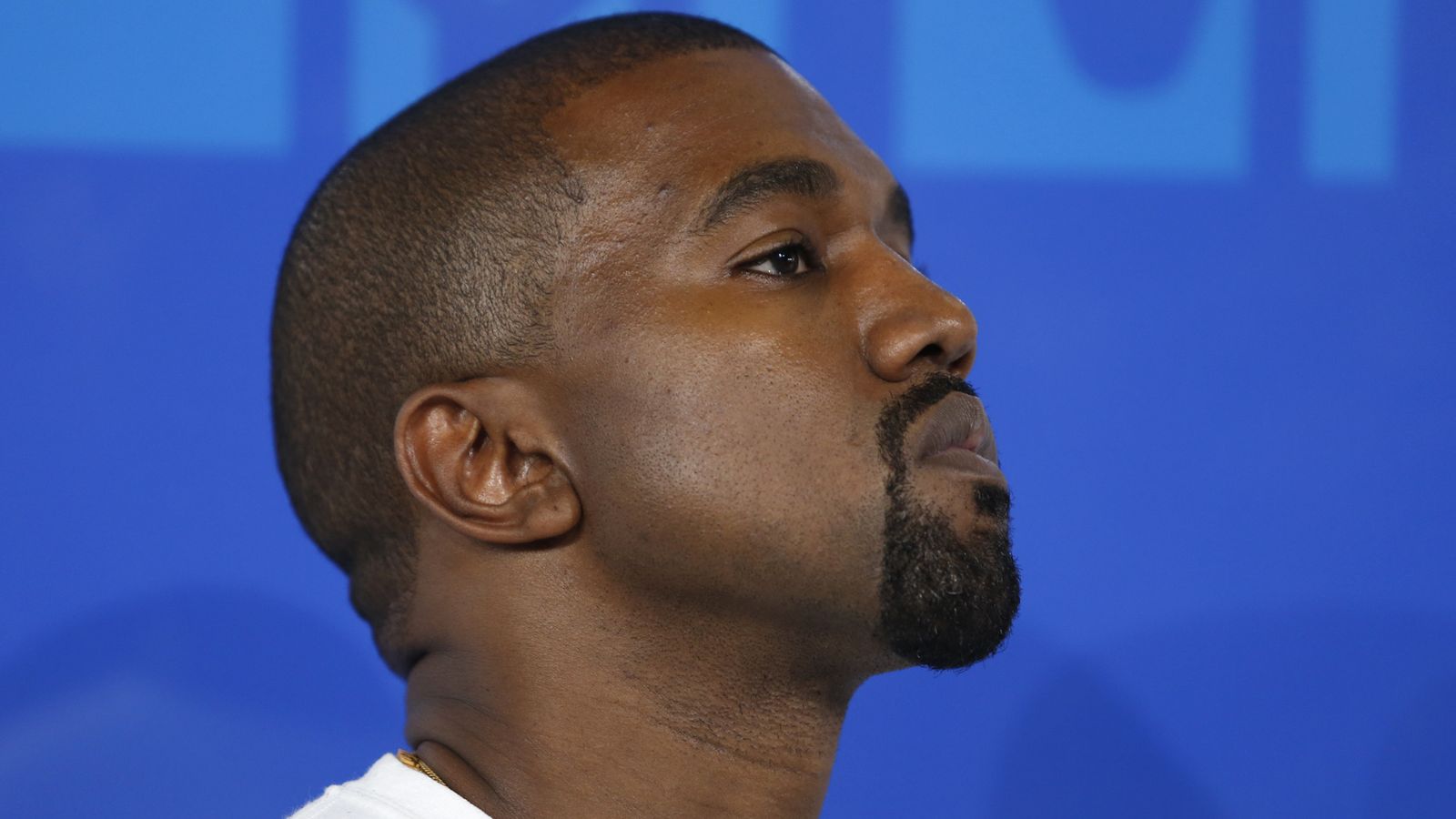
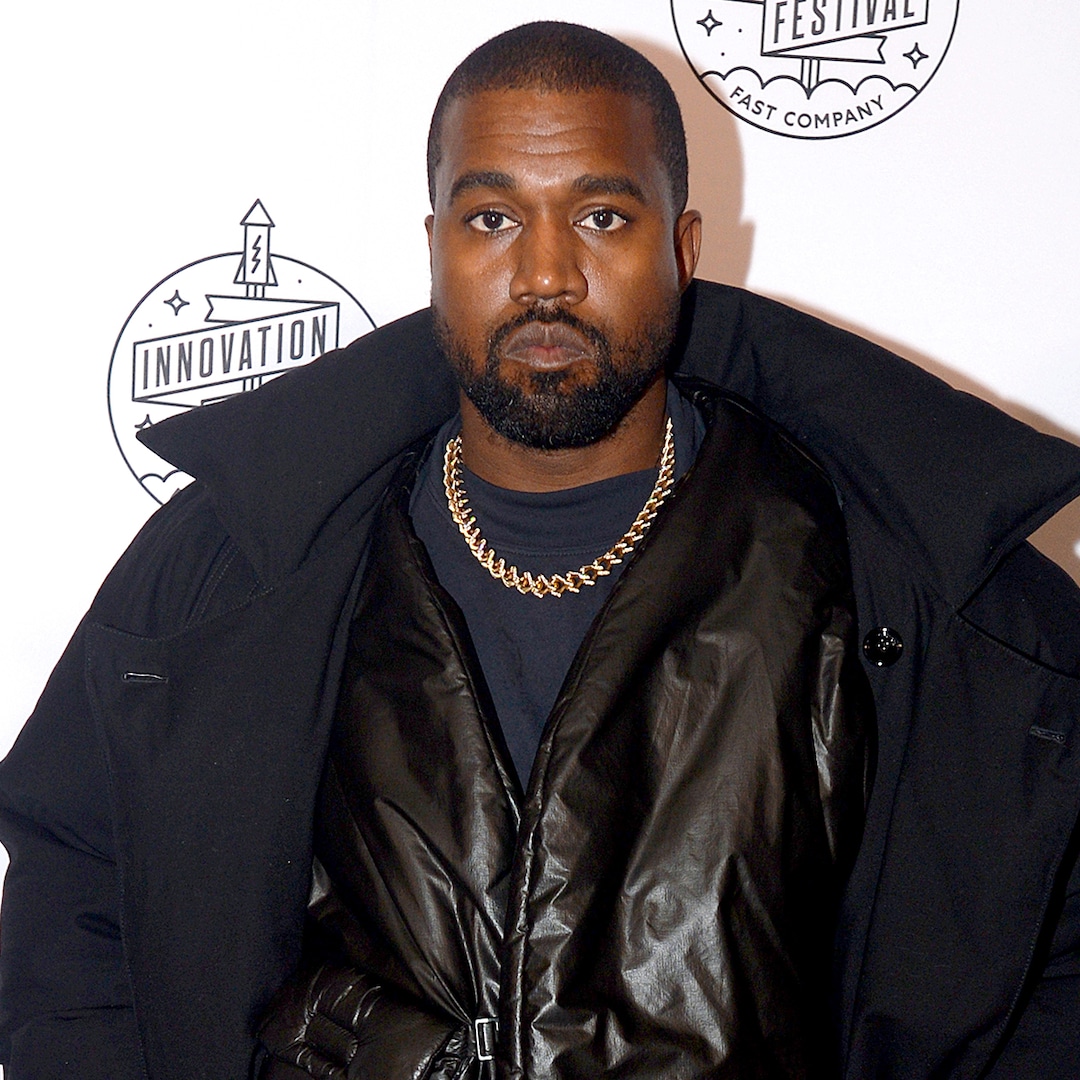
Kanye West's January 26, 2026 full-page Wall Street Journal apology represents a masterclass in high-stakes brand rehabilitation strategy with direct implications for e-commerce sellers managing reputation crises. The musician, now operating under the name Ye, invested significant capital in traditional media placement to address years of controversial statements that resulted in documented loss of business partnerships and brand collaborations. This case study reveals critical patterns in how public figures and brands attempt to recover market position after reputational damage—insights directly applicable to sellers facing similar challenges on Amazon, eBay, Shopify, and other platforms.
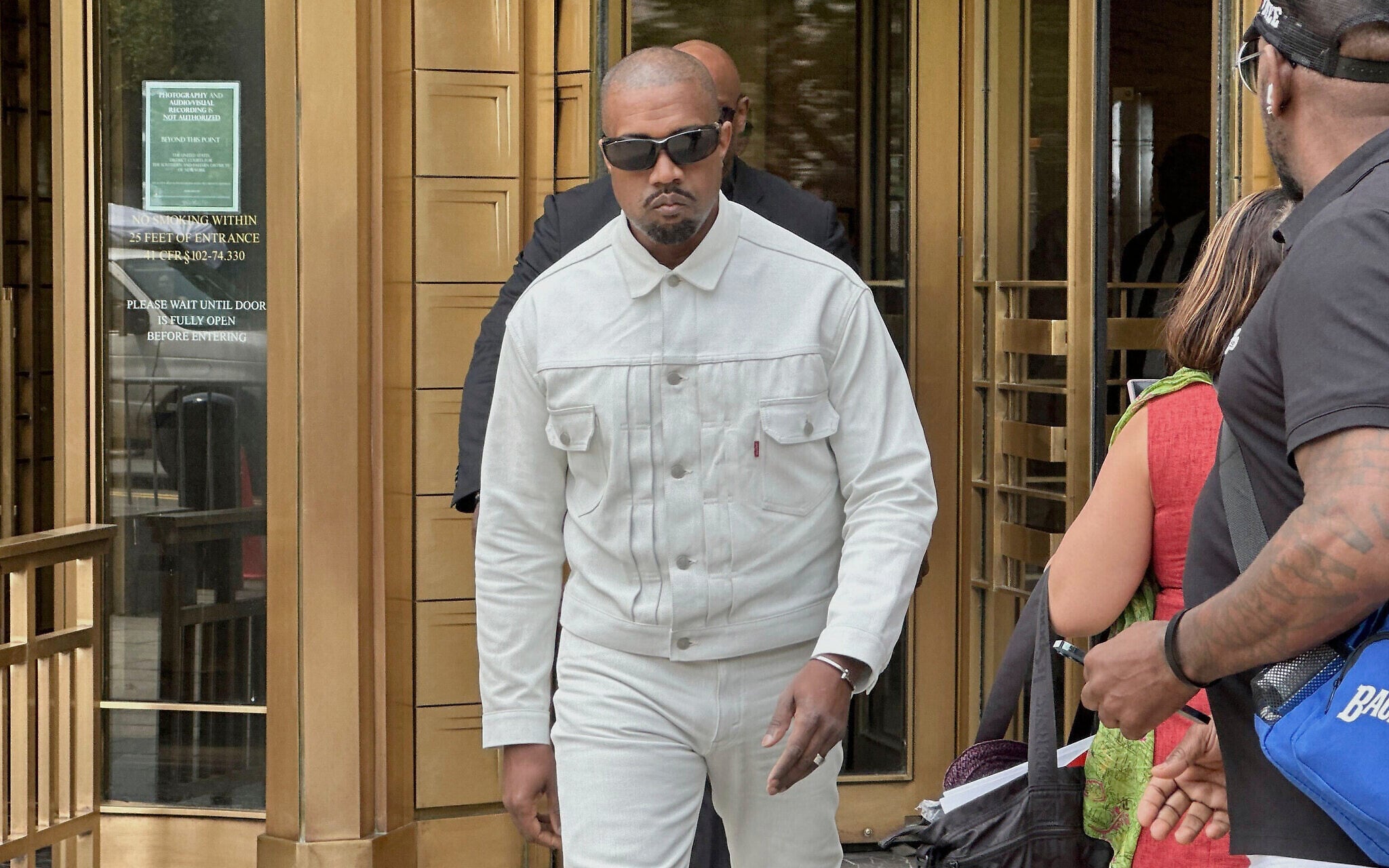
The strategic mechanics of Ye's recovery attempt illuminate key seller vulnerabilities. The apology attributed problematic behavior to medical conditions (bipolar I disorder and a 2002 brain injury), framing accountability through a health lens rather than intentional misconduct. However, news coverage documents substantial public skepticism, with reader comments expressing doubt about sincerity and suggesting the apology is strategically motivated to regain financial support rather than demonstrate genuine remorse. This skepticism mirrors challenges e-commerce sellers face when attempting to recover from policy violations, negative reviews, or brand controversies. The timing coincided with his appearance in federal court during the Sean Diddy Combs trial (2025), maintaining public visibility during the rehabilitation effort. Simultaneously, Spotify announced an upcoming album titled "Bully," indicating coordinated product launches alongside the apology campaign—a pattern sellers should recognize when competitors attempt market re-entry after suspension or negative publicity.
For e-commerce sellers, this case demonstrates the operational and financial costs of brand damage and the complexity of recovery. Ye's documented loss of business partnerships, brand collaborations, and platform restrictions created quantifiable business impact. His strategy of purchasing premium media space (Wall Street Journal full-page advertisement) to reach financial/business audiences rather than relying on social platforms signals a deliberate shift in communication channels. Sellers facing Amazon account suspension, eBay policy violations, or Shopify store restrictions can apply similar principles: traditional media outreach, third-party validation, and strategic timing of product launches can support reputation recovery. However, the widespread public skepticism documented in the news coverage underscores a critical risk: audiences increasingly scrutinize apologies and attribute them to financial motivation rather than genuine accountability. This suggests sellers should prioritize demonstrable operational changes (policy compliance improvements, third-party certifications, customer service enhancements) over statement-based apologies when rebuilding trust with platforms and consumers.
問題 7
What can sellers learn from Ye's media strategy for reputation recovery after account suspension?
Ye's strategy of purchasing premium media space (Wall Street Journal full-page advertisement) rather than relying on social platforms reveals a critical insight: traditional media placement can reach business audiences and platform decision-makers more effectively than social channels during reputation recovery. For sellers facing Amazon account suspension or eBay policy violations, this suggests investing in third-party validation (industry publications, business news coverage, certification announcements) rather than relying solely on customer-facing apologies. However, the widespread public skepticism documented in news coverage (readers attributing the apology to financial motivation) indicates that statement-based recovery is insufficient. Sellers should prioritize demonstrable operational improvements: policy compliance certifications, third-party audits, customer service metrics, and documented process changes that platforms can verify independently.
How does public skepticism about apologies affect seller credibility on e-commerce platforms?
The January 2026 news coverage documents substantial reader skepticism about Ye's apology, with commenters suggesting it was strategically motivated to regain financial support rather than demonstrate genuine remorse. This skepticism pattern directly parallels how Amazon, eBay, and Shopify customers evaluate seller apologies following policy violations or negative reviews. Platforms increasingly weight demonstrable actions over statements when assessing seller credibility. Sellers should expect that written apologies alone will not restore trust—platforms and customers now demand evidence of systemic change. This includes documented policy compliance improvements, third-party certifications, customer service response metrics, and operational audits. The skepticism trend suggests sellers should focus on metrics-driven recovery (measurable compliance improvements, customer satisfaction increases, defect rate reductions) rather than narrative-based explanations.