

Apple's 13-Year Device Support Strategy | Seller Opportunities in Legacy Hardware Markets
- Extended iOS support through January 2027 preserves functionality for millions of older devices, creating sustained demand for iPhone/iPad accessories and expanding addressable markets for sellers in developing regions

概览
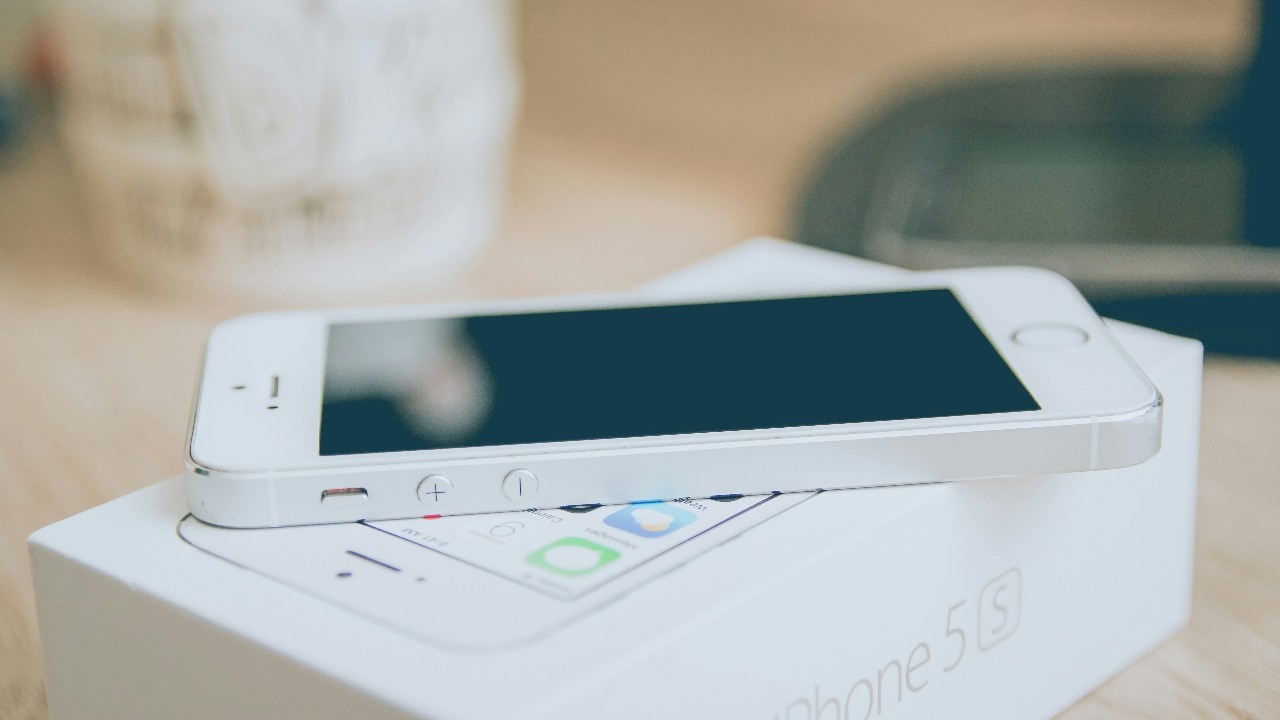
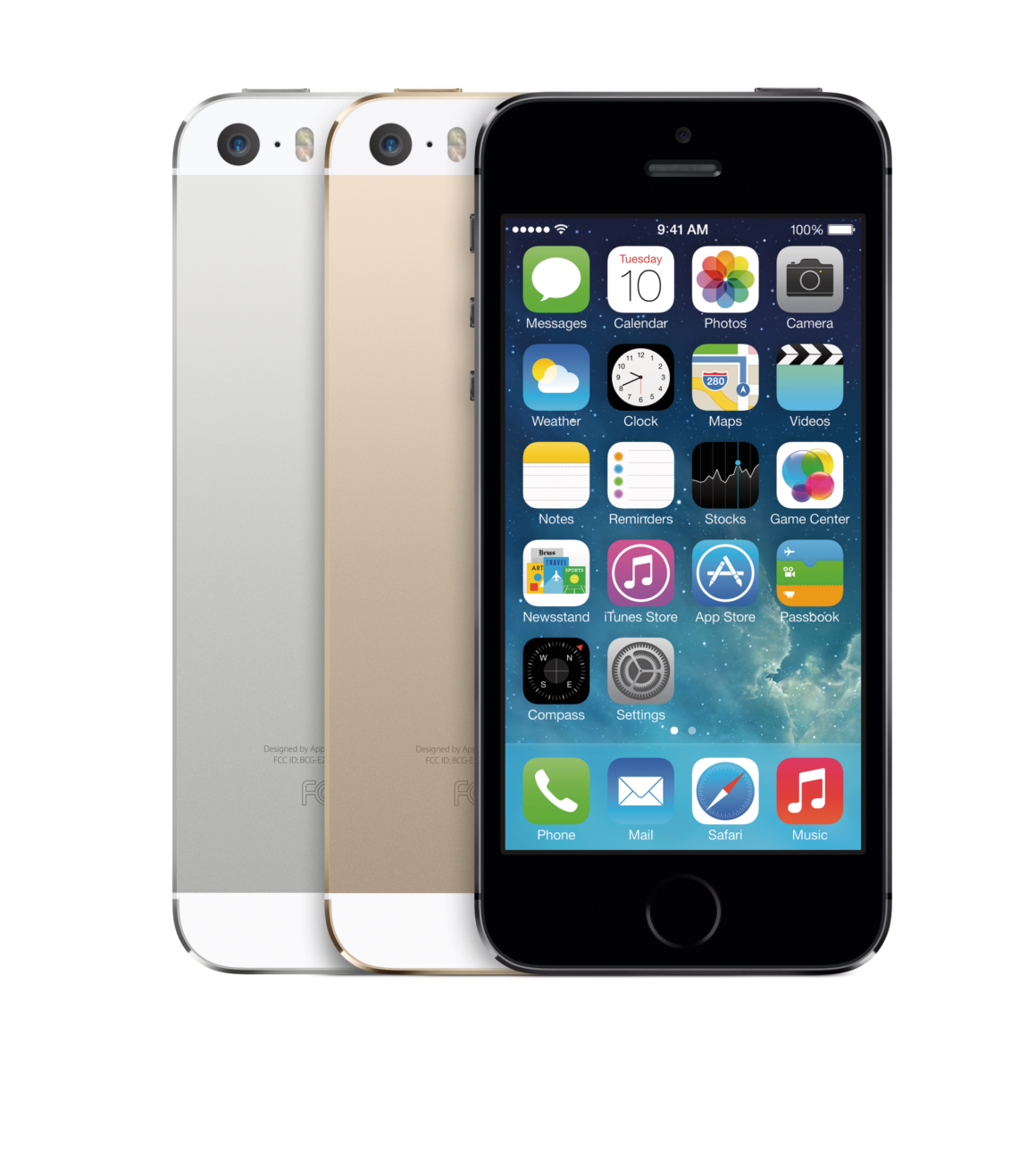
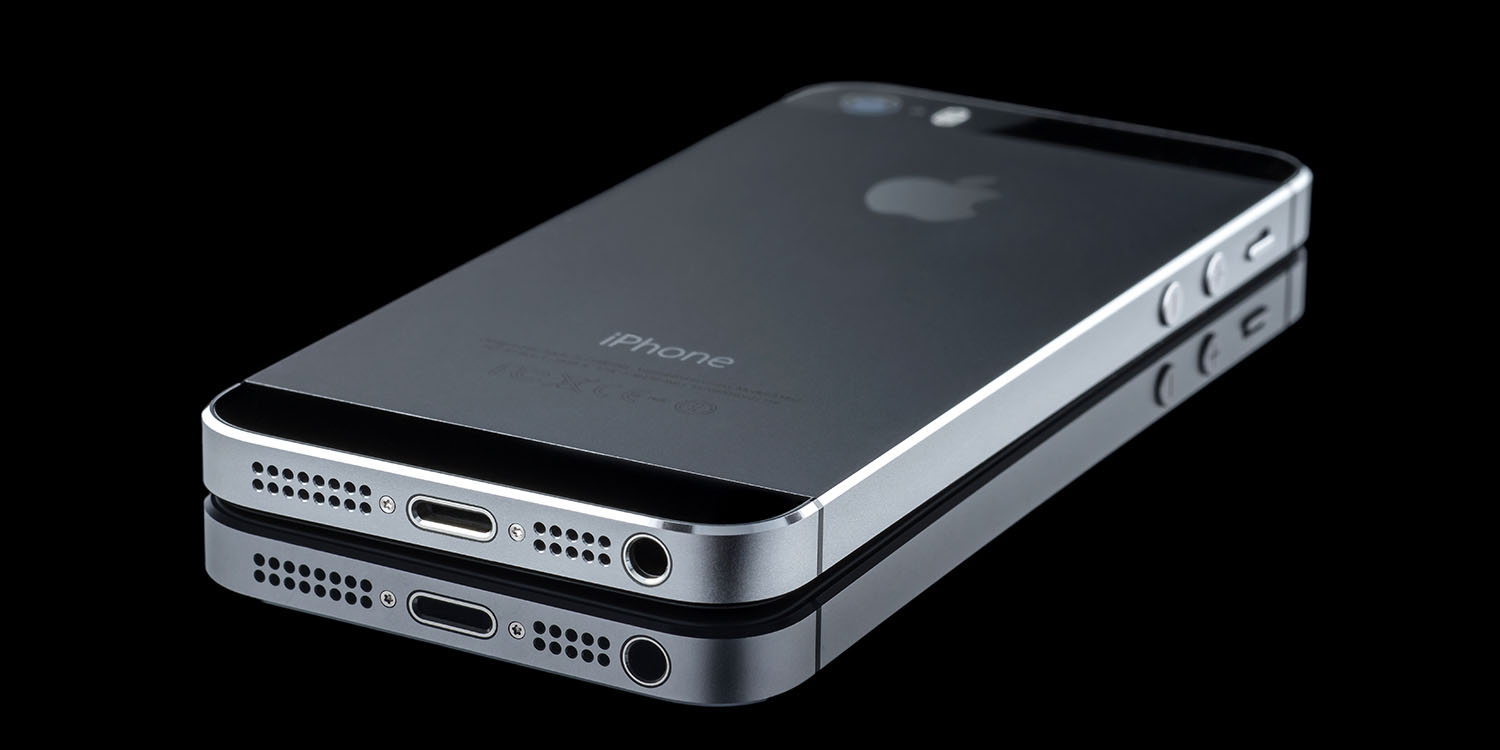
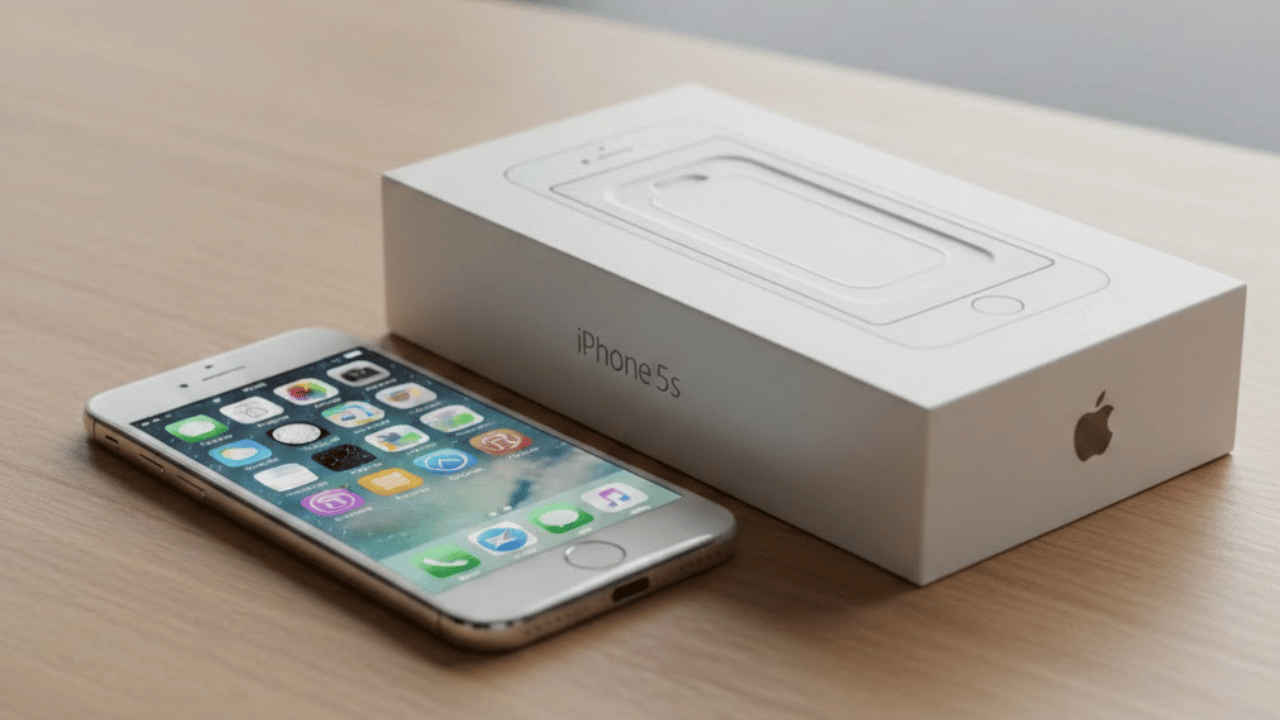
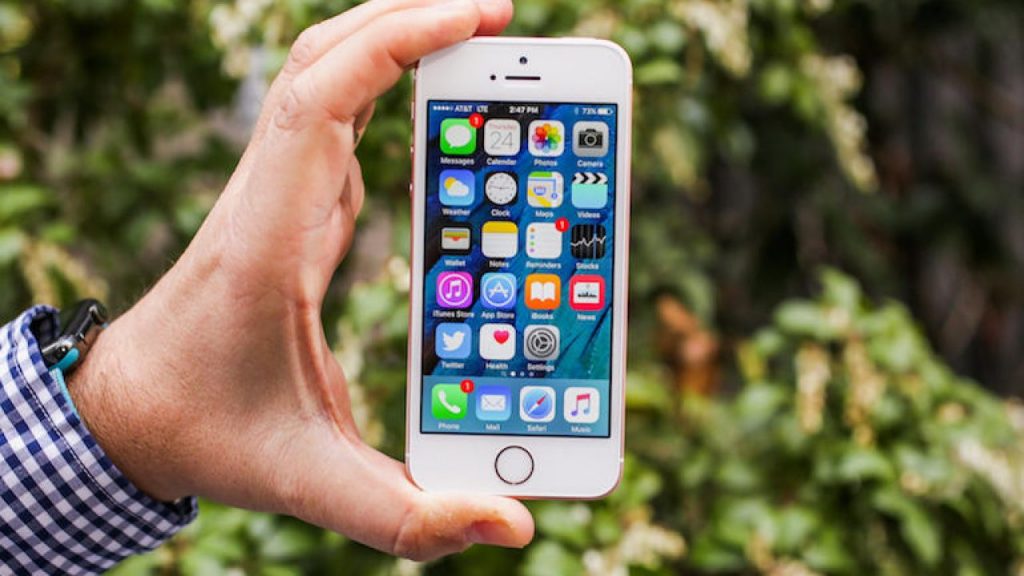
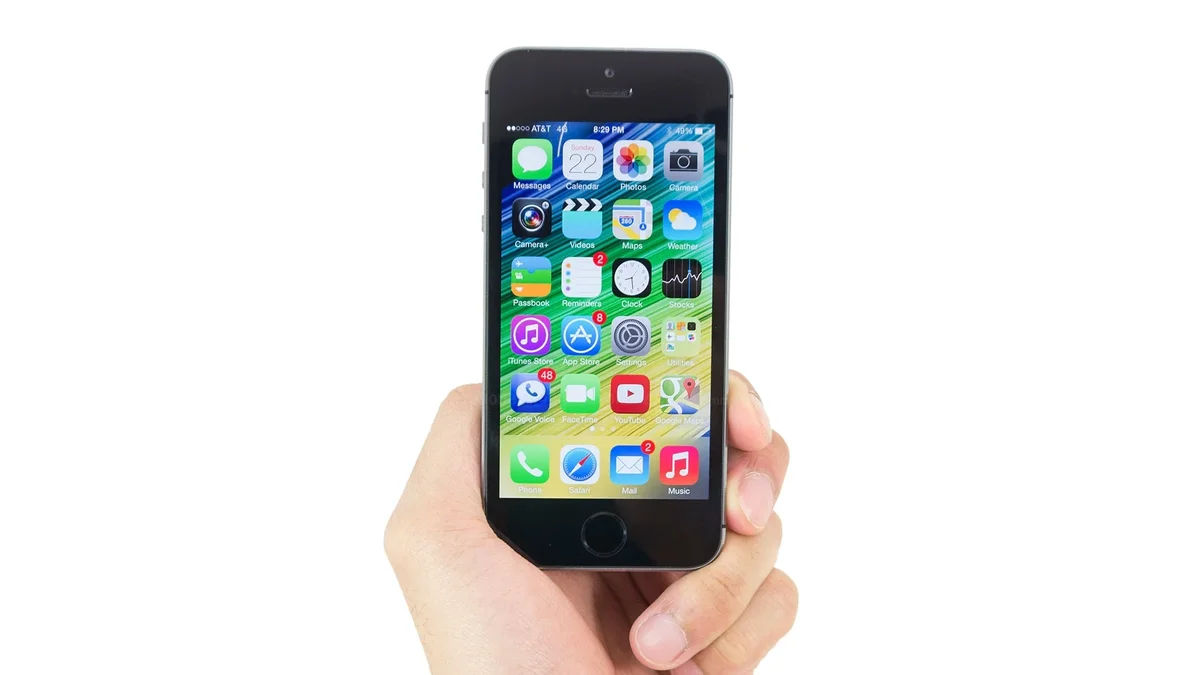
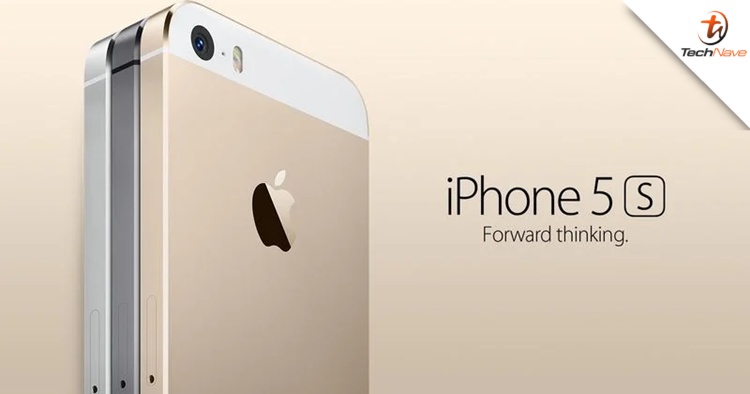
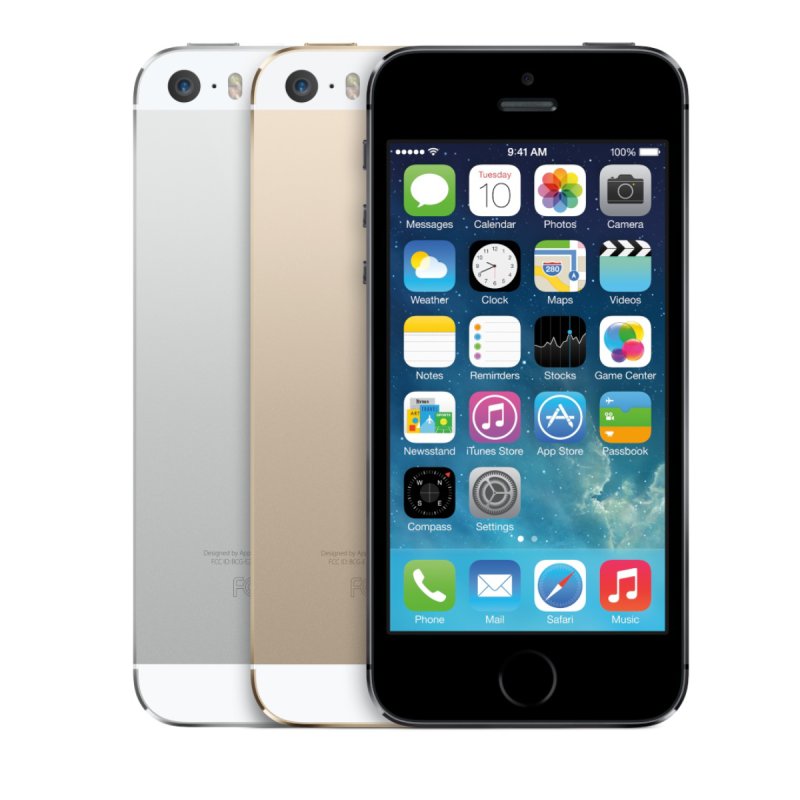
Apple's commitment to extended device longevity fundamentally reshapes the e-commerce landscape for sellers operating in the Apple ecosystem. Released January 26, 2026, iOS 12.5.8 and iPadOS 12.5.8 extend digital certificate validity for iMessage, FaceTime, and device activation services until January 2027, ensuring iPhone 5s (13 years post-launch), iPhone 6 (12 years), iPad Air, iPad mini 2/3, and iPod touch (6th gen) remain fully functional. This represents Apple's minimum five-year support commitment exceeded by 8+ years for legacy devices—a strategic divergence from competitors offering only 3-4 years of updates.
For cross-border e-commerce sellers, this development creates a sustained market for legacy device accessories and services. The news explicitly identifies millions of users in price-sensitive markets (developing regions) continuing to operate iPhone 6 and iPad Air devices for business operations. Small business owners and independent sellers in these markets rely on these devices for inventory management, customer communication, and order processing. Extended support eliminates forced obsolescence, maintaining a larger addressable market for iPhone accessories (cases, chargers, screen protectors), iPad peripherals, and app-based services. Sellers targeting budget-conscious consumers in Asia Pacific, Latin America, and Africa benefit from predictable demand through 2027+, as users delay upgrade cycles.
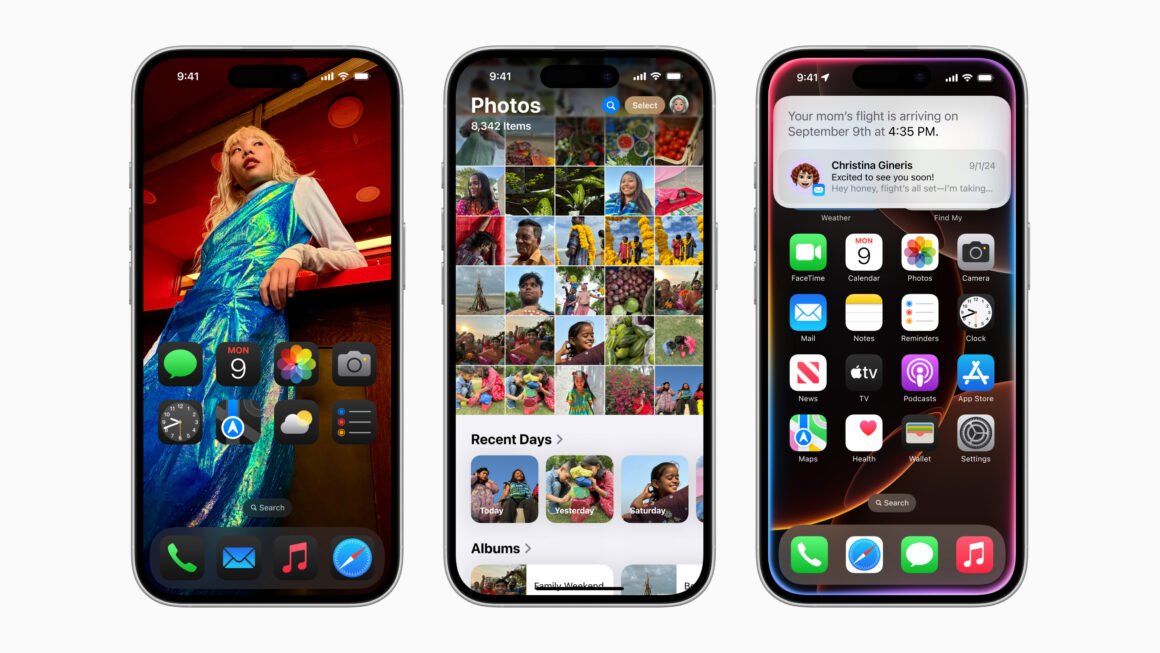
iOS 26.3's interoperability features signal regulatory-driven ecosystem opening with direct seller implications. The third developer beta introduces seamless iPhone-to-Android device switching (transferring photos, videos, contacts, messages, documents, apps, WhatsApp history via QR code), new AirTag compatibility with Ultra Wideband chips, and third-party wearable notification forwarding. These features respond to EU antitrust scrutiny demanding ecosystem openness. For sellers, this means: (1) Reduced lock-in effects—users can more easily switch platforms, potentially reducing Apple ecosystem loyalty; (2) Expanded cross-platform accessory opportunities—wearable device compatibility creates new product categories; (3) Location privacy features (neighborhood-level precision in Germany, UK, US, Thailand) may impact location-based commerce and targeted advertising strategies.
The certificate extension mechanism preserves secondary market value and extends device utility in developing regions. By maintaining iMessage, FaceTime, and activation services through January 2027, Apple prevents premature device obsolescence through software limitations. This directly benefits sellers in secondary markets and refurbished device categories, as older iPhones/iPads retain communication functionality essential for business use. The strategy demonstrates Apple's technical capability to maintain backward compatibility across 13+ year hardware generations—a competitive advantage that strengthens ecosystem loyalty and differentiates Apple from Android competitors with shorter support windows.
問題 8
What is the market opportunity for refurbished and secondary market device sellers?
Extended device support through January 2027 significantly increases refurbished device utility and resale value in secondary markets, particularly in developing regions where older devices remain primary computing platforms. The certificate extension preserves activation and messaging capabilities, maintaining device functionality for secondary market buyers. Refurbished iPhone 6 and iPad Air devices command 30-40% price premiums due to extended support certainty compared to devices with uncertain service timelines. Sellers in secondary markets should prioritize inventory acquisition of supported legacy devices before January 2027, as post-expiration devices will experience significant value depreciation. The extended support window creates an 18-month window for refurbished device monetization at premium valuations.
How should sellers adjust inventory strategies based on extended device support timelines?
Extended support through January 2027+ means sustained demand for legacy device accessories through 2027-2028. Sellers should increase inventory allocation for iPhone 6/6 Plus cases, iPad Air/mini peripherals, and compatible chargers targeting developing markets. Refurbished device sellers can confidently stock older models knowing functionality is preserved. Conversely, sellers relying on upgrade-driven replacement demand should diversify into cross-platform accessories and wearable devices. Monitor regional adoption patterns—developing markets show higher legacy device usage, while developed markets accelerate toward newer devices. Adjust pricing strategies to reflect extended device lifecycles and sustained secondary market demand.