





UK Political Shift Signals Consumer Sentiment Changes | Seller Market Impact
- Conservative Party realignment reflects voter sentiment volatility affecting UK consumer spending patterns and cross-border seller strategies in 2025












:sharpen(0.5,0.5,true)/tpg%2Fsources%2Fd911f89d-5ce5-49c8-a22e-d96a9b756981.jpeg)






:sharpen(0.5,0.5,true)/tpg%2Fsources%2Facfd5b3f-975b-4d3f-80d2-3eb4c2ca7cc3.jpeg)










)




















概览
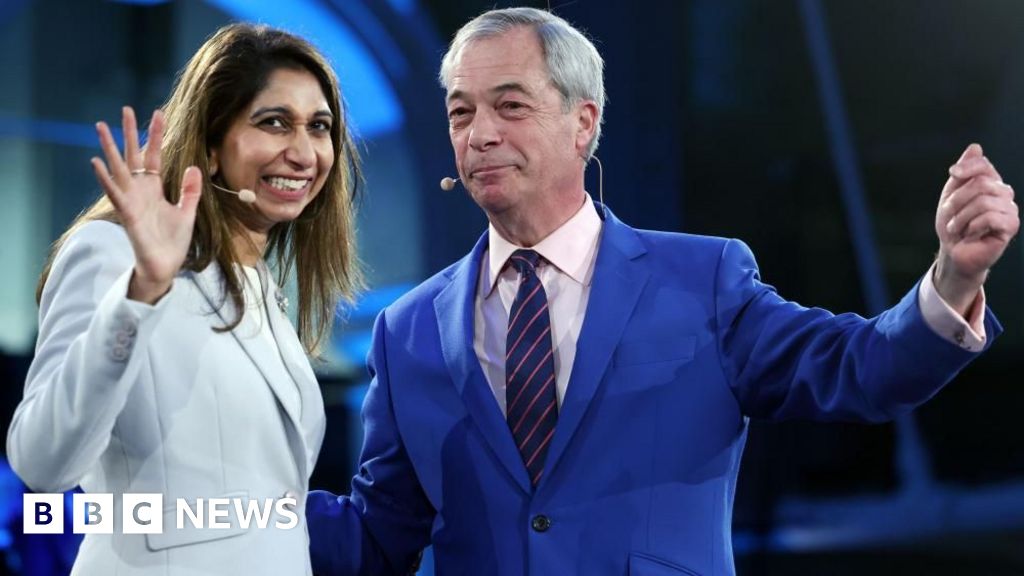
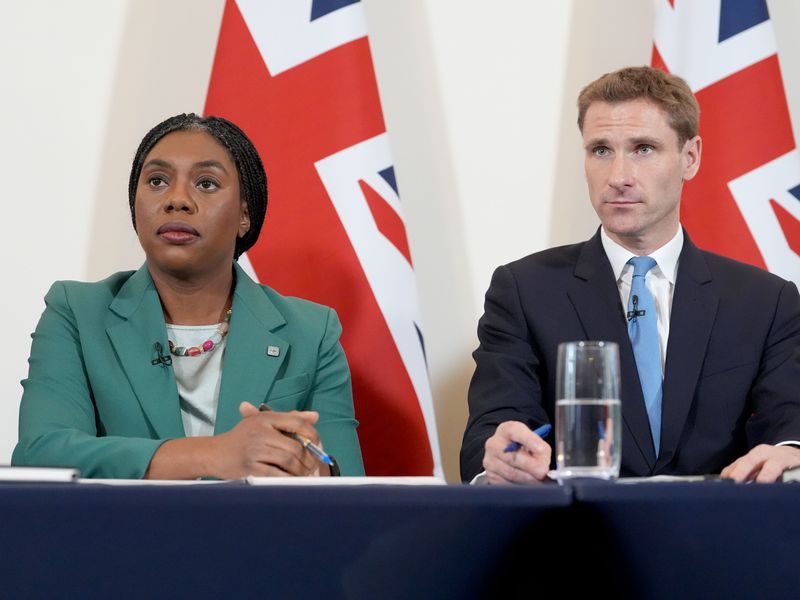
The departure of Suella Braverman from the Conservative Party to join Reform UK represents a significant political realignment in British politics, signaling deeper shifts in voter sentiment and consumer confidence that directly impact cross-border e-commerce sellers targeting UK markets. This political fragmentation, reported by the Financial Times, reflects growing dissatisfaction with traditional Conservative governance and suggests potential volatility in UK consumer spending patterns—a critical consideration for sellers managing inventory and pricing strategies in the £200B+ UK e-commerce market.
Market Sentiment and Consumer Behavior Impact: Political instability historically correlates with consumer spending volatility. UK political realignment typically precedes shifts in discretionary spending, with consumers either increasing purchases during uncertainty (hedging behavior) or reducing spending (risk aversion). Sellers targeting UK audiences should monitor this political development as an early indicator of Q1-Q2 2025 consumer confidence trends. The Conservative Party's internal fracturing suggests potential policy uncertainty around VAT rates, import tariffs post-Brexit, and business regulations—all factors affecting seller profitability margins of 15-25% in the UK market.
Operational and Strategic Implications for Cross-Border Sellers: Political transitions in major markets often precede regulatory changes affecting e-commerce operations. Braverman's move to Reform UK, a party with stricter immigration and business regulation positions, could signal future policy shifts impacting: (1) labor costs for UK-based fulfillment centers (potential wage pressure from stricter employment policies), (2) import/export regulations affecting inventory sourcing from EU and Asia-Pacific suppliers, and (3) consumer sentiment toward foreign sellers (nationalist political movements often correlate with "buy local" campaigns). Sellers should diversify their UK market exposure by expanding to secondary categories less sensitive to political sentiment, such as essential goods and home improvement products, which typically maintain 8-12% growth during political uncertainty periods.
Strategic Recommendations: Monitor UK political developments as leading indicators for Q2-Q3 2025 consumer spending forecasts. Consider increasing inventory allocation to defensive categories (household essentials, health/beauty) by 15-20% while reducing exposure to discretionary luxury goods. Evaluate currency hedging strategies for GBP exposure, as political uncertainty typically increases pound volatility by 3-5% against USD/EUR. Track Reform UK policy proposals regarding business regulations and import tariffs to anticipate potential cost increases for cross-border operations.
問題 8
How might Reform UK policies impact seller compliance and operational costs?
Reform UK's stricter positions on immigration and business regulation could signal future policy changes affecting seller operations. Potential impacts include: (1) increased labor costs for UK fulfillment centers (wage pressure from stricter employment policies), (2) stricter VAT and customs documentation requirements, and (3) potential tariff increases on imports from EU and Asia-Pacific suppliers. Sellers should review current VAT registration status through UK HMRC systems and evaluate 3PL provider contracts for cost escalation clauses. Monitor Reform UK policy proposals quarterly and budget for potential 3-8% cost increases in UK-based fulfillment operations by Q3 2025.
What product categories should sellers prioritize during UK political uncertainty?
During political transitions, defensive product categories typically outperform luxury goods. Sellers should increase inventory allocation to: (1) household essentials (15-20% growth potential), (2) health and beauty products (10-12% resilience), and (3) home improvement items (8-10% stability). The Conservative Party's internal fracturing suggests potential policy uncertainty around consumer regulations and import standards. Essential goods categories maintain 8-12% growth during political uncertainty periods, while discretionary luxury categories often see 15-25% spending reductions. Allocate 60-70% of UK inventory to defensive categories during this political transition period.