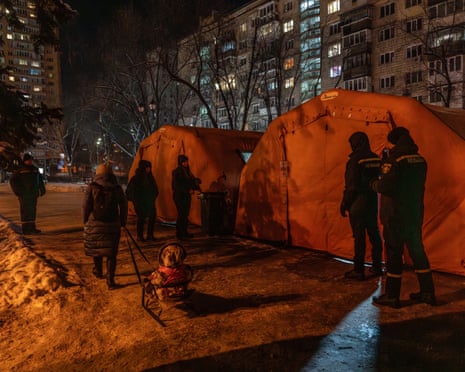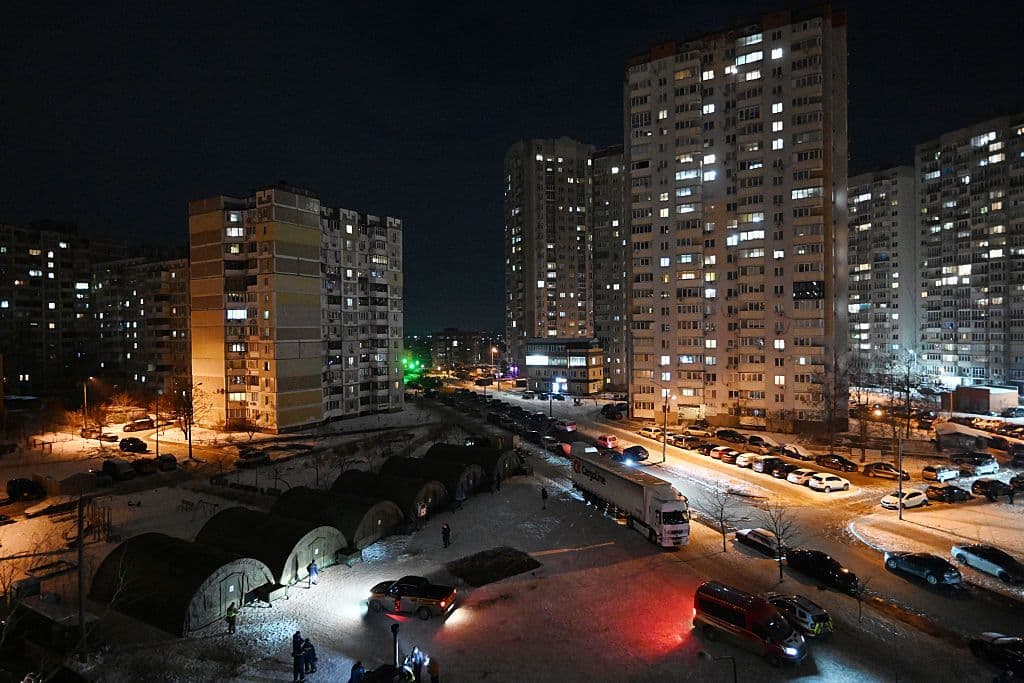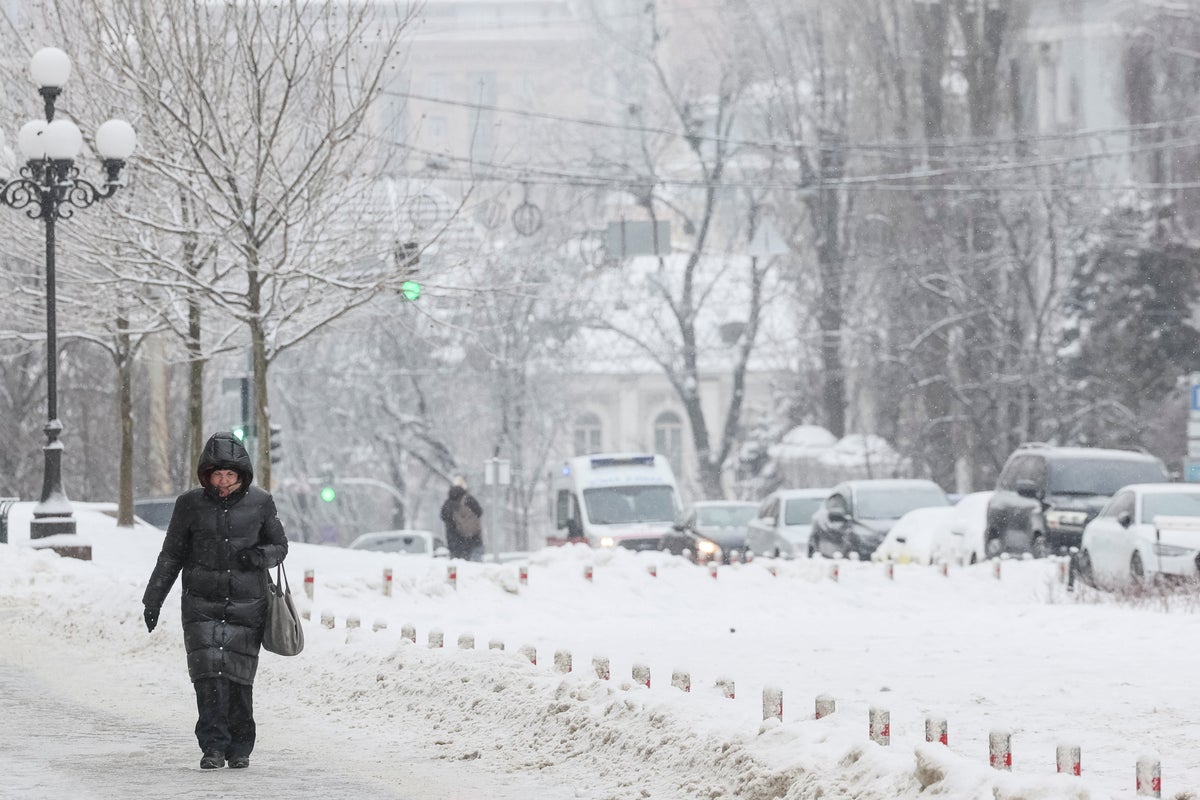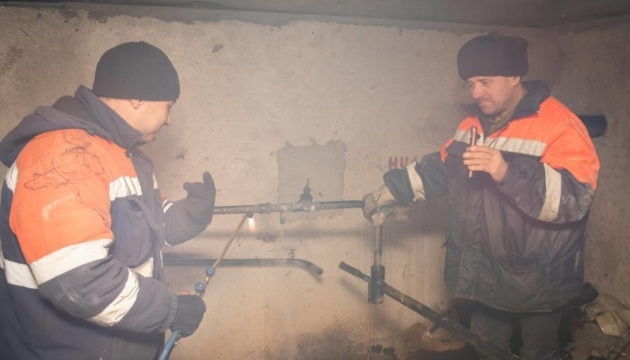
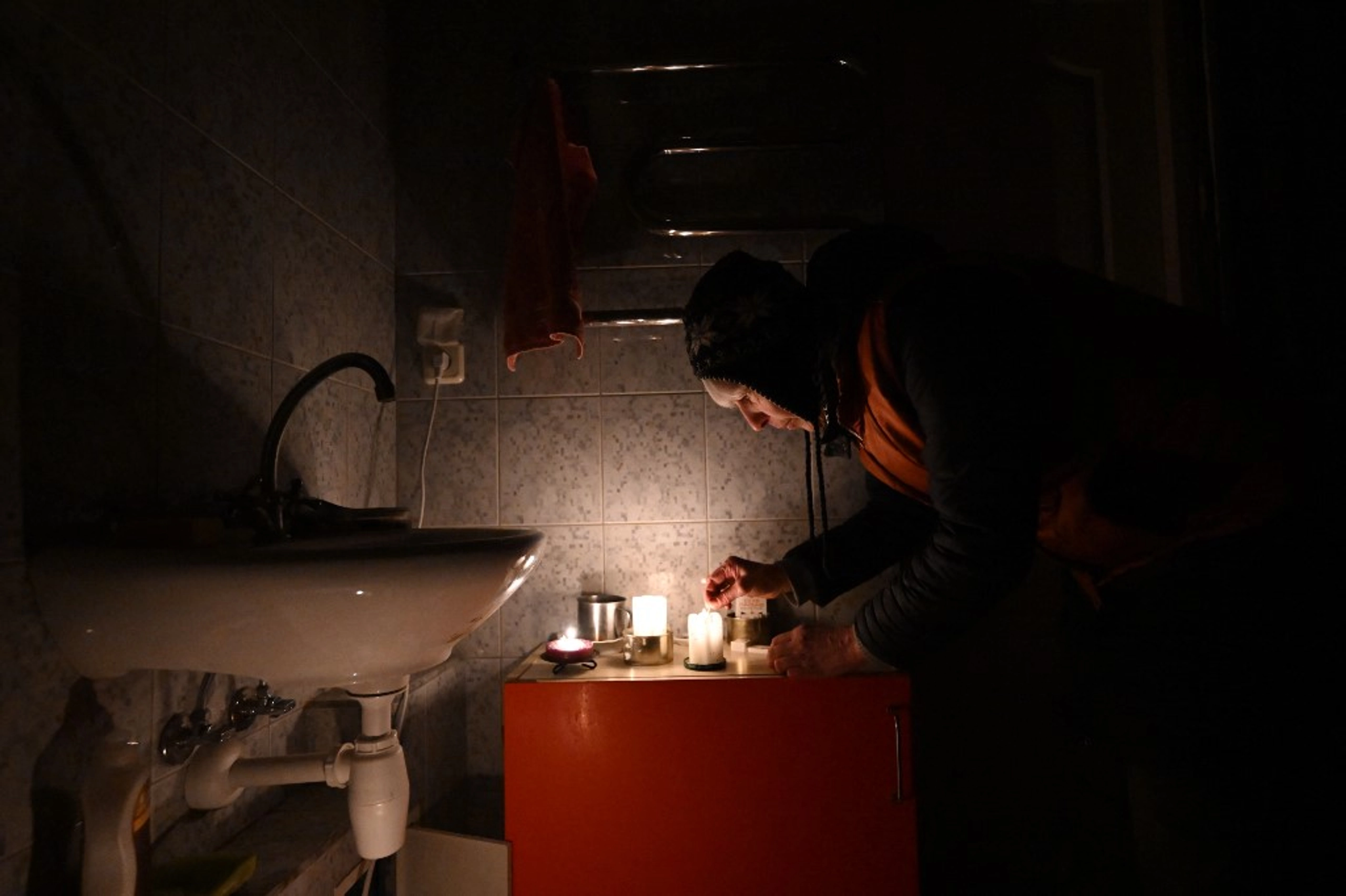


Ukraine faces a critical infrastructure collapse that directly impacts cross-border e-commerce operations across Eastern Europe. As reported on January 25, 2026, four years of sustained Russian military attacks have systematically destroyed Ukraine's electricity grid, leaving millions of residents without reliable power for extended periods daily. In major urban centers including Kyiv, Odesa, and Dnipro, indoor temperatures have dropped to approximately 50°F (10°C), forcing residents like 60-year-old Iryna Tkhoryk—a pet-store manager—to endure survival-level conditions with multiple clothing layers and hot-water bottles. This humanitarian crisis directly translates to operational paralysis for e-commerce sellers.
The immediate operational impact on cross-border sellers is severe and multifaceted. Ukrainian-based sellers operating on Amazon, eBay, Shopify, and regional marketplaces face critical disruptions: power outages disable inventory management systems, payment processing gateways, and customer communication channels for 12-18 hours daily. Warehouse operations in Kyiv, Odesa, and Dnipro cannot maintain climate-controlled storage for temperature-sensitive products (electronics, cosmetics, pharmaceuticals), creating inventory degradation risks. Last-mile delivery capabilities have collapsed—logistics partners cannot operate sorting facilities or maintain cold-chain operations, extending delivery times from 3-5 days to 10-14 days or indefinitely. International sellers serving the Ukrainian market face similar supply chain hemorrhaging: inability to reach customers, payment processing failures, and inventory stranded in non-functional warehouses.
The broader Eastern European market faces cascading supply chain instability. Ukraine historically served as a manufacturing and logistics hub for cross-border sellers targeting EU markets. With infrastructure devastated, sellers must rapidly reallocate inventory to alternative 3PL providers in Poland, Romania, or Hungary—increasing fulfillment costs by 15-25% and adding 5-7 days to delivery timelines. Payment processing disruptions affect not just Ukrainian operations but also regional payment networks serving multiple countries. Sellers with significant inventory exposure in Ukraine face potential total loss if power restoration timelines extend beyond 6-12 months. The geopolitical instability signals broader regional risk: sellers must evaluate whether Eastern European operations remain viable or require geographic diversification to Western EU markets with stable infrastructure.
Implement real-time supply chain monitoring: establish daily communication with 3PL providers, warehouse operators, and logistics partners in Ukraine, Poland, Romania, and Hungary. Track power grid status through local utility reports and geopolitical news sources. The news reports that blackouts have escalated from manageable inconveniences to critical survival situations, indicating rapid deterioration—sellers should assume conditions will worsen before improving. Develop contingency plans: identify alternative 3PL providers in Western EU, establish backup payment processing methods, and create customer communication templates for delivery delays. Diversify inventory geographically—avoid concentrating stock in any single Eastern European location. Monitor geopolitical developments closely; further military escalation could extend supply chain disruption to Poland and other EU neighbors. Sellers should budget 15-25% additional fulfillment costs for Eastern European operations and assume 5-7 day delivery delays as the new baseline until infrastructure is fully restored.
The decision depends on inventory value, customer relationships, and risk tolerance. The news indicates this is a severe, long-term crisis (four years of escalating attacks with no near-term resolution), suggesting sellers should assume 12+ months of operational disruption. Sellers with significant inventory exposure should exit immediately, accepting losses to preserve capital and operational focus. Sellers with established customer relationships and lower inventory exposure might maintain minimal presence (dropshipping, pre-order models) while infrastructure recovers. However, the geopolitical instability suggests this may not be temporary—sellers should evaluate whether Ukraine remains a viable market long-term or if geographic reallocation to stable EU markets is more prudent. Consider partnering with local Ukrainian sellers for post-crisis market re-entry rather than maintaining direct operations. The humanitarian crisis documented in the news (residents enduring 50°F temperatures) indicates this will be a multi-year recovery, not a months-long disruption.
Sellers face 20-35% increased logistics costs due to supply chain rerouting. Direct shipments to Ukrainian warehouses are no longer viable—goods must route through alternative 3PL providers in Poland, Romania, or Hungary, adding 5-7 days to delivery timelines and $50-150 per shipment in additional handling fees. Payment processing failures mean sellers cannot reliably collect revenue from Ukrainian customers, creating cash flow disruption. The infrastructure damage reported across major urban centers indicates logistics networks are non-functional, forcing sellers to either suspend operations or accept significantly extended delivery windows (10-14 days vs. historical 3-5 days). Sellers should evaluate whether Ukrainian market revenue justifies these operational costs or if geographic reallocation to stable EU markets is more prudent.
Amazon FBA sellers with inventory stored in Ukrainian fulfillment centers face immediate operational collapse. Power outages lasting 12-18 hours daily disable inventory tracking systems, barcode scanning, and climate control for temperature-sensitive products. Sellers cannot receive customer orders reliably, and existing inventory risks degradation without proper storage conditions. The news reports that electricity grid devastation across Kyiv, Odesa, and Dnipro has rendered heating systems non-functional, indicating warehouse climate control is similarly compromised. Sellers should immediately contact Amazon Seller Central to relocate inventory to EU-based fulfillment centers in Poland or Germany, accepting 15-25% higher storage fees but ensuring operational continuity.
Temperature-sensitive categories face immediate inventory loss: electronics (requiring climate control), cosmetics, pharmaceuticals, and perishable foods cannot survive 12-18 hour daily power outages without degradation. The news documents indoor temperatures at 50°F without functional heating, indicating warehouse conditions are similarly extreme. High-value, low-volume products (jewelry, luxury goods) should be prioritized for emergency relocation. Conversely, durable goods with lower sensitivity to temperature fluctuations (textiles, books, non-perishable items) can tolerate longer storage disruptions. Sellers should immediately audit inventory by category and implement triage: relocate high-value/temperature-sensitive items within 48 hours, liquidate or write off lower-value inventory, and suspend new shipments to Ukraine until infrastructure stabilizes. This crisis creates opportunity for sellers in alternative Eastern European hubs to capture market share from disrupted competitors.
The Ukraine crisis creates cascading supply chain instability across Eastern Europe. Ukraine historically served as a manufacturing and logistics hub for sellers targeting EU markets. With infrastructure devastated, sellers must rapidly reallocate inventory to alternative hubs in Poland, Romania, or Hungary, increasing fulfillment costs by 15-25% and extending delivery timelines by 5-7 days. The geopolitical instability signals broader regional risk—sellers should evaluate whether Eastern European operations remain viable or require geographic diversification to Western EU markets with stable infrastructure. Sellers with significant exposure to Ukraine-based suppliers or logistics partners must identify alternative sourcing immediately. The news indicates this is a long-term crisis (four years of sustained attacks with escalating severity), suggesting sellers should plan for 12+ months of supply chain disruption rather than temporary inconvenience.
Payment gateways and banking infrastructure are severely compromised by power outages. The news reports that electricity grid devastation has left millions without reliable power for extended periods, directly impacting payment processing systems that require continuous power and internet connectivity. Sellers accepting credit cards, PayPal, or regional payment methods face transaction failures, chargebacks, and fraud risk as customers attempt multiple payment attempts during outages. Sellers should implement alternative payment methods (cryptocurrency, bank transfers, prepayment) and clearly communicate payment delays to customers. Consider suspending new orders from Ukraine temporarily until infrastructure stabilizes, or require prepayment to mitigate chargeback risk. Monitor payment processor reports for Ukraine-specific transaction failure rates—expect 30-50% payment processing failures during peak outage periods.
Immediate action required: sellers must contact their 3PL providers and Ukrainian warehouse operators within 48 hours to assess inventory status and arrange emergency relocation. The news documents that residential heating systems are non-functional with indoor temperatures at 50°F, indicating commercial warehouse climate control is similarly compromised. Electronics, cosmetics, pharmaceuticals, and other temperature-sensitive products face degradation within 2-4 weeks without proper storage. Sellers should prioritize high-value inventory for immediate relocation to EU-based facilities, even accepting 25-30% higher storage costs. For lower-value inventory, sellers may need to write off losses or liquidate at steep discounts. Establish daily communication with logistics partners to monitor power restoration timelines—if electricity is not restored within 6 months, assume total inventory loss and adjust financial forecasts accordingly.
Implement real-time supply chain monitoring: establish daily communication with 3PL providers, warehouse operators, and logistics partners in Ukraine, Poland, Romania, and Hungary. Track power grid status through local utility reports and geopolitical news sources. The news reports that blackouts have escalated from manageable inconveniences to critical survival situations, indicating rapid deterioration—sellers should assume conditions will worsen before improving. Develop contingency plans: identify alternative 3PL providers in Western EU, establish backup payment processing methods, and create customer communication templates for delivery delays. Diversify inventory geographically—avoid concentrating stock in any single Eastern European location. Monitor geopolitical developments closely; further military escalation could extend supply chain disruption to Poland and other EU neighbors. Sellers should budget 15-25% additional fulfillment costs for Eastern European operations and assume 5-7 day delivery delays as the new baseline until infrastructure is fully restored.
The decision depends on inventory value, customer relationships, and risk tolerance. The news indicates this is a severe, long-term crisis (four years of escalating attacks with no near-term resolution), suggesting sellers should assume 12+ months of operational disruption. Sellers with significant inventory exposure should exit immediately, accepting losses to preserve capital and operational focus. Sellers with established customer relationships and lower inventory exposure might maintain minimal presence (dropshipping, pre-order models) while infrastructure recovers. However, the geopolitical instability suggests this may not be temporary—sellers should evaluate whether Ukraine remains a viable market long-term or if geographic reallocation to stable EU markets is more prudent. Consider partnering with local Ukrainian sellers for post-crisis market re-entry rather than maintaining direct operations. The humanitarian crisis documented in the news (residents enduring 50°F temperatures) indicates this will be a multi-year recovery, not a months-long disruption.
Sellers face 20-35% increased logistics costs due to supply chain rerouting. Direct shipments to Ukrainian warehouses are no longer viable—goods must route through alternative 3PL providers in Poland, Romania, or Hungary, adding 5-7 days to delivery timelines and $50-150 per shipment in additional handling fees. Payment processing failures mean sellers cannot reliably collect revenue from Ukrainian customers, creating cash flow disruption. The infrastructure damage reported across major urban centers indicates logistics networks are non-functional, forcing sellers to either suspend operations or accept significantly extended delivery windows (10-14 days vs. historical 3-5 days). Sellers should evaluate whether Ukrainian market revenue justifies these operational costs or if geographic reallocation to stable EU markets is more prudent.
Amazon FBA sellers with inventory stored in Ukrainian fulfillment centers face immediate operational collapse. Power outages lasting 12-18 hours daily disable inventory tracking systems, barcode scanning, and climate control for temperature-sensitive products. Sellers cannot receive customer orders reliably, and existing inventory risks degradation without proper storage conditions. The news reports that electricity grid devastation across Kyiv, Odesa, and Dnipro has rendered heating systems non-functional, indicating warehouse climate control is similarly compromised. Sellers should immediately contact Amazon Seller Central to relocate inventory to EU-based fulfillment centers in Poland or Germany, accepting 15-25% higher storage fees but ensuring operational continuity.
Temperature-sensitive categories face immediate inventory loss: electronics (requiring climate control), cosmetics, pharmaceuticals, and perishable foods cannot survive 12-18 hour daily power outages without degradation. The news documents indoor temperatures at 50°F without functional heating, indicating warehouse conditions are similarly extreme. High-value, low-volume products (jewelry, luxury goods) should be prioritized for emergency relocation. Conversely, durable goods with lower sensitivity to temperature fluctuations (textiles, books, non-perishable items) can tolerate longer storage disruptions. Sellers should immediately audit inventory by category and implement triage: relocate high-value/temperature-sensitive items within 48 hours, liquidate or write off lower-value inventory, and suspend new shipments to Ukraine until infrastructure stabilizes. This crisis creates opportunity for sellers in alternative Eastern European hubs to capture market share from disrupted competitors.
The Ukraine crisis creates cascading supply chain instability across Eastern Europe. Ukraine historically served as a manufacturing and logistics hub for sellers targeting EU markets. With infrastructure devastated, sellers must rapidly reallocate inventory to alternative hubs in Poland, Romania, or Hungary, increasing fulfillment costs by 15-25% and extending delivery timelines by 5-7 days. The geopolitical instability signals broader regional risk—sellers should evaluate whether Eastern European operations remain viable or require geographic diversification to Western EU markets with stable infrastructure. Sellers with significant exposure to Ukraine-based suppliers or logistics partners must identify alternative sourcing immediately. The news indicates this is a long-term crisis (four years of sustained attacks with escalating severity), suggesting sellers should plan for 12+ months of supply chain disruption rather than temporary inconvenience.
Payment gateways and banking infrastructure are severely compromised by power outages. The news reports that electricity grid devastation has left millions without reliable power for extended periods, directly impacting payment processing systems that require continuous power and internet connectivity. Sellers accepting credit cards, PayPal, or regional payment methods face transaction failures, chargebacks, and fraud risk as customers attempt multiple payment attempts during outages. Sellers should implement alternative payment methods (cryptocurrency, bank transfers, prepayment) and clearly communicate payment delays to customers. Consider suspending new orders from Ukraine temporarily until infrastructure stabilizes, or require prepayment to mitigate chargeback risk. Monitor payment processor reports for Ukraine-specific transaction failure rates—expect 30-50% payment processing failures during peak outage periods.
Immediate action required: sellers must contact their 3PL providers and Ukrainian warehouse operators within 48 hours to assess inventory status and arrange emergency relocation. The news documents that residential heating systems are non-functional with indoor temperatures at 50°F, indicating commercial warehouse climate control is similarly compromised. Electronics, cosmetics, pharmaceuticals, and other temperature-sensitive products face degradation within 2-4 weeks without proper storage. Sellers should prioritize high-value inventory for immediate relocation to EU-based facilities, even accepting 25-30% higher storage costs. For lower-value inventory, sellers may need to write off losses or liquidate at steep discounts. Establish daily communication with logistics partners to monitor power restoration timelines—if electricity is not restored within 6 months, assume total inventory loss and adjust financial forecasts accordingly.
Implement real-time supply chain monitoring: establish daily communication with 3PL providers, warehouse operators, and logistics partners in Ukraine, Poland, Romania, and Hungary. Track power grid status through local utility reports and geopolitical news sources. The news reports that blackouts have escalated from manageable inconveniences to critical survival situations, indicating rapid deterioration—sellers should assume conditions will worsen before improving. Develop contingency plans: identify alternative 3PL providers in Western EU, establish backup payment processing methods, and create customer communication templates for delivery delays. Diversify inventory geographically—avoid concentrating stock in any single Eastern European location. Monitor geopolitical developments closely; further military escalation could extend supply chain disruption to Poland and other EU neighbors. Sellers should budget 15-25% additional fulfillment costs for Eastern European operations and assume 5-7 day delivery delays as the new baseline until infrastructure is fully restored.
The decision depends on inventory value, customer relationships, and risk tolerance. The news indicates this is a severe, long-term crisis (four years of escalating attacks with no near-term resolution), suggesting sellers should assume 12+ months of operational disruption. Sellers with significant inventory exposure should exit immediately, accepting losses to preserve capital and operational focus. Sellers with established customer relationships and lower inventory exposure might maintain minimal presence (dropshipping, pre-order models) while infrastructure recovers. However, the geopolitical instability suggests this may not be temporary—sellers should evaluate whether Ukraine remains a viable market long-term or if geographic reallocation to stable EU markets is more prudent. Consider partnering with local Ukrainian sellers for post-crisis market re-entry rather than maintaining direct operations. The humanitarian crisis documented in the news (residents enduring 50°F temperatures) indicates this will be a multi-year recovery, not a months-long disruption.