



USD/JPY Volatility & Japan Election | Critical FX Hedging Window for Cross-Border Sellers
- Treasury intervention boosts yen 2-4% amid political transition; sellers face margin compression on Japan-US trade corridor with immediate pricing and hedging opportunities

























概览
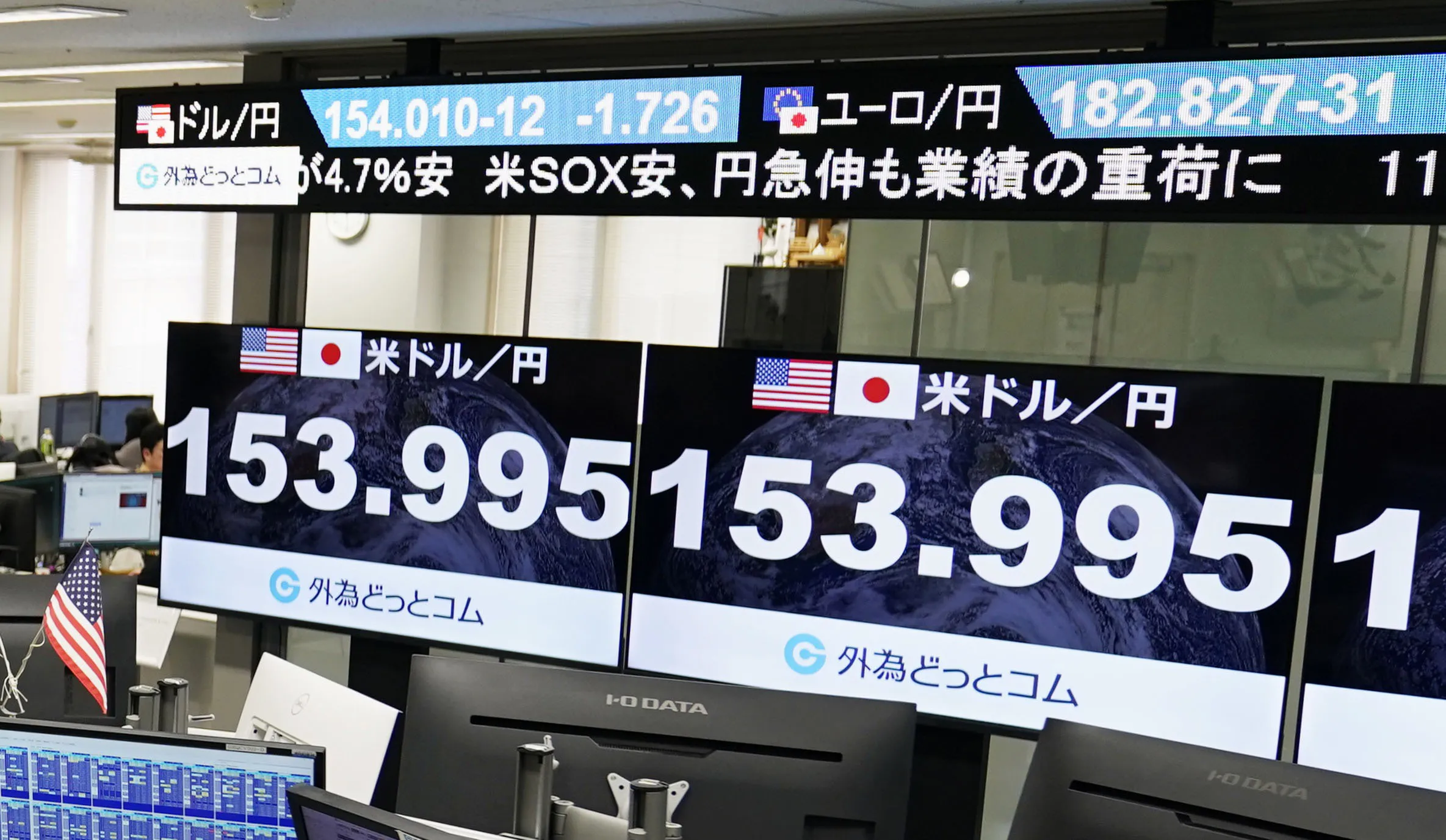
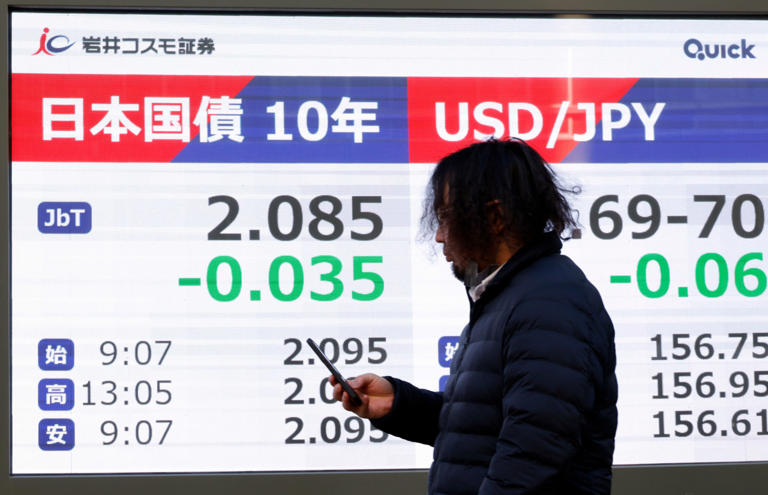
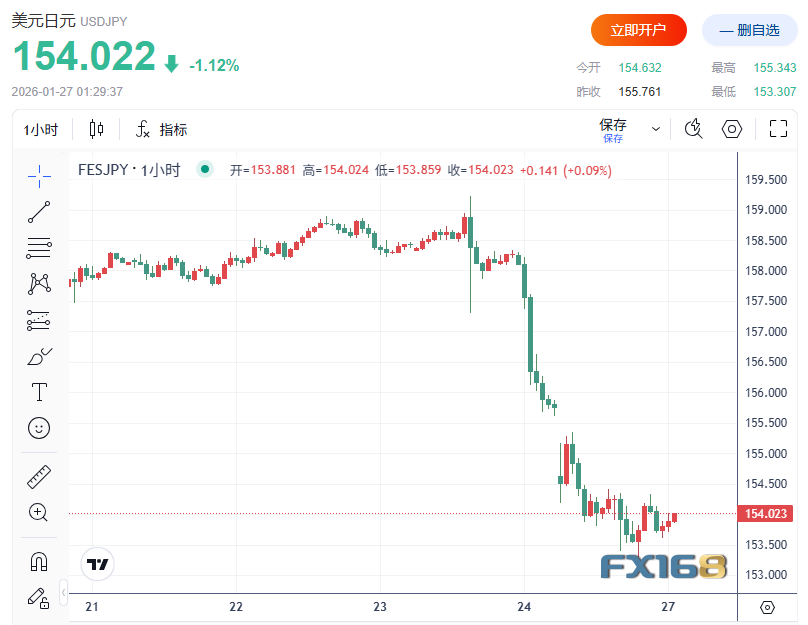
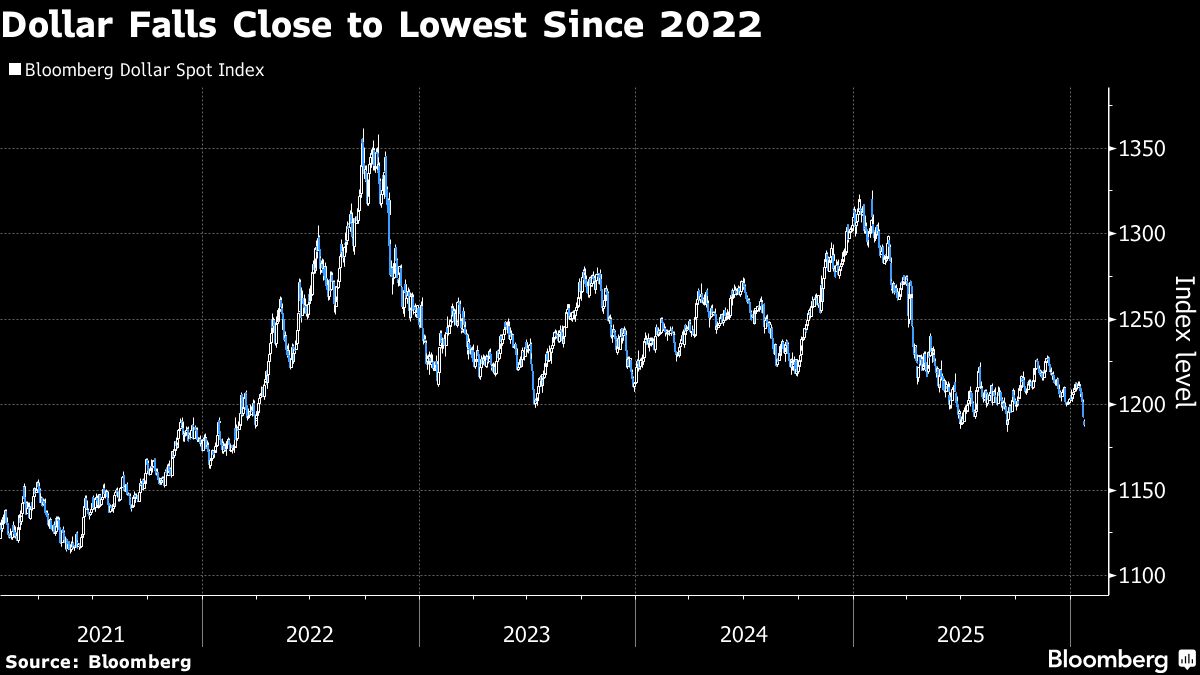
The Japanese yen strengthened following U.S. Treasury Department rate checks on Friday, with Wall Street monitoring potential government intervention in the USD/JPY exchange rate. Simultaneously, Japan's political landscape shifted as Sanae Takaichi launched her election campaign, signaling potential policy changes affecting trade frameworks and monetary policy. For cross-border e-commerce sellers, this dual catalyst—currency volatility plus political uncertainty—creates both immediate financial risks and strategic opportunities in the Japan-US trade corridor, one of the largest cross-border e-commerce markets globally.
Currency Impact on Seller Margins and Pricing Strategy: A stronger yen directly compresses margins for US-based sellers importing Japanese products or pricing in dollars for Japanese buyers. Sellers with significant Japan-US trade exposure face immediate decisions: those holding yen-denominated inventory see costs rise 2-4% per 100 basis points of yen appreciation, while sellers pricing in USD for Japanese Amazon/Rakuten customers experience reduced competitiveness as products become 2-4% more expensive to local buyers. Conversely, US sellers exporting to Japan benefit from a weaker dollar, making American products more attractive in Japanese marketplaces. The Treasury's rate check signals potential intervention, creating a narrow window for sellers to lock in favorable FX rates through forward contracts or currency hedging before intervention widens spreads.
Political Transition Risk and Trade Policy Uncertainty: Sanae Takaichi's election campaign introduces policy uncertainty affecting tariffs, trade agreements, and e-commerce regulatory frameworks. New Japanese administrations historically implement changes to import duties (affecting electronics, apparel, and consumer goods categories), consumer protection regulations, and digital commerce compliance requirements. Sellers should monitor Takaichi's policy positions on trade liberalization versus protectionism—a shift toward protectionism could increase tariffs on US imports by 5-15%, directly impacting sellers' cost structures. The yen's stabilization during her campaign launch suggests market confidence in policy continuity, but this could shift rapidly depending on election outcomes and policy announcements.
Working Capital and Cash Flow Optimization: For sellers with significant yen-denominated revenue or costs, the current volatility window presents opportunities to optimize working capital. Sellers can accelerate invoice financing on yen-denominated receivables before further appreciation erodes value, or lock in forward FX contracts to protect margin on upcoming inventory purchases. Cross-border payment providers like Wise, OFX, and Remitly offer 1-2% better rates than traditional banks on USD/JPY corridors, potentially saving $500-2,000 monthly on $100K+ monthly transaction volumes. Sellers should also review their payment settlement timing—delaying yen conversion by 5-10 days during volatile periods can capture 50-100 basis points of favorable movement.
問題 8
How does yen appreciation affect US sellers importing from Japan?
A stronger yen increases import costs for US sellers by 2-4% per 100 basis points of appreciation. If you're importing electronics or apparel from Japan at $100K monthly volume, a 200 basis point yen move costs you $2,000-4,000 in additional expenses. The Treasury's recent rate check boosted the yen, signaling potential intervention that could accelerate this trend. Sellers should immediately lock in forward FX contracts at current rates to protect margins before further appreciation. Consider accelerating invoice financing on yen-denominated payables to convert them at favorable rates before the yen strengthens further.
How can sellers unlock working capital during yen volatility?
Invoice financing on yen-denominated receivables accelerates cash conversion by 10-15 days, allowing you to convert yen at favorable rates before further appreciation. Providers like Fundbox and BlueVine offer 1.5-3% fees on invoice financing, cheaper than the 2-4% cost of yen appreciation over 15 days. Inventory financing from providers like Clearco and Shopify Capital offers 8-15% APR for sellers needing cash to rebalance inventory between markets. For sellers with $200K+ monthly Japan revenue, accelerating yen conversion through invoice financing can unlock $10K-20K in working capital within 5-10 days. Lock in forward FX contracts simultaneously to protect the converted amount against further yen appreciation.