




China Military Leadership Purge 2026 | Supply Chain Risk & Seller Compliance Impact
- Xi Jinping's removal of General Liu Zhenli and Zhang Youxia signals institutional instability affecting 50K+ cross-border sellers sourcing from China; potential 2-4 week manufacturing delays and regulatory uncertainty expected through Q2 2026











概览
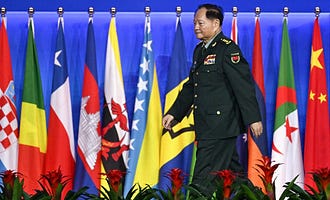
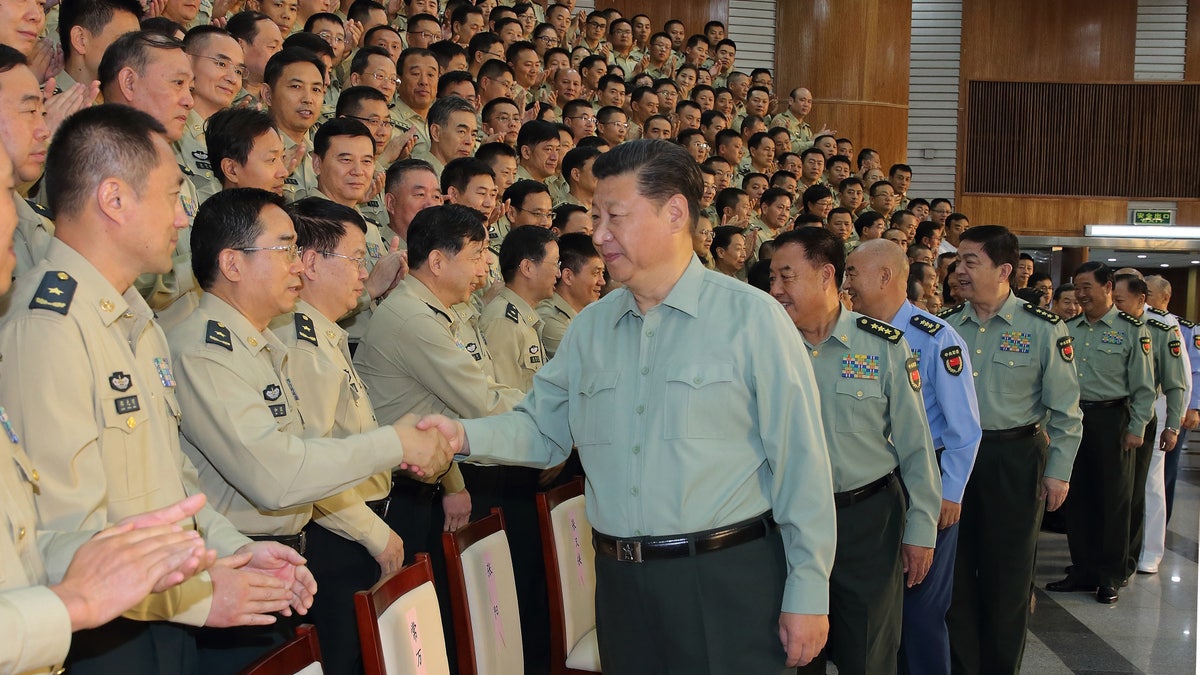
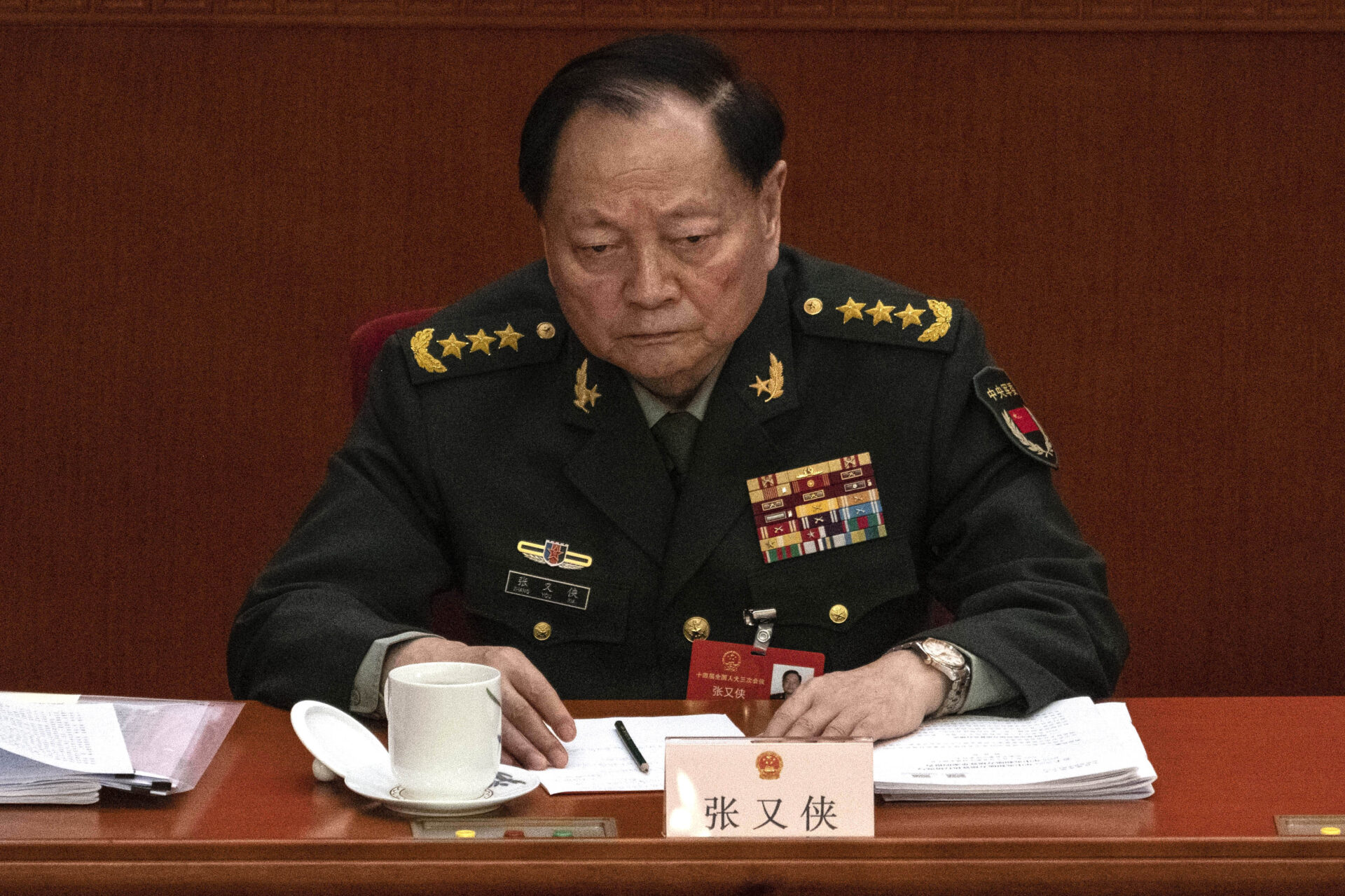
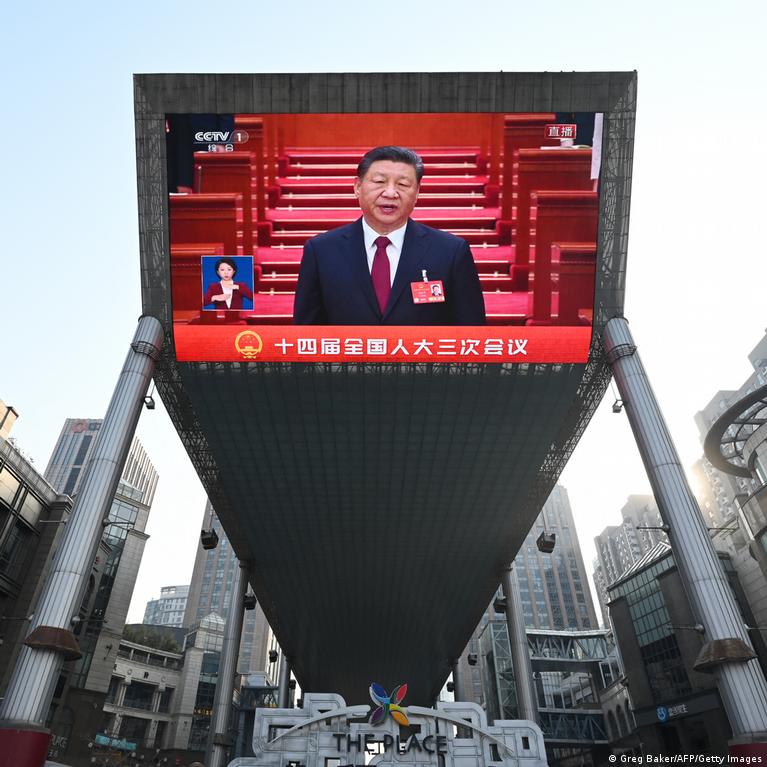
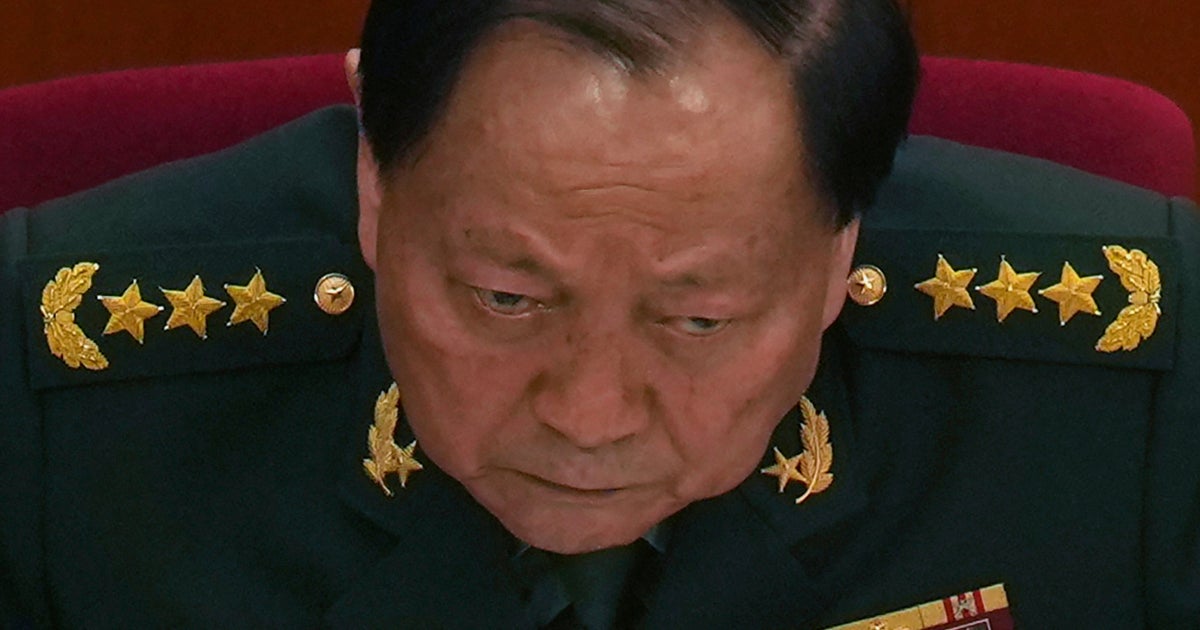
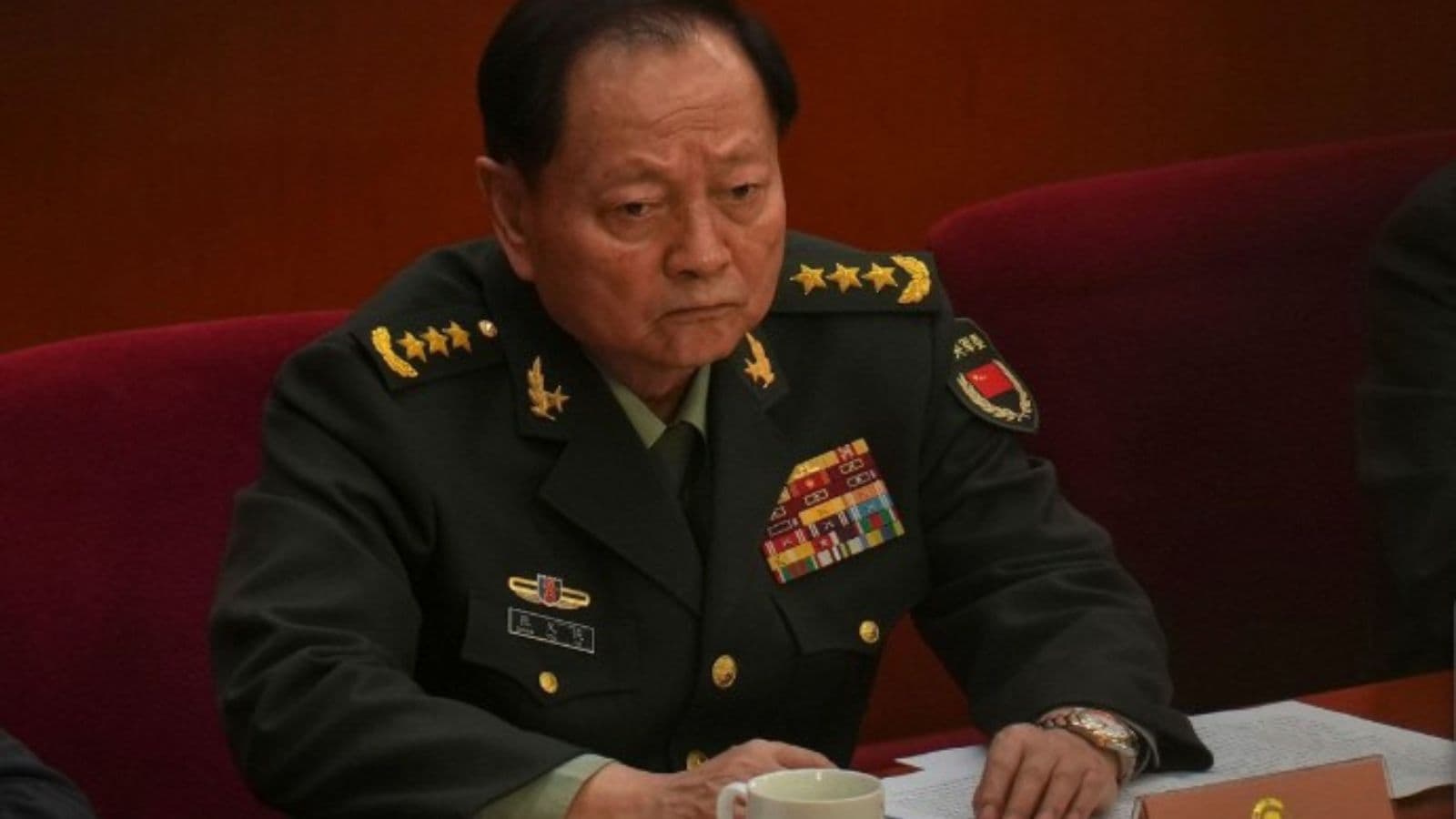
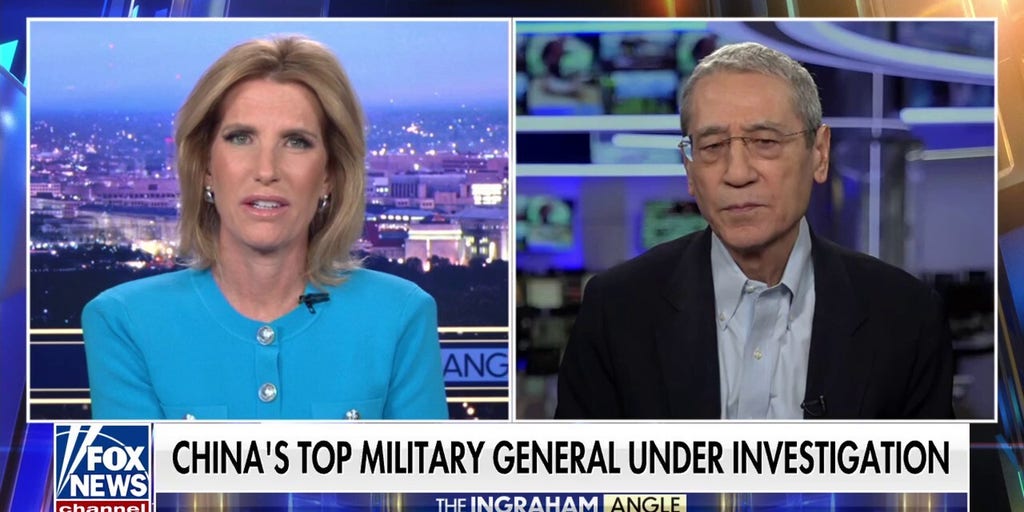
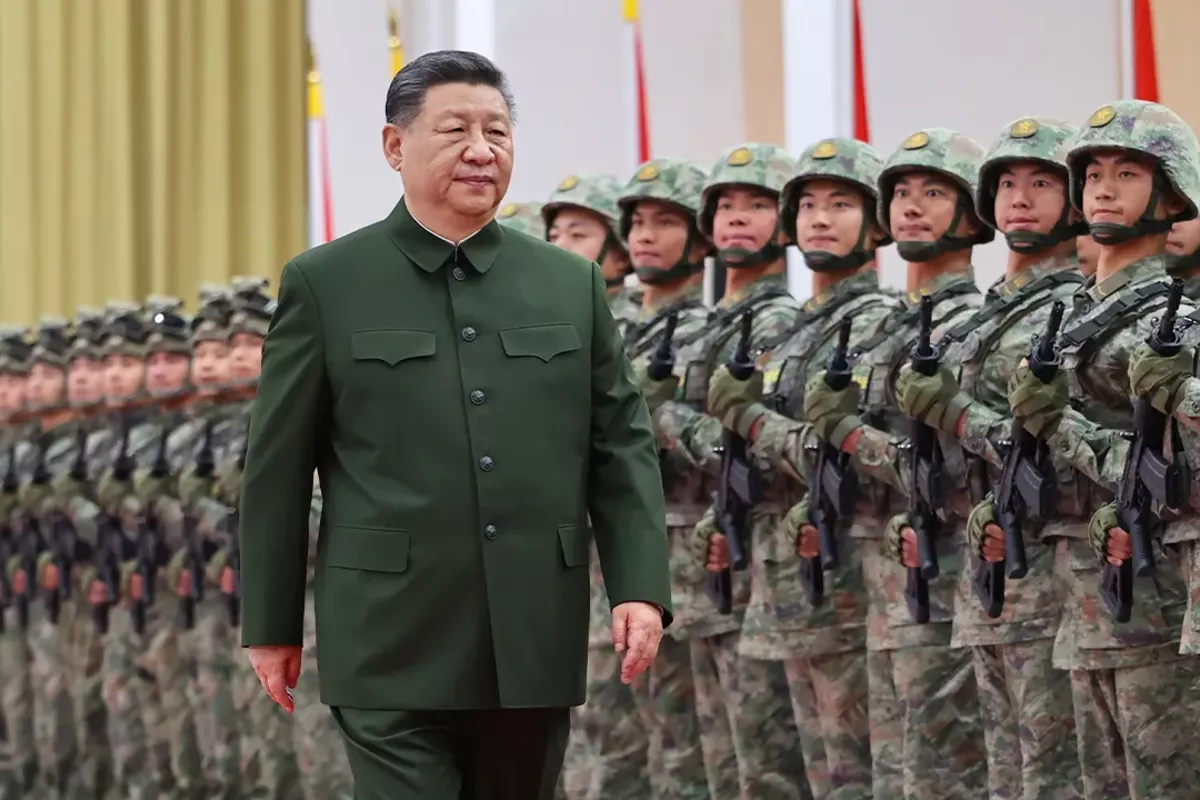
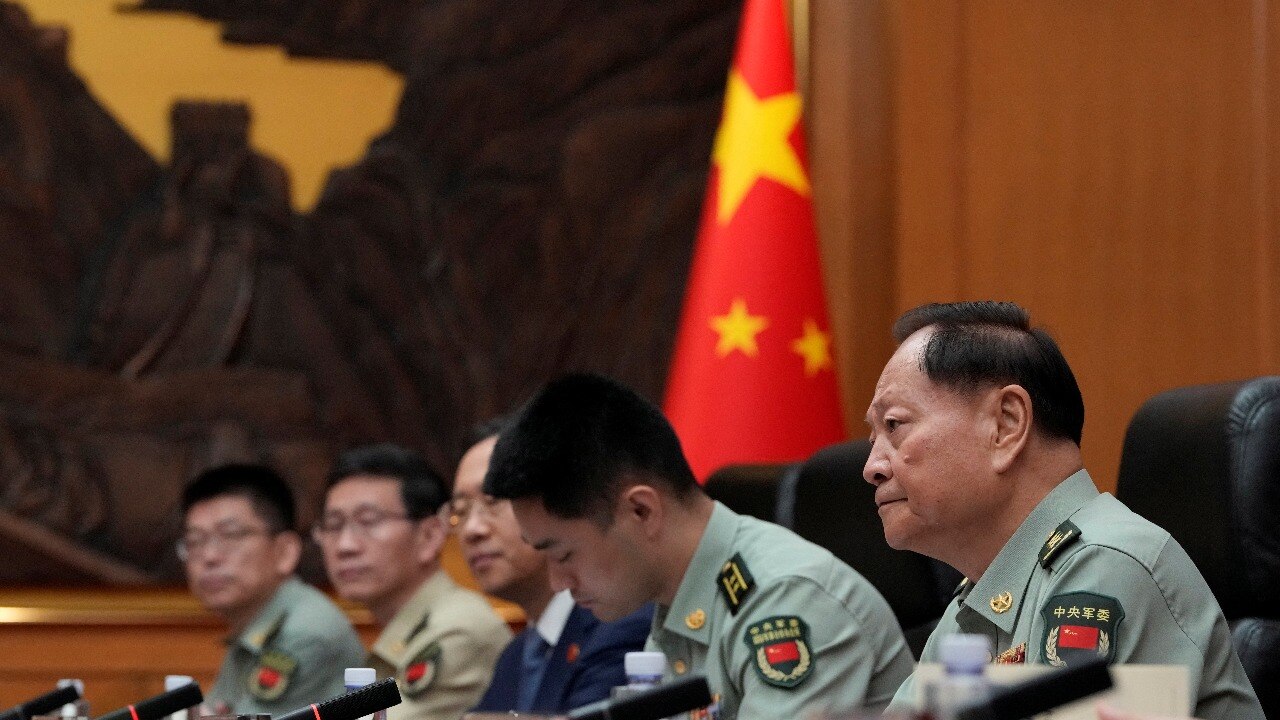
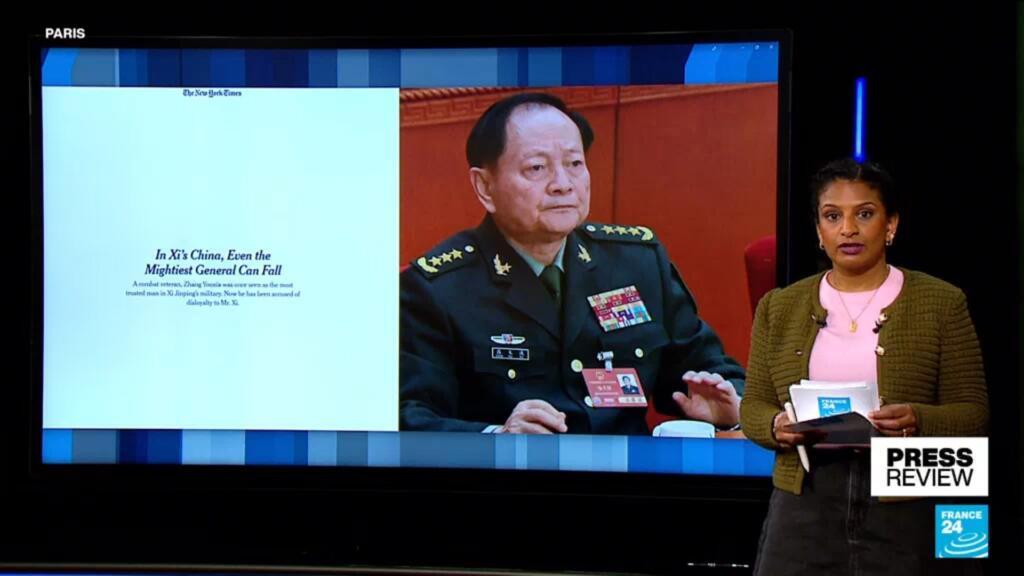
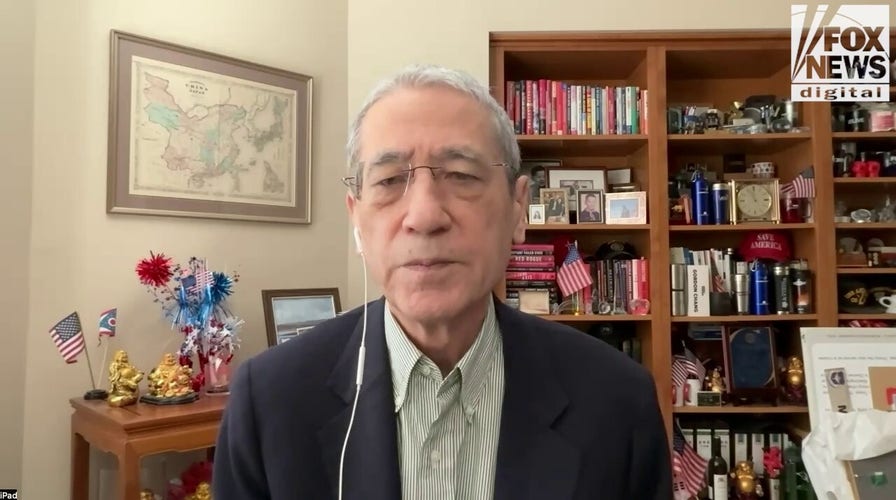
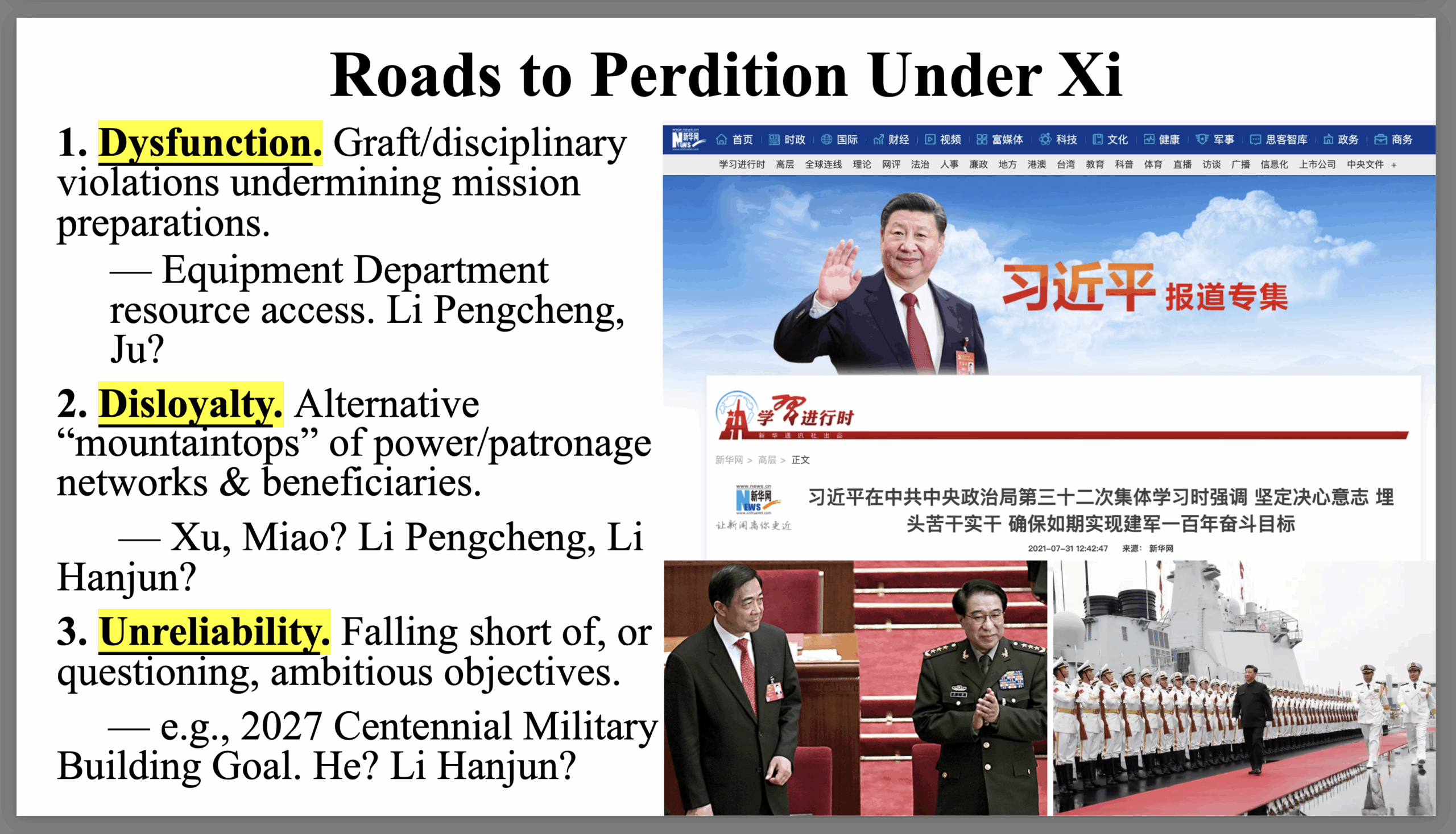
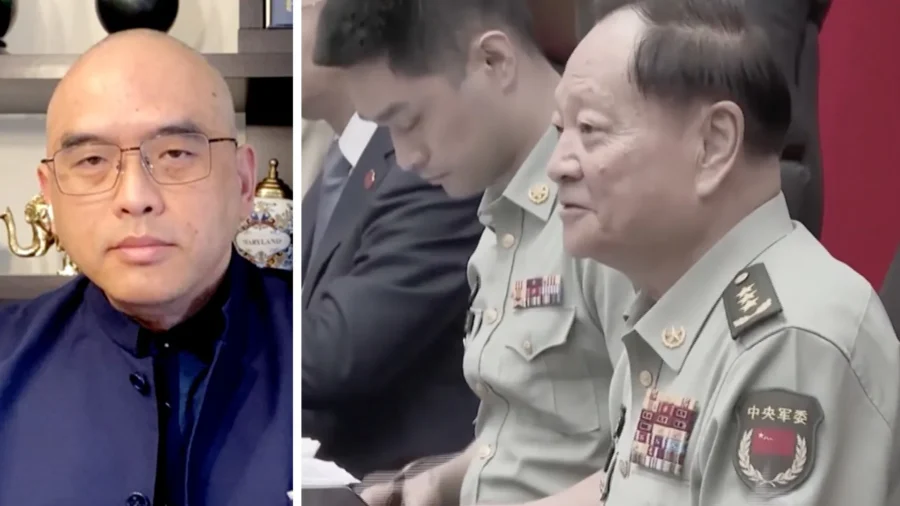
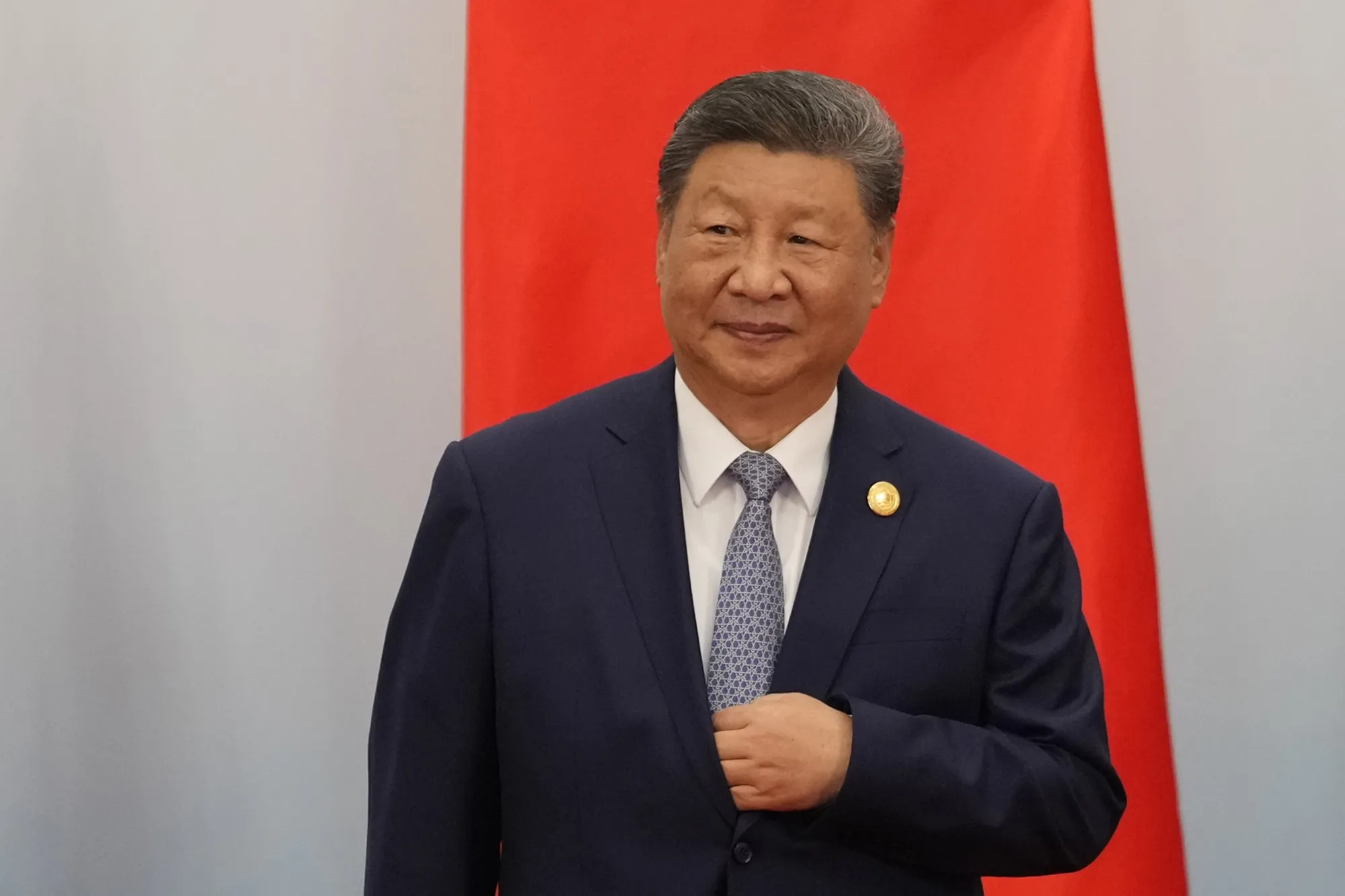
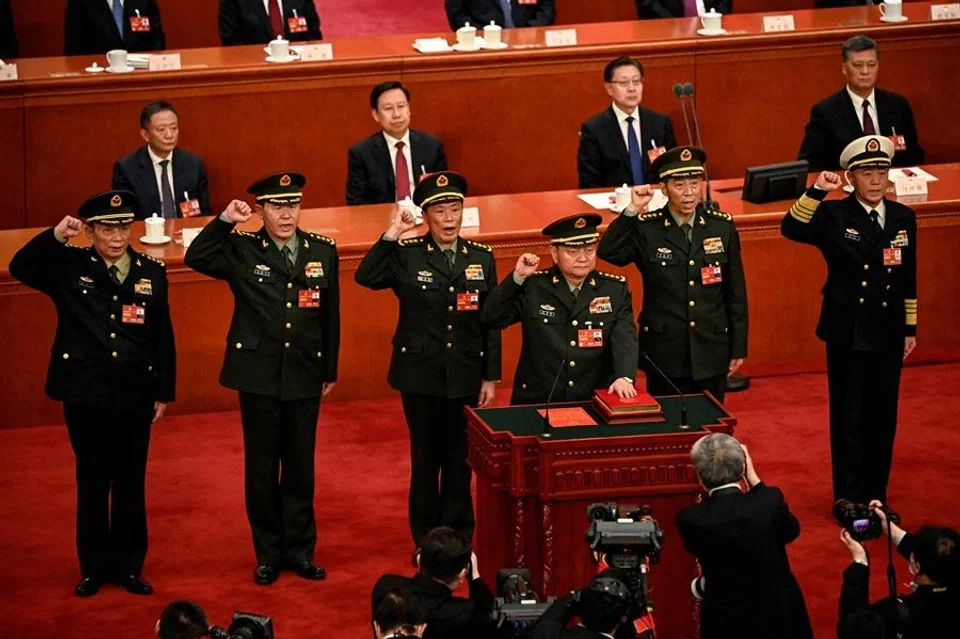
Xi Jinping's significant military purge, announced in January 2026 with the removal of General Liu Zhenli (61, former PLA Joint Staff Department chief) and General Zhang Youxia from the Central Military Commission, creates cascading supply chain risks for cross-border e-commerce sellers. While the news summaries acknowledge limited direct relevance to e-commerce operations, the underlying institutional disruption carries substantial indirect implications for sellers sourcing from China, managing manufacturing partnerships, and navigating regulatory compliance.
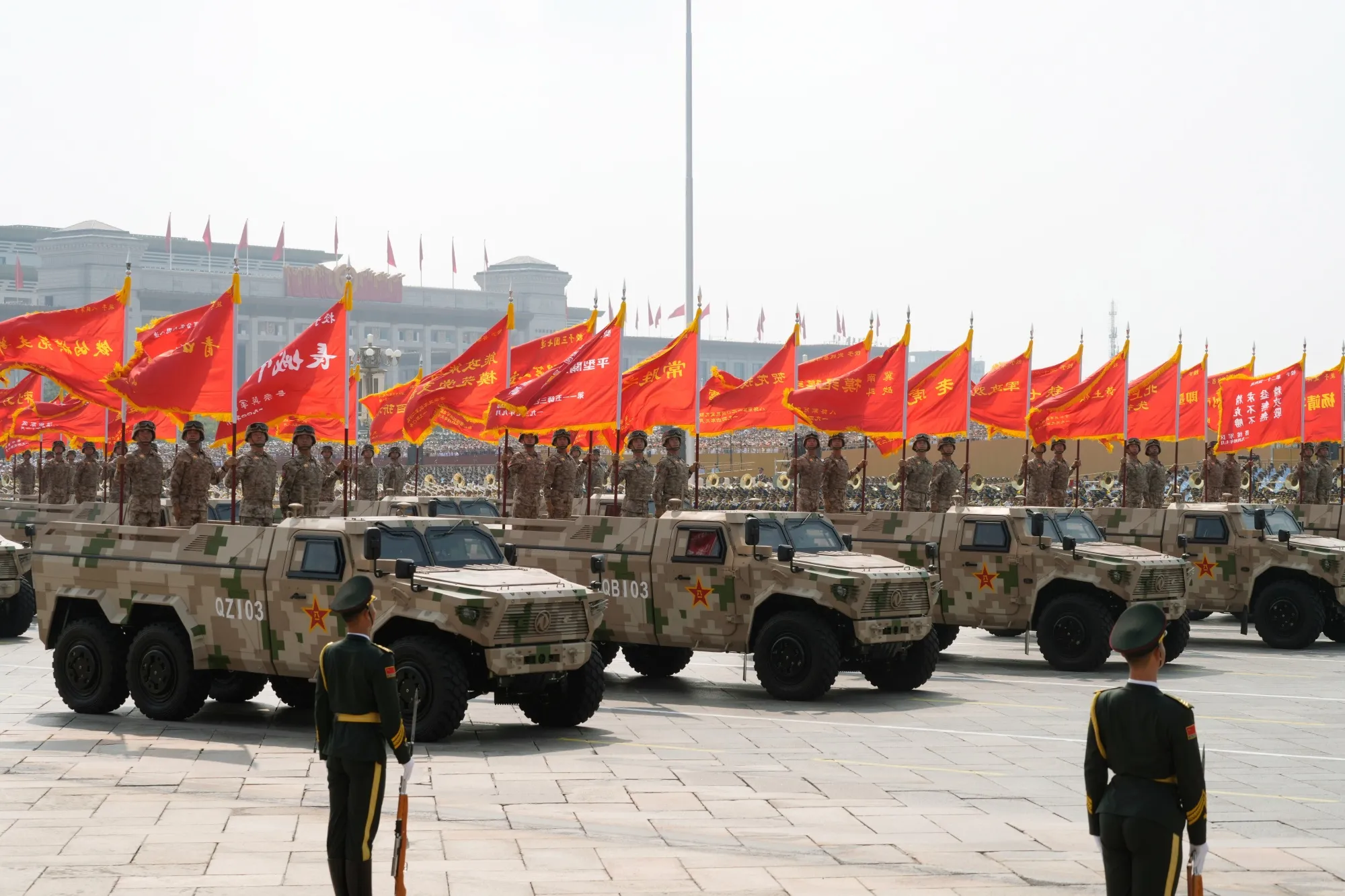
Supply Chain & Manufacturing Impact: The purge's institutional paralysis—with no replacements announced and potential successors under investigation or fearful of similar consequences—disrupts China's military modernization timeline (Xi's 2027 priority). This creates secondary effects on China's broader industrial coordination. Manufacturing sectors reliant on government contracts, defense-adjacent supply chains, and state-owned enterprises (SOEs) typically experience 2-4 week production delays during leadership transitions. For sellers sourcing electronics, machinery, textiles, and industrial components from China, expect potential inventory delays, quality control disruptions, and communication breakdowns with suppliers during Q1-Q2 2026. Bloomberg Economics analysts warn of "momentum loss" in critical operational areas—a signal that manufacturing efficiency may decline 5-8% during the transition period.
Regulatory & Compliance Uncertainty: The investigation into violations of "Communist Party discipline and state laws" (per News 2's allegations against Zhang Youxia regarding bribes and political cliques) signals heightened scrutiny of business practices, procurement systems, and official decision-making. Cross-border sellers with manufacturing partners in China face increased risk of sudden regulatory changes, customs inspections, and compliance audits. The institutional fear among officials—Western diplomats note Chinese officials are "more reluctant to engage with Western counterparts, fearing similar consequences"—extends to business relationships. Sellers should anticipate slower response times from Chinese government agencies, customs authorities, and state-owned suppliers. Compliance deadlines for export documentation, quality certifications, and regulatory filings may experience 1-2 week delays.
Geopolitical Risk & Trade Relations: The timing coincides with the Pentagon's release of a new U.S.-China military-to-military communication strategy, creating a paradoxical environment: while Western governments seek de-escalation, China's internal instability may trigger unpredictable policy responses. Sellers shipping to U.S., Australian, and British markets should monitor tariff announcements, trade policy shifts, and customs enforcement changes. The purge's impact on China's military-to-military channels with Western nations (Liu had met with U.S., Australian, and British representatives) suggests potential deterioration in bilateral trade coordination mechanisms. This increases risk of sudden tariff escalations, customs delays, or regulatory surprises affecting cross-border logistics.
Seller Segments Most Affected: Small-to-medium sellers (SMBs) with single-source manufacturing in China face highest risk; larger sellers with diversified supply chains can mitigate through inventory buffers. Electronics, machinery, and industrial goods categories—often sourced from state-adjacent suppliers—carry elevated risk. Sellers relying on just-in-time inventory models should consider 15-20% safety stock increases through Q2 2026.
問題 8
Should I diversify my China manufacturing suppliers due to this leadership change?
Yes, diversification is strategically prudent for 2026. The purge signals institutional instability that typically persists 3-6 months during leadership transitions. Sellers with single-source manufacturing in China face compounded risk: production delays, regulatory uncertainty, and potential customs complications. Consider allocating 30-40% of orders to alternative suppliers in Vietnam, India, or Mexico. This hedges against China-specific delays while maintaining cost competitiveness. Monitor the situation quarterly; if institutional stability returns by Q3 2026, you can rebalance sourcing.
What compliance risks should sellers monitor regarding China customs and regulations?
The investigation into violations of 'Communist Party discipline and state laws' signals heightened scrutiny of procurement systems and business practices. Sellers should expect: (1) slower customs processing (1-2 week delays), (2) increased documentation audits, (3) stricter enforcement of export certifications, and (4) potential sudden regulatory changes. Ensure all export documentation is complete and accurate; verify supplier compliance with Chinese labor and environmental standards. Monitor customs agency announcements weekly through Q2 2026. Non-compliance penalties can reach 10-15% of shipment value.