


NATO Tensions Drive EU Defense Spending Surge | Cross-Border Seller Tariff & Logistics Impact
- Geopolitical uncertainty reshapes European supply chains, tariff policies, and logistics costs for 50K+ cross-border sellers shipping to EU markets
























)


概览
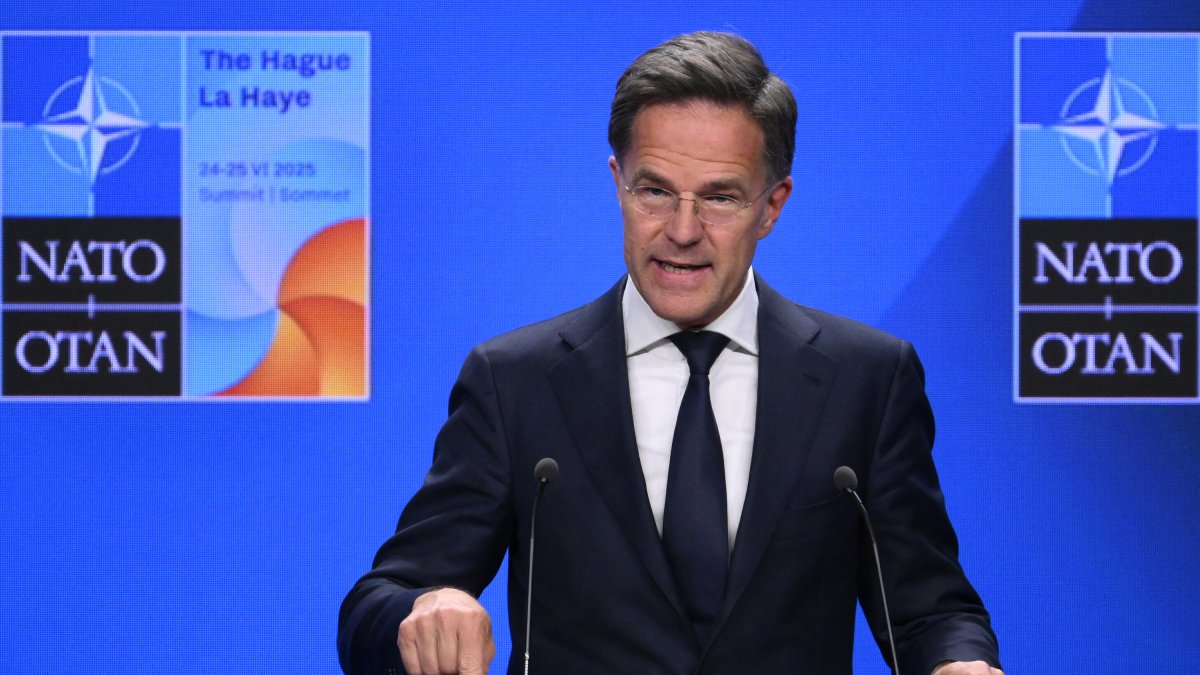
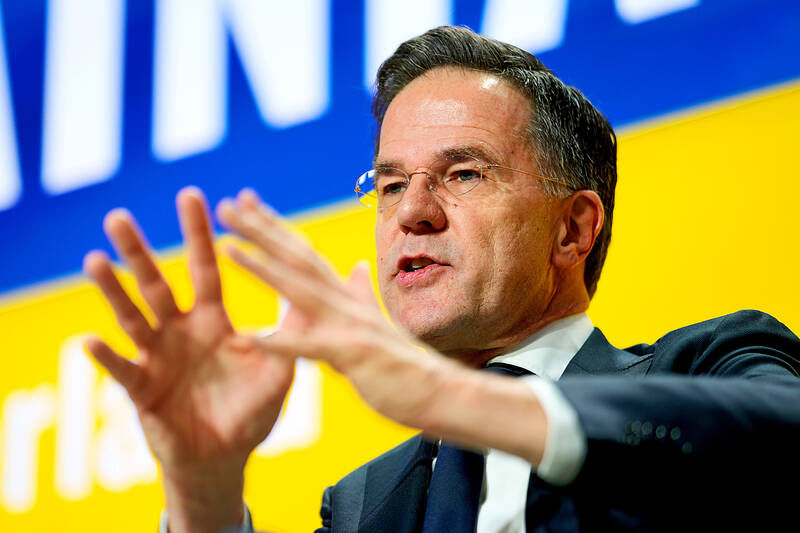
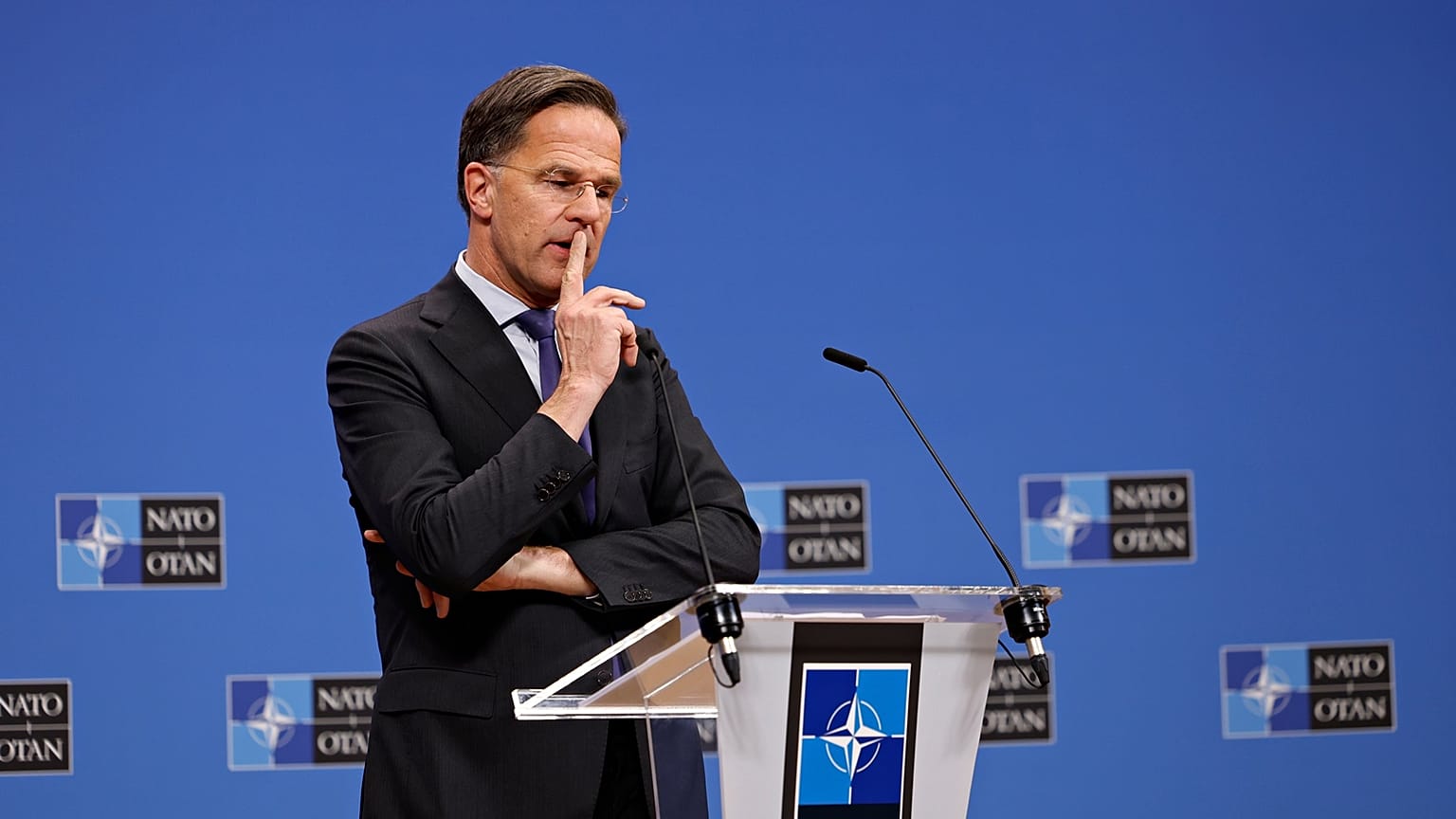
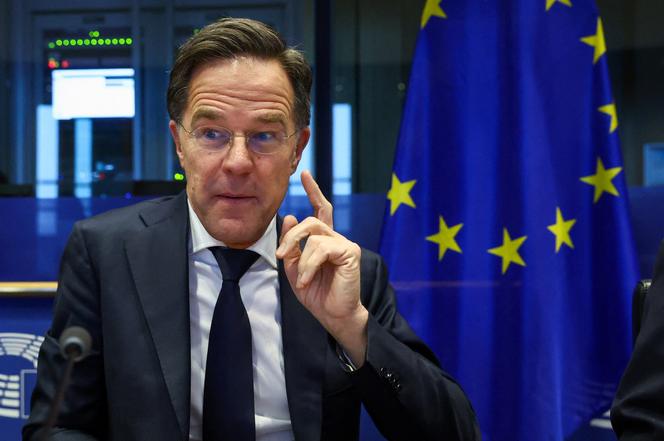
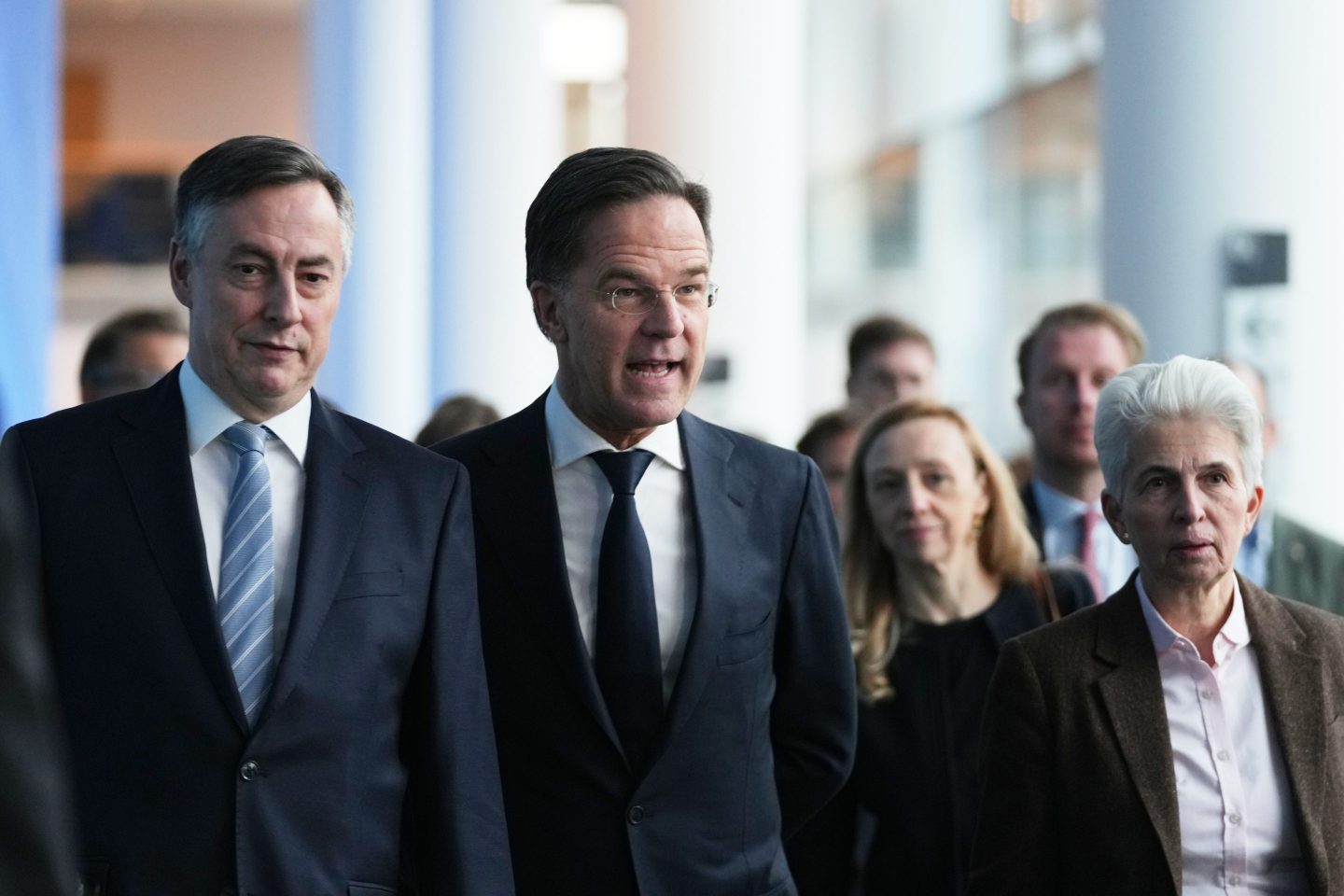
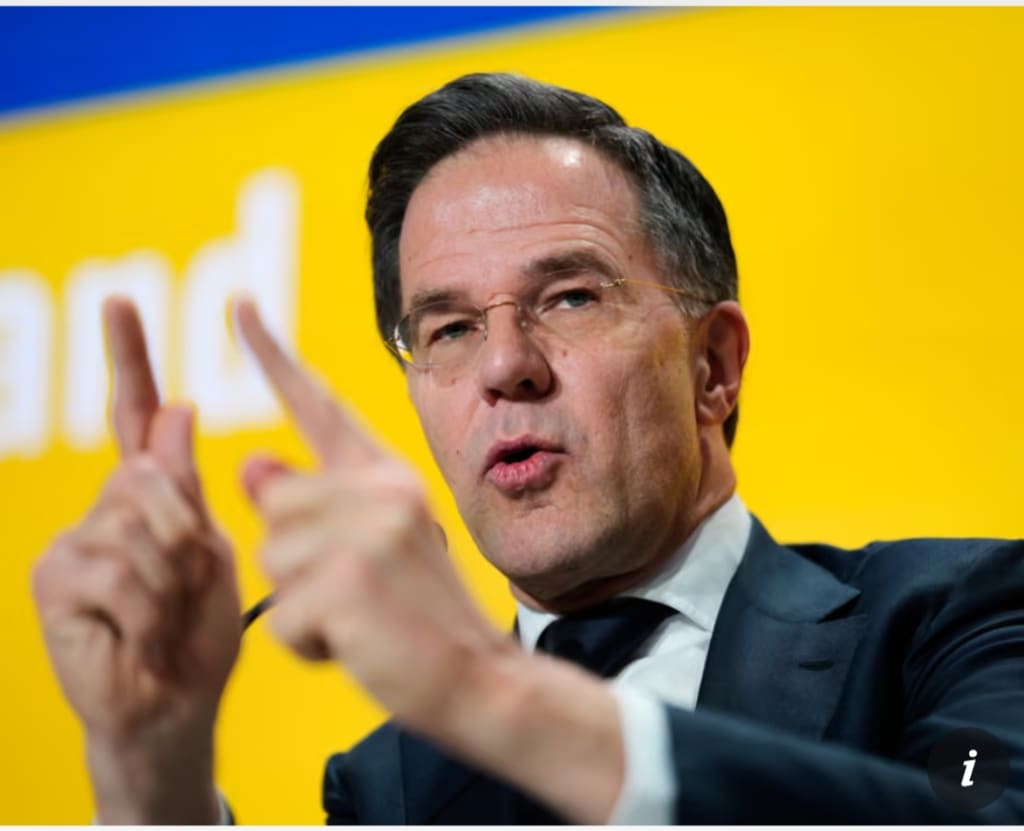
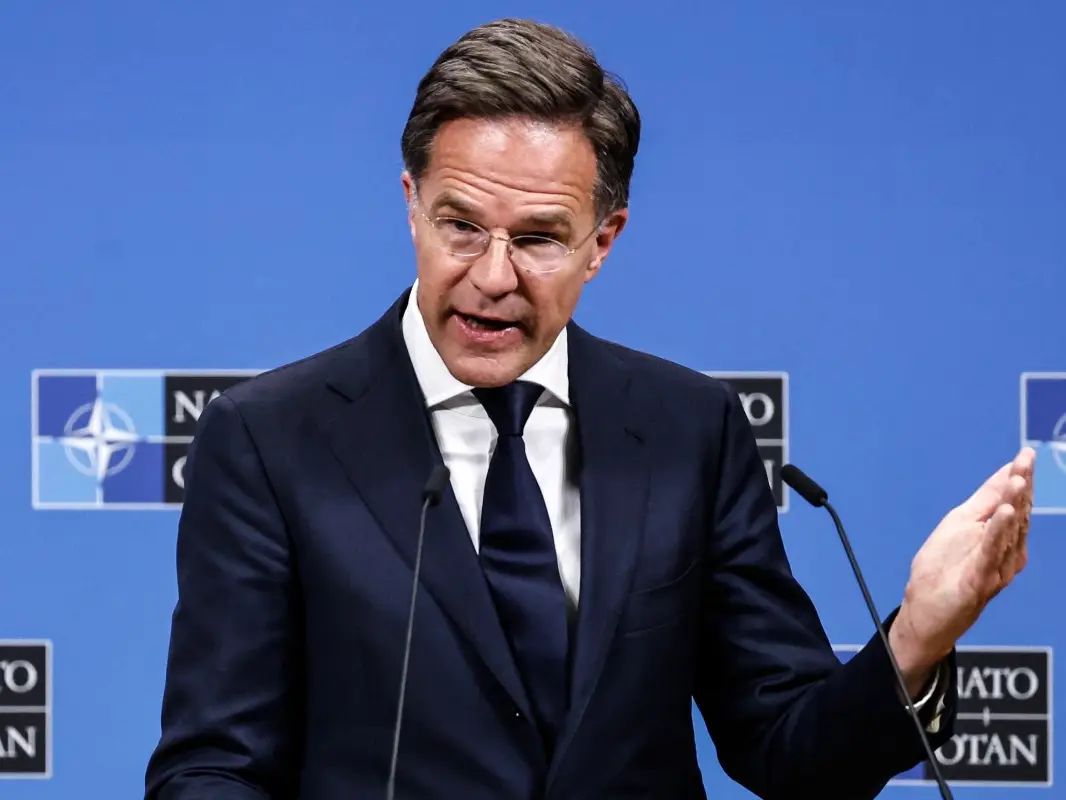
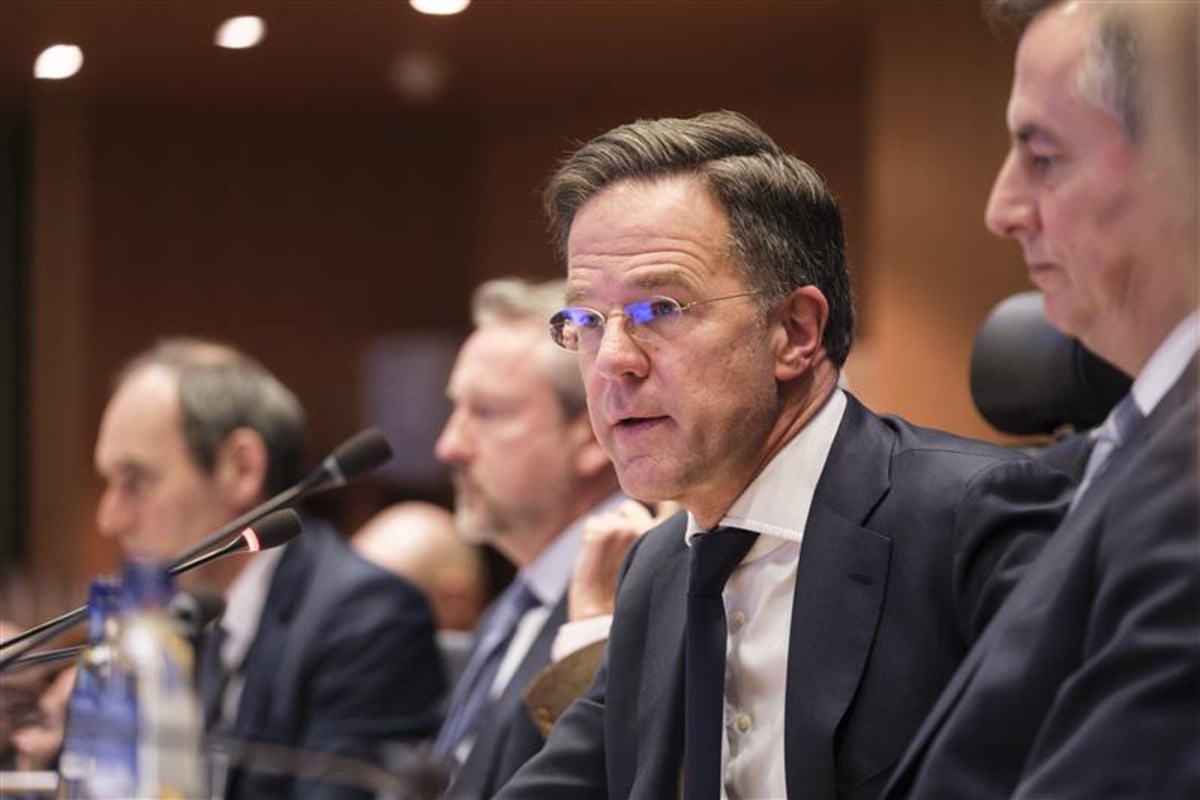
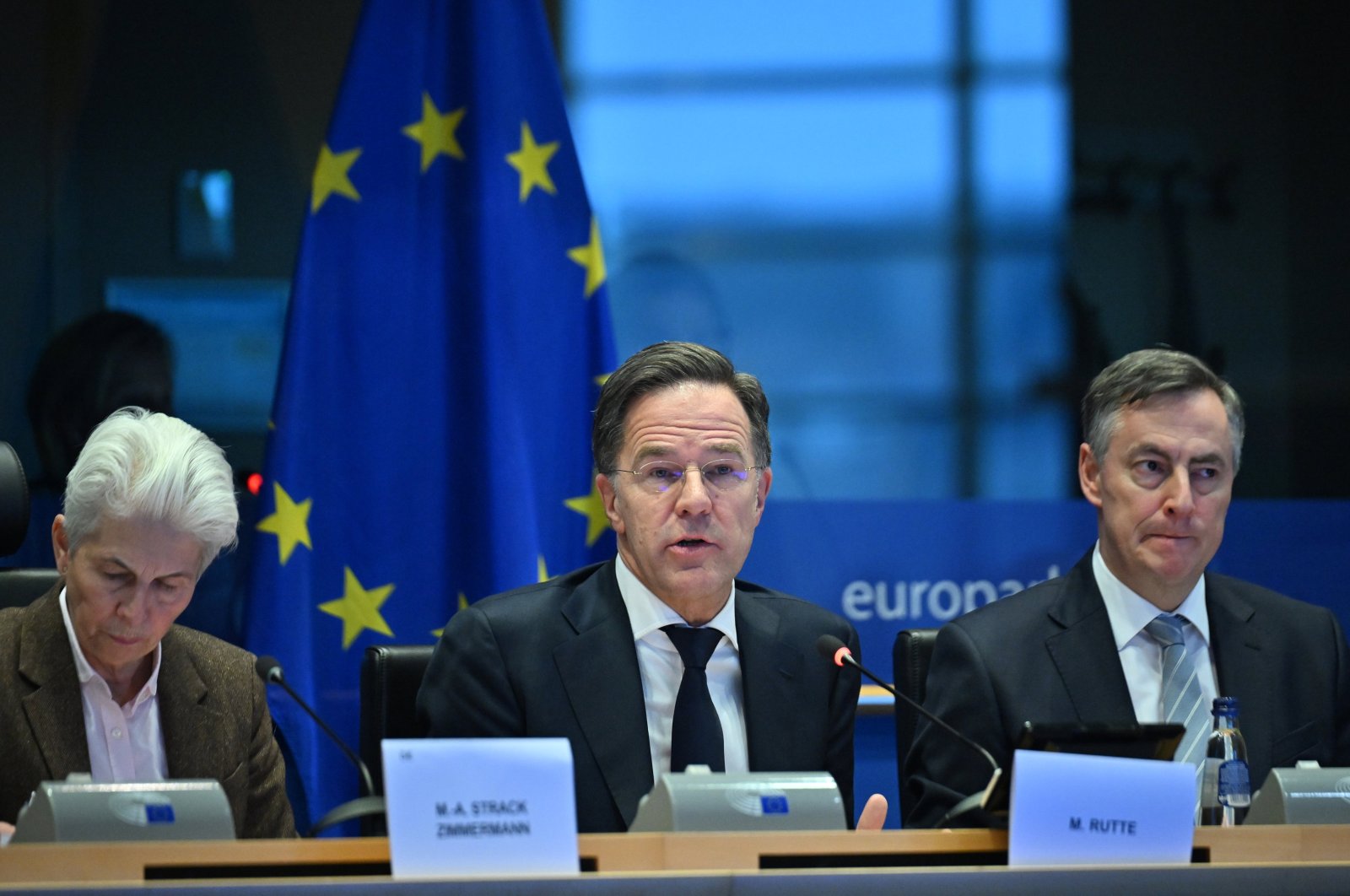
NATO Secretary General Mark Rutte's dismissal of European defense autonomy goals has triggered significant geopolitical realignment with direct implications for cross-border e-commerce sellers. The controversy—centered on Rutte's statement telling Europeans to "keep on dreaming" about independence from US security guarantees—reflects deepening divisions within NATO regarding burden-sharing and European strategic autonomy. This tension, intensified by the Ukraine war and shifting US political dynamics, is catalyzing major policy shifts that directly affect tariff structures, supply chain reliability, and regulatory environments across European markets.
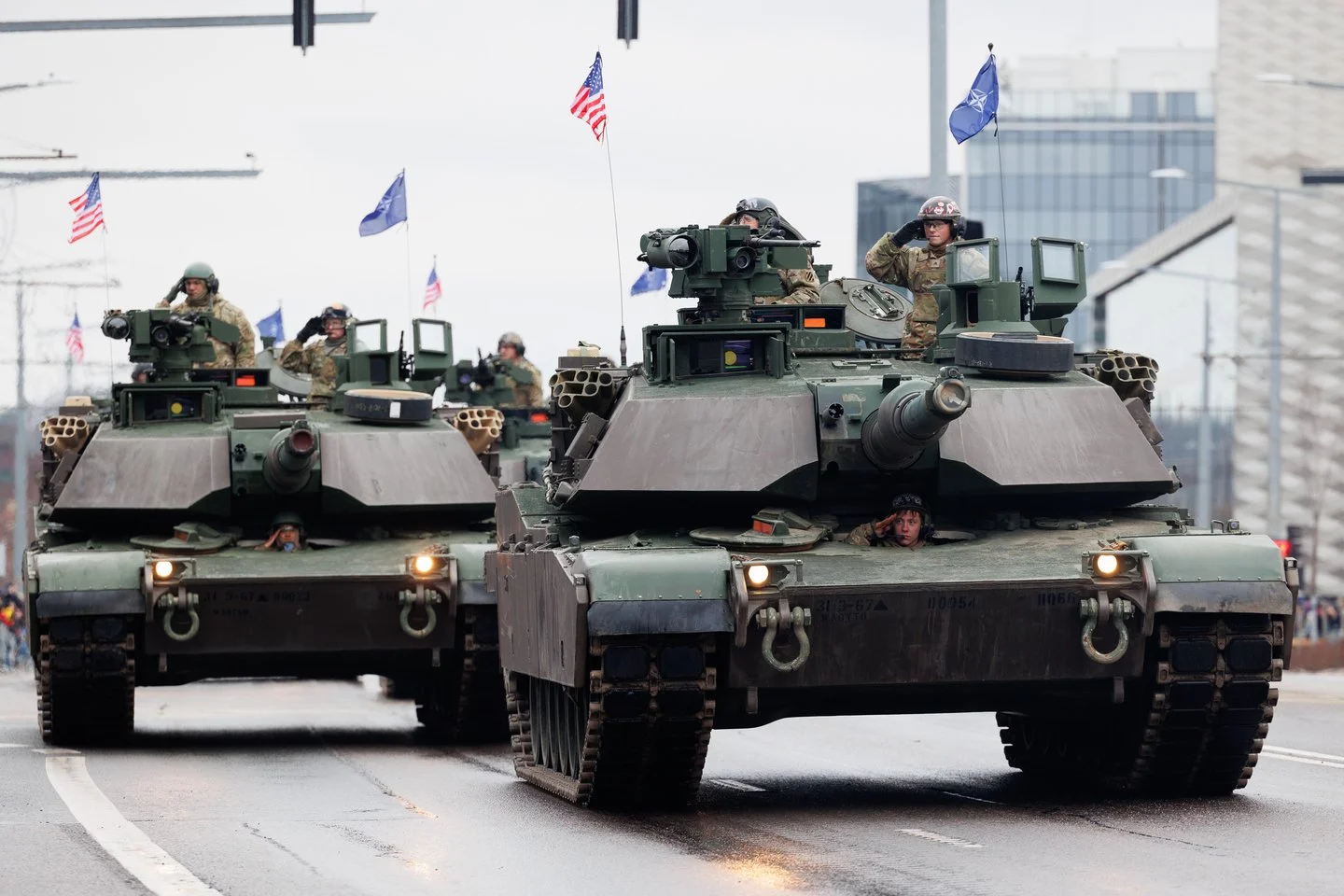
For cross-border sellers, the immediate impact centers on three critical areas: tariff policy volatility, logistics cost inflation, and regulatory fragmentation. As European nations accelerate defense spending (projected 2-3% GDP increases across NATO members), government procurement priorities shift toward domestic manufacturing and allied suppliers. This creates tariff arbitrage opportunities in defense-adjacent categories (industrial equipment, electronics components, logistics infrastructure) while simultaneously increasing costs for non-strategic imports. Sellers shipping electronics, machinery, and industrial goods to EU markets face potential tariff rate increases of 5-12% as European governments implement "strategic autonomy" trade policies favoring allied suppliers over traditional Asian sourcing.
Supply chain reliability becomes a critical competitive factor. Political instability and security concerns directly impact logistics infrastructure investment and cross-border shipping reliability. Sellers relying on traditional EU distribution hubs may experience 2-4 week delays as ports and logistics networks prioritize defense-related shipments. Additionally, regulatory environments are fragmenting—individual EU member states are implementing divergent customs procedures and security documentation requirements based on their NATO alignment. This creates compliance complexity for sellers managing multi-country operations, with VAT registration, customs documentation, and product certification requirements varying significantly between pro-US NATO members (Poland, Baltics) and more autonomous-leaning nations (France, Germany).
The strategic opportunity window is 6-12 months. Sellers can capitalize on this transition period by: (1) shifting sourcing from China/Asia to NATO-allied countries (Vietnam, India, Mexico) to secure tariff advantages before new trade agreements formalize; (2) repositioning inventory toward defense-adjacent categories experiencing government procurement surges; (3) establishing distribution partnerships in Eastern European NATO members (Poland, Czech Republic) where logistics costs remain 15-25% lower than Western EU hubs. Conversely, sellers heavily dependent on Asian sourcing to EU markets face margin compression of 8-15% as tariff rates increase and logistics costs rise due to supply chain reconfiguration.
問題 8
How does NATO's defense spending surge affect tariff rates for cross-border sellers?
NATO members are implementing strategic trade policies favoring allied suppliers, creating tariff increases of 5-12% on non-strategic imports from Asia. The news reports that European nations are accelerating defense spending (2-3% GDP increases) and prioritizing domestic manufacturing, which directly impacts tariff structures. Sellers shipping electronics, machinery, and industrial goods to EU markets face margin compression as tariff rates increase. To mitigate impact, consider shifting 20-30% of sourcing to NATO-allied countries (Vietnam, India, Mexico) before new trade agreements formalize tariff rates. Monitor EU customs announcements for category-specific tariff changes by March 2025.
Which product categories benefit most from European defense autonomy policies?
Defense-adjacent categories experience the strongest growth: industrial electronics (HS 8471-8534), machinery components (HS 8401-8480), telecommunications equipment (HS 8517-8525), and logistics infrastructure products. Government procurement surges in these categories create 15-25% demand increases as EU nations invest in autonomous defense capabilities. The news indicates that defense spending allocations are reshaping manufacturing priorities across European regions. Sellers in these categories should prioritize EU market positioning and consider establishing distribution partnerships in Eastern European NATO members (Poland, Czech Republic) where logistics costs remain 15-25% lower. Expect sustained demand through 2026 as defense budgets stabilize.