



Fed Rate Pause Through July 2026 | Working Capital Financing Crisis for Cross-Border Sellers
- Extended rate hold increases inventory financing costs 8-15% for sellers; USD strength threatens international pricing competitiveness; July 2026 rate cut timeline creates 6-month cash flow planning uncertainty












概览
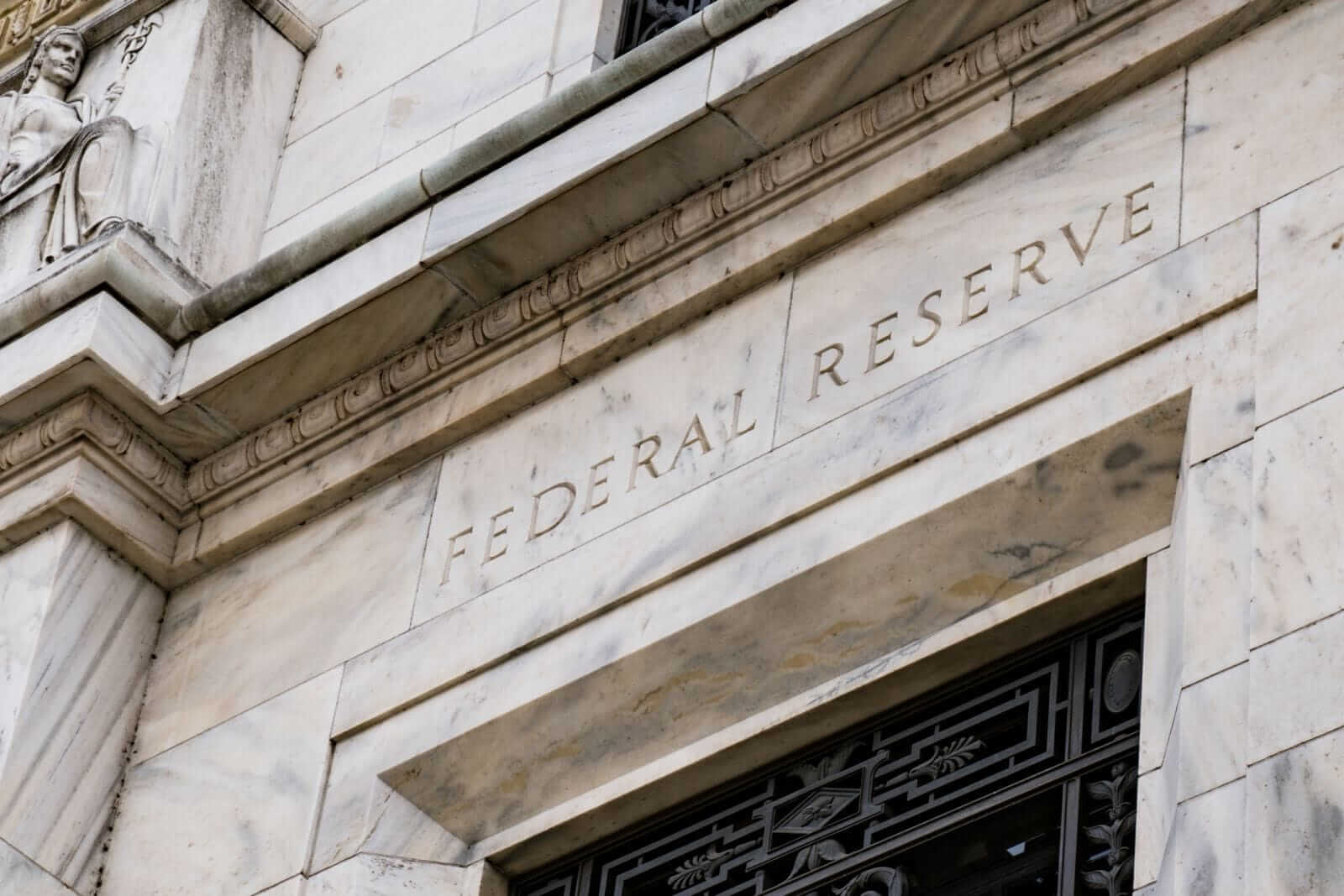
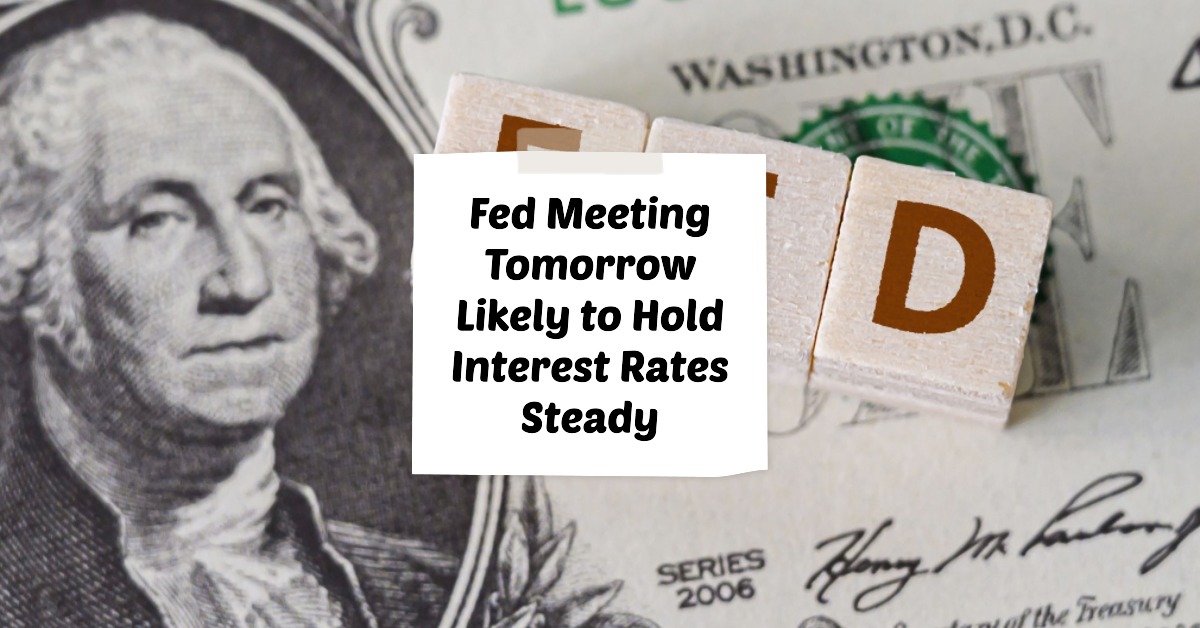
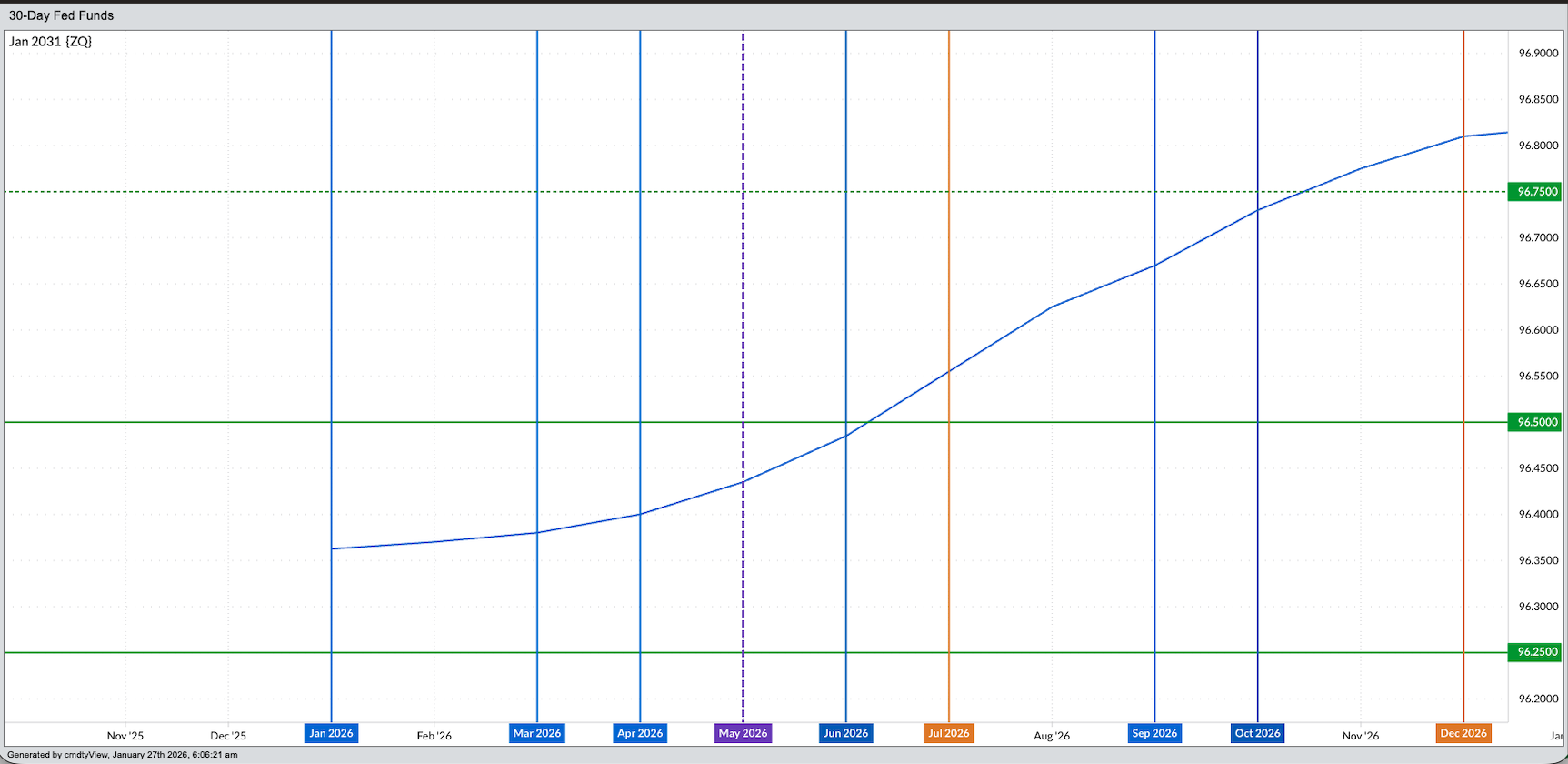
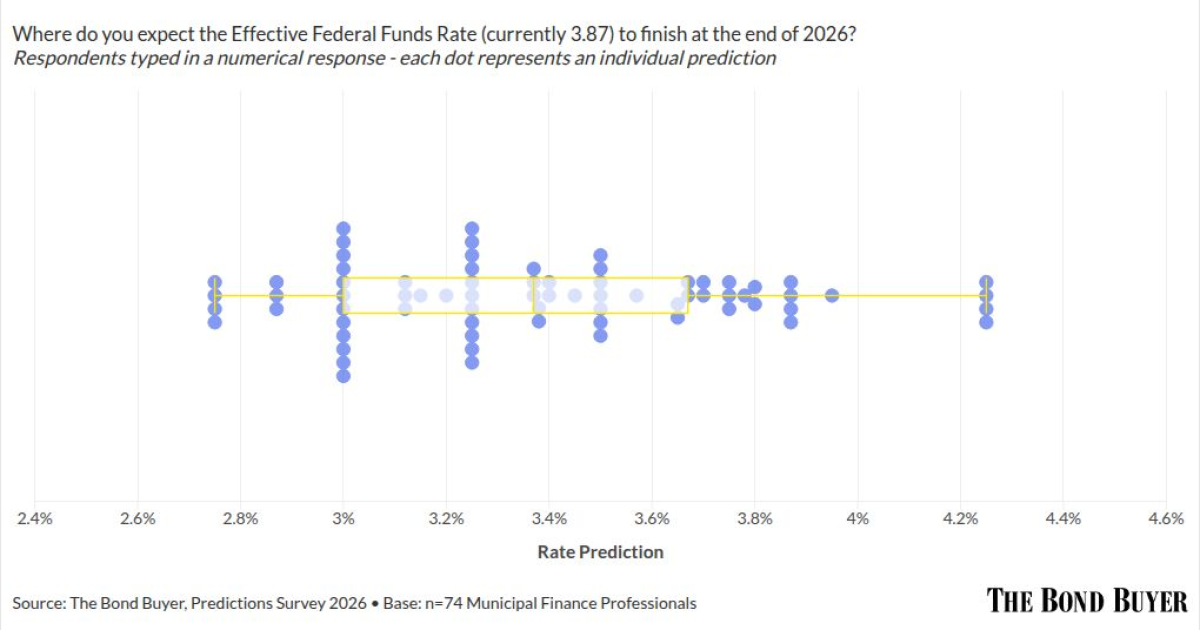
The Federal Reserve's decision to pause interest rate cuts for the first time since September 2024—with no clear path to resuming cuts before July 2026—creates a critical financing and currency headwind for cross-border e-commerce sellers. According to WSJ reporting from January 27, 2026, Fed officials fundamentally disagree on timing, with market expectations now pricing the next rate cut at July 2026 at the earliest. This extended pause directly impacts three core seller operations: working capital financing costs, currency exchange rate stability, and consumer purchasing power across major markets.
Financing Cost Impact: Sellers relying on inventory loans, purchase order financing, and working capital lines face elevated borrowing costs throughout 2026. With inflation stuck at 2.8% (above the Fed's 2% target) and job growth slowing, lenders maintain higher rates on seller credit products. Traditional inventory financing through platforms like Amazon Lending, Shopify Capital, and third-party 3PL lenders typically ranges 8-18% APR; the extended rate pause signals these costs will remain elevated through Q2 2026. Sellers managing seasonal inventory (Q2 summer goods, Q4 holiday stock) must budget for 12-18% higher financing costs compared to 2024 scenarios with anticipated rate cuts.
Currency Exposure and Pricing Competitiveness: The Fed's rate pause strengthens the U.S. dollar relative to EUR, GBP, and CNY—directly harming American sellers exporting internationally. A stronger dollar increases the cost of goods for foreign buyers, reducing competitiveness against local sellers. Conversely, sellers importing from Asia face lower input costs but must hedge currency exposure through forward contracts (typically 1-3% hedging costs). The 6-month timeline until potential July cuts creates planning uncertainty; sellers cannot confidently lock in FX rates for Q3-Q4 inventory purchases without accepting higher hedging premiums.
Consumer Demand Compression: Higher interest rates reduce consumer discretionary spending, particularly affecting non-essential categories (home décor, fashion, electronics). Job growth slowdown signals potential unemployment increases, further dampening demand. Sellers in discretionary categories should expect 5-12% demand compression through Q2 2026, requiring inventory adjustments and potential promotional strategies to maintain cash conversion cycles.
Strategic Implications for Sellers: The extended rate pause creates a bifurcated opportunity. Sellers with strong cash positions can negotiate better terms with suppliers (60-90 day payment terms) and lock in inventory at current prices before potential inflation acceleration. Conversely, leveraged sellers must immediately refinance existing debt, explore alternative financing (invoice factoring at 2-4% monthly fees, supply chain financing at 6-10% APR), and reduce inventory exposure. The July 2026 rate cut timeline provides a 6-month window to optimize working capital—sellers should prioritize cash conversion cycle improvements (faster inventory turnover, tighter receivables collection) to minimize financing dependency.
問題 8
How does the Fed's rate pause through July 2026 affect my inventory financing costs?
The extended rate pause keeps borrowing costs elevated throughout the first half of 2026. Amazon Lending, Shopify Capital, and third-party inventory lenders typically charge 8-18% APR on seller financing; with rates held steady, these costs remain at the higher end of historical ranges. A seller financing $100,000 in inventory at 12% APR pays $12,000 annually—$2,000-3,000 more than scenarios with anticipated rate cuts. Sellers should immediately review existing credit lines and refinance if possible before Q2 2026, when seasonal inventory demand peaks and rates may increase further.
Should I lock in currency rates now or wait for the July 2026 rate cuts?
Lock in rates now for Q2-Q3 2026 inventory purchases. Forward currency contracts allow you to fix exchange rates 3-6 months ahead at 1-3% cost. Given the Fed's extended pause through July, the USD will likely remain strong through Q2, making current rates favorable for sellers importing from Asia (locking in lower CNY/USD rates) or exporting to Europe (locking in EUR/USD rates before potential dollar weakness post-July cuts). For Q4 holiday inventory, consider a 50/50 hedge strategy: lock in 50% of expected currency exposure now, leave 50% unhedged to benefit if the dollar weakens after July rate cuts. Avoid waiting for July cuts—hedging costs increase as the cut date approaches.