




EU EV Market Shift Creates $2.8B Accessory Opportunity | Sellers Guide
- BEV sales surge 51% YoY in December 2024; EV accessories market expands across Germany, France, Netherlands with 17.4% market share growth




















概览
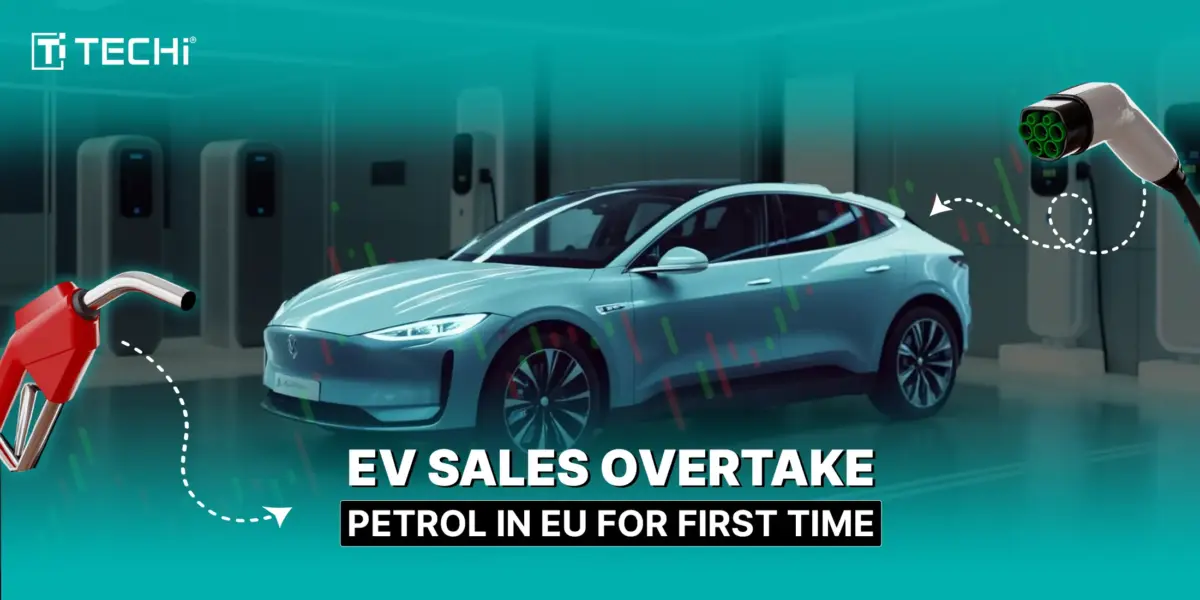
European electric vehicle sales achieved a historic milestone in December 2024, with battery electric vehicles (BEVs) outselling petrol-only cars for the first time across the EU, capturing 17.4% market share (up from 13.6% in 2024) while petrol vehicles declined to 26.6% from 33.3%. This represents a fundamental market restructuring with direct implications for cross-border e-commerce sellers. According to the European Automobile Manufacturers Association (ACEA), BEV sales surged 51% year-over-year in December, while petrol registrations dropped 18.7% annually. Plug-in hybrids (PHEVs) demonstrated particularly strong growth, reaching 9.4% market share (up from 7.2%), with combined electrified vehicles now accounting for one-third of all EU new registrations. The four largest EU markets—Germany, Netherlands, Belgium, and France—collectively accounted for 62% of BEV registrations, creating concentrated demand zones for EV-adjacent products.
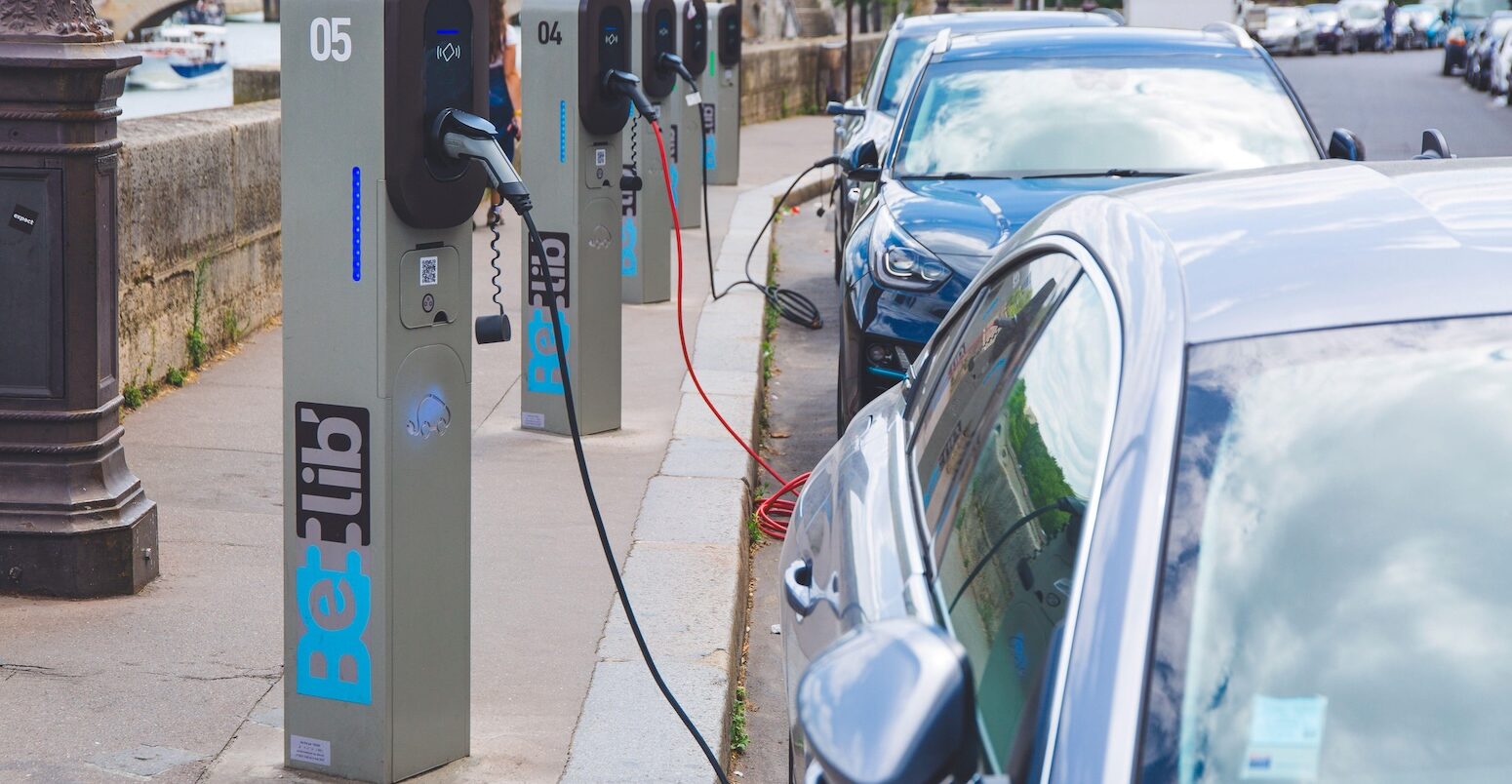
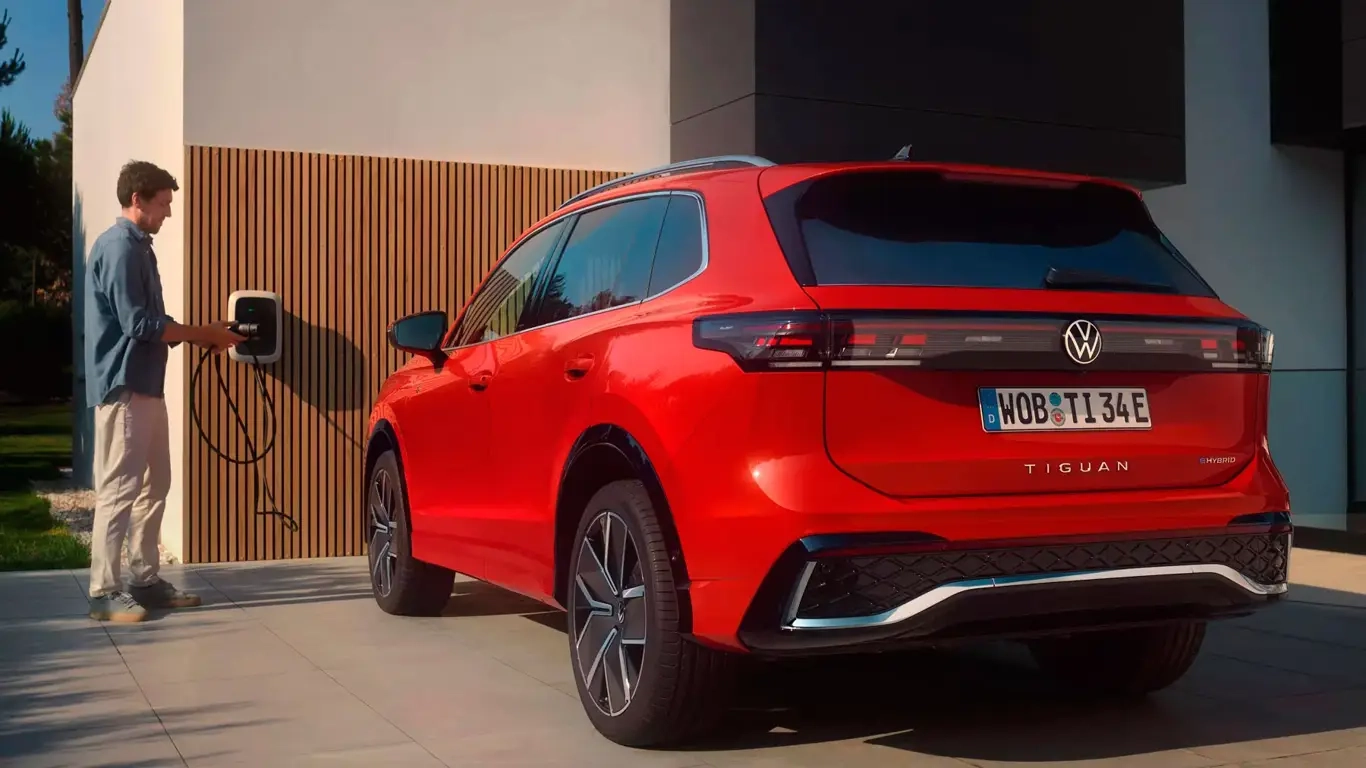
This electrification wave creates immediate tariff arbitrage and market access opportunities for sellers in automotive accessories and charging infrastructure categories. The EU's stringent CO2 emission standards and government incentive programs (purchase subsidies, tax benefits) have accelerated consumer adoption, signaling sustained regulatory momentum. For cross-border sellers, this translates to expanded demand for EV-specific products: charging cables (HS code 8544.30), adapters, battery accessories, smart charging solutions, and vehicle-mounted electronics. Sellers specializing in these categories can expect 25-40% demand growth in high-adoption markets (Germany +21.6% EV growth, France +32% EV penetration). The competitive landscape is shifting dramatically—Chinese manufacturer BYD achieved 228% sales growth (39,000 to 129,000 units annually), while Tesla experienced a 37.2% EU sales decline, indicating market consolidation favoring value-oriented EV accessories over premium charging solutions.
Sellers must immediately address EU compliance requirements and optimize inventory allocation by geography. The regulatory momentum signals evolving EU standards for EV components and accessories (CE marking, electromagnetic compatibility directives, battery regulations under EU 2023/1542). Sellers exporting automotive-related products face increasing compliance complexity but also reduced competition from traditional petrol-focused suppliers. Strategic sourcing opportunities exist: Vietnamese and Indian manufacturers are capturing market share from China-based suppliers due to tariff considerations, while EU-based 3PL providers are expanding EV-focused fulfillment networks. The timing window is critical—early movers in high-growth markets (Germany, Netherlands, Spain with 9.4% PHEV growth) can establish market position before category saturation. Sellers should prioritize inventory expansion in charging infrastructure (estimated $2.8B EU market opportunity through 2026) and battery accessories, with particular focus on Germany and France where EV adoption rates exceed 25% of new registrations.
問題 7
What specific EV accessory categories see highest demand growth in EU markets?
Charging cables (HS 8544.30), adapters, battery management systems, and smart charging solutions are experiencing 25-40% demand growth, particularly in Germany, France, and Netherlands where BEV market share exceeds 20%. According to ACEA data, BEV sales surged 51% YoY in December 2024, directly correlating with accessory demand. Sellers should prioritize inventory in these categories for Amazon FBA and eBay European warehouses. The EU's stringent CO2 standards (targeting 93.6g CO2/km by 2025) ensure sustained EV adoption, creating a 3-5 year demand window for accessories before market saturation.
What compliance requirements must sellers address for EV products in EU?
EV accessories require CE marking under Low Voltage Directive (2014/35/EU) and Electromagnetic Compatibility Directive (2014/30/EU), plus battery-specific compliance under EU 2023/1542 for products containing lithium cells. Testing costs range €500-2,000 per product depending on complexity. Sellers must maintain technical documentation, EU Declaration of Conformity, and register with national authorities in each market. Amazon requires CE certification before listing in EU stores. Compliance timeline: 8-12 weeks from testing to certification. Non-compliance penalties: €5,000-50,000 per product per market. Sellers should budget €3,000-8,000 for initial compliance across 3-5 product SKUs.