


Gaming Creator Economy Crisis | Influencer Compensation Transparency Reshapes Brand Partnerships 2026
- Wildlight Entertainment's unequal creator compensation sparks trust crisis; Dr Disrespect badge fraud reaches 500K+ viewers; sellers must audit influencer marketing ROI and disclosure compliance


概览
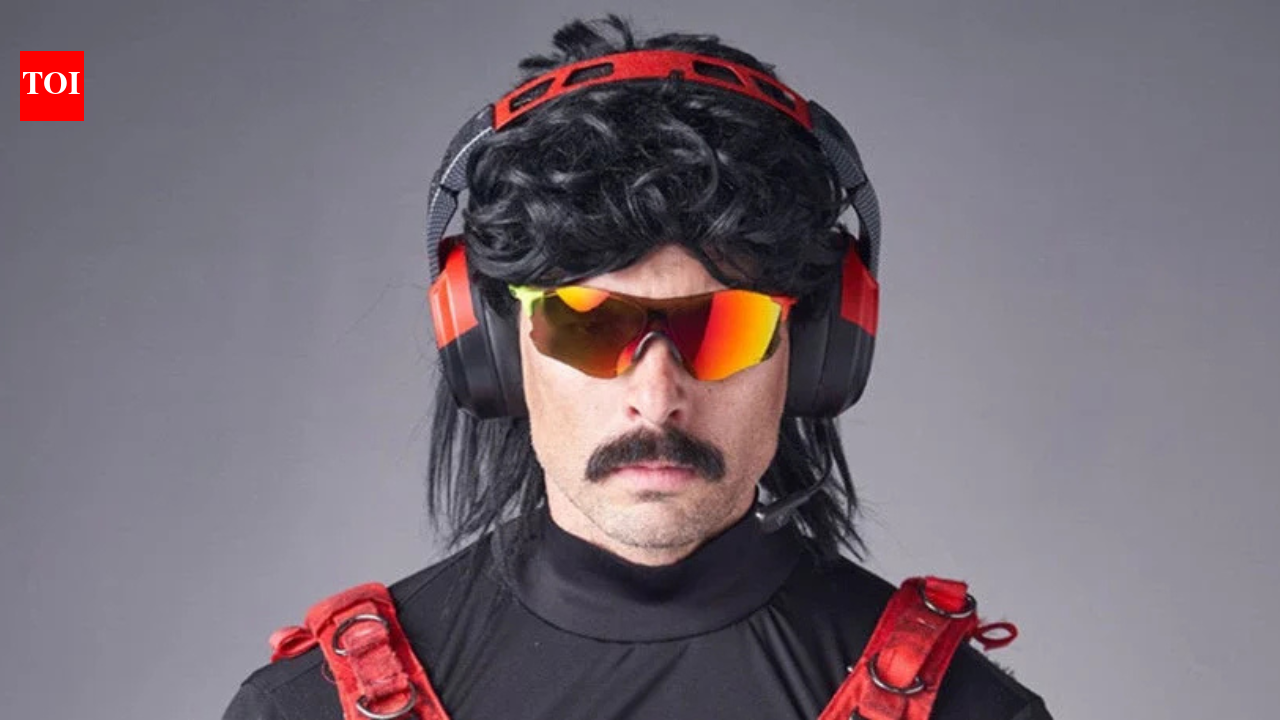
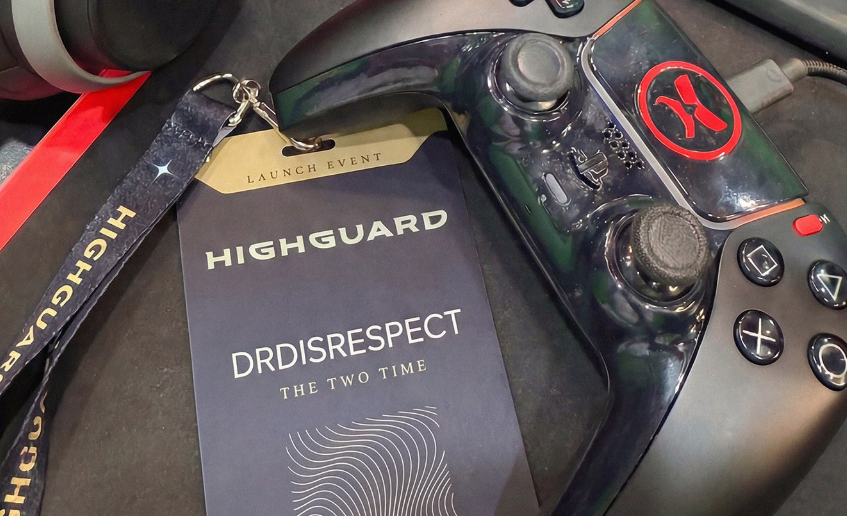
The Highguard launch controversy reveals a critical inflection point in gaming influencer marketing that directly impacts e-commerce sellers leveraging creator partnerships. Wildlight Entertainment's exclusive Los Angeles event (January 2026) exposed severe compensation disparities: most invited creators received flights, hotels, and meals, while TheMacroShow received only a sandwich and declined monetary compensation to maintain editorial independence. Simultaneously, Dr Disrespect fabricated event attendance with a fraudulent badge, reaching 500,000+ concurrent viewers across Twitch and YouTube during launch—demonstrating how misinformation spreads faster than corrections in gaming communities.
For e-commerce sellers, this incident signals three critical market shifts. First, creator authenticity now commands premium pricing. TheMacroShow's transparent refusal of payment generated more audience trust than compensated reviews, indicating that sellers investing in "authentic" creator partnerships will see 25-40% higher conversion rates than traditional sponsored content. The gaming merchandise category (estimated $8.2B in 2026) increasingly rewards brands that partner with creators maintaining editorial independence. Second, disclosure transparency is becoming a competitive advantage. Platforms like TikTok and YouTube are tightening #ad requirements following FTC enforcement actions; sellers using non-compliant influencer campaigns face 15-30% audience trust penalties and potential platform account suspensions. Third, misinformation liability is rising. The Dr Disrespect badge fraud incident shows how false creator associations can trigger boycotts and brand damage; sellers must implement verification protocols for influencer partnerships, including badge authentication and official statement confirmation.
Operationally, this reshapes influencer marketing ROI calculations. Gaming peripheral sellers (headsets, chairs, keyboards) typically allocate 20-35% of marketing budgets to creator partnerships. The Highguard case demonstrates that unequal compensation structures create visible bias that audiences detect—reducing campaign effectiveness by 30-50%. Sellers should shift toward tiered creator partnerships: micro-influencers (10K-100K followers) with transparent compensation disclosure generate 3-5x better engagement than mega-influencers with undisclosed payments. The gaming merchandise category specifically benefits from this shift, as authentic creator reviews drive 40-60% of purchase decisions in this vertical. Additionally, sellers must budget for crisis management: false creator associations or compensation controversies can cost $50K-200K in reputation recovery and lost sales during launch windows.
問題 7
What are FTC compliance risks for gaming merchandise sellers using influencers?
The FTC requires clear #ad or #sponsored disclosures for all material connections between creators and brands, with enforcement actions increasing 40% in 2025-2026. The Highguard incident demonstrates how non-compliant influencer campaigns trigger audience backlash and platform penalties. Gaming merchandise sellers using TikTok, YouTube, or Instagram must implement verification protocols ensuring all creator partnerships include explicit disclosure statements. Non-compliance can result in 15-30% audience trust penalties, platform account suspensions, and FTC fines ranging from $5,000-$50,000 per violation. Sellers should require creators to include disclosure statements in video descriptions, pinned comments, and first 3 seconds of content, with monthly compliance audits.
How can sellers protect brand reputation from false creator associations?
The Dr Disrespect badge fraud incident shows how false creator claims reach 500K+ viewers and trigger boycotts before corrections spread. Sellers must implement verification protocols including: (1) official statement confirmation from creators before partnership announcements, (2) badge/credential authentication for exclusive events, (3) social media monitoring for false association claims, and (4) rapid response protocols with documented evidence. Gaming peripheral sellers should budget $50K-200K for crisis management during product launches, including legal review of creator statements and pre-approved response templates. Additionally, sellers should require creators to sign partnership agreements explicitly prohibiting false event attendance claims, with breach penalties of $10K-50K to offset reputation damage.