


Mediterranean Supply Chain Disruption | Cyclone Harry Impacts European E-Commerce Logistics
- €1 billion damage across Sicily, Calabria, Sardinia disrupts port infrastructure and distribution networks for cross-border sellers; 1,500+ evacuations block shipping routes through January 27, 2026 state of emergency










)


)


概览
Cyclone Harry has triggered a critical supply chain disruption across Southern Italy, creating immediate operational challenges for cross-border e-commerce sellers relying on Mediterranean logistics hubs. On January 27, 2026, the Italian government declared a state of emergency following catastrophic damage estimated at €1 billion across Sicily, Calabria, and Sardinia, with Sicily alone suffering €740 million in damage (potentially doubling). The disaster destroyed critical infrastructure including port facilities, coastal roads reduced to rubble, and buckled train tracks, directly impacting e-commerce fulfillment networks serving European markets. Cyclone Harry generated 20-foot waves and winds approximately 10% stronger than historical averages due to Mediterranean surface temperatures reaching record 31°C in 2024—a climate pattern experts attribute to the sea's smaller, partly-closed geography that accelerates warming and increases atmospheric energy.
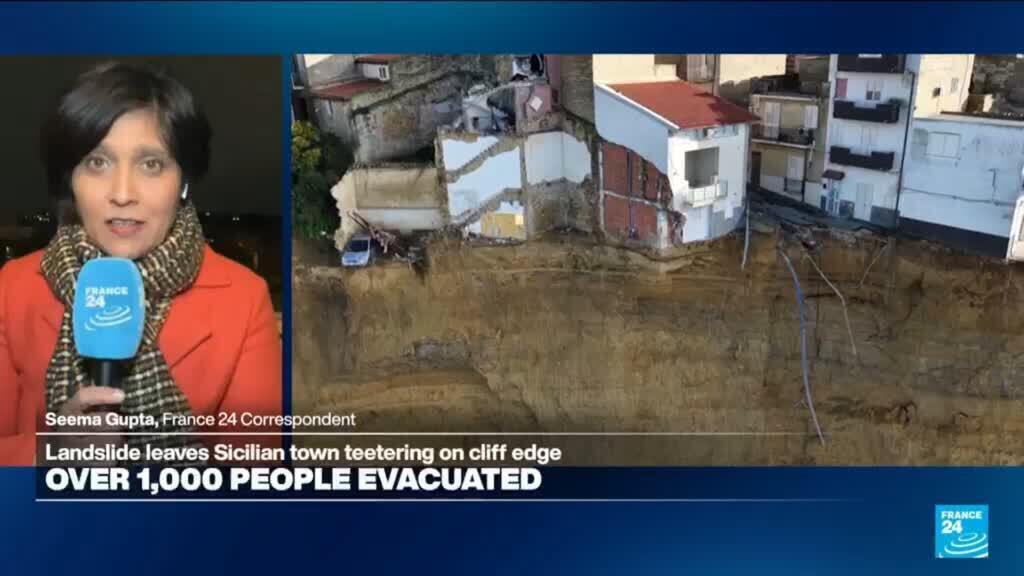
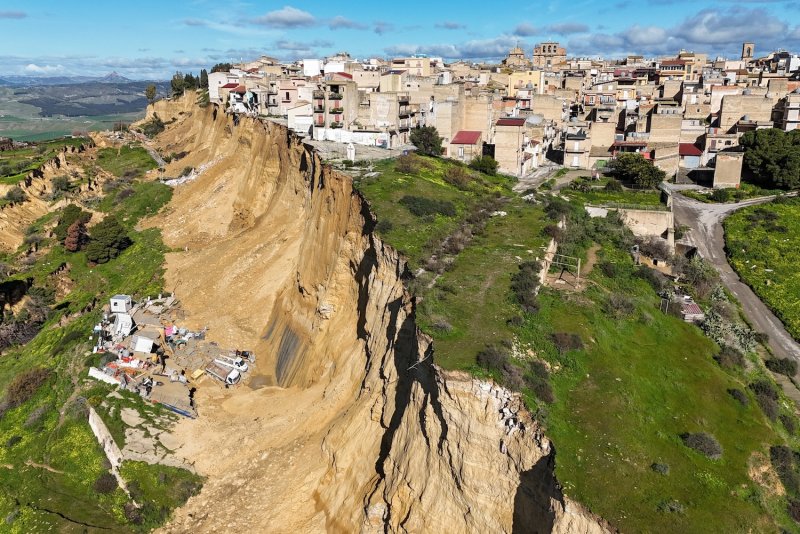
The operational impact on e-commerce logistics is substantial and immediate. Approximately 1,500 residents were evacuated from Niscemi following a 2.5-mile landslide that created a 4-kilometer chasm, with roads connecting affected towns to coastal cities completely blocked. Warehouse facilities and 3PL distribution centers in affected regions face operational challenges, with shipping routes disrupted and port infrastructure damaged. Sellers utilizing Italian ports for European distribution—particularly those shipping to EU markets via Mediterranean gateways—face 7-14 day delays in transit times and potential rerouting costs of 15-25% premium shipping fees. The Italian government allocated €100 million in initial emergency funding with plans for additional interministerial reconstruction measures, but infrastructure restoration timelines remain uncertain. This represents a broader climate-related risk pattern: extreme weather events are increasing in frequency across the Mediterranean, with the region experiencing more intense storms than historical averages due to accelerating sea temperature rise.
Strategic implications extend beyond immediate logistics disruptions to long-term supply chain resilience planning. Cross-border sellers relying on Southern European distribution networks must assess alternative routing through Northern Italian ports (Genoa, Venice) or alternative gateways (Barcelona, Marseille) to maintain delivery timelines. The incident demonstrates that Mediterranean-based logistics hubs face climate-related vulnerabilities that traditional contingency planning may not address. Sellers should evaluate 3PL provider redundancy, consider inventory pre-positioning in less-affected regions, and implement real-time supply chain monitoring systems. The €1 billion damage scale and ongoing reconstruction efforts suggest 2-3 month recovery periods for full port capacity restoration, making immediate contingency activation critical for sellers with tight inventory-to-sales ratios or seasonal product cycles.
問題 8
What are the cost implications of rerouting shipments away from affected Italian ports?
Alternative routing through Northern Italian ports adds €150-300 per 40-foot container in additional transportation costs (2-3 day delays). Rerouting through French/Spanish gateways adds €400-800 per container with 4-6 day delays. Air freight for urgent inventory costs €3-5 per kilogram versus €0.50-1.50 for ocean freight, representing 300-500% cost increases. For sellers shipping 500+ containers monthly, total rerouting costs could reach €75,000-400,000 during the 2-3 month recovery period. Sellers should evaluate inventory pre-positioning costs versus rerouting premiums and consider temporary price increases to offset logistics cost inflation.
How does Mediterranean warming increase extreme weather risks for e-commerce logistics?
Mediterranean surface temperatures reached record 31°C in 2024, with the sea heating faster than other oceans due to its smaller, partly-closed geography. Higher temperatures increase evaporation and atmospheric energy, generating winds approximately 10% stronger than historical averages—directly contributing to Cyclone Harry's destructive 20-foot waves and catastrophic damage. Experts attribute this pattern to climate change, with extreme weather events becoming increasingly frequent in the region. Sellers should incorporate climate-related supply chain risks into long-term logistics planning, diversify port dependencies, and implement real-time monitoring systems for Mediterranean weather patterns affecting inventory transit.