





US Consumer Confidence Hits 12-Year Low | Critical Q1 2026 Seller Alert
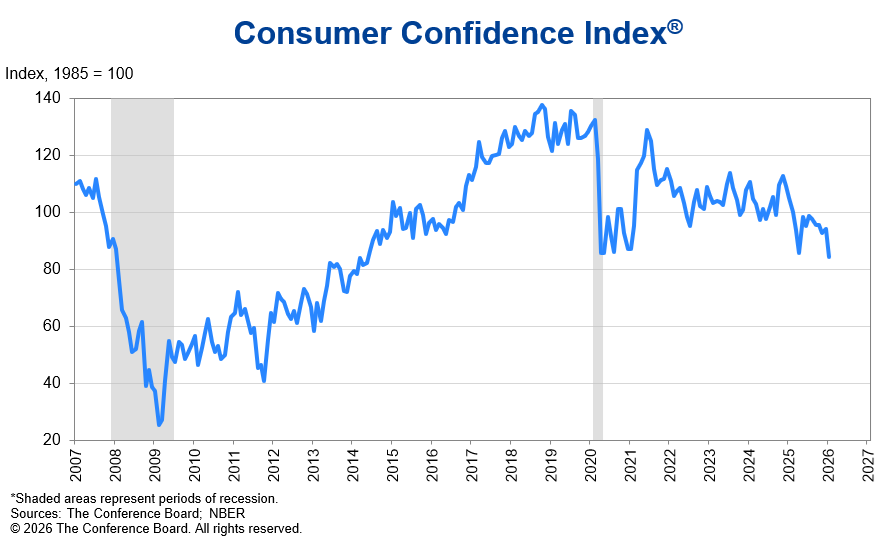
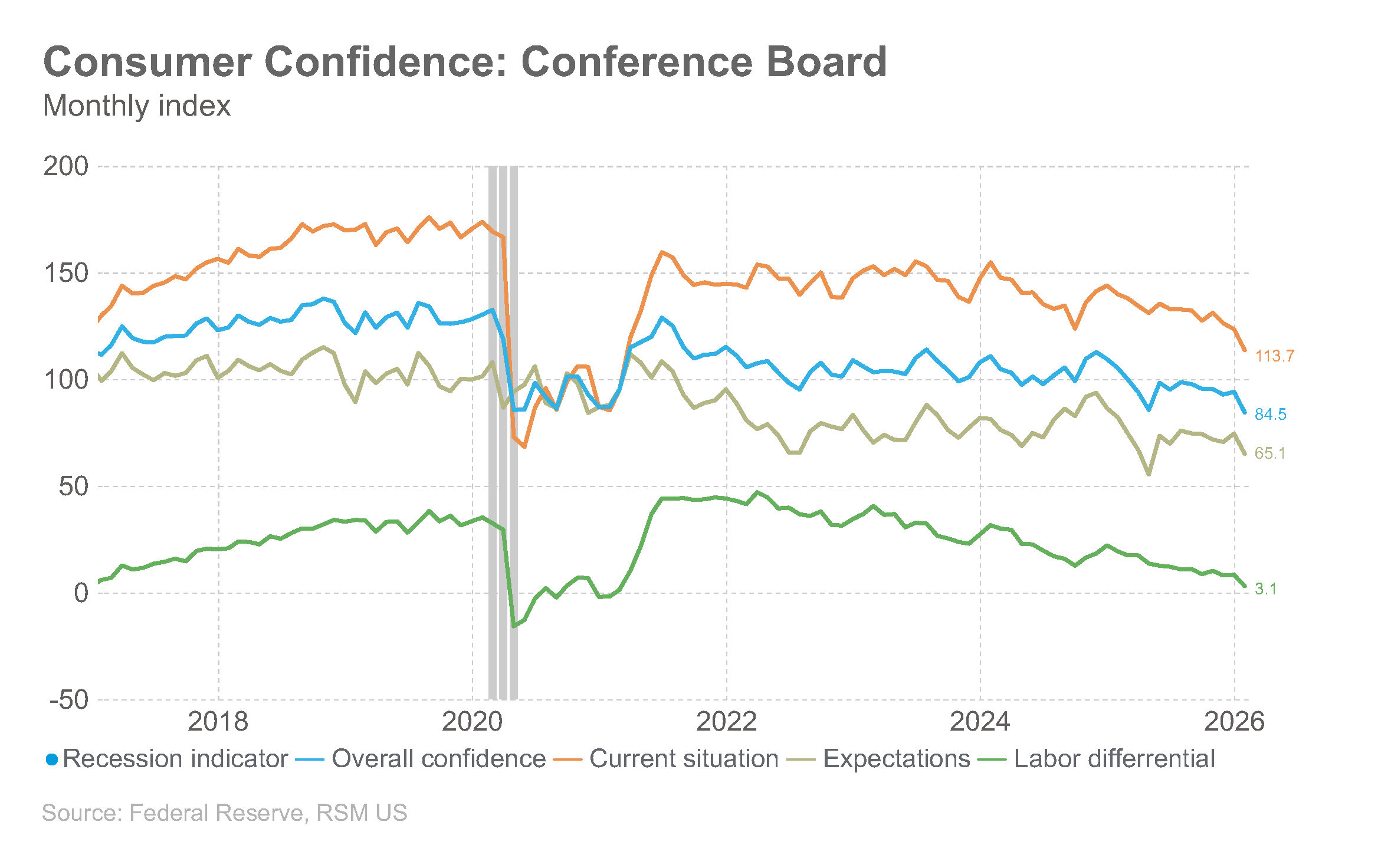
- Conference Board index drops 10 points to 84.5; affects discretionary categories, pricing strategies, and inventory planning for 50K+ cross-border sellers





)







































概览
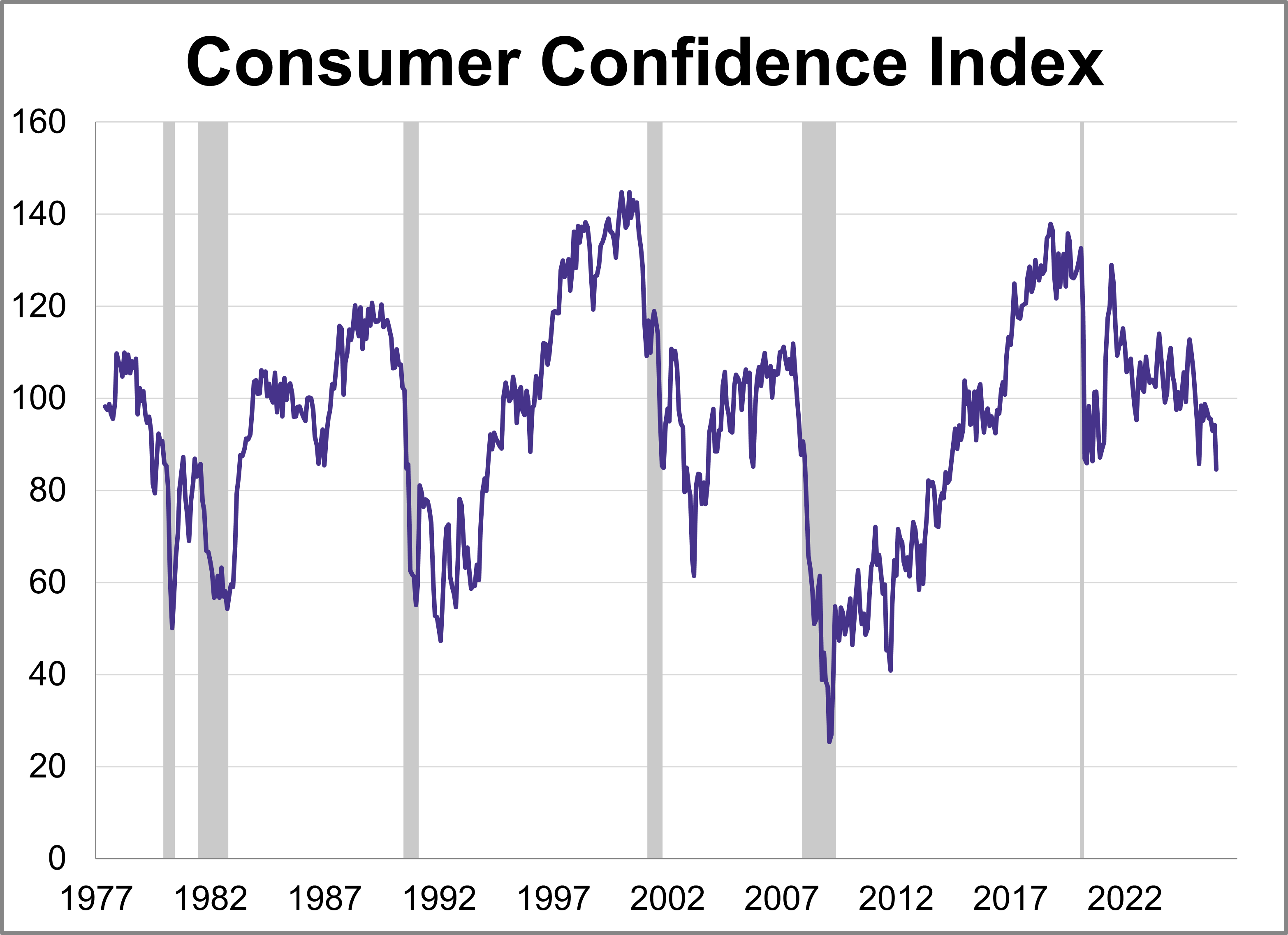
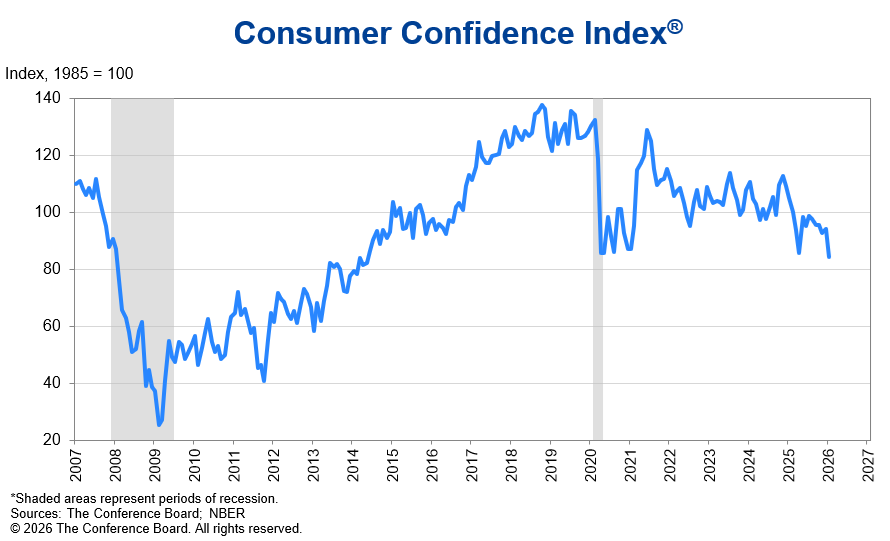
US consumer confidence has collapsed to a 12-year low in January 2026, with the Conference Board's consumer confidence index dropping nearly 10 points to 84.5—the weakest reading since 2014. This represents a critical inflection point for cross-border e-commerce sellers targeting the North American market, despite paradoxical macroeconomic resilience. The unemployment rate remains stable at 4.4% (December 2025), stock markets hit record highs, and GDP growth continues at 2% annually for the fifth consecutive year. However, consumer psychology has sharply diverged from these fundamentals, driven by sustained concerns about inflation (3% annually, above the Federal Reserve's 2% target), tariff-related price increases, labor market deterioration, and rising healthcare costs.
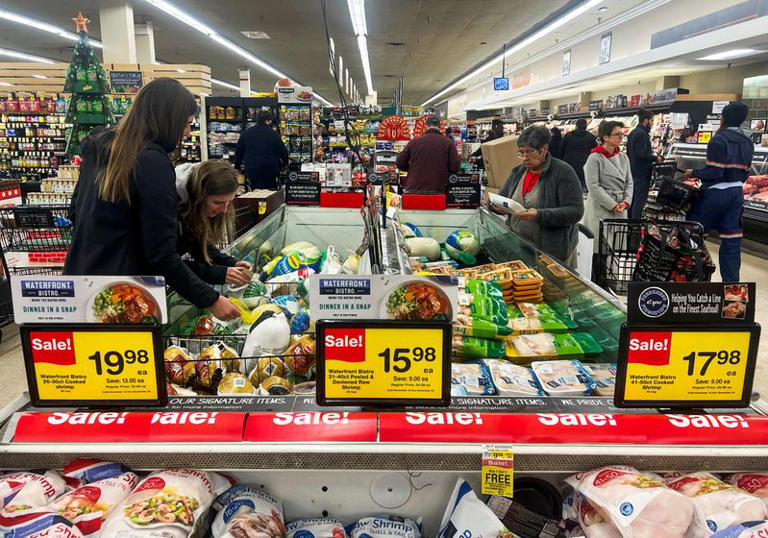
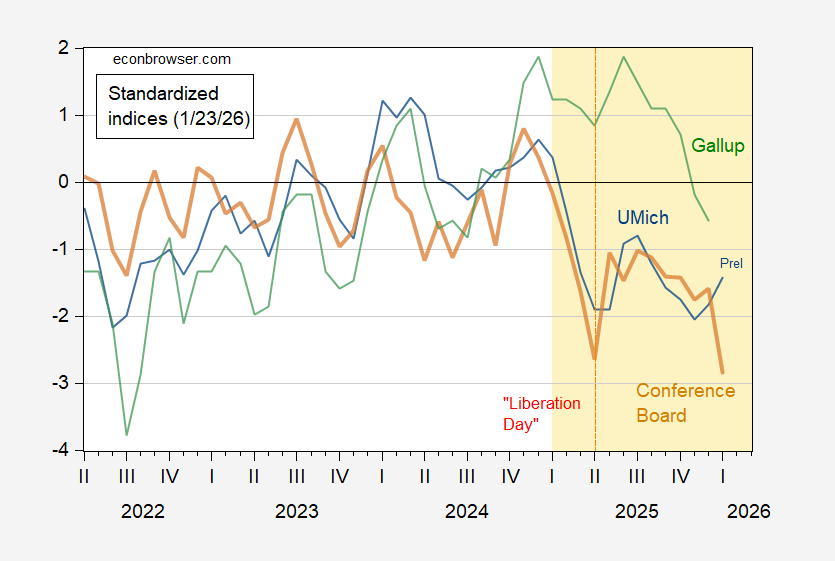
The operational impact for e-commerce sellers is immediate and multifaceted. When consumer confidence drops to 11-year lows, purchasing behavior shifts dramatically: consumers reduce non-essential purchases, delay major buying decisions, and become significantly more price-sensitive. This directly impacts conversion rates and average order values across Amazon, eBay, and Shopify platforms. Sellers in lifestyle, fashion, home goods, and premium product categories face the most acute headwinds, with anticipated reductions in order volumes and longer sales cycles. The University of Michigan's consumer sentiment survey corroborates this trend, showing consumers reporting sustained pressure on purchasing power from elevated prices and weakening employment prospects. Notably, businesses have ceased aggressive hiring, instead replacing departing workers while leaving many positions unfilled—a signal that middle-income consumer purchasing power may deteriorate further in coming quarters.
The paradox presents both risk and opportunity for segmented sellers. Affluent consumers benefiting from booming stock markets and 401(k) gains continue robust spending, creating a bifurcated market. This suggests sellers should immediately pivot inventory allocation: reduce exposure to discretionary categories targeting middle-income consumers, while increasing stock in essential products and premium goods targeting high-net-worth buyers. The 12-year low sentiment reading indicates this is not a temporary fluctuation but a significant psychological shift potentially affecting consumer behavior across multiple quarters. Economists attribute continued economic growth to substantial business investment in AI and robotics, with World Bank deputy chief economist Ayhan Kose suggesting AI could expand the economy's potential growth rate from 1.8% to 2.2-2.4%. However, uncertainty about whether AI will create or eliminate net jobs perpetuates consumer anxiety, making demand forecasting increasingly challenging for inventory planning and marketing budget allocation.
問題 8
How does the 12-year low consumer confidence directly impact Amazon and eBay seller revenue?
The Conference Board's January 2026 index drop to 84.5 signals reduced discretionary spending, which typically translates to 8-15% lower order volumes in non-essential categories on Amazon and eBay within 30-60 days. Sellers in fashion, home goods, and lifestyle categories should expect conversion rate declines of 5-10% and average order value reductions of 10-20% as consumers become more price-sensitive. However, essential product categories and premium goods targeting affluent consumers (benefiting from record stock market gains) may maintain stable demand. Sellers should immediately audit their inventory mix and adjust PPC budgets to prioritize high-margin essential products over discretionary items.
What is the timeline for when sellers should expect demand impact from this confidence collapse?
Consumer confidence typically translates to purchasing behavior changes within 2-4 weeks, meaning sellers should expect measurable order volume declines by early February 2026. The Conference Board's January 2026 reading represents a critical inflection point, suggesting Q1 2026 (January-March) will experience sustained headwinds. However, the divergence between the Conference Board index and University of Michigan survey (which showed improvement) creates forecasting uncertainty. Sellers should establish daily monitoring dashboards tracking conversion rates, average order value, and traffic by product category through March 31, 2026. If sentiment stabilizes by late February, demand may recover in April; if it deteriorates further, expect extended pressure through Q2 2026.