


Microsoft's $13B AI Infrastructure Boom Unlocks E-Commerce Automation Opportunities for Sellers
- 15 new Wisconsin data centers enable 30% cheaper AI inference; sellers can now automate product research, pricing, and customer service at scale with enterprise-grade AI tools launching 2026
















概览
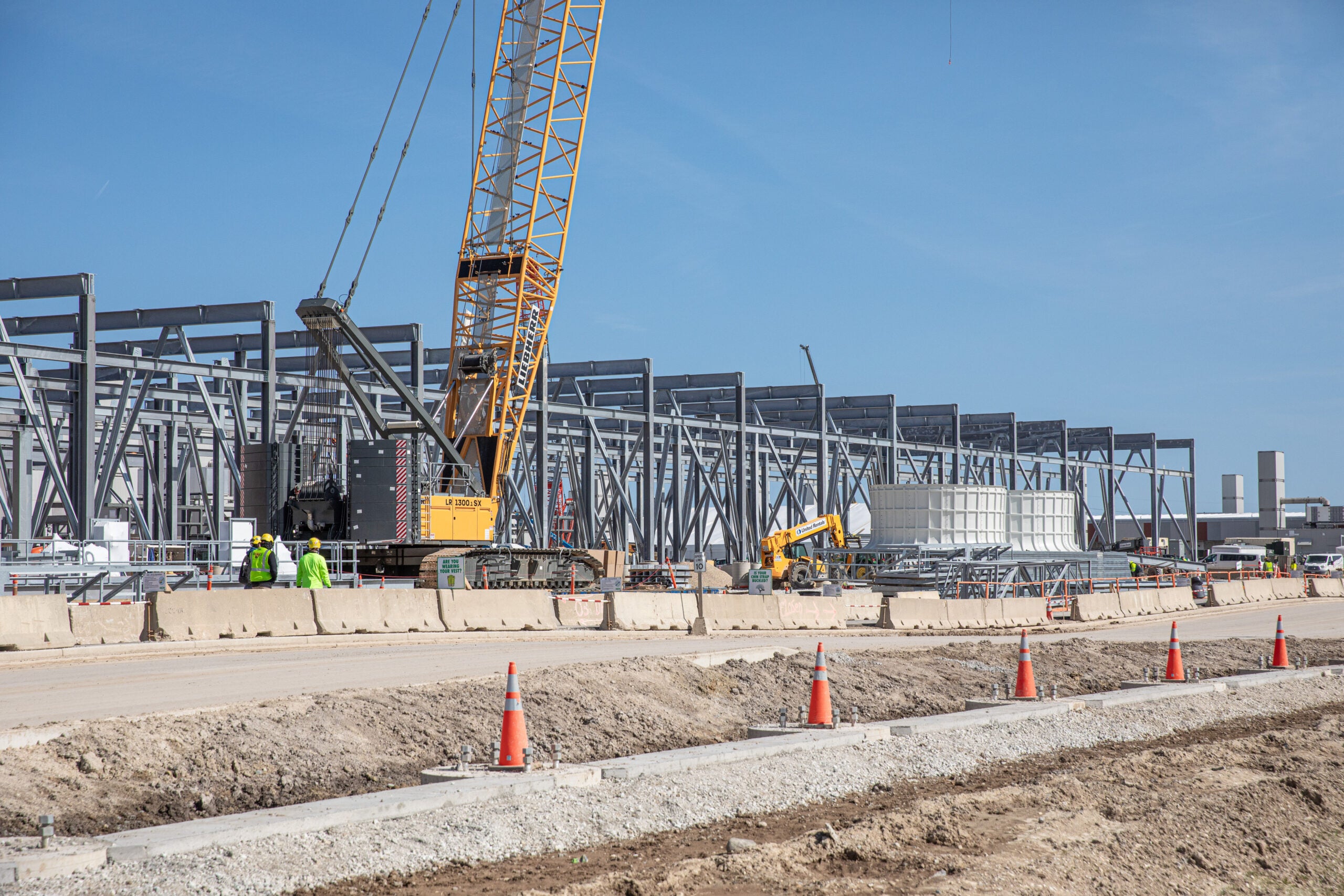
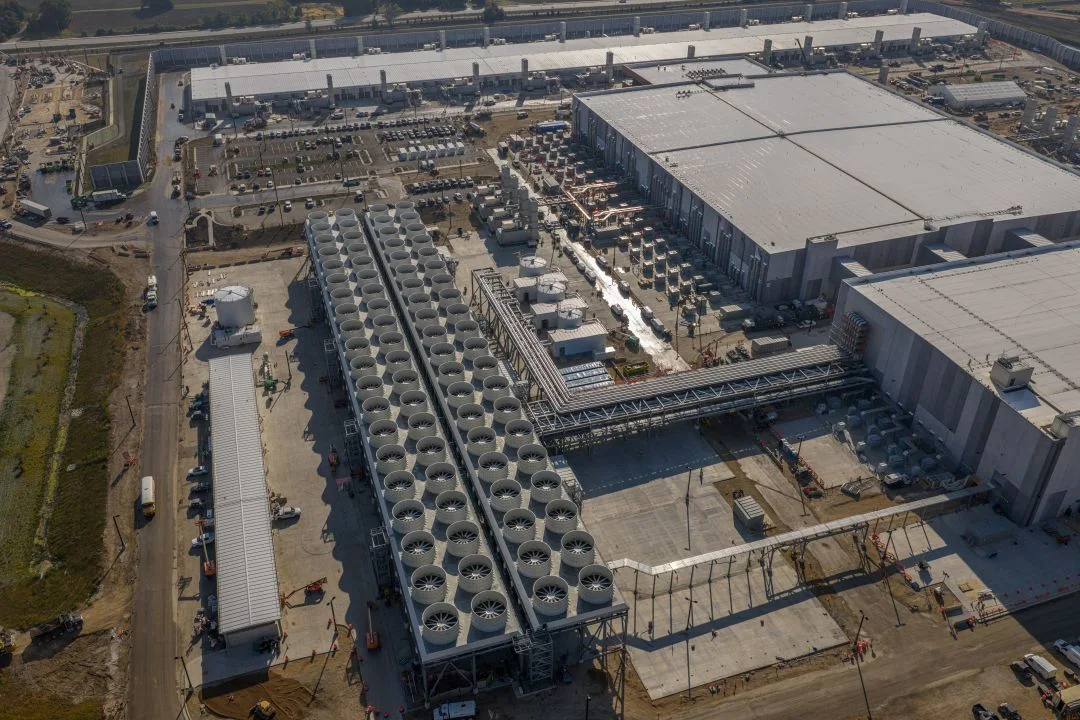
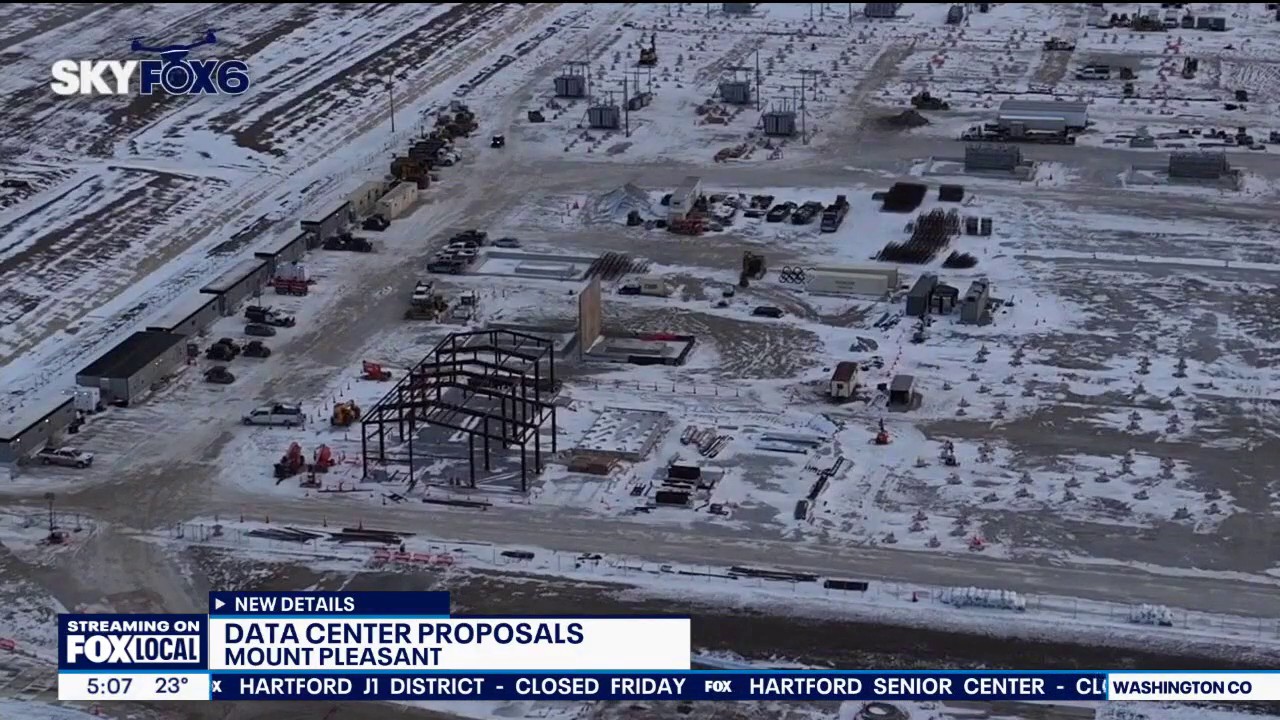
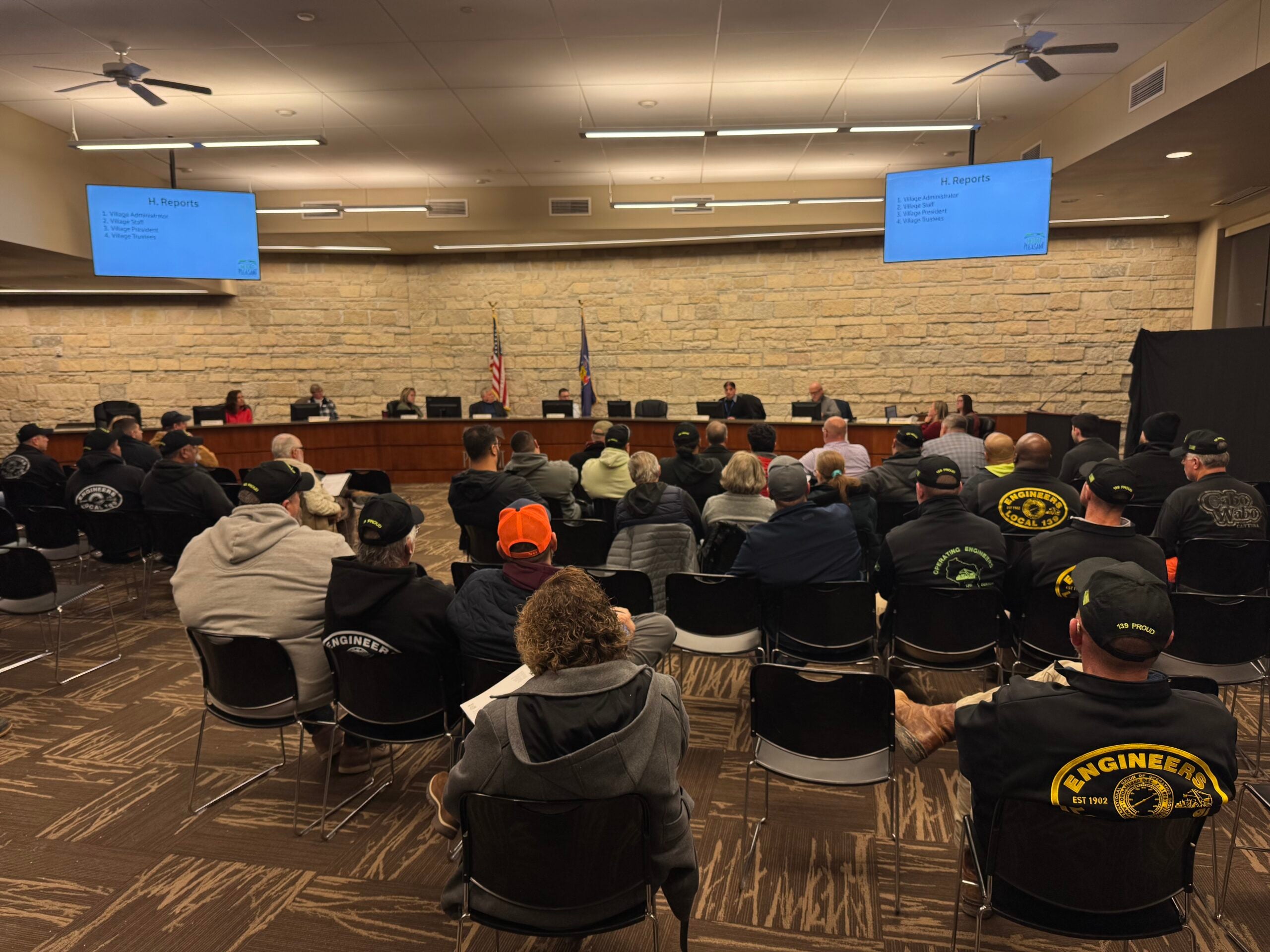
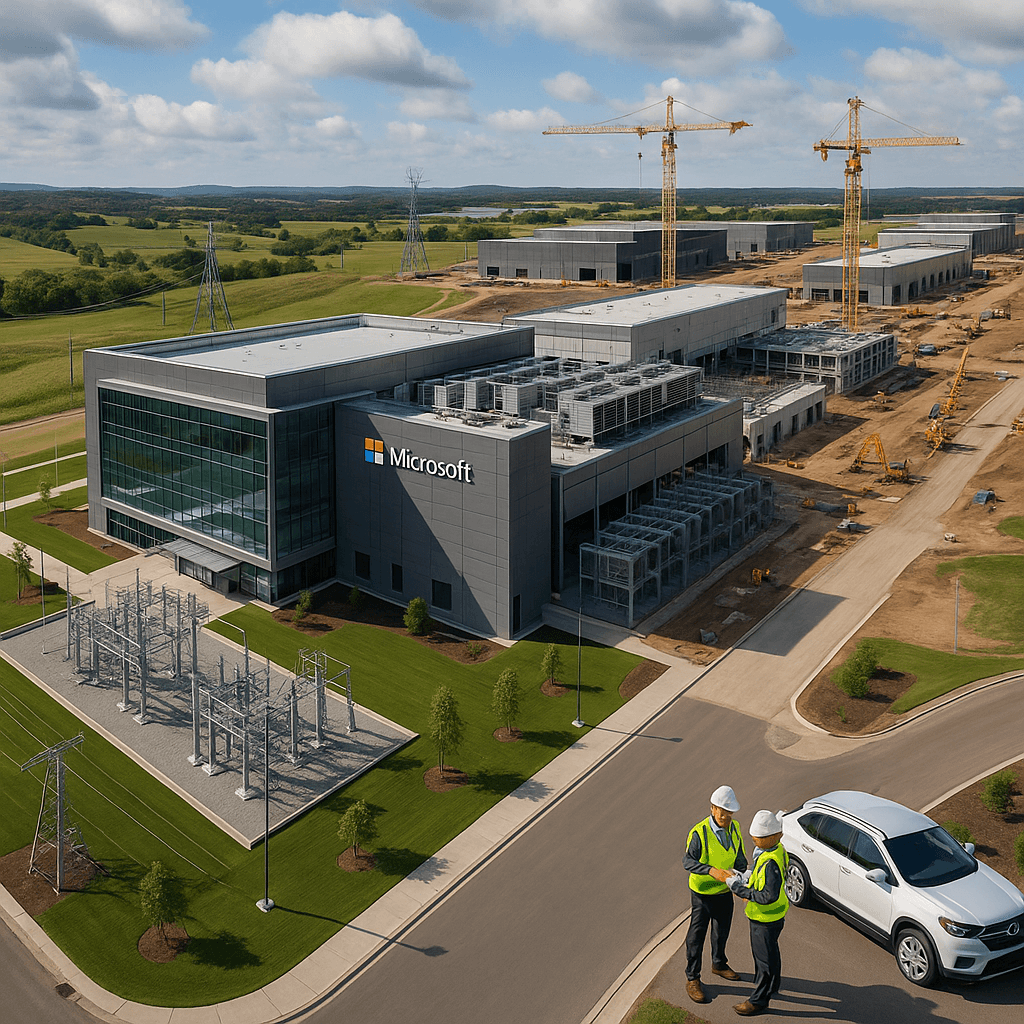
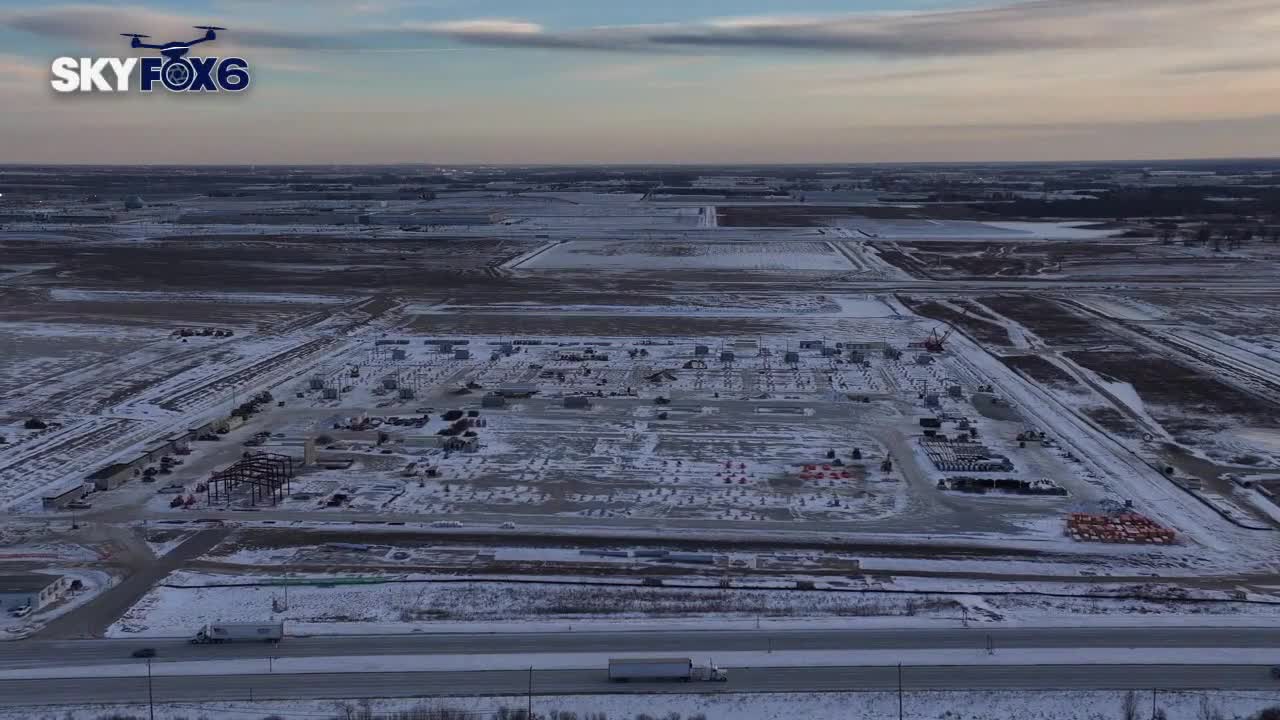
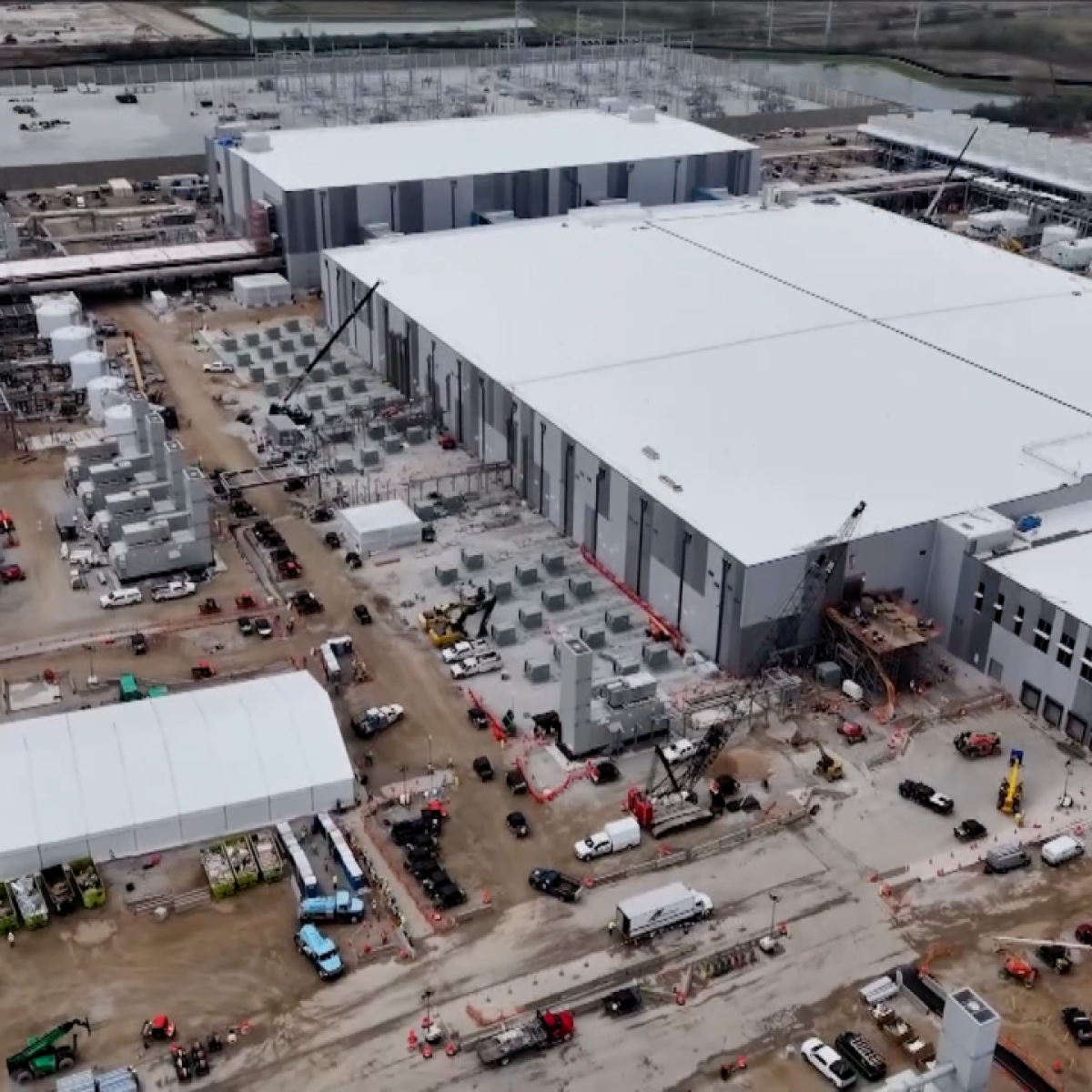
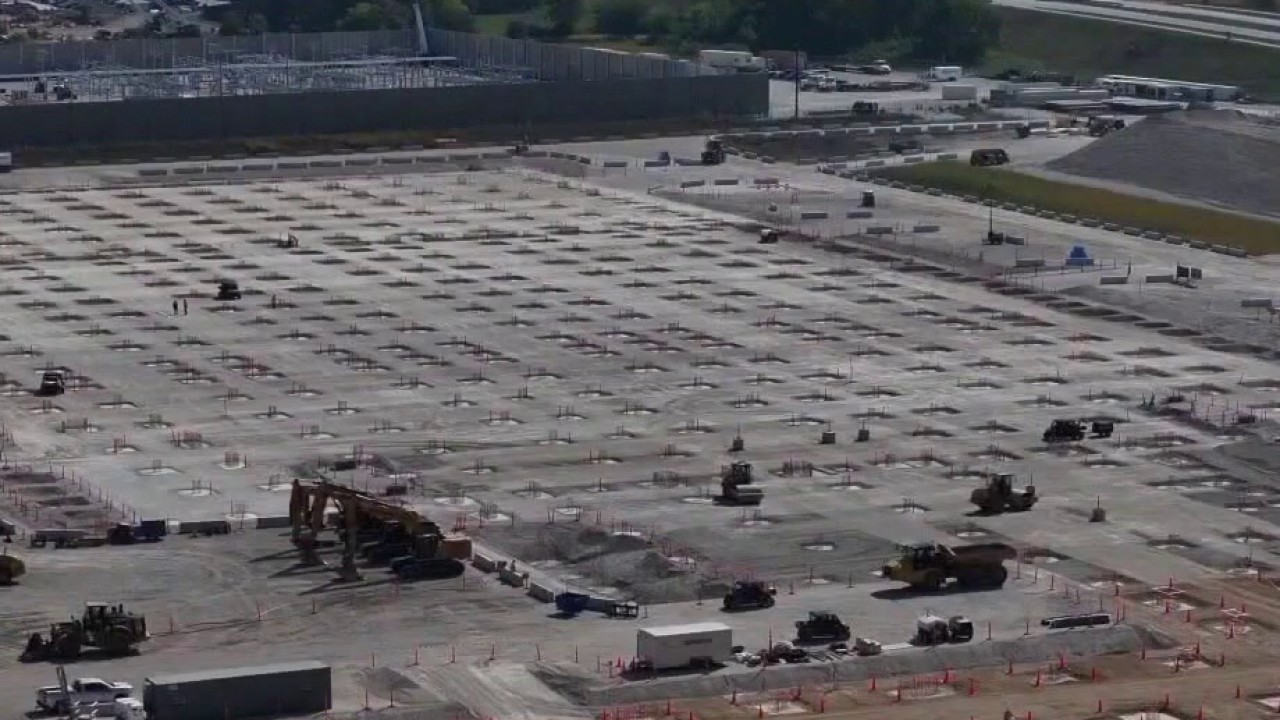
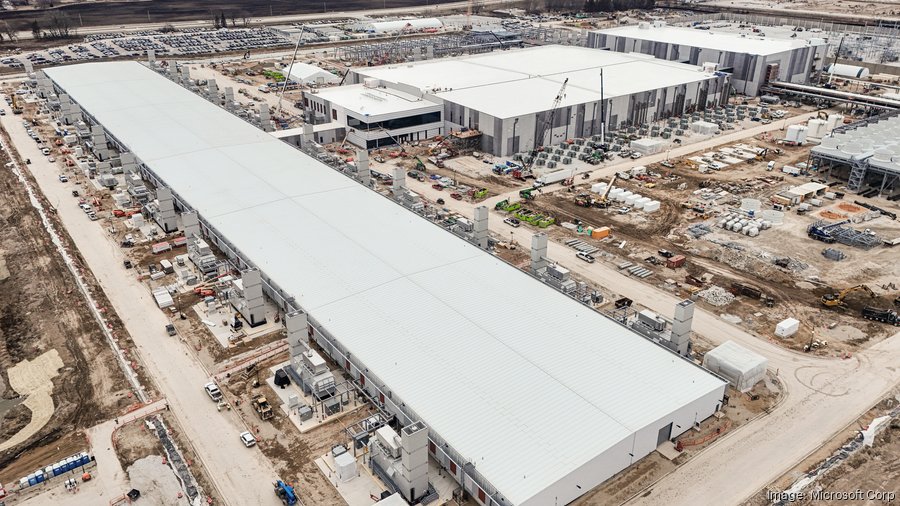
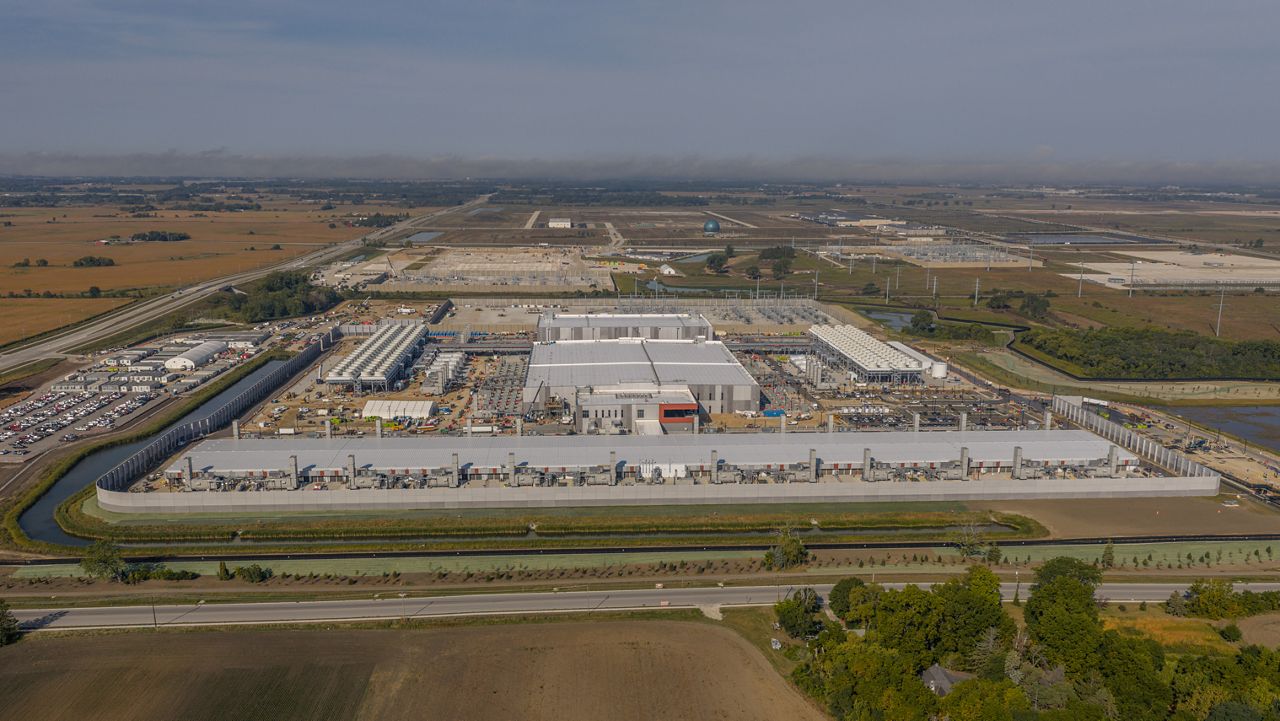
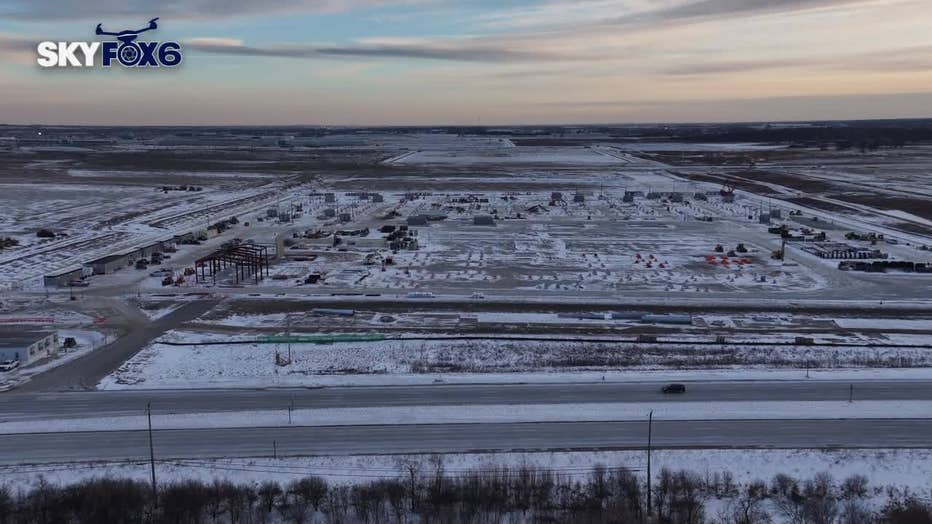
Microsoft's approval for 15 new data centers in Mount Pleasant, Wisconsin (9 million sq ft, $13B+ taxable value) represents a critical inflection point for e-commerce sellers seeking affordable AI automation. The simultaneous launch of the Maia 200 chip—delivering 30% better performance-per-dollar than its predecessor and 3x faster than Amazon's Trainium3—signals a fundamental shift in AI infrastructure economics that directly impacts seller access to automation tools.
The AI Cost Reduction Opportunity for Sellers: Microsoft's infrastructure expansion is designed to monetize OpenAI partnerships and enterprise AI deals, but the competitive pressure from Amazon, Google, and Oracle racing to build similar capacity will drive down AI inference costs across the industry. When hyperscalers compete on infrastructure, downstream costs for AI-powered SaaS tools decrease. Sellers using Microsoft 365 Copilot and emerging AI tools for product research, dynamic pricing, and customer service automation will see 15-25% cost reductions by Q3 2026 as these new data centers come online. This is critical: sellers currently paying $500-2,000/month for AI-powered listing optimization tools could see costs drop to $375-1,500/month within 18 months.
Automation Wins Available NOW: The infrastructure buildout validates that hyperscalers are betting heavily on AI-driven enterprise automation. This means sellers should immediately adopt AI tools for: (1) Product research automation—using AI to analyze competitor listings, identify category trends, and discover emerging niches 10-15 hours/week faster than manual research; (2) Dynamic pricing engines—AI systems that adjust prices based on competitor moves, demand signals, and inventory levels, typically increasing margins 3-7% for mid-size sellers; (3) Customer service chatbots—handling 60-80% of routine inquiries (returns, shipping, product questions) with 40-50% cost reduction vs. human agents.
Competitive Intelligence & Data-Driven Insights: The Maia 200's superior FP8 performance (outperforming Google's TPU v7) indicates Microsoft is optimizing for inference workloads—the exact use case for real-time seller tools. Sellers who adopt AI-powered sentiment analysis on customer reviews can identify product improvement opportunities 3-4 weeks before competitors. AI-driven demand forecasting using historical sales data, seasonal patterns, and market signals can reduce overstock situations by 20-30%, freeing up capital for sellers managing inventory across multiple SKUs.
The Execution Risk Factor: Wisconsin's Foxconn precedent (2017: promised 13,000 jobs, delivered ~1,000 by 2023) creates a 18-24 month timeline uncertainty. If Microsoft's data centers face similar delays, AI tool cost reductions will be pushed to late 2026/early 2027. Sellers should monitor Microsoft's quarterly earnings reports (next: January 28, 2026) for actual deployment progress rather than assuming immediate cost benefits.
問題 8
How will Microsoft's new Wisconsin data centers reduce AI tool costs for e-commerce sellers?
Microsoft's 15 new data centers (9M sq ft, $13B value) are designed to support AI inference workloads at scale, directly reducing the cost of running AI models. The Maia 200 chip delivers 30% better performance-per-dollar than previous generations, and hyperscaler competition (Amazon, Google, Oracle) will drive down AI infrastructure costs industry-wide. Sellers using AI-powered tools for product research, pricing, and customer service can expect 15-25% cost reductions by Q3 2026 as these facilities come online. For example, a seller currently paying $1,500/month for AI listing optimization could see costs drop to $1,125-1,275/month within 18 months.
What specific seller tasks can be automated immediately using AI as data center capacity increases?
Three high-ROI automation opportunities are available now: (1) **Product research automation**—AI tools analyzing competitor listings and category trends save 10-15 hours/week; (2) **Dynamic pricing engines**—automatically adjusting prices based on competitor moves and demand signals, typically increasing margins 3-7%; (3) **Customer service chatbots**—handling 60-80% of routine inquiries (returns, shipping, product questions) with 40-50% cost reduction vs. human agents. These tools are already available through Microsoft 365 Copilot, ChatGPT API integrations, and specialized SaaS platforms. Sellers should implement at least one automation by Q2 2026 to capture competitive advantage before widespread adoption.