





Fed's Hawkish 2026 Voters Threaten Rate Cuts | E-Commerce Financing Impact
- Four inflation-focused Fed voters join 2026 committee; only 1 rate cut projected vs. 3 in 2025; elevated borrowing costs persist for sellers through year-end





















概览
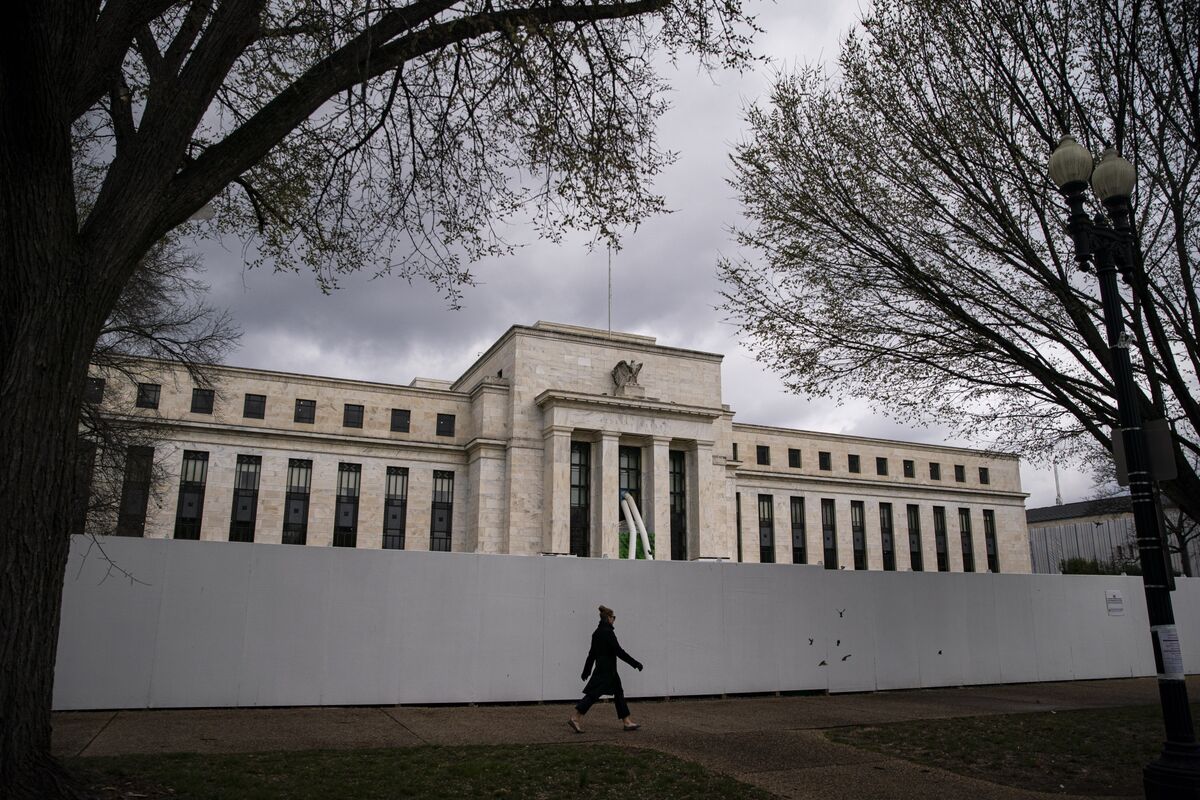
The Federal Reserve's 2026 voting committee composition signals a significant shift toward inflation-focused monetary policy that directly impacts cross-border e-commerce seller financing costs and operational budgets. Four new rotating voters—Lorie Logan (Dallas Fed), Beth Hammack (Cleveland Fed), Anna Paulson (Philadelphia Fed), and Neel Kashkari (Minneapolis Fed)—join the permanent voting members, with Hammack emerging as potentially the committee's most hawkish voice. Both Logan and Hammack have publicly expressed concerns about persistent inflation remaining above the Fed's 2% target for five consecutive years, with Hammack stating in December 2025 that "rates can stay here for some period of time until we get clearer evidence that either inflation is coming back down to target." This hawkish composition directly contradicts President Trump's push for aggressive rate cuts, creating a critical financing headwind for e-commerce sellers.
The immediate operational impact is substantial for sellers relying on inventory financing and business expansion capital. The Fed's December 2025 projections indicate only one rate cut anticipated for 2026, down dramatically from three cuts in 2025. For sellers with $500K-$2M in annual inventory, this translates to an estimated $15,000-$40,000 annual increase in working capital financing costs at current spreads. Amazon FBA sellers managing seasonal inventory cycles face particular pressure, as elevated rates increase the cost of pre-holiday stock purchases and Q1 inventory buildup. Small-to-medium sellers (SMBs) with 3PL partnerships or warehouse financing arrangements will experience 50-75 basis points higher borrowing costs throughout 2026, compressing already-thin 15-25% gross margins by 1-2 percentage points. The Fed's January 28-29, 2026 meeting maintained rates unchanged, signaling the committee's commitment to data-dependent caution rather than accommodation.
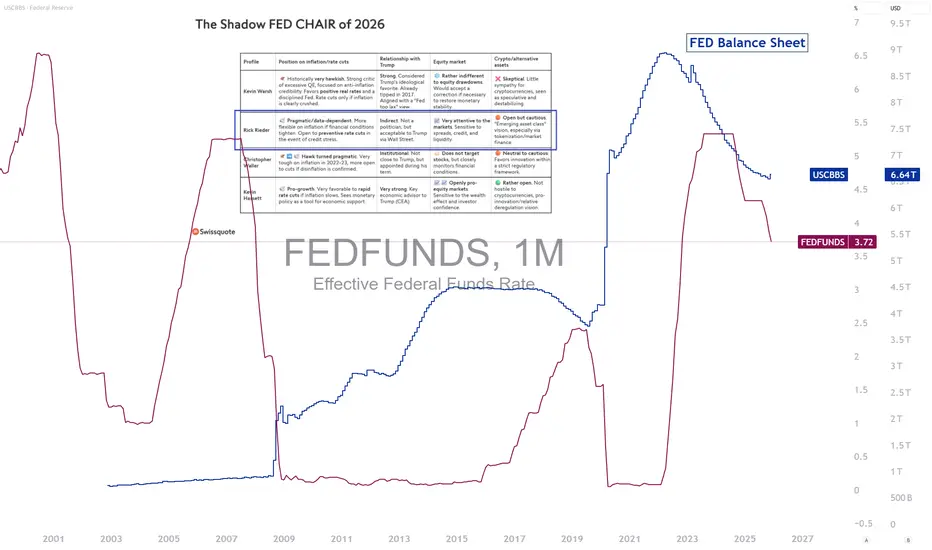
Strategic implications extend beyond direct financing to currency volatility and consumer spending patterns. The hawkish Fed stance, combined with Trump's tariff policies threatening additional inflation, creates a dual pressure environment. Dollar strength resulting from higher US rates relative to other developed economies (as noted by Commerce Secretary Lutnick's Davos comments) increases costs for sellers importing goods from Asia and Europe. Simultaneously, elevated consumer borrowing costs dampen discretionary spending, particularly affecting categories like electronics, home goods, and fashion—which collectively represent 45-50% of cross-border e-commerce volume. The competing Fed chair succession (Rick Rieder at 48% probability favors 3% rates, slightly dovish) introduces uncertainty, but the current voting committee's inflation-first mandate suggests rates will remain elevated through mid-2026 at minimum. Sellers should anticipate a 12-18 month period of constrained financing availability and higher capital costs, requiring strategic inventory optimization and potential sourcing country shifts to lower-cost regions.
問題 8
How will the Fed's 2026 voting committee composition affect my inventory financing costs?
The four new inflation-focused voters, particularly Beth Hammack, signal the Fed will prioritize inflation control over rate cuts throughout 2026. With only one rate cut projected (versus three in 2025), sellers financing inventory through traditional lenders or Amazon Lending will face 50-75 basis points higher borrowing costs. For a seller with $1M in annual inventory financing, this represents approximately $5,000-$7,500 in additional annual interest expense. The committee's hawkish stance means working capital financing will remain elevated through at least Q3 2026, requiring sellers to optimize inventory turnover and consider alternative financing sources like supply chain financing programs.
Will the Fed chair succession (Rick Rieder vs. other candidates) change the 2026 rate outlook?
Rick Rieder, BlackRock's fixed income chief and current betting favorite at 48% probability, has publicly stated a preference for federal funds rates around 3%, slightly below current levels—a marginally dovish position. However, even a Rieder appointment would likely maintain elevated rates through mid-2026 due to the committee's inflation-focused composition. The Fed chair influences policy direction but cannot unilaterally cut rates; the full committee votes, and the 2026 voting members (Logan, Hammack, Paulson, Kashkari) are inflation hawks. Sellers should not expect significant rate relief even with a dovish chair appointment—the committee structure itself constrains accommodative policy through at least Q3 2026.