

UPS Amazon Exit 2026 | FBA Sellers Face Shipping Cost Surge & Carrier Shift
- UPS reducing Amazon shipments by 1M pieces daily in 2026; FBA sellers must shift to FedEx, USPS, or regional carriers; expect 8-15% shipping cost increases and 2-4 week service delays


















概览
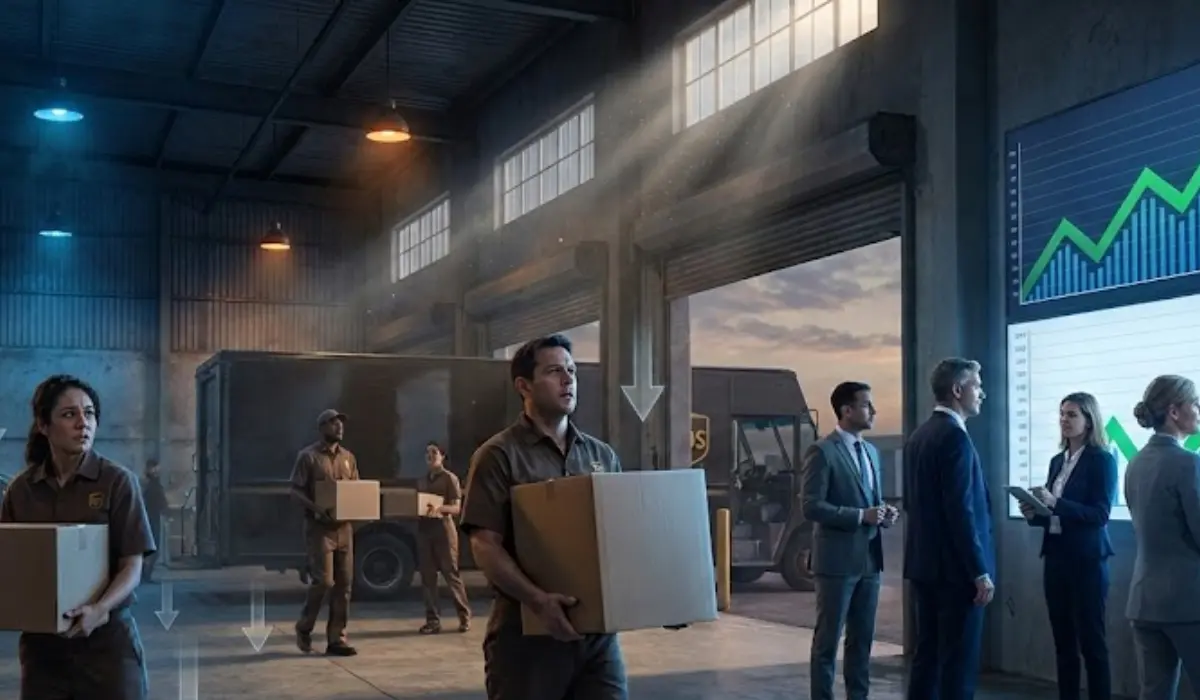
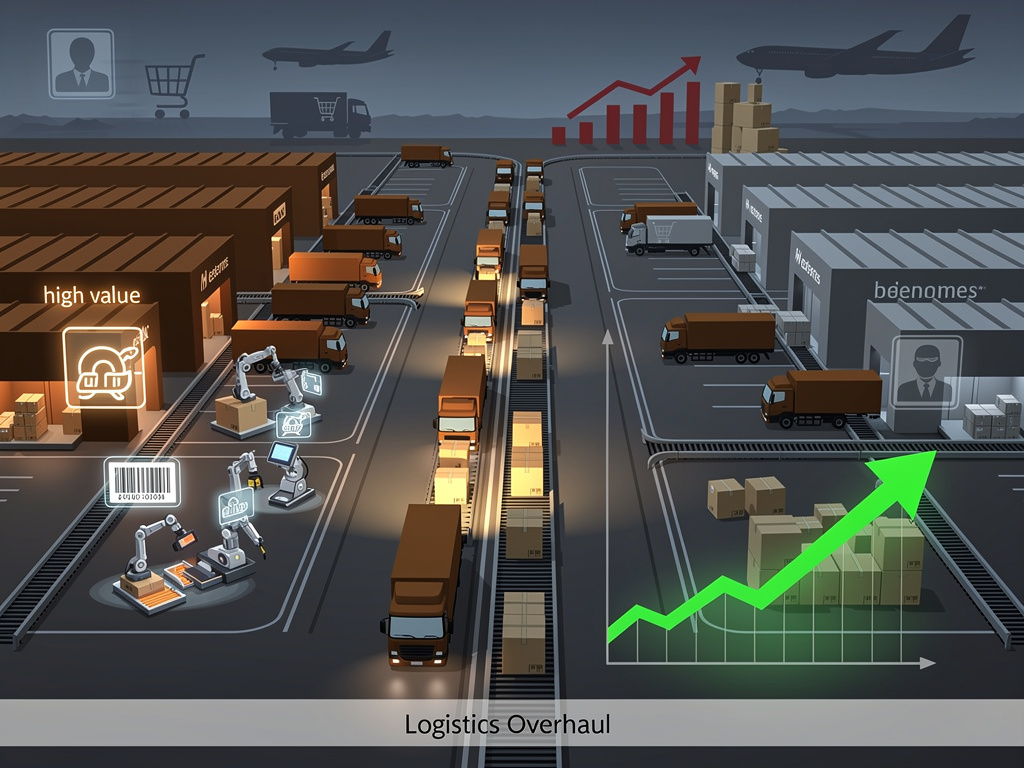
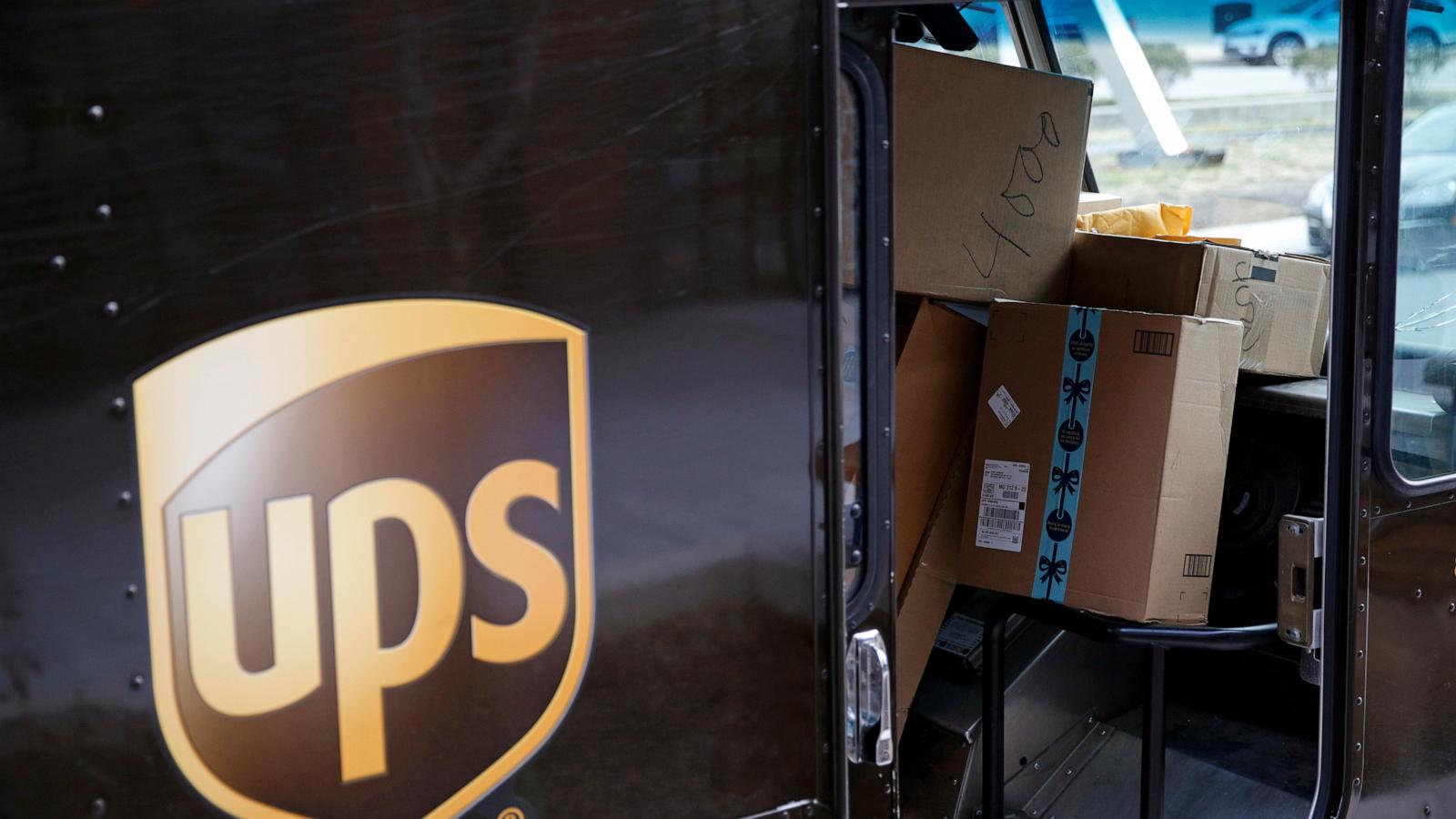
UPS's strategic withdrawal from Amazon represents a critical supply chain inflection point for FBA sellers. The carrier is executing a two-phase exit: Phase 1 (2025) eliminated 48,000 jobs and closed 93 facilities; Phase 2 (2026) targets 30,000 additional job cuts and 24 facility closures while reducing Amazon shipments by one million pieces daily. CEO Carol Tome explicitly stated Amazon deliveries are "extraordinarily dilutive" to profit margins, forcing UPS to reallocate capacity toward higher-margin healthcare and enterprise customers. This directly impacts the 2+ million Amazon sellers globally who depend on UPS for FBA inbound logistics and customer deliveries.
Immediate shipping cost implications are severe for mid-tier FBA sellers. UPS currently handles approximately 15-20% of Amazon's domestic parcel volume (estimated 900M-1.2B annual pieces). As UPS capacity shrinks, FBA sellers face three cost scenarios: (1) FedEx rate increases of 5-8% due to demand surge (FedEx already raised rates 4.9% in January 2025); (2) USPS Priority Mail Express premiums rising 6-12% as volume concentrates; (3) Regional carrier adoption (OnTrac, LaserShip, XPO) at 10-15% discounts but with 3-5 day service delays. Sellers shipping 500+ units monthly should expect $200-600 monthly cost increases by Q2 2026. Amazon's own delivery network (handling 6.3B deliveries in 2024, surpassing UPS) offers no relief—Amazon Logistics charges premium rates for FBA inbound and prioritizes Amazon-branded products.
Strategic sourcing and inventory repositioning becomes critical. The UPS exit accelerates Amazon's vertical integration, making FBA less cost-competitive for high-volume, low-margin categories (electronics, home goods, apparel). Sellers should immediately: (1) Shift 30-40% of inventory to Fulfilled by Merchant (FBM) using regional 3PL providers in Texas, California, and Georgia hubs where UPS closures are concentrated; (2) Evaluate Walmart Fulfillment Services (WFS) and eBay Fulfillment as alternatives—both offer 8-12% lower inbound rates than FBA; (3) Increase direct-to-consumer (DTC) sales via Shopify with regional fulfillment to bypass Amazon's logistics entirely. Sellers in healthcare, beauty, and specialty categories should accelerate FBA adoption before Q2 2026, as UPS will prioritize these higher-margin segments. The 24 facility closures in H1 2026 will create severe bottlenecks in Midwest and Northeast distribution—sellers should pre-position inventory in West Coast and Southeast warehouses by March 2026.
問題 8
How will UPS's Amazon exit affect my FBA shipping costs in 2026?
UPS is reducing Amazon shipments by 1 million pieces daily throughout 2026, forcing FBA sellers to shift to FedEx, USPS, or regional carriers. FedEx rates are rising 5-8% due to demand surge, while USPS Priority Mail Express premiums will increase 6-12%. Sellers shipping 500+ units monthly should budget $200-600 in additional monthly shipping costs by Q2 2026. Regional carriers like OnTrac and LaserShip offer 10-15% discounts but add 3-5 day delays. Immediately audit your carrier mix and lock in FedEx/USPS rates before Q1 2026 rate increases take effect.
Should I move inventory out of FBA due to UPS capacity reductions?
Yes, for high-volume, low-margin categories (electronics, home goods, apparel under 15% margins). Shift 30-40% of inventory to Fulfilled by Merchant (FBM) using regional 3PL providers in Texas, California, and Georgia—these hubs avoid UPS facility closures. Walmart Fulfillment Services (WFS) and eBay Fulfillment offer 8-12% lower inbound rates than FBA. However, keep healthcare, beauty, and specialty products in FBA—UPS is prioritizing these higher-margin segments and will maintain service levels. By March 2026, pre-position remaining FBA inventory in West Coast and Southeast warehouses to avoid Midwest/Northeast bottlenecks from the 24 facility closures.