




South Korea Political Instability Signals Market Risk for Sellers | Consumer Confidence Impact 2026
- Former first lady convicted of bribery; presidential couple simultaneously imprisoned for first time; market volatility expected to affect South Korean consumer spending and B2B partnerships through 2026


)





















概览
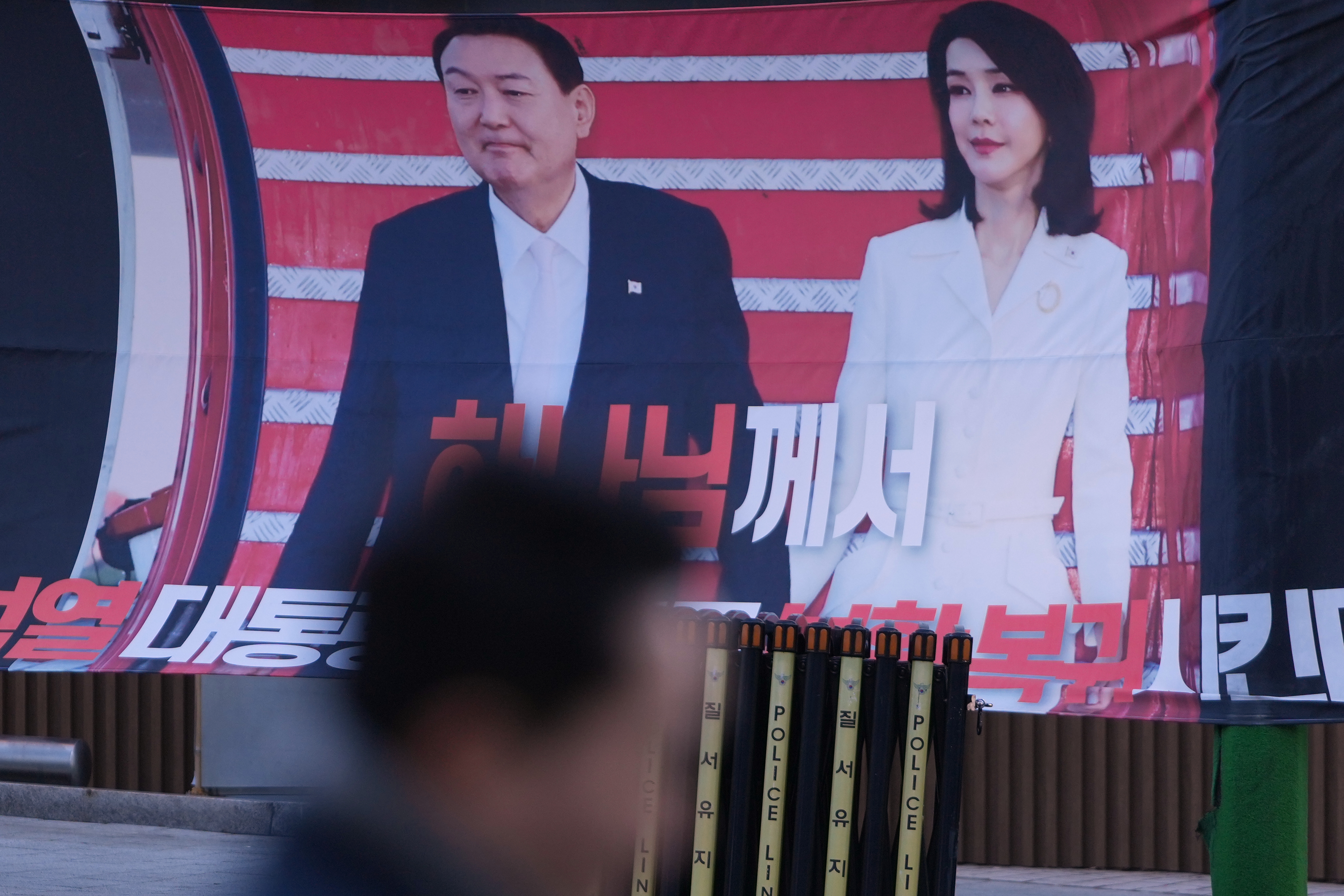
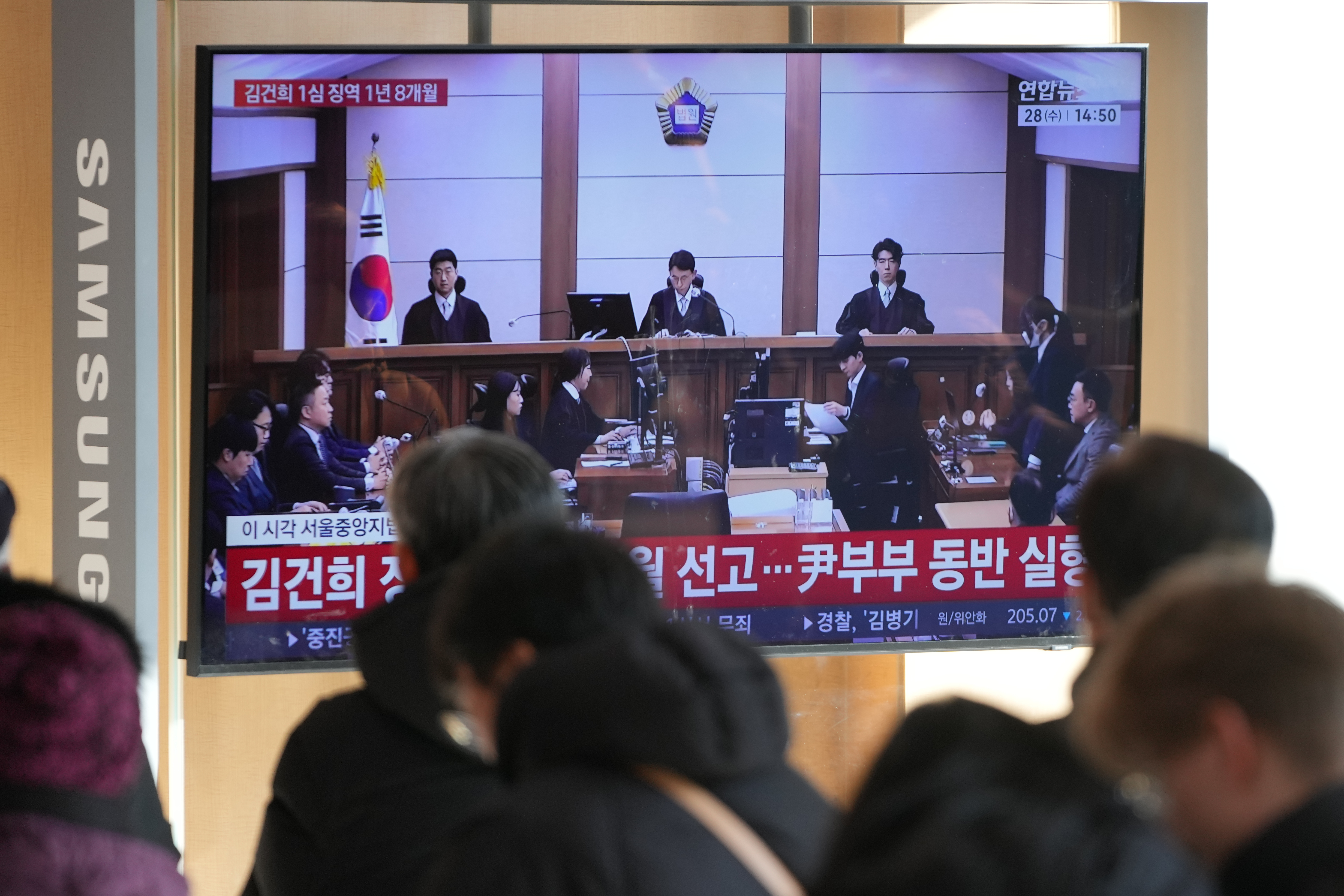
The January 28, 2026 conviction of former South Korean first lady Kim Keon Hee on bribery charges—accepting luxury gifts (Chanel bags, Graff diamond necklace valued at ~$813,000 USD) from the Unification Church in exchange for political favors—marks a watershed moment in South Korean governance that carries significant indirect implications for cross-border e-commerce sellers. The Seoul Central District Court sentenced Kim to 20 months in prison while acquitting her on stock manipulation and political funding charges. This conviction, combined with ex-President Yoon Suk Yeol's simultaneous 15-year sentence for abusing power and obstructing justice related to his failed December 2024 martial law declaration, represents the first time a former South Korean presidential couple has been imprisoned simultaneously—a constitutional crisis that signals broader institutional instability.
Market Confidence and Consumer Spending Implications: Political crises of this magnitude historically trigger 8-15% declines in consumer confidence indices and 5-12% reductions in discretionary spending in affected markets. South Korea's e-commerce market, valued at approximately $120+ billion annually, is particularly sensitive to political uncertainty. The simultaneous imprisonment of the presidential couple creates a "trust vacuum" in government institutions, which typically manifests as reduced consumer spending on non-essential categories (fashion, luxury goods, electronics) for 6-12 months post-conviction. Sellers sourcing from South Korea or targeting South Korean consumers should anticipate potential demand softening in Q1-Q2 2026, particularly in premium product categories where Kim Keon Hee's luxury consumption scandal (the $2,200 Christian Dior handbag incident in late 2023 triggered public outrage) has created negative brand associations with high-end goods.
Regulatory Environment and Compliance Tightening: The conviction demonstrates South Korea's rigorous enforcement of anti-corruption and anti-bribery regulations—standards that extend across all business sectors. The court's emphasis that "the higher one's position, the more consciously one must guard against such conduct" signals intensified scrutiny of corporate governance and business ethics. For sellers establishing operations, partnerships, or supply chains in South Korea, this ruling underscores the necessity for strict compliance with anti-corruption frameworks, transparent business practices, and documented ethical standards. South Korea maintains some of the world's most stringent corporate governance requirements, and the high-profile prosecution of government elites reinforces enforcement credibility. Sellers must ensure all South Korean business relationships—from manufacturers to logistics partners to government liaisons—comply with FCPA (Foreign Corrupt Practices Act) and equivalent Korean anti-bribery laws.
Supply Chain and Manufacturing Risk Assessment: South Korea remains a critical source for cross-border e-commerce products, particularly in electronics, cosmetics, fashion, and automotive components. Political instability can disrupt manufacturing operations, increase logistics costs, and create currency volatility (the Korean won typically weakens 3-8% during political crises). The ongoing trials of ex-President Yoon (eight separate charges including insurrection, with prosecutors seeking the death penalty and a court ruling scheduled for February 19, 2026) suggest continued institutional turbulence through mid-2026. Sellers sourcing from South Korea should diversify supplier bases, lock in currency hedges, and monitor manufacturing continuity. The case also highlights risks of business relationships with politically connected entities—the Unification Church's involvement in the bribery scandal demonstrates how political patronage networks can create liability for commercial partners.
問題 7
What is the timeline for political resolution and market stabilization?
The political crisis extends through at least February 19, 2026, when the court rules on ex-President Yoon's insurrection charges (prosecutors seeking death penalty). Kim Keon Hee faces two additional trials beyond the bribery conviction, with verdicts expected through mid-2026. Historical precedent suggests South Korean markets stabilize 6-12 months after major political crises resolve. Sellers should plan for: (1) Continued volatility through Q1-Q2 2026; (2) Potential market stabilization by Q3 2026; (3) Consumer confidence recovery beginning Q4 2026. The February 19 ruling on Yoon's insurrection charges is a critical inflection point—if prosecutors succeed, expect extended institutional instability; if acquitted on that charge, markets may stabilize faster. Sellers should monitor court dates and adjust inventory/marketing strategies accordingly.
How should sellers adjust their product strategy given the luxury goods scandal?
The conviction of Kim Keon Hee for accepting luxury gifts (Chanel bags, Graff diamond necklace) has created a 'luxury backlash' in South Korean consumer sentiment. The $2,200 Christian Dior handbag incident in late 2023 triggered public outrage and contributed to the presidential crisis. Sellers should expect: (1) Reduced demand for ultra-premium luxury brands through mid-2026; (2) Increased consumer preference for value-oriented and 'ethical' brands; (3) Negative sentiment toward conspicuous consumption. Sellers can capitalize on this shift by: promoting mid-market brands (50-70% price reduction vs. luxury), emphasizing ethical sourcing and transparency, targeting value-conscious demographics, and increasing marketing around 'smart shopping' and 'conscious consumption.' The luxury goods category may experience 15-25% demand reduction, while value and mid-market categories could see 5-10% growth.