

Social Media Platform Liability Compliance | 2,500+ Pending Lawsuits Reshape Youth Marketing Rules for E-Commerce Sellers
- Landmark January 2026 trial establishes precedent for age-verification, algorithmic transparency, and youth targeting restrictions affecting 40-60% of social media-dependent sellers



















概览
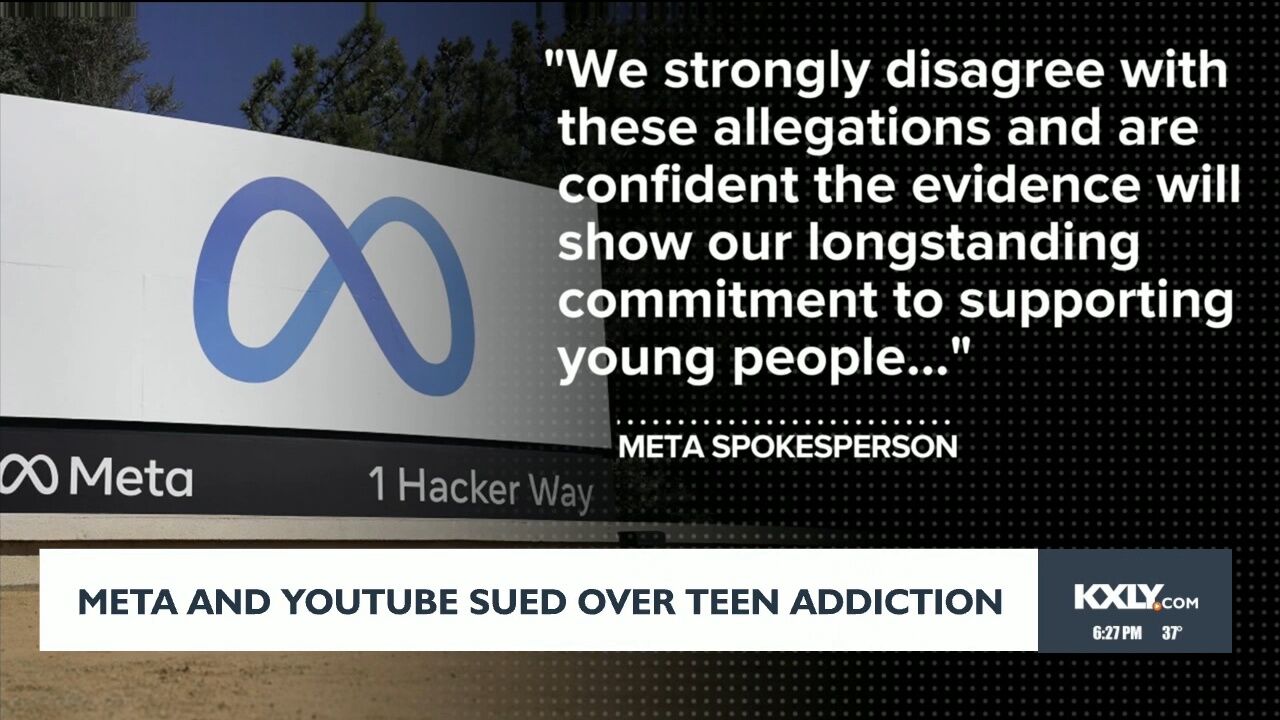
The regulatory landscape for youth-targeted e-commerce marketing is fundamentally shifting as a landmark social media liability trial began January 27, 2026, in Los Angeles County Superior Court. Meta's Instagram, YouTube, and other platforms face approximately 2,500 pending lawsuits alleging deliberate platform design to addict child users while exposing them to sexual predation, cyberbullying, and self-harm content. TikTok and Snap have already settled before trial, signaling industry recognition of liability exposure. This bellwether case directly impacts e-commerce sellers' ability to market products to minors through social media advertising, audience targeting, and algorithmic content delivery.
For e-commerce sellers, the compliance implications are immediate and severe. The trial centers on whether platforms deliberately engineered engagement algorithms to target teenagers—a core mechanism for product discovery and sales conversion. If plaintiffs prevail, expected billion-dollar liability exposure will force platforms to implement mandatory age-verification systems, restrict algorithmic recommendations to users under 18, and eliminate behavioral targeting based on engagement patterns. Sellers currently relying on Instagram and TikTok for youth-demographic marketing (ages 13-24) face potential 30-50% reduction in audience reach within 12-18 months. The trial's focus on "documented harms" from algorithmic content delivery directly threatens the engagement-maximization strategies that drive product visibility and conversion rates for fashion, beauty, gaming, and lifestyle categories popular with Gen Z consumers.
Compliance barriers are creating immediate market consolidation opportunities. The trial reveals that internal company communications demonstrate deliberate targeting of teenage users—evidence that will likely influence pending legislation across multiple jurisdictions. Sellers must prepare for three compliance scenarios: (1) Mandatory age-verification integration costing $5,000-15,000 per seller account for API implementation; (2) Restricted audience targeting eliminating behavioral data for users under 18, reducing ad efficiency 25-40%; (3) Content moderation requirements for youth-targeted products, requiring third-party certification for items marketed to minors. Small sellers (under $500K annual revenue) lack resources for compliance infrastructure, creating a 40-60% market elimination rate in youth-dependent categories. Compliant sellers with existing age-verification systems and alternative marketing channels (email, SMS, owned platforms) will capture market share from non-compliant competitors within 6-12 months.
Strategic opportunities emerge in compliance-adjacent product categories and services. The trial's outcome will accelerate demand for: (1) Age-verification SaaS platforms ($2,000-5,000/month per seller); (2) Compliance consulting for youth-targeted product sellers; (3) Alternative marketing channels (email list building, SMS campaigns, owned-brand apps) that bypass platform restrictions; (4) Products marketed to parents/guardians rather than minors directly (parental control software, educational content, wellness products). Sellers in high-risk categories (gaming, beauty, fashion, supplements) should immediately audit their marketing compliance and diversify away from algorithmic platform dependency. The settlement amounts from TikTok and Snap (specific figures undisclosed but characterized as "unsurprising given damning evidence") suggest platforms view liability as material business risk, not isolated litigation.
問題 8
What should I do immediately to prepare for this trial's outcome?
Take these actions within 30 days: (1) Audit your audience demographics—identify percentage of users under 18 in your campaigns; (2) Review platform advertising policies for age-verification requirements; (3) Evaluate email list size and SMS subscriber base as alternative marketing channels; (4) Research age-verification API providers and request pricing quotes; (5) Analyze product category risk (gaming/beauty/fashion = high risk; educational/parental = low risk); (6) Calculate compliance costs as percentage of revenue. Within 60 days, develop contingency marketing plan assuming 30-50% reduction in platform reach. Within 90 days, implement email/SMS infrastructure and begin audience diversification. The trial's bellwether status means outcomes will establish precedent affecting 2,500+ additional lawsuits and regulatory responses across multiple jurisdictions.
How does this trial affect international sellers marketing to US youth?
International sellers face heightened compliance burden because US regulatory precedent will likely influence EU, UK, and Asia-Pacific regulations within 12-24 months. The trial's focus on platform design accountability aligns with EU Digital Services Act requirements for age-appropriate content and algorithmic transparency. Sellers based in Asia or Europe marketing to US youth must prepare for dual compliance: US age-verification requirements plus platform-specific restrictions. The trial's outcome will establish precedent for holding sellers liable for youth-targeted marketing practices, not just platforms. International sellers should prioritize US compliance infrastructure and consider geographic segmentation of marketing campaigns by age-verification capability.