


Medicare Drug Price Negotiations 2028 | Health Product Seller Opportunities
- $27B in negotiated drug spending creates $200B decade-long savings, driving 15+ medication price reductions and reshaping health product demand for e-commerce sellers













概览
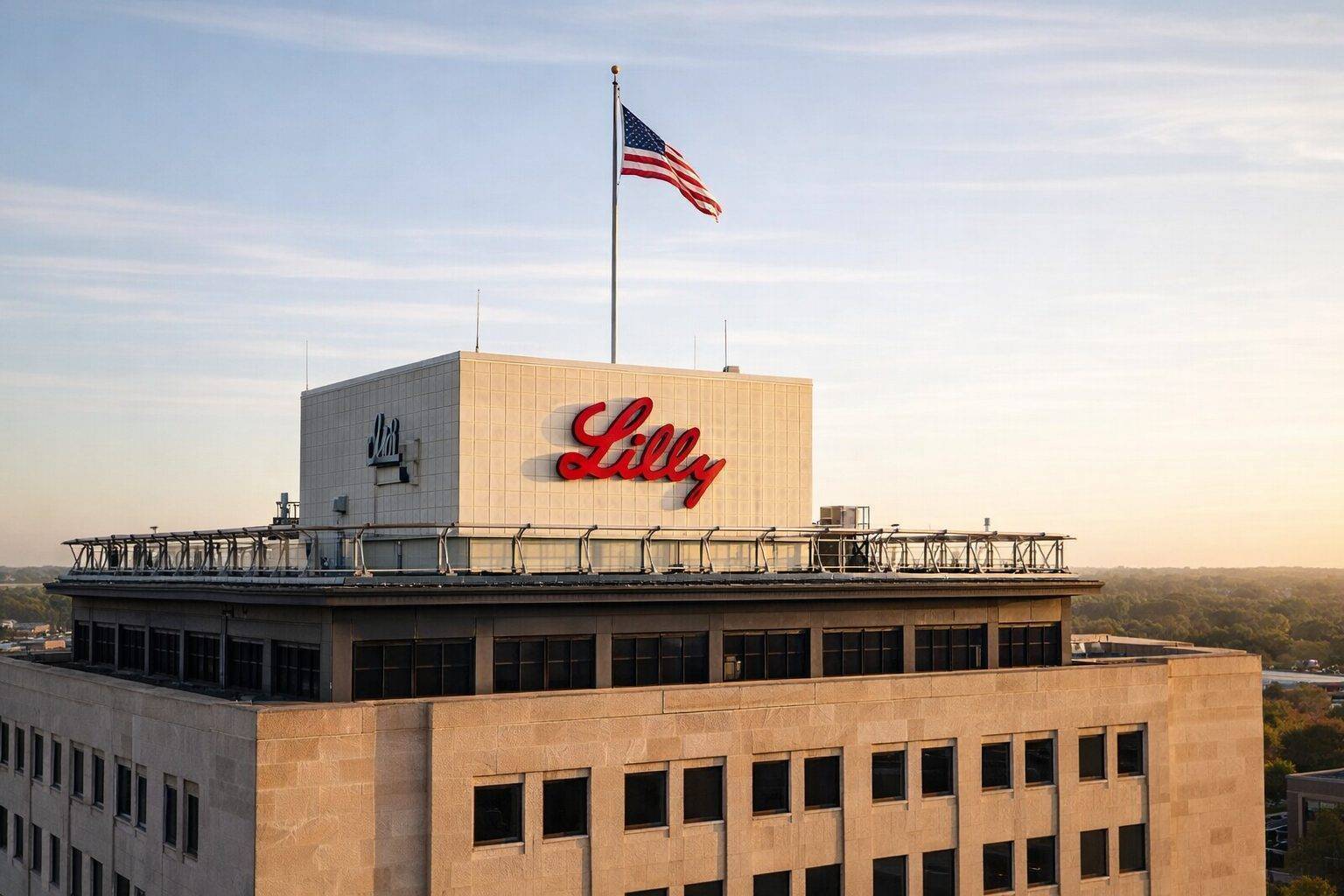
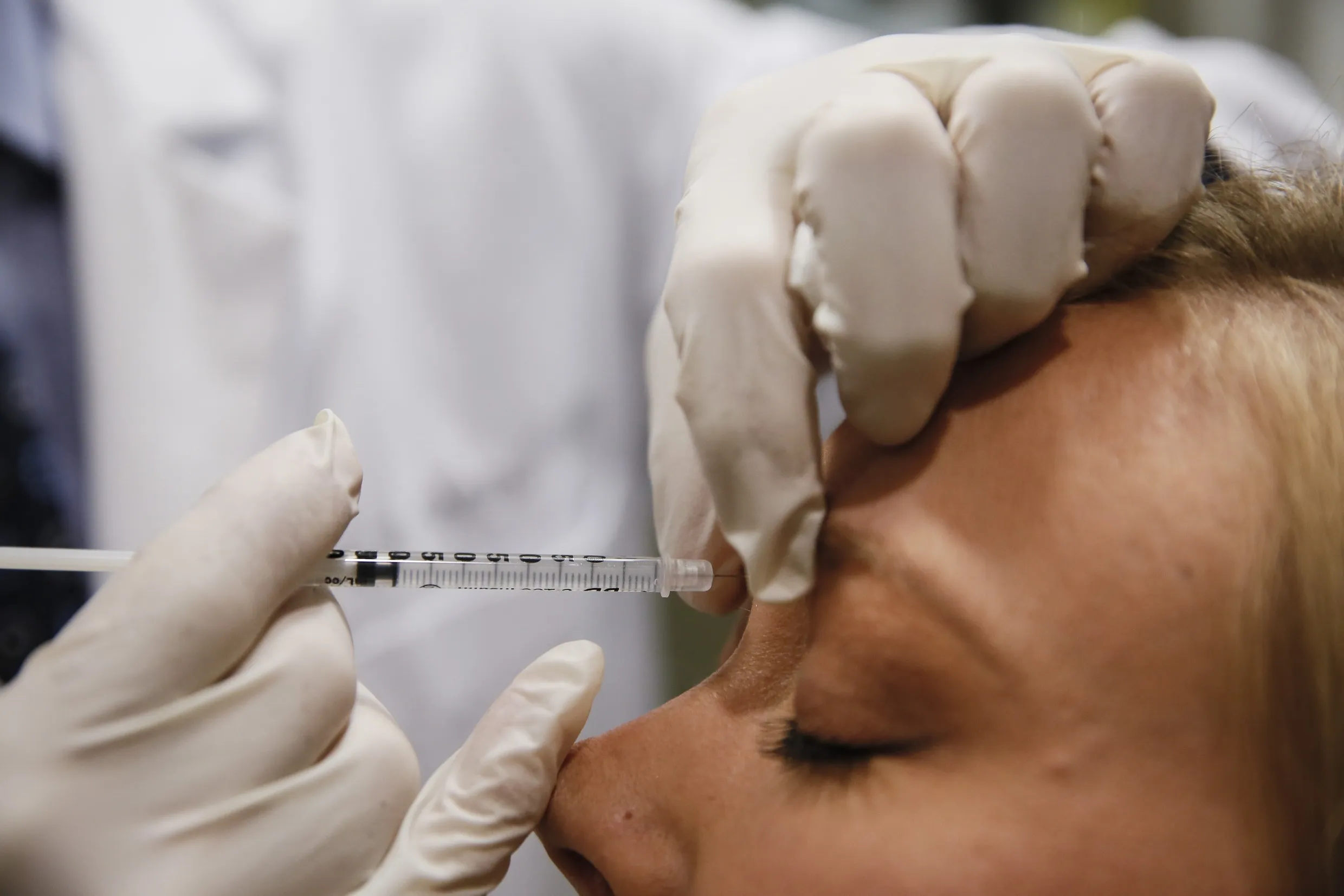
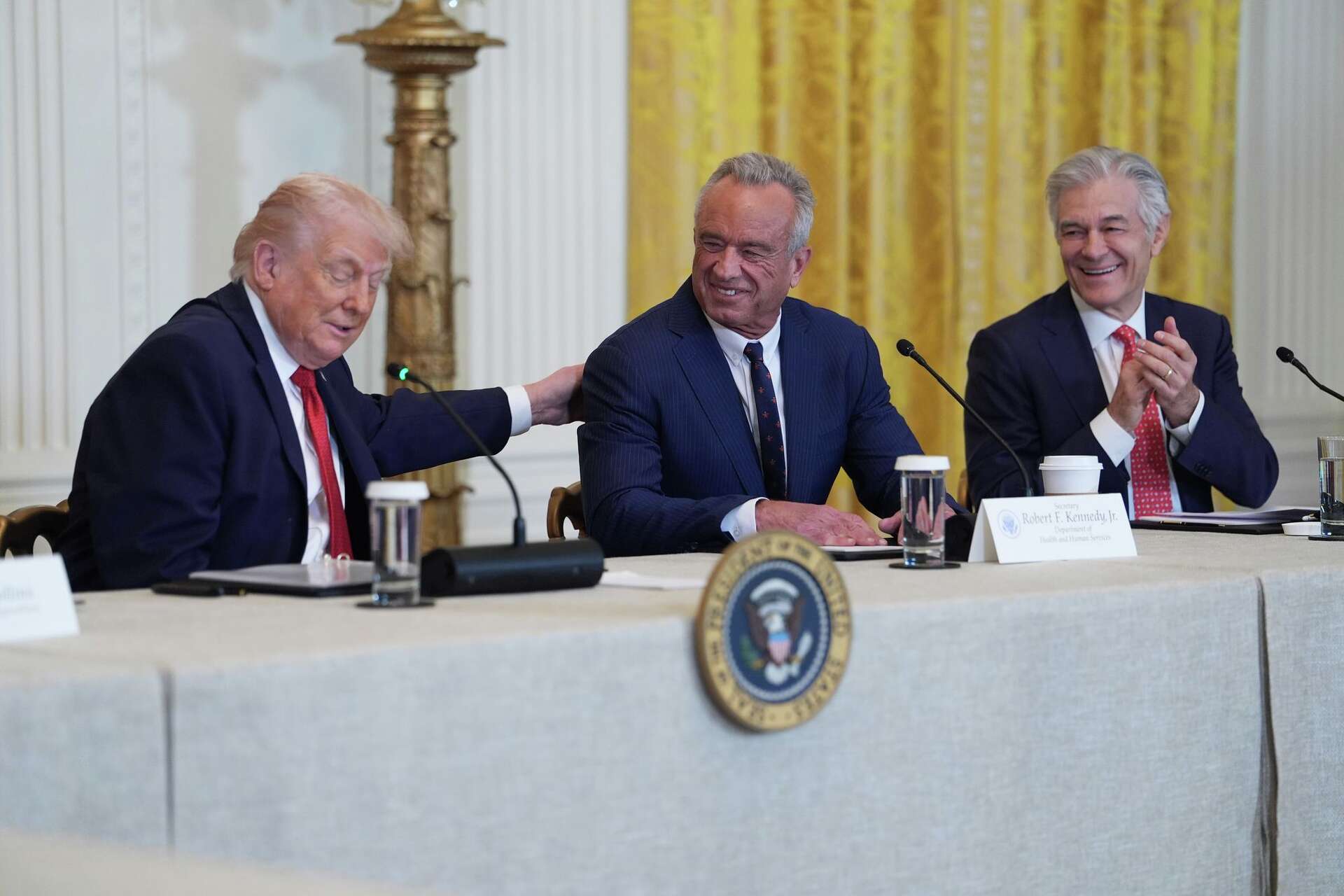
The Medicare Drug Price Negotiation Program entered its third expansion cycle on January 27, 2025-2026, with 15 high-cost medications selected for price negotiations, including blockbuster drugs like Botox (AbbVie), Trulicity (Eli Lilly), and Biktarvy (Gilead Sciences). These drugs collectively represent $27 billion in annual Medicare spending, with negotiated prices taking effect January 1, 2028. This represents the first cycle to include Medicare Part B drugs (administered in clinical settings), expanding government pricing authority beyond traditional prescription medications.
For e-commerce sellers, this creates a critical market shift: The news explicitly identifies that pharmaceutical price reductions will "affect demand patterns for related health products, medical supplies, and wellness items." As Medicare beneficiaries (65+ seniors and disabled individuals) gain access to lower-cost medications, their disposable income increases, creating measurable demand spikes in complementary product categories. Sellers offering diabetes management supplies (glucose monitors, test strips, lancets), dermal care products (post-Botox skincare, anti-aging supplements), arthritis management tools (compression sleeves, joint support devices), and general wellness products (vitamins, supplements, fitness equipment) should expect increased purchasing power from this demographic segment.
Market dynamics indicate three distinct seller opportunities: First, direct complementary products see immediate demand increases as medication affordability improves—diabetes supplies sellers can expect 8-15% volume growth as Trulicity becomes more accessible. Second, preventive health categories benefit from increased consumer spending on wellness—the $200B decade-long savings projection suggests sustained purchasing power growth through 2038. Third, premium health product segments targeting seniors expand as price-sensitive Medicare beneficiaries redirect savings toward quality-of-life improvements rather than medication costs alone.
The regulatory timeline creates operational urgency: Negotiations occur throughout 2026-2027, with price reductions effective January 1, 2028. This 24-month window allows sellers to position inventory, adjust pricing strategies, and target marketing campaigns toward Medicare beneficiaries before demand patterns stabilize. The program's expansion from 10 drugs (2024) to 15 drugs (2028) demonstrates accelerating government intervention, signaling that additional medications will enter negotiation cycles annually, creating recurring demand shifts in related health product categories.
問題 8
How can e-commerce sellers prepare for demand changes from Medicare drug price negotiations?
Sellers should execute a three-phase strategy: **(Phase 1: Immediate—March 2025)** Audit current inventory in diabetes management, dermal care, arthritis support, and wellness categories; identify top-performing SKUs in each segment. **(Phase 2: Strategic—Q2-Q3 2025)** Increase inventory allocation to complementary health products by 15-20%; adjust pricing to capture margin expansion from volume growth; develop marketing campaigns targeting Medicare beneficiaries (65+ demographic). **(Phase 3: Execution—Q4 2027-Q1 2028)** Launch targeted advertising campaigns; optimize product listings for senior-focused keywords; establish partnerships with healthcare providers and senior communities. Monitor CMS announcements for additional drugs entering negotiation cycles, as the program expands annually.
What is the pharmaceutical industry's response to the Medicare negotiations?
The pharmaceutical industry opposes the program through legal challenges and public statements. PhRMA argues the law represents 'government price setting' that has resulted in 'higher costs, fewer choices and more barriers to care' for seniors. However, stock markets responded positively, with affected company shares (Gilead, Lilly, AbbVie, Pfizer, J&J, Bristol Myers) rising approximately 2% in after-hours trading, suggesting investors view impacts as manageable. Industry analysts note that near-term patent expirations for several medications limit long-term exposure. For sellers, this indicates stable supply chains and continued medication availability through 2028, supporting demand projections for complementary health products.