

Dollar Weakness 2026 | Cross-Border Sellers Face 10-15% Cost Surge
- USD drops 10% annually to 4-year lows; importers face margin compression while exporters gain pricing power




















概览
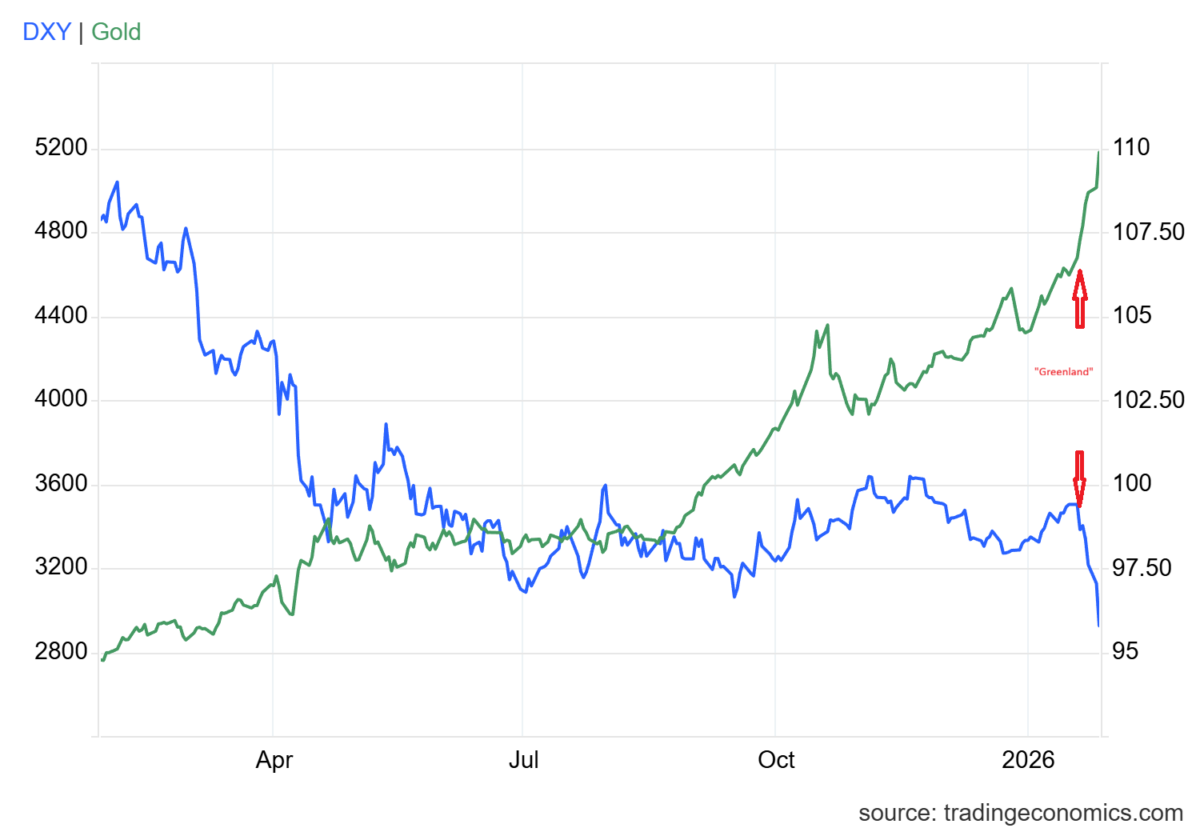
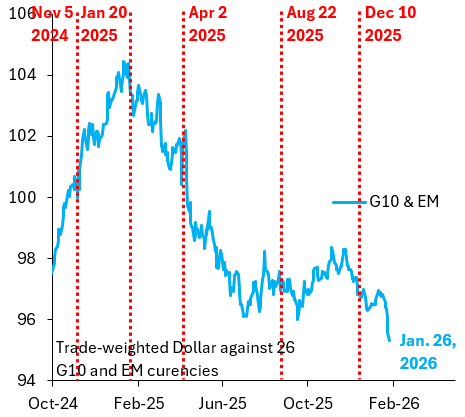
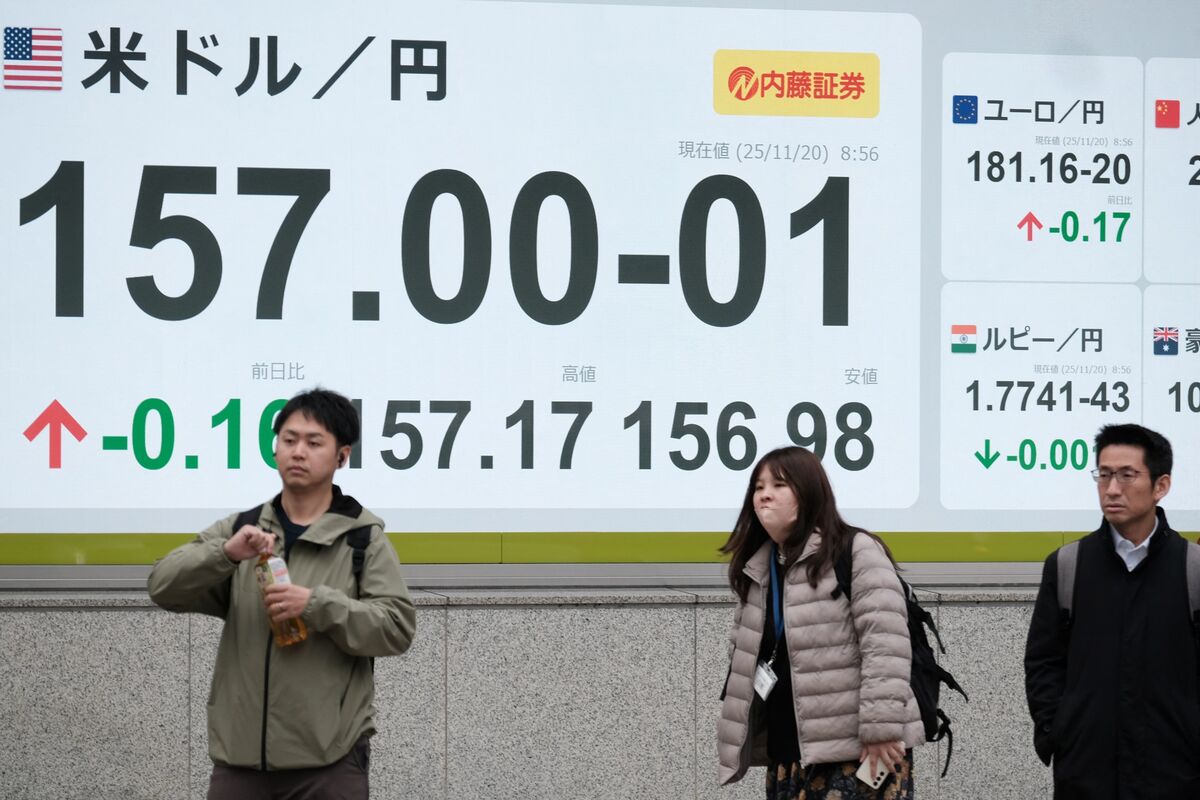
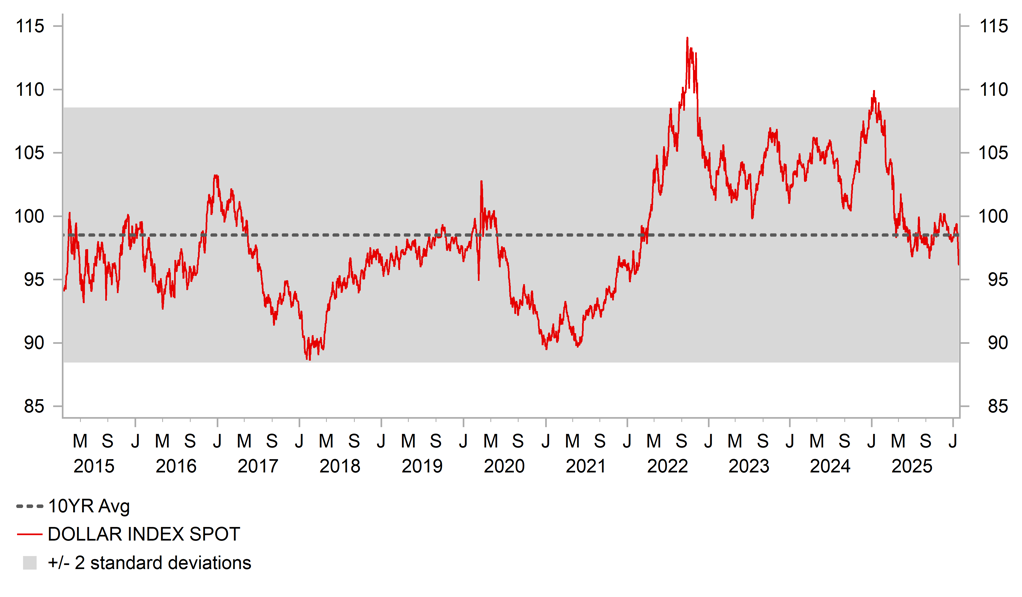
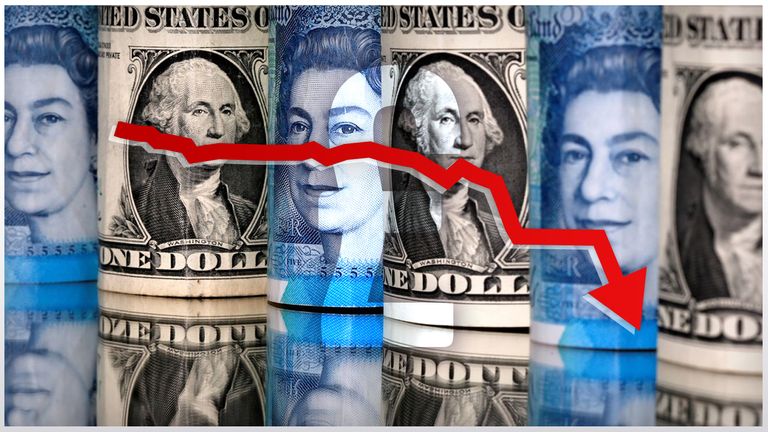
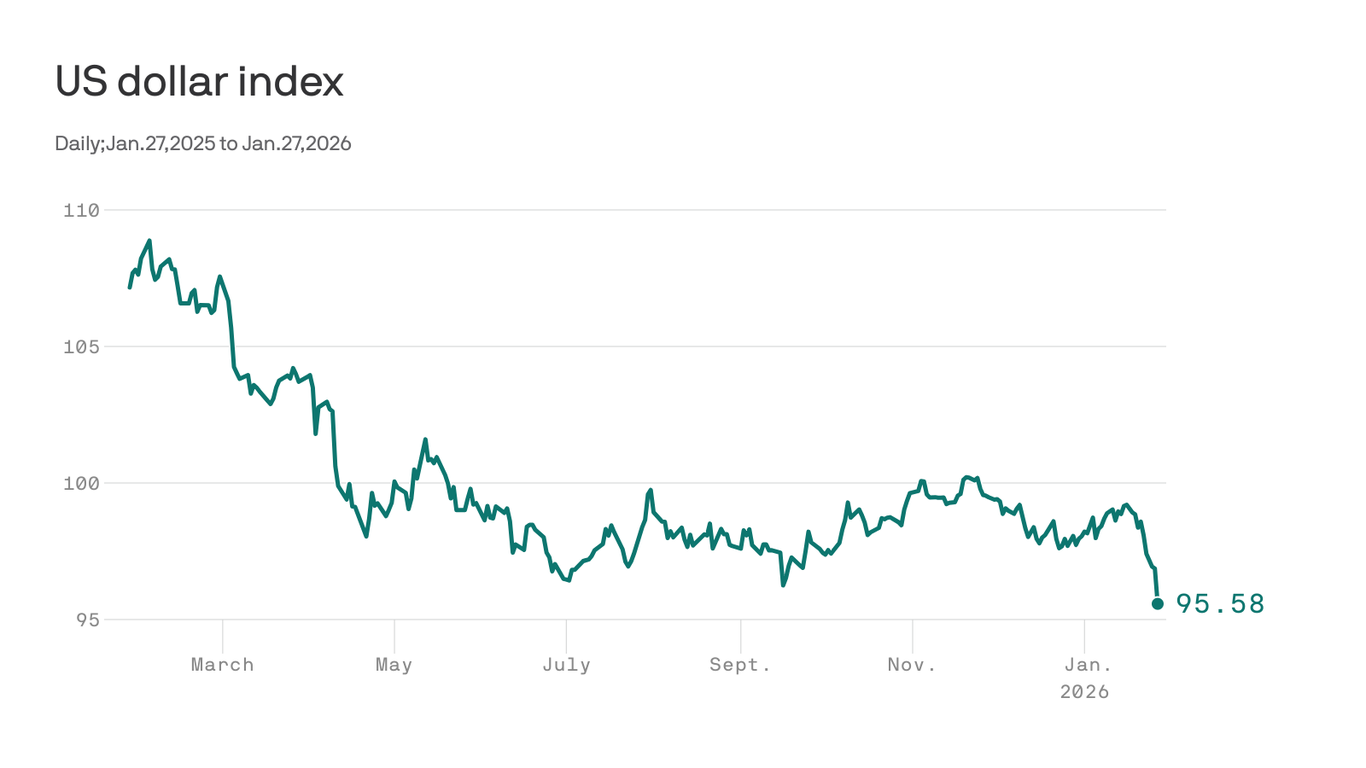
The US dollar has collapsed to its lowest level in four years, declining 1.3% in a single day on January 28, 2026, following President Trump's explicit endorsement of currency weakness. Bloomberg's dollar gauge fell 1.2% after Trump dismissed concerns about the greenback's decline, triggering the deepest single-day drop since April 2025's tariff announcement. The currency has tumbled 10% over the past year, now trading at levels unseen since February 2022. This represents a fundamental policy shift: Trump's administration actively supports weaker dollar positioning through the "debasement trade"—investment strategies betting on currency weakness and inflation that benefit commodities and emerging market assets.
For cross-border e-commerce sellers, this currency environment creates a bifurcated impact with immediate financial consequences. US-based importers purchasing inventory in foreign currencies face 10-15% cost increases as the dollar weakens against the euro (now at 1.20, up 13% annually) and Swiss franc (up 14% in 2025). A seller importing $100,000 in goods from China faces approximately $10,000-15,000 in additional costs at current exchange rates. Conversely, US exporters selling internationally gain competitive advantages—their products become 10% cheaper for foreign buyers without price reductions, directly improving margins. However, small and medium-sized sellers without currency hedging capabilities face elevated operational risks. The inflationary pressure from commodity price increases (gold broke $5,200/oz, up $90 since Trump's inauguration) directly impacts shipping costs, packaging materials, and fulfillment expenses across all seller segments.
The Federal Reserve's monetary policy uncertainty amplifies these risks. With Jerome Powell's term expiring in May 2026 and Trump potentially naming a successor, market participants expect continued dollar weakness. The Fed's January 29 rate decision is expected to maintain current rates despite Trump's demands for cuts, signaling limited near-term support for the currency. This creates a 6-12 month window of sustained weakness where sellers must make critical decisions: importers should accelerate inventory purchases and lock in current exchange rates through forward contracts, while exporters should capitalize on improved pricing power before competitors adjust. Sellers with international supply chains face currency hedging challenges requiring immediate attention—forward contracts, currency options, and multi-currency payment strategies become essential risk management tools rather than optional optimizations.
問題 8
What financing products offer the best terms for importers facing higher costs?
Trade finance products specifically designed for importers offer 6-12% APR with 90-180 day terms. Platforms like Tradeshift, Fintech Acquisition Corp, and Stripe Capital provide supply chain financing at lower rates than traditional loans. For larger importers ($500K+ annual volume), bank-provided letters of credit (LC) cost 0.5-1.5% but provide supplier payment guarantees and currency protection. Purchase order (PO) financing through Lendio or Flexport costs 8-15% APR but allows inventory purchases before payment is due. Sellers should compare: factoring (1-3% discount, 24-48 hour funding) vs. PO financing (8-15% APR, 30-60 day terms) vs. bank LC (0.5-1.5%, requires bank relationship). For sellers with $50K-500K monthly imports, factoring typically offers the best cost-benefit. Negotiate with suppliers for 60-90 day terms, then use factoring to pay them immediately—the 1-3% factoring cost is offset by avoiding 5-10% currency depreciation.
Should I adjust my pricing strategy as the dollar weakens?
Pricing strategy depends on your seller segment. US exporters should maintain current prices in foreign currencies while competitors adjust upward—this captures market share and improves conversion rates. For example, a seller exporting to Europe can keep EUR prices flat while competitors raise them 5-10%, gaining 200-400 basis points of competitive advantage. Importers should gradually increase prices 3-5% monthly to offset rising COGS, but avoid aggressive increases that trigger demand destruction. Monitor competitor pricing on Amazon and eBay—if competitors raise prices 8-12%, you have room to increase 5-7% without losing Buy Box. Sellers should also implement dynamic pricing tools that adjust prices based on real-time FX rates, capturing margin improvements automatically. For Amazon sellers, use repricing tools like Keepa or Helium 10 to monitor competitor pricing and adjust within 15-30 minutes of currency movements.