





AI Infrastructure Bubble Threatens E-Commerce Platform Costs | Seller Automation Urgency
- Wall Street divided on $2-5 trillion AI spending sustainability; platform fee increases likely 8-15% within 12-18 months for sellers relying on cloud services

















概览
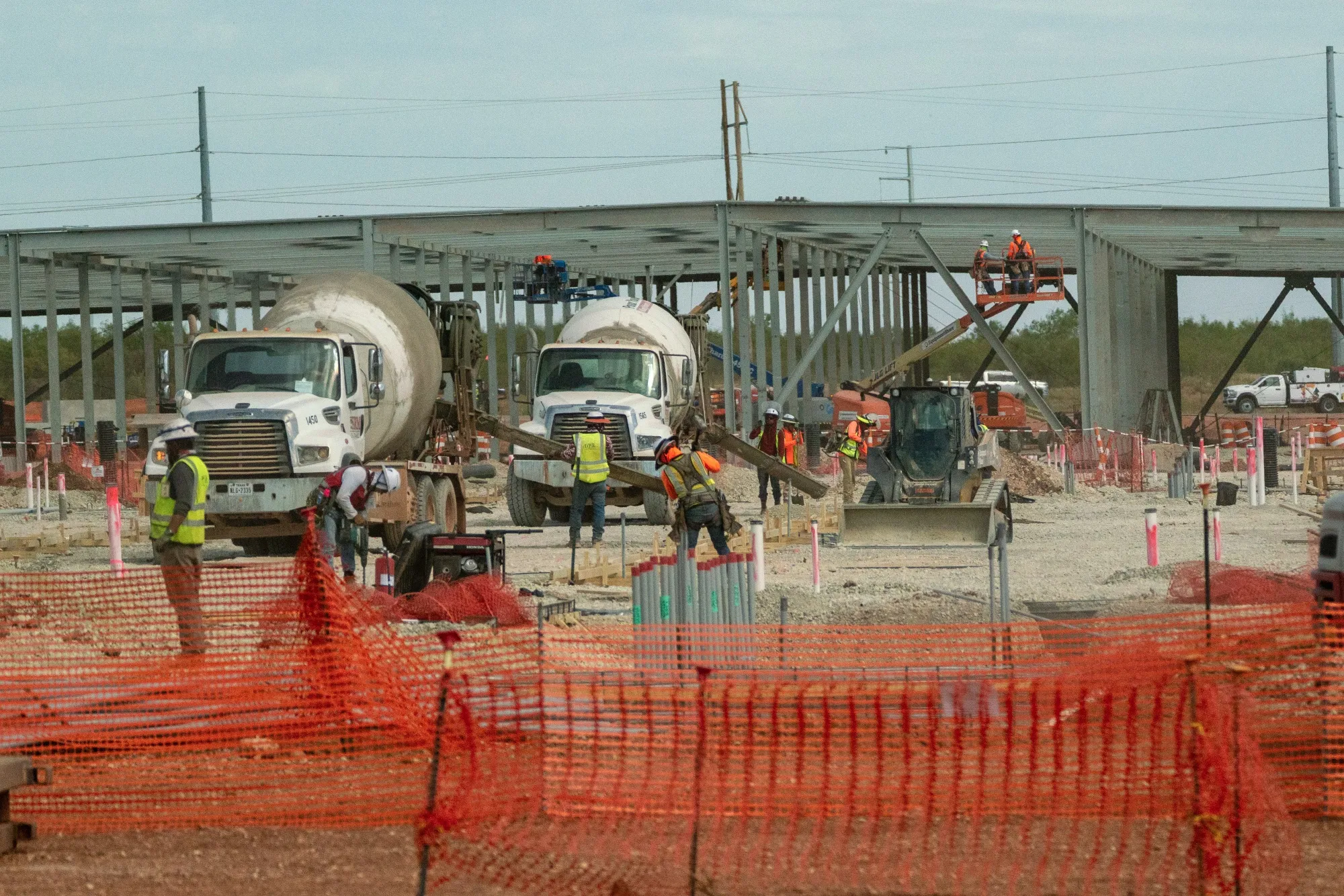
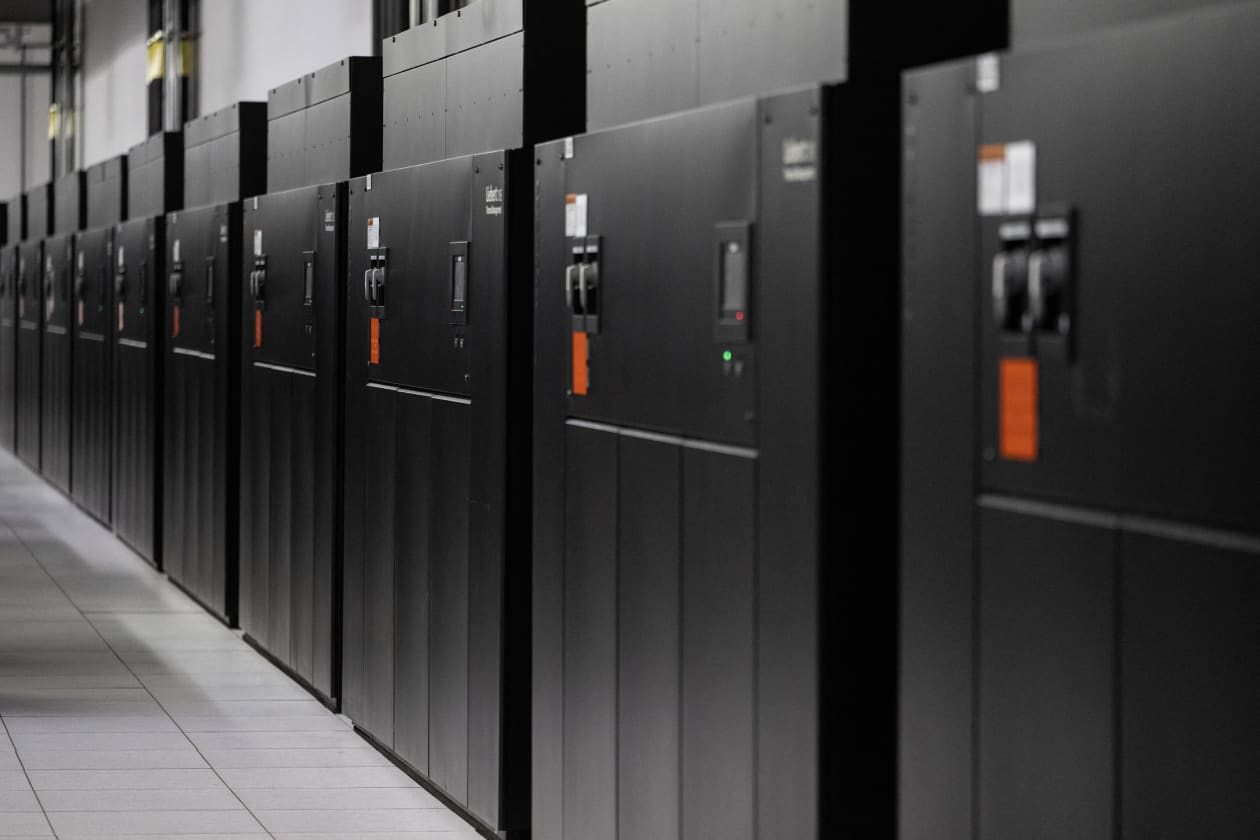
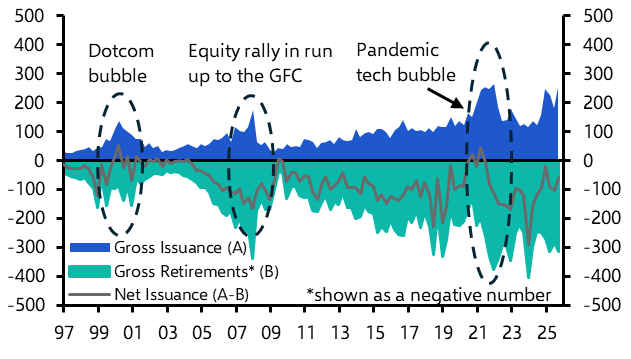
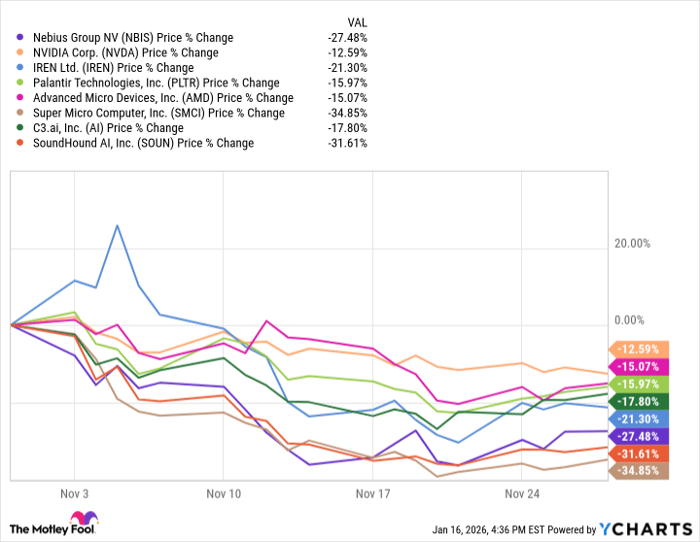
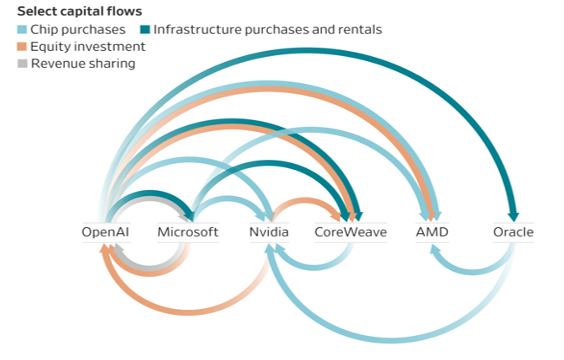
The artificial intelligence sector faces a critical inflection point that directly impacts e-commerce seller economics. Cisco CEO Chuck Robbins warned that the AI boom will produce "victors and carnage," comparing current market dynamics to the dotcom bubble, while the company reported $1.3 billion in quarterly AI infrastructure orders. This signals massive infrastructure investment continues despite bubble concerns. However, Bloomberg analysis identifies two underappreciated vulnerabilities: rising tariffs on non-exempted data center materials and declining migrant worker availability will increase operational costs by 8-12% annually, which platform providers will likely pass to sellers through increased service fees.
Wall Street remains deeply divided on AI valuations. Goldman Sachs research identifies growing bubble concerns with $2-5 trillion in spending against only $800 billion in current consumer-facing revenue. UBS data reveals AI data center financing jumped to $125 billion through November 2024—an 8x increase from historical $15 billion annual levels. Yet Goldman Sachs economist Joseph Briggs projects 15% productivity gains creating $4.5 trillion in annual value, with infrastructure depreciation at 20% annually requiring rapid monetization. Genesys VP Andrew McInnes confirms companies already realize measurable returns through efficiency gains and customer interaction automation.
For e-commerce sellers, this creates a critical automation window. The next 12-18 months represent peak opportunity to implement AI-powered tools before platform costs rise substantially. Sellers currently using manual customer service operations face dual pressure: (1) competitive disadvantage as AI-adopters gain 15-25% efficiency gains, and (2) future cost increases as platforms pass infrastructure expenses downstream. Microsoft CEO Satya Nadella warned AI could become a bubble if benefits concentrate in Big Tech rather than spreading broadly—suggesting platform feature development may slow if bubble thesis proves correct. Vanguard labor data shows AI-exposed roles gaining 3.8% wage increases versus 0.7% elsewhere since 2023, indicating early adopters capture talent and competitive advantages.
The automation imperative is immediate. Sellers should prioritize: (1) AI-powered customer service chatbots (reducing response time 60-70% and labor costs 30-40%), (2) dynamic pricing tools using demand forecasting (improving margins 3-5%), (3) inventory optimization via predictive analytics (reducing stockouts 25-35% and excess inventory 15-20%), and (4) product listing automation (saving 8-12 hours weekly per seller). These tools cost $200-800/month but deliver 6-12 month ROI through efficiency gains. The competitive moat widens as infrastructure costs rise—early adopters lock in lower platform fees while gaining operational advantages that compound over time.
問題 7
How much time and cost savings can sellers achieve through AI automation?
Genesys VP McInnes confirmed measurable returns from AI investments. Specific savings: customer service chatbots reduce response time 60-70% and labor costs 30-40%; dynamic pricing improves margins 3-5%; inventory optimization reduces stockouts 25-35% and excess inventory 15-20%; listing automation saves 8-12 hours weekly per seller. Cost: $200-800/month for integrated tools. ROI calculation: A seller with $50K monthly revenue spending $500/month on AI tools gains $1,500-2,500 monthly from margin improvements and labor savings, achieving 3-5x ROI within 6-12 months. Cisco's $1.3 billion quarterly AI orders indicate infrastructure providers capturing value—sellers must adopt tools to maintain competitive positioning.
Is the AI bubble likely to pop and reduce platform feature development?
Wall Street remains divided. Goldman Sachs identifies growing bubble concerns with $2-5 trillion spending against only $800 billion current consumer revenue. However, Goldman economist Joseph Briggs counters that AI spending represents less than 1% of GDP versus 1-2% during dotcom peak, and projects 15% productivity gains creating $4.5 trillion annual value. Microsoft CEO Satya Nadella warned AI could become a bubble if benefits concentrate in Big Tech rather than spreading broadly. If bubble thesis proves correct, reduced venture capital could slow AI feature development on platforms within 18-24 months. Sellers should prioritize automation NOW while platforms actively invest in AI capabilities. Delayed adoption risks missing the competitive advantage window.