

Windows 11 Stability Crisis & Cross-Device Features | Seller Infrastructure Risk Assessment
- Microsoft addresses critical KB5074109 bugs while expanding Android-to-PC resume features; sellers face operational disruption risks and infrastructure diversification opportunities through 2026





概览
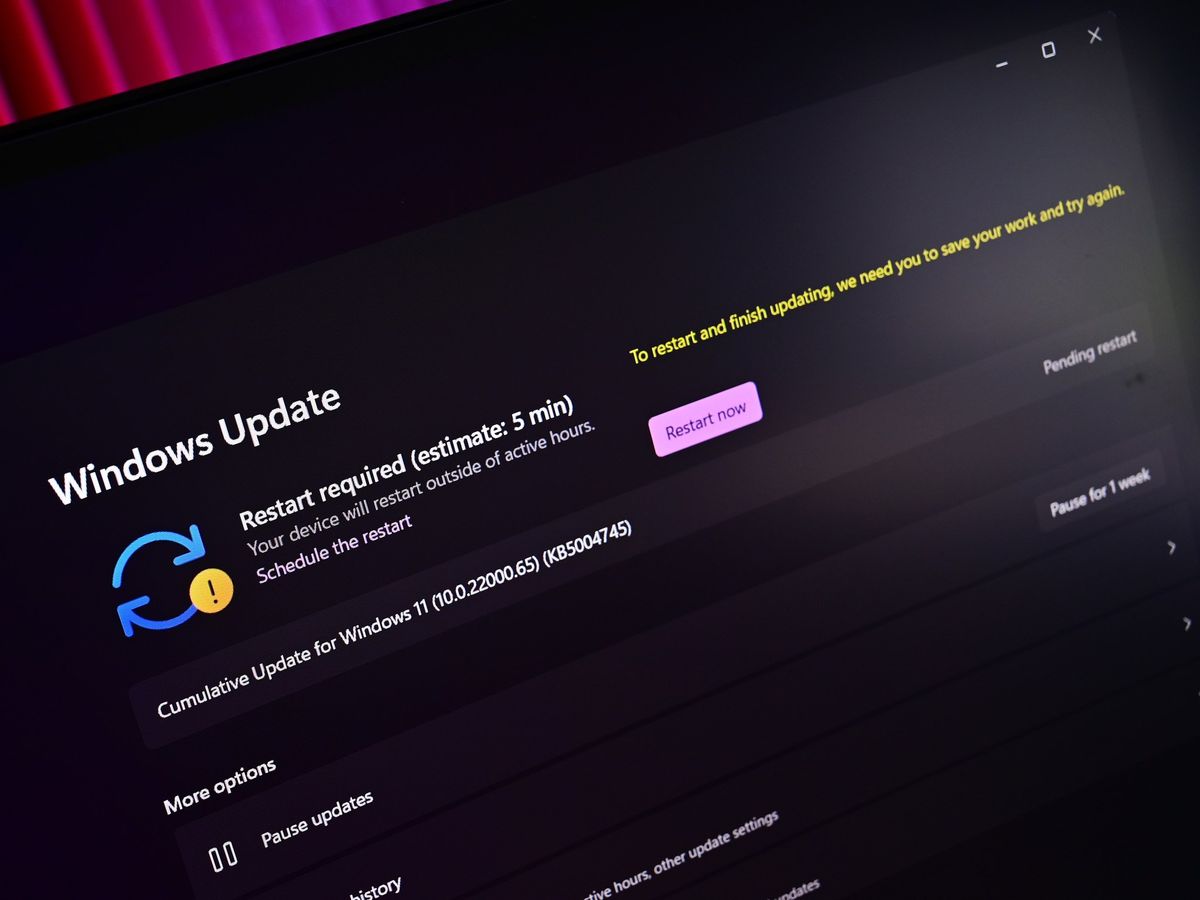
Microsoft is navigating a critical juncture with Windows 11, simultaneously addressing severe stability issues while advancing cross-device integration capabilities. The operating system has experienced multiple problematic updates, including the KB5074109 patch that forced emergency rollbacks and widespread uninstallation recommendations. Concurrently, Microsoft is expanding cross-device resume functionality through January 2026 Release Preview updates, enabling seamless continuation of activities (Spotify playback, Microsoft Office work, Edge browsing) between Android phones and Windows PCs—mirroring Apple's Handoff feature. The company has committed to "behind-the-scenes" architectural improvements extending through 2026, prioritizing system reliability over rapid feature deployment.
For cross-border e-commerce sellers, Windows 11's stability directly impacts operational continuity. Sellers relying on Windows-based systems for inventory management (Amazon Seller Central, eBay Seller Hub), order processing, accounting software (QuickBooks, Xero), and fulfillment coordination depend on reliable OS performance. System crashes or performance degradation can disrupt critical business functions, particularly for small-to-medium sellers (SMBs) operating with limited IT infrastructure and no redundancy. The timing of Microsoft's fixes is crucial—many sellers have already invested in Windows 11 upgrades, while others are reconsidering platform choices. Reports indicate declining Windows 11 adoption rates and user satisfaction scores, with some users reverting to Windows 10, signaling potential market share loss for Microsoft.
The operational risk is quantifiable. Unplanned system downtime costs SMB sellers approximately $300-500 per hour in lost sales, inventory processing delays, and customer service disruptions. A single problematic update affecting 5-10 hours of operations can cost $1,500-5,000 in direct losses, plus reputational damage from delayed order fulfillment. The KB5074109 incident affected millions of users, demonstrating the scale of potential disruption. For sellers managing 1,000+ monthly orders, system reliability directly correlates to fulfillment SLA compliance and Buy Box eligibility on Amazon. The January 2026 Release Preview expansion of cross-device features (now supporting 8 additional languages: German, Portuguese, Spanish, Korean, Japanese, Hindi, Italian, Simplified Chinese) indicates Microsoft's focus on ecosystem integration, but architectural stability remains the foundational requirement.
Strategic implications for sellers: The Windows 11 stability crisis creates a market opportunity for alternative infrastructure solutions. Cloud-based e-commerce management platforms (Shopify, WooCommerce, BigCommerce) running on Linux/cloud servers offer operational independence from Windows OS vulnerabilities. 3PL providers and fulfillment centers increasingly operate on cloud infrastructure, reducing seller dependence on Windows-based local systems. Sellers should evaluate system redundancy strategies—dual-OS setups, cloud backup systems, or managed service providers—to mitigate Windows 11 risks. The 2026 timeline for architectural improvements suggests stability may not fully resolve until mid-2026, creating a 12-18 month window of elevated operational risk.
問題 8
What languages does Windows 11's January 2026 update support for international sellers?
The January 2026 Release Preview update expanded the Settings Agent to support 8 additional languages: German, Portuguese, Spanish, Korean, Japanese, Hindi, Italian, and Simplified Chinese. This expansion reflects Microsoft's focus on global seller accessibility and indicates the company recognizes international e-commerce professionals' needs. For sellers operating in EU markets (Germany, Spain, Portugal, Italy), Asian markets (Korea, Japan, China), and India, the language support improvements enhance usability of Windows 11's cross-device features and accessibility tools. However, language support improvements are secondary to OS stability—sellers in these regions should prioritize system reliability over feature accessibility when evaluating Windows 11 adoption timelines.
How does Windows 11's declining adoption affect seller platform choices?
Reports indicate declining Windows 11 adoption rates and user satisfaction scores, with some users reverting to Windows 10 despite its October 2025 end-of-support date. This trend signals market skepticism about Windows 11's reliability and suggests sellers have legitimate alternatives. Cloud-based e-commerce platforms (Shopify, WooCommerce, BigCommerce) and managed fulfillment services increasingly operate on Linux/cloud infrastructure, reducing seller dependence on Windows entirely. For sellers evaluating platform investments, cloud-based solutions offer operational independence from Windows OS vulnerabilities and provide built-in redundancy. However, many legacy e-commerce tools (specialized accounting software, inventory management systems) still require Windows, making complete OS independence impractical for some sellers. The declining adoption trend validates sellers' concerns about Windows 11 stability and justifies investment in alternative infrastructure.