


China H200 Approval Signals Easing Tech Restrictions | Electronics Sellers Gain Supply Stability
- Nvidia H200 approval for ByteDance, Alibaba, Tencent reduces geopolitical trade barriers; memory chip shortages ease, stabilizing component costs for electronics sellers importing consumer devices by Q2 2026

















/NVIDIA%20Corp%20logo%20outside%20building-by%20BING-JHEN_HONG%20via%20iStock.jpg)
概览
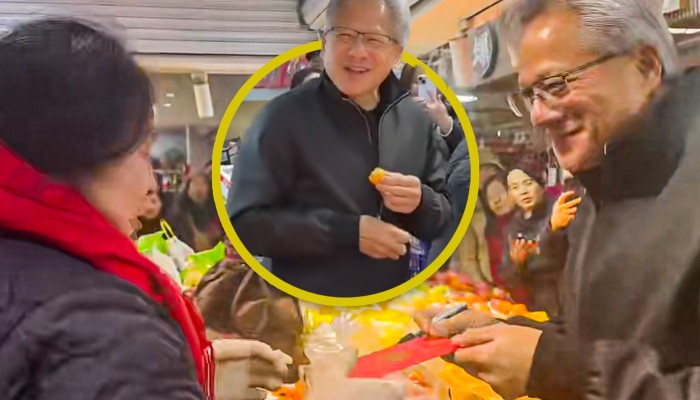
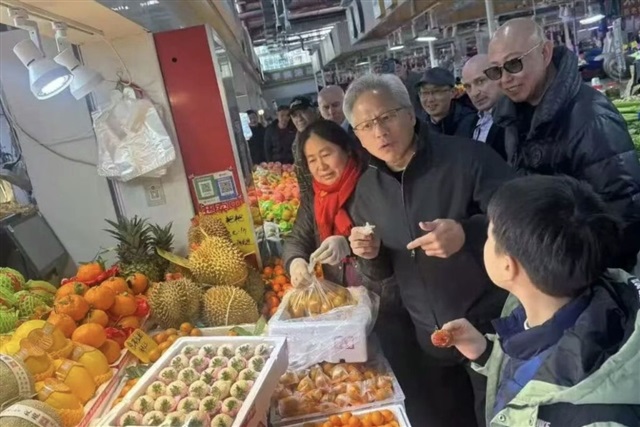
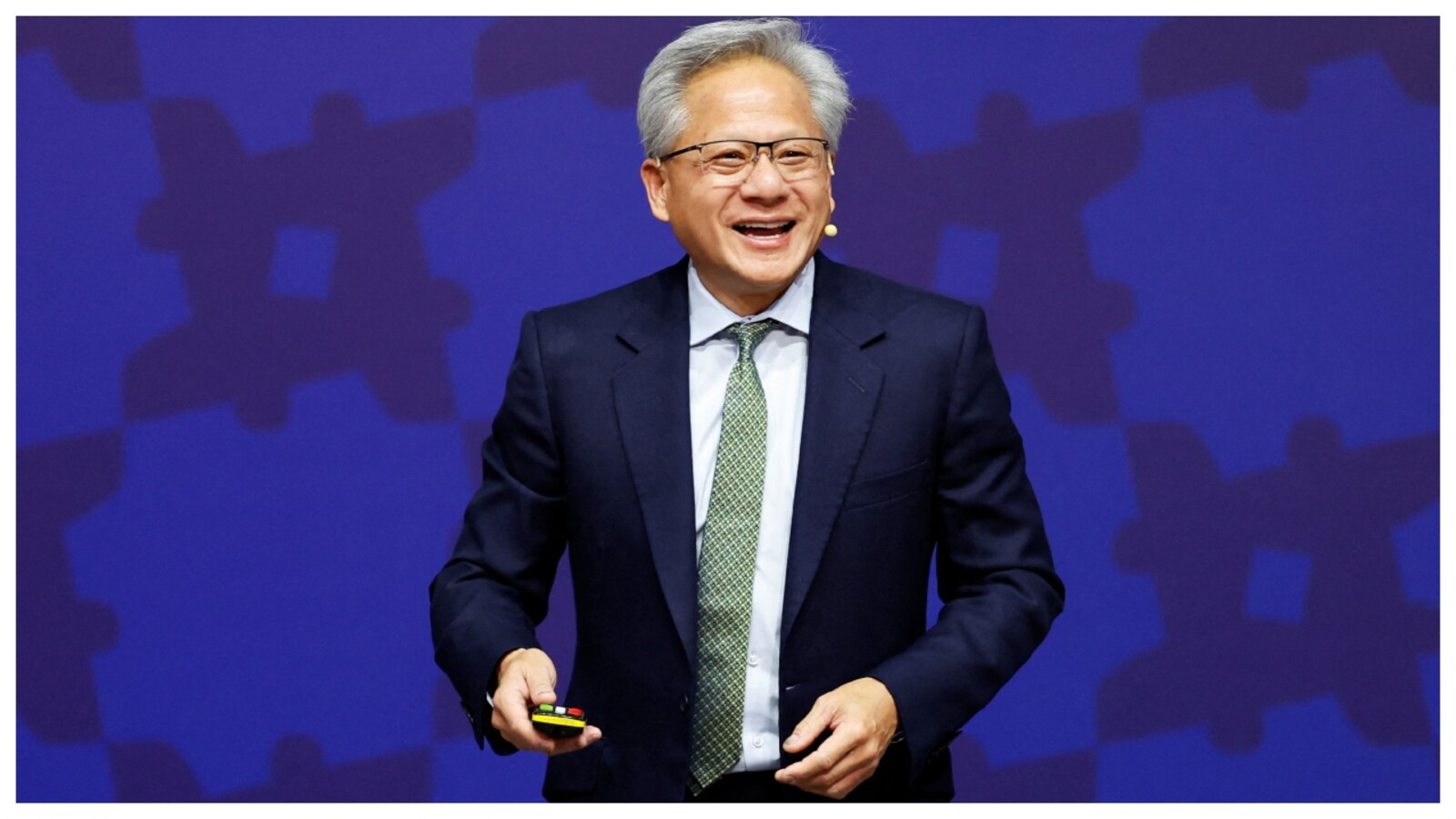
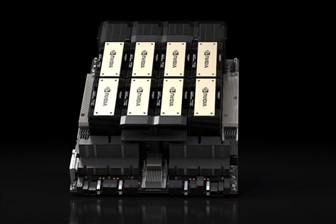
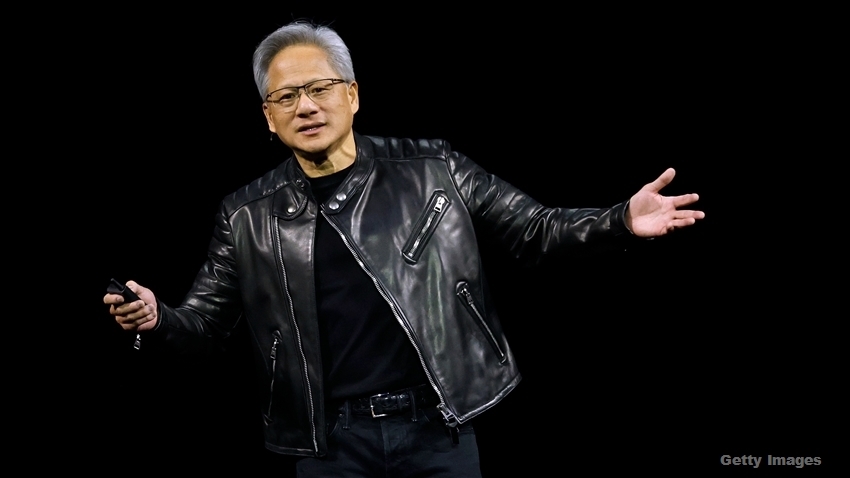
China's January 28, 2026 approval of Nvidia's H200 AI chip sales to ByteDance, Alibaba, and Tencent represents a critical geopolitical shift with direct implications for cross-border e-commerce sellers. The approval covers 400,000+ H200 units (with orders exceeding 2 million units) and signals Beijing's pragmatic rebalancing of domestic semiconductor development against urgent AI infrastructure needs. This policy reversal follows weeks of customs blockades and comes during Nvidia CEO Jensen Huang's strategic visit to China, where he engaged in grassroots relationship-building at Shanghai's Jinde Market during Lunar New Year—demonstrating corporate commitment to the market despite U.S. export restrictions that previously cost Nvidia an estimated $8 billion in lost sales.
For electronics sellers, this approval directly addresses the memory chip shortage crisis that has driven component costs up 15-25% globally. ASML reported record Q4 2025 bookings of €13.2 billion ($15.8 billion), SK Hynix closed up 5% on record profits, and TSMC achieved record Q4 profits—all signaling unprecedented demand for semiconductor manufacturing capacity. The H200's 6x performance advantage over previously approved H20 chips means Chinese tech giants (Alibaba, Tencent, ByteDance) will accelerate data center buildouts, driving downstream demand for consumer electronics powered by these infrastructure investments. Sellers importing smart home devices, IoT products, consumer drones, and AI-enabled gadgets should expect component availability to improve and pricing pressure to ease by mid-2026 as TSMC ramps production to meet the 2+ million H200 unit demand.
However, approval conditions include mandatory bundling of domestic Chinese chips alongside Nvidia purchases—a protectionist measure that creates sourcing complexity. Beijing's conditional licensing approach indicates future approvals will face similar restrictions, potentially requiring sellers to source complementary domestic semiconductor components. The approval's restrictive nature means customers haven't yet converted approvals into purchase orders, suggesting a 60-90 day implementation window before supply chain benefits materialize. Sellers should monitor TSMC production schedules and Nvidia's H200 allocation announcements, as the 2+ million unit order backlog far exceeds current inventory, creating potential allocation delays through Q2 2026. The competitive advantage shifts toward sellers with established relationships with Chinese tech platforms (Alibaba, Tencent) who will receive priority component allocation, while smaller sellers importing electronics may face extended lead times until supply normalizes.
問題 8
What competitive advantages do sellers with Chinese platform relationships gain?
Sellers with established relationships with Alibaba, Tencent, or ByteDance will receive priority component allocation from TSMC and other manufacturers ramping H200 production. These platforms are investing billions in data center infrastructure and will prioritize suppliers who can deliver AI-enabled consumer products quickly. Competitive advantages include: (1) earlier access to stabilized component pricing (Q1 2026 vs. Q2 2026 for general market), (2) priority allocation from TSMC's expanded capacity, (3) potential co-marketing opportunities with platform AI services, and (4) reduced tariff complexity through platform-facilitated sourcing. Smaller sellers without platform relationships should consider partnering with distributors who have established supply agreements with major Chinese tech companies, or diversify into product categories less dependent on cutting-edge semiconductors.
How does China's AI chip competition with the U.S. affect seller sourcing strategies?
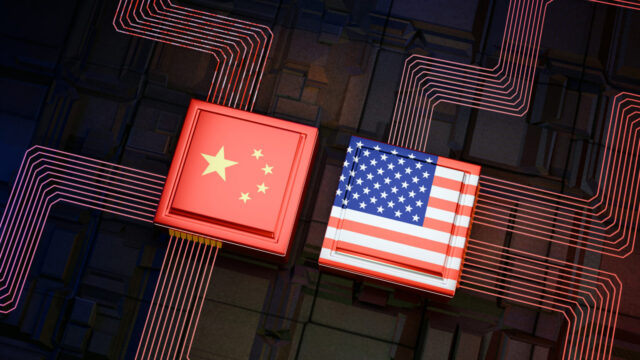
China's approval of Nvidia H200 reflects Beijing's pragmatic prioritization of major internet companies' AI competitiveness against U.S. rivals like OpenAI, despite broader efforts to reduce reliance on foreign semiconductors. This geopolitical dynamic creates sourcing uncertainty: future approvals may face stricter conditions, or Beijing may accelerate domestic chip development to reduce Nvidia dependence. For sellers, this means: (1) maintain diversified sourcing strategies across Nvidia, Huawei, and other suppliers, (2) monitor U.S.-China trade policy announcements for approval changes, (3) consider sourcing from Vietnam or India as alternative manufacturing hubs less affected by U.S.-China tensions, and (4) avoid over-reliance on single-source Nvidia components. The conditional bundling requirement also suggests sellers should explore domestic Chinese chip suppliers as complementary components, creating new sourcing opportunities in HS codes 8542.31 (microprocessors) and 8542.39 (other semiconductors).