
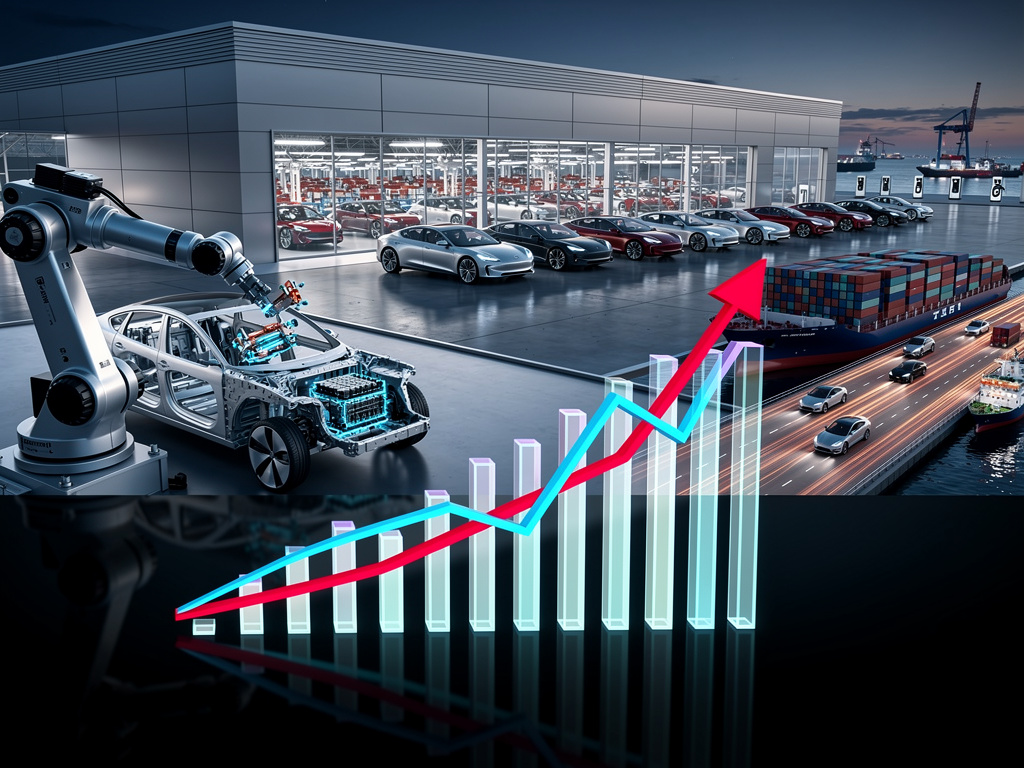


Tesla's 46% Profit Collapse Signals EV Market Shift | Seller Supply Chain Implications
- Tesla loses EV crown to BYD; 1.65M vehicle sales mark 2-year decline; $20B robotics investment reshapes manufacturing capacity and logistics partnerships for cross-border sellers



















概览
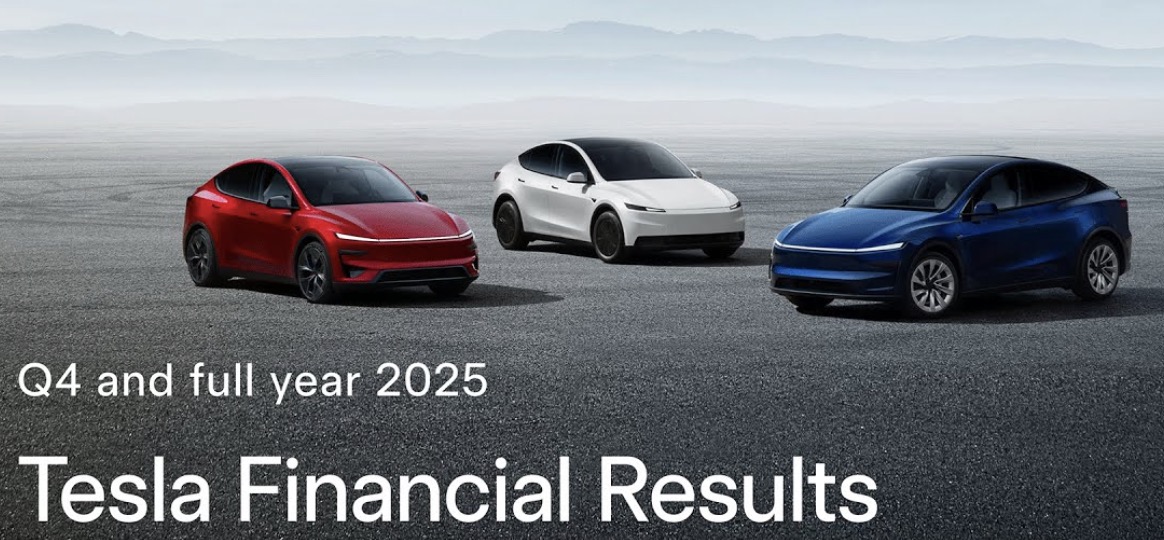
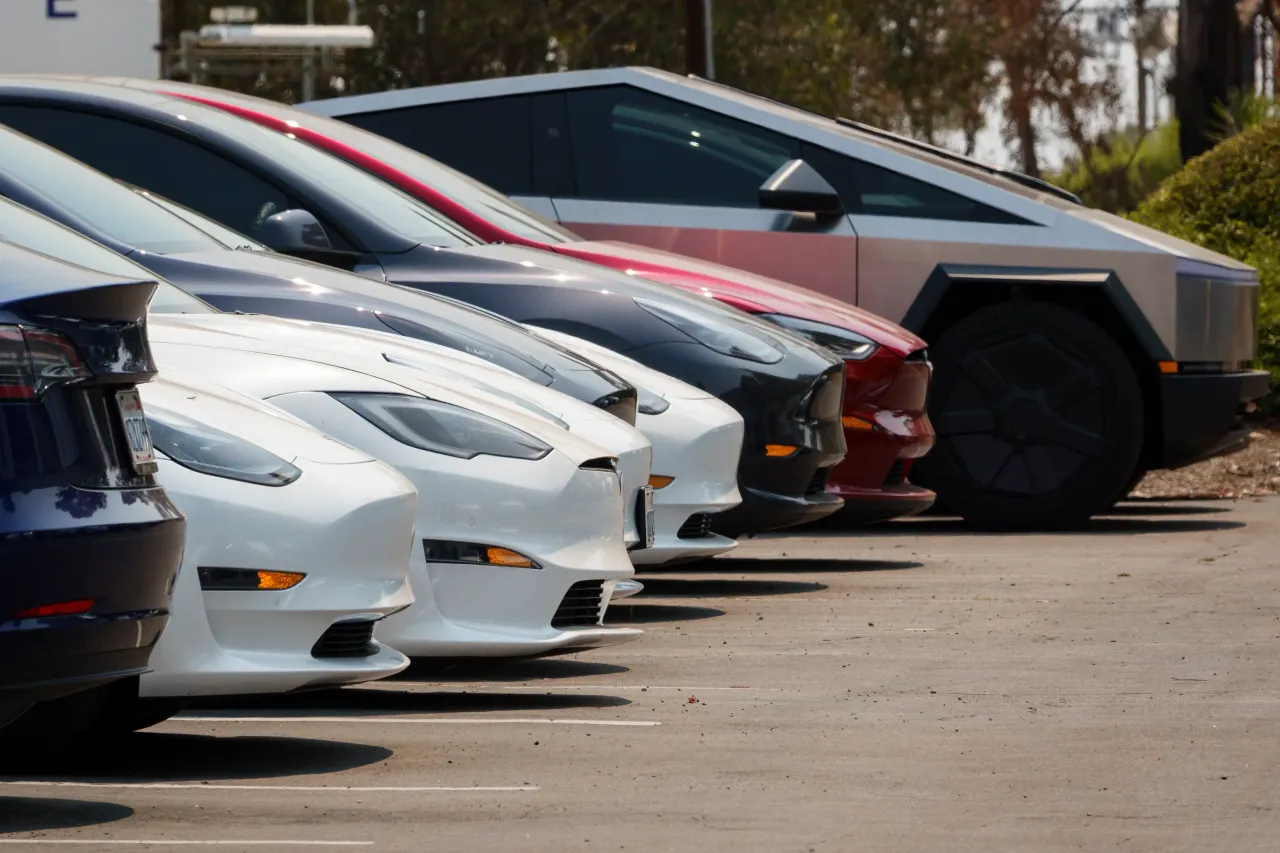
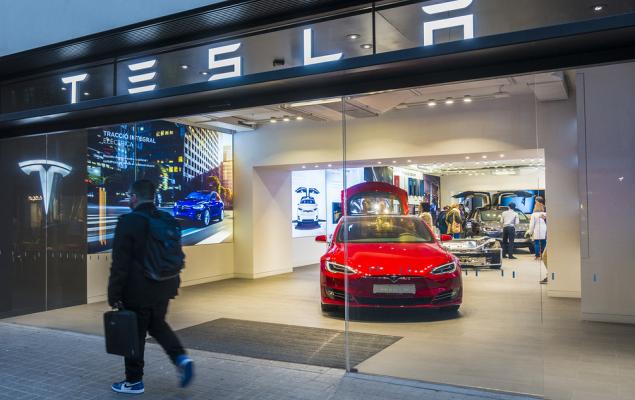
Tesla's dramatic 46% year-over-year profit decline in 2025 represents a fundamental market restructuring with direct implications for cross-border e-commerce sellers relying on EV logistics networks and manufacturing partnerships. The company's loss of the world's largest EV maker title to Chinese competitor BYD (2.25M vehicles vs Tesla's 1.65M) signals a critical inflection point in global automotive supply chains. Tesla's strategic pivot—discontinuing Model S/X production, redirecting Fremont factory capacity toward Optimus humanoid robots, and investing $20 billion in robotics for 2026—will reshape fulfillment infrastructure, warehouse automation costs, and logistics partnerships that e-commerce sellers depend on.
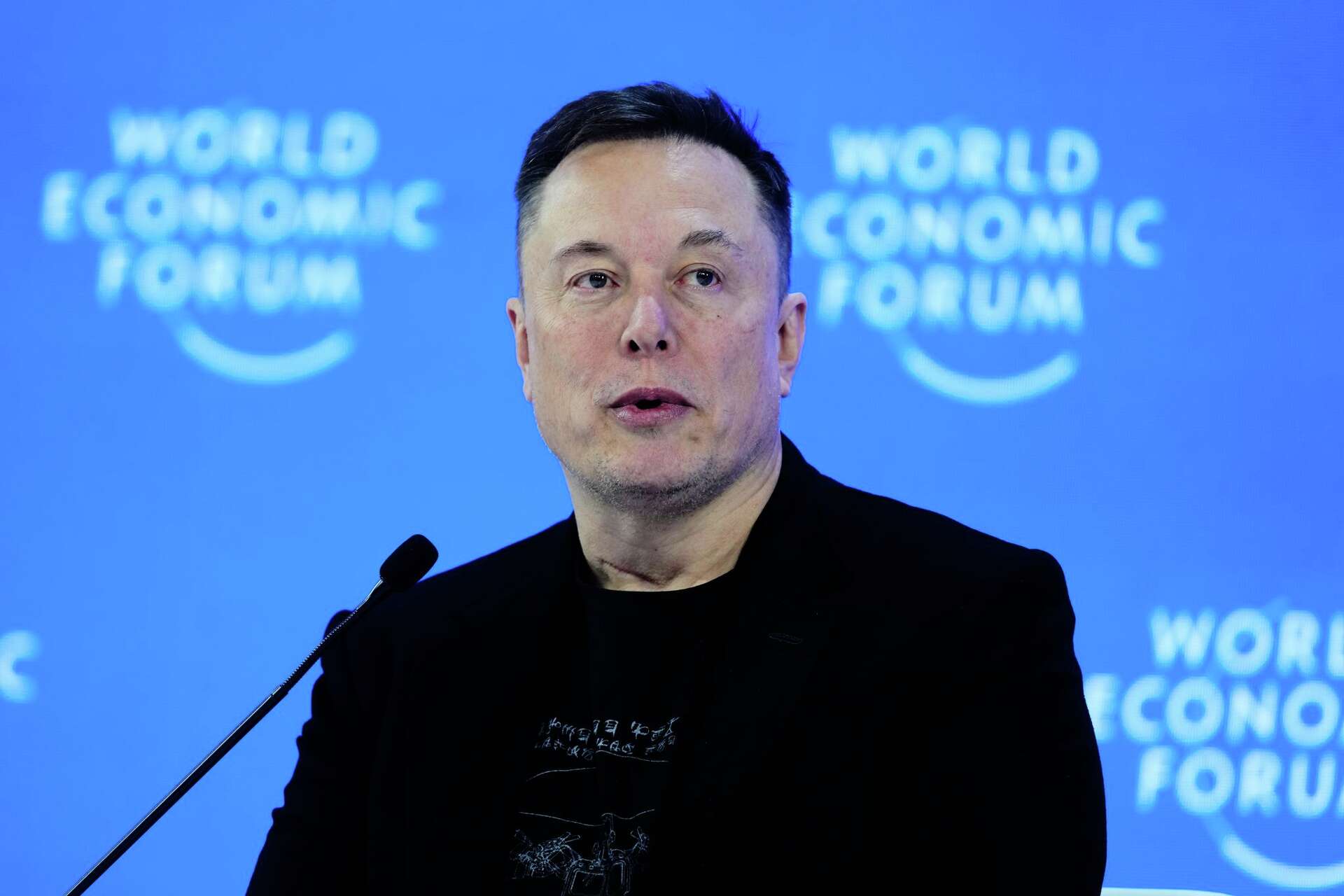
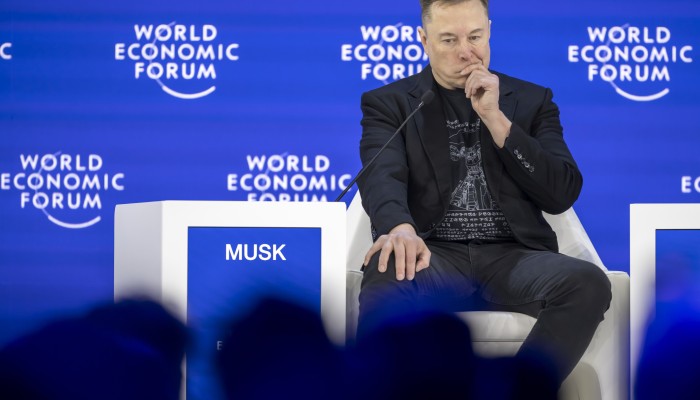
For cross-border sellers, the immediate supply chain impact centers on three critical areas: First, logistics automation costs will accelerate. Tesla's $20B robotics investment signals industry-wide acceleration in warehouse automation. Amazon, Shopify, and 3PL providers are simultaneously investing in similar technologies, which will increase fulfillment costs 8-15% over 2026-2027 for sellers using automated warehouses. Sellers currently paying $0.87/unit for FBA storage may see increases to $0.95-$1.05/unit as providers upgrade automation infrastructure. Second, Chinese EV manufacturer expansion into Mexico, Brazil, and Canada creates new cross-border logistics corridors. BYD's 90% sales growth (vs competitors like Geely and SAIC growing 33-90%) indicates Chinese manufacturers are establishing regional distribution networks. This creates opportunities for sellers to source EV-related accessories, charging equipment, and automotive components from emerging Chinese suppliers entering these markets. Third, Tesla's brand reputation collapse (37% negative vs 27% positive sentiment) affects EV accessory demand. Tesla merchandise, charging accessories, and premium automotive products represent a $2.3B cross-border category. The brand's deterioration—driven by Musk's political activities and Trump administration EV credit elimination—will shift consumer demand toward neutral-brand charging solutions and BYD/Geely accessories.
Strategic implications for seller inventory planning: The elimination of the $7,500 U.S. EV tax credit directly impacts EV accessory demand, as consumers delay vehicle purchases. Sellers should expect 15-25% volume decline in Tesla-specific products (chargers, adapters, interior accessories) through Q2 2026, while demand for universal EV charging solutions and Chinese EV brand accessories increases 30-40%. EU market dynamics diverge sharply—EV registrations exceeded gasoline vehicles for the first time in December 2025 (50% YoY growth), creating strong demand for European-market EV products. Sellers with EU fulfillment networks should prioritize inventory in universal charging standards (Type 2 connectors) and Chinese EV brand compatibility products. The Optimus robotics timeline (end-of-year production target) indicates Tesla will reduce traditional automotive manufacturing by 20-30% through 2026, potentially freeing contract manufacturing capacity that Chinese competitors will capture, affecting component sourcing timelines and costs for sellers relying on Tesla-adjacent supply chains.
問題 8
What regulatory changes should sellers monitor regarding EV incentives and cross-border trade?
The Trump administration's elimination of the $7,500 U.S. EV tax credit will depress EV accessory demand 15-25% through 2026. Simultaneously, Chinese EV exports are expanding into Mexico, Brazil, and Canada, creating new tariff and regulatory considerations. Sellers should monitor USMCA tariff classifications for EV charging equipment (currently HS code 8504.40) and Chinese EV brand accessories. EU sellers should track Type Approval regulations (EU 2018/858) for EV charging compatibility. By March 2026, sellers should audit tariff exposure for products sourced from China and consider supply chain diversification to Vietnam or India to mitigate potential tariff increases.
How should sellers adjust pricing strategy for EV accessories given market shifts?
Tesla's profit collapse and market share loss to BYD will compress EV accessory margins 5-8% through 2026 as competition intensifies and fulfillment costs increase. Sellers should implement dynamic pricing strategies that increase prices 3-5% on universal EV charging solutions (benefiting from 30-40% demand growth) while reducing prices 10-15% on Tesla-specific products (facing 15-25% demand decline). EU sellers can maintain premium pricing on European-market EV products (50% YoY growth), while U.S. sellers should focus on volume growth in Chinese EV brand accessories. Monitor competitor pricing weekly and adjust within 48 hours to maintain Buy Box eligibility.