

Saxony-Anhalt Leadership Shift 2026 | EU Manufacturing Stability & Cross-Border Logistics Impact
- Political transition signals administrative continuity for industrial region; affects supply chain reliability for sellers sourcing chemicals, batteries, and green-tech components from Germany's manufacturing hub












概览
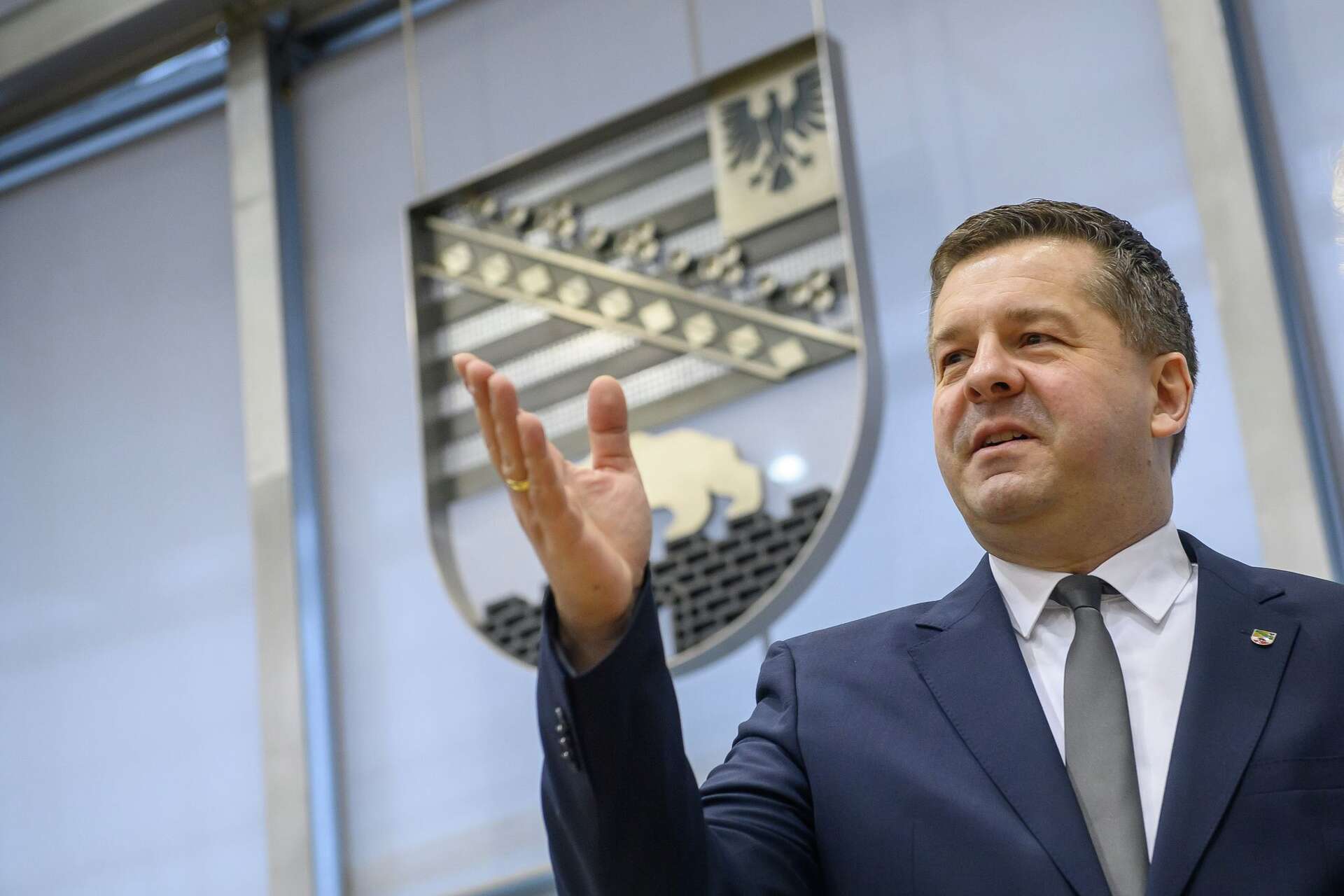
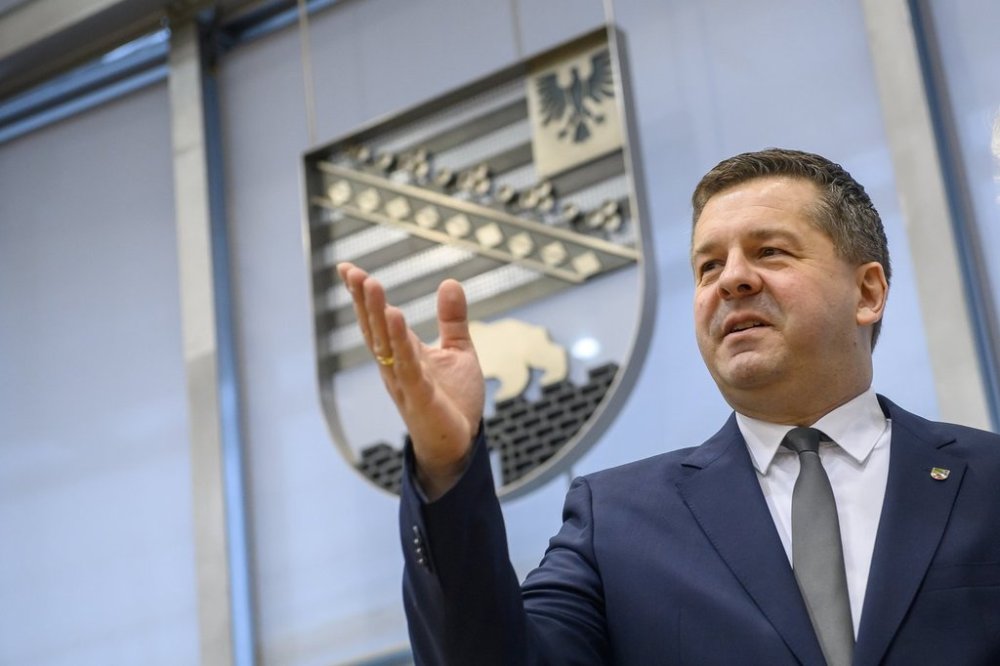
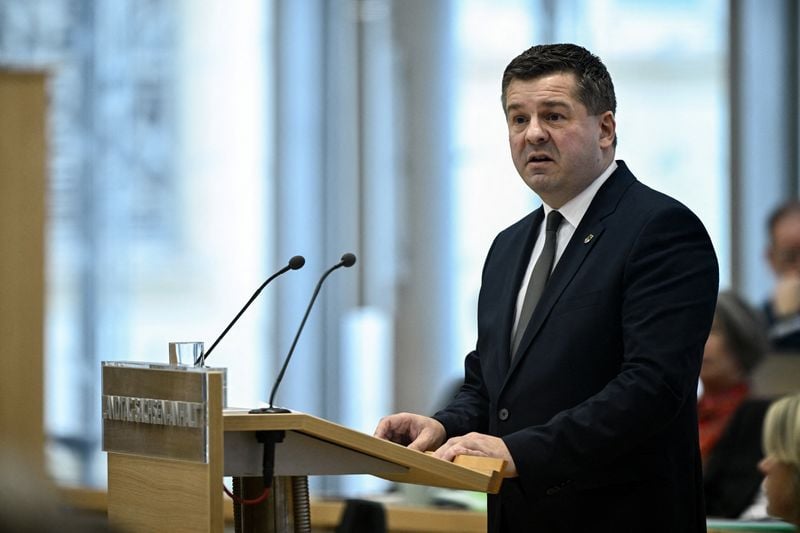
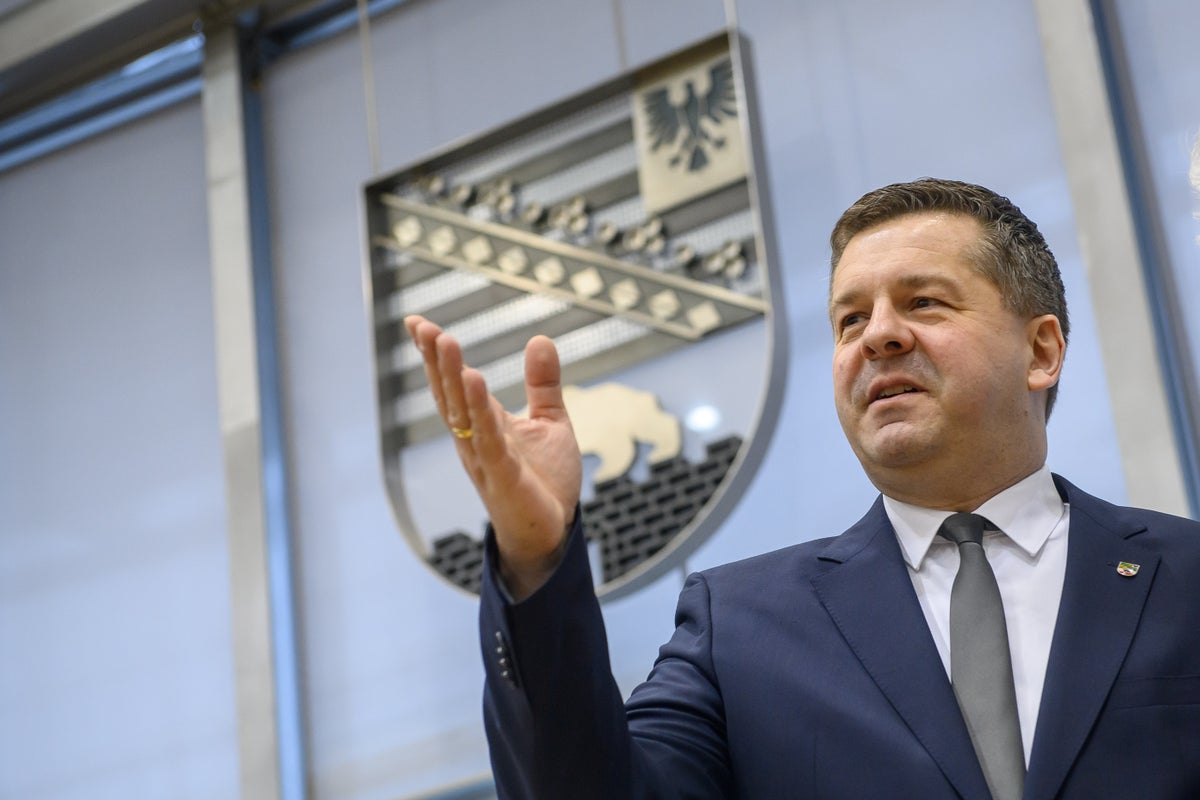
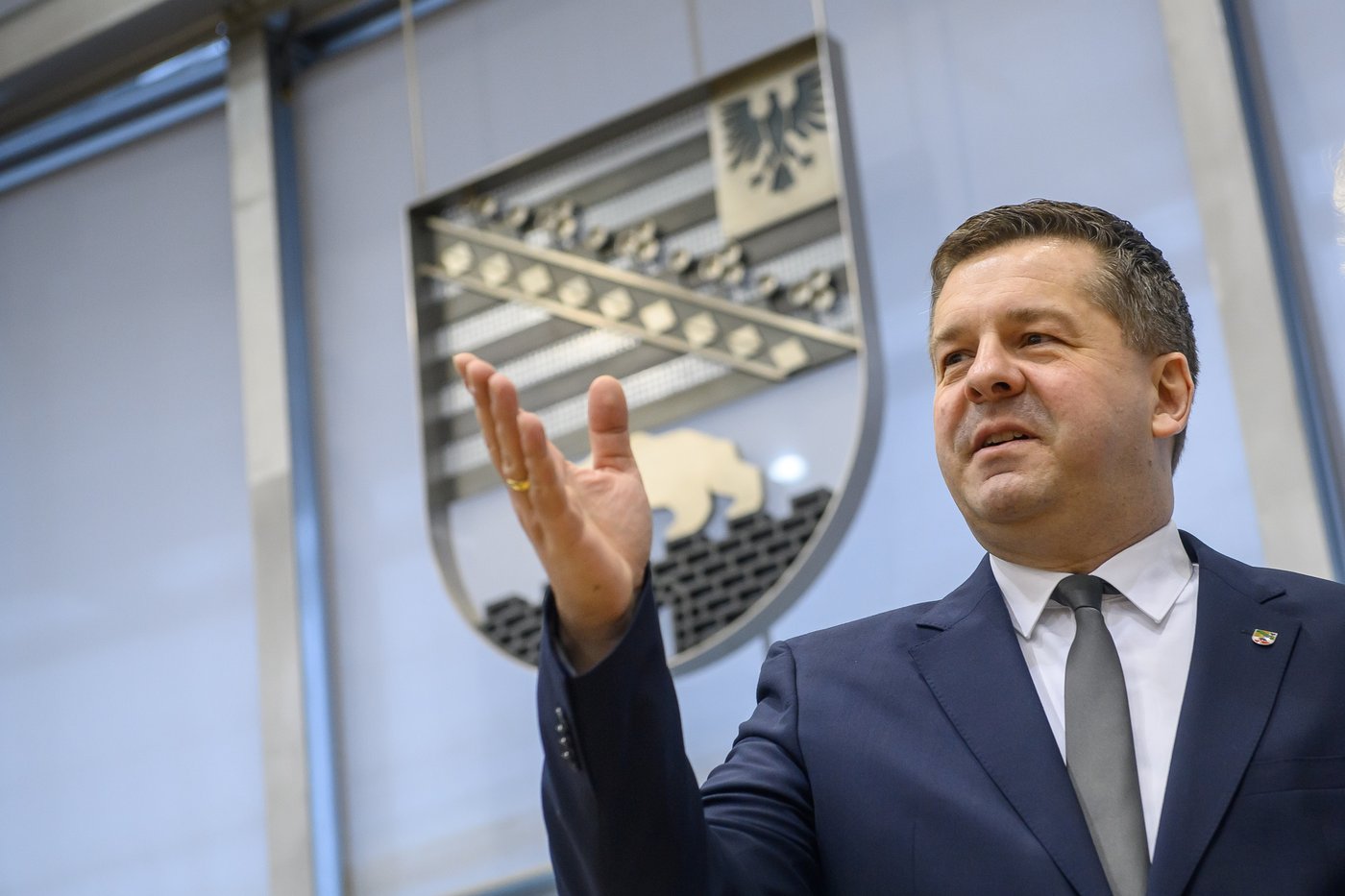
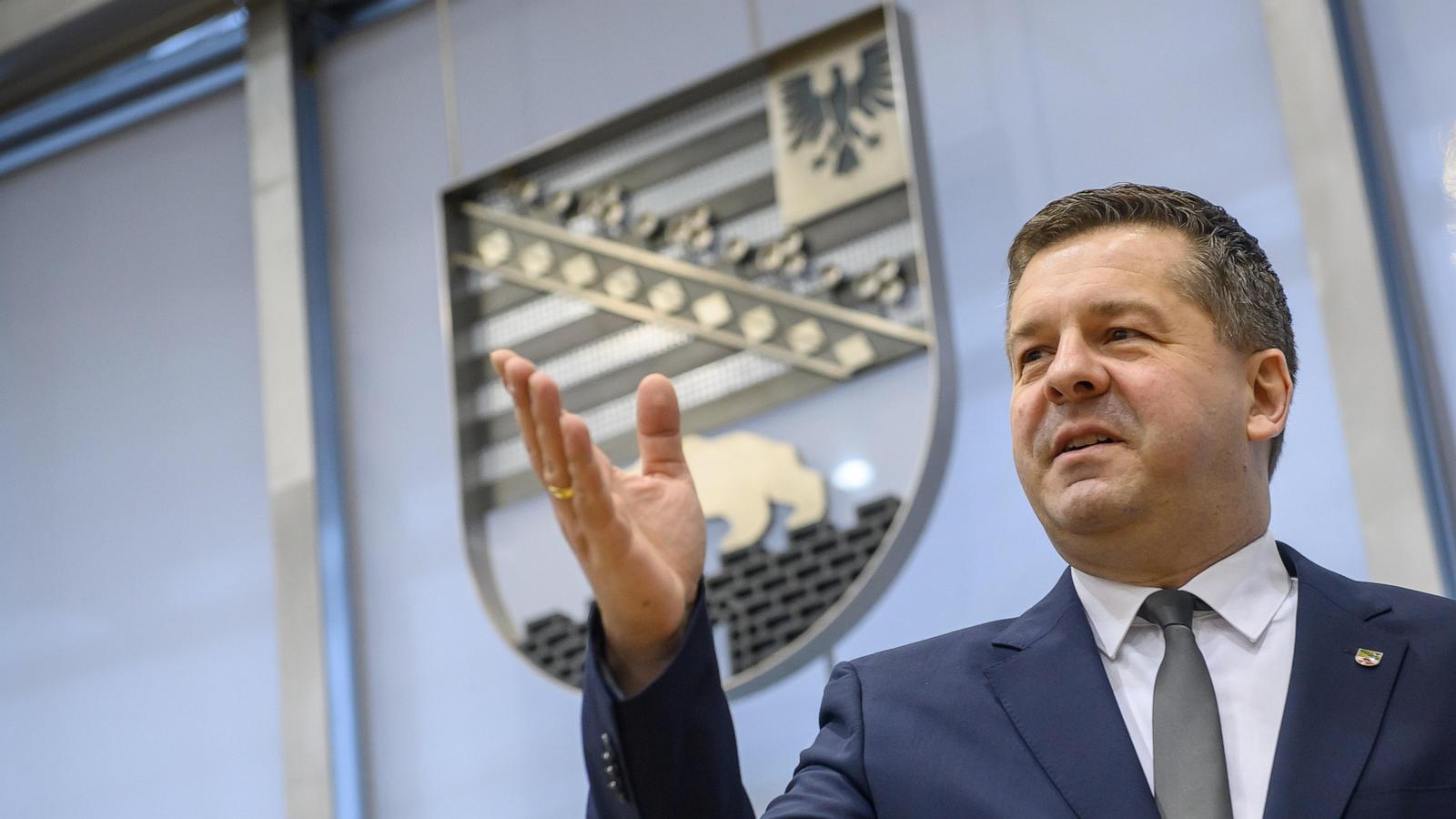
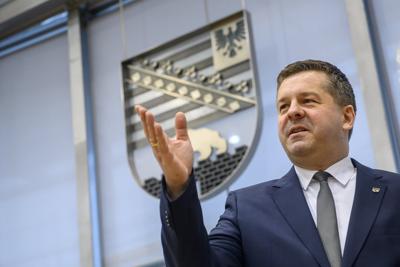
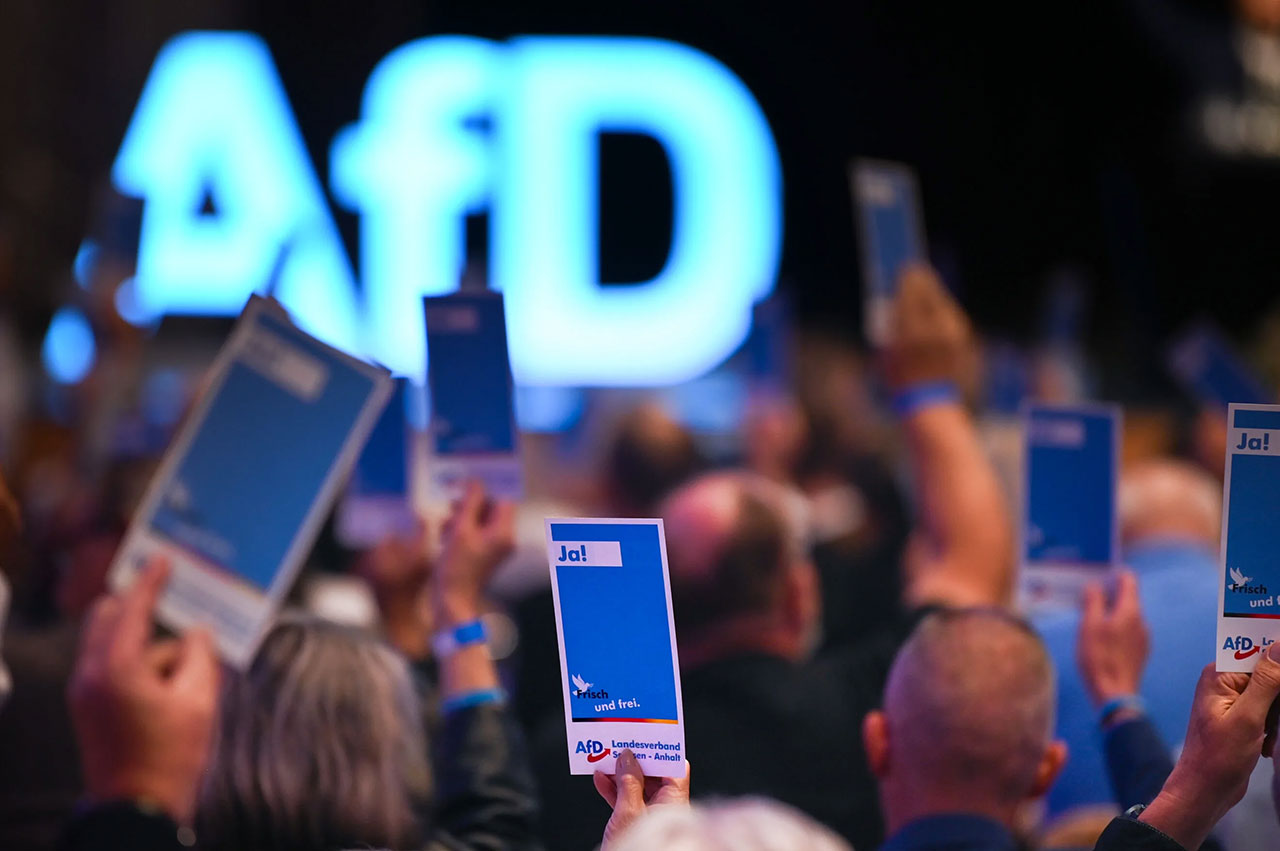
Sven Schulze's January 29, 2026 appointment as Minister-President of Saxony-Anhalt represents a critical stability signal for sellers relying on German industrial supply chains. The region, home to Germany's chemicals cluster and battery materials manufacturing, faces elevated governance risk ahead of September 2026 state elections where the far-right AfD polls at 39% support versus CDU's 26%. However, Schulze's pragmatic administrative approach—emphasizing industrial permitting continuity, EU subsidy coordination, and infrastructure development—directly impacts supply chain reliability for cross-border sellers sourcing components from this manufacturing hub.
For sellers sourcing from Saxony-Anhalt's industrial base, administrative predictability is the primary concern. The region's chemicals sector, battery materials production, and green-tech manufacturing depend on consistent permitting timelines, EU funding access, and grid infrastructure coordination. Schulze's administration signals policy continuity on these critical factors through 2026, reducing short-term supply disruption risk. However, governance uncertainty remains elevated: if the AfD gains parliamentary influence after September elections, potential coalition instability could delay industrial approvals, subsidy processing, and infrastructure projects. Sellers with supply contracts tied to Saxony-Anhalt manufacturers should monitor Q2 2026 budget announcements and coalition pre-commitments from centrist parties to assess medium-term supply chain stability.
The broader context reveals supply chain concentration risk in eastern Germany. Saxony-Anhalt's economic struggles (population decline, elevated unemployment) have driven AfD support, creating political volatility in a region critical to EU battery and chemicals supply chains. Sellers relying on single-source suppliers in this region face potential disruption if political instability disrupts industrial permitting or EU subsidy access. The "Superwahljahr" (super election year) in 2026 creates uncertainty across five German state races, potentially affecting regulatory consistency across multiple manufacturing regions. Sellers should diversify sourcing across German regions with more stable political environments (Bavaria, Baden-Württemberg) or consider alternative EU manufacturing hubs (Czech Republic, Poland) to reduce concentration risk. Schulze's administration can mitigate uncertainty through standardized reporting on permitting metrics and infrastructure timelines—critical signals sellers should monitor monthly through summer 2025 to assess supply chain stability ahead of September elections.
問題 8
How does Saxony-Anhalt's political transition affect sellers sourcing industrial components from Germany?
Sven Schulze's appointment signals administrative continuity for industrial permitting, EU subsidy coordination, and infrastructure projects critical to the region's chemicals and battery materials sectors. Sellers sourcing from Saxony-Anhalt manufacturers benefit from predictable approval timelines and consistent EU funding access through 2026. However, governance risk remains elevated due to AfD's 39% polling strength ahead of September elections. If political instability disrupts permitting or subsidy processing, sellers could face supply delays. Monitor Q2 2026 budget announcements and coalition pre-commitments from centrist parties to assess medium-term supply chain stability.
What supply chain risks should sellers monitor in eastern German manufacturing regions?
Eastern German regions like Saxony-Anhalt face elevated political volatility, with far-right parties polling 35-40% in multiple states during 2026's 'Superwahljahr' (super election year). This creates concentration risk for sellers relying on single-source suppliers in these regions. Political instability could disrupt industrial permitting, delay EU subsidy access, and affect infrastructure projects. Sellers should diversify sourcing across politically stable German regions (Bavaria, Baden-Württemberg) or alternative EU hubs (Czech Republic, Poland). Establish backup suppliers and monitor monthly permitting metrics and infrastructure announcements through summer 2025 to assess stability before September elections.