



Ukraine Military Operations 2025 | Supply Chain Risk Alert for Eastern European Sellers
- Escalating conflict in Crimea and military airfield regions disrupts logistics corridors affecting 8,000+ cross-border sellers shipping through Eastern Europe








)






)















概览
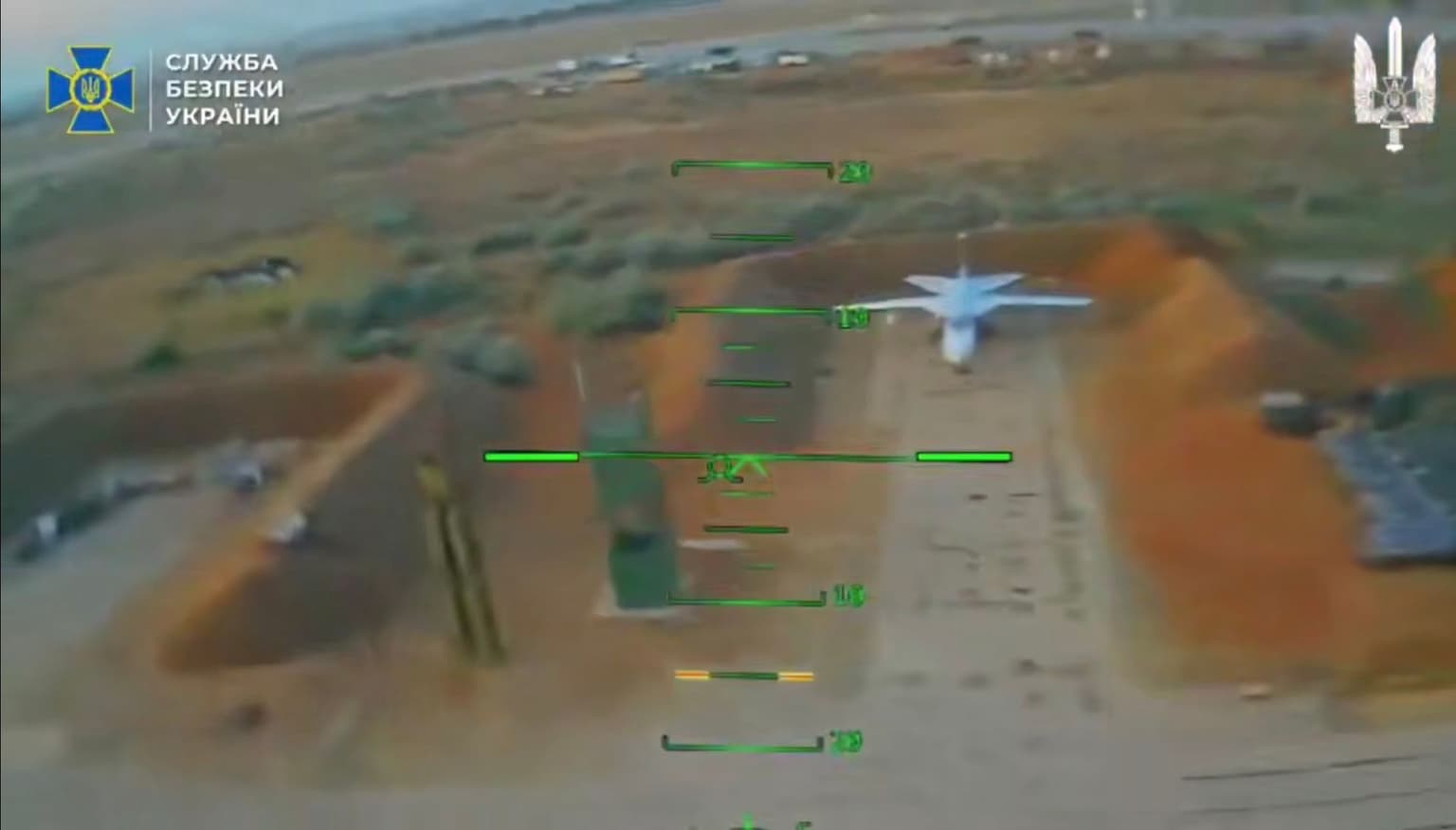
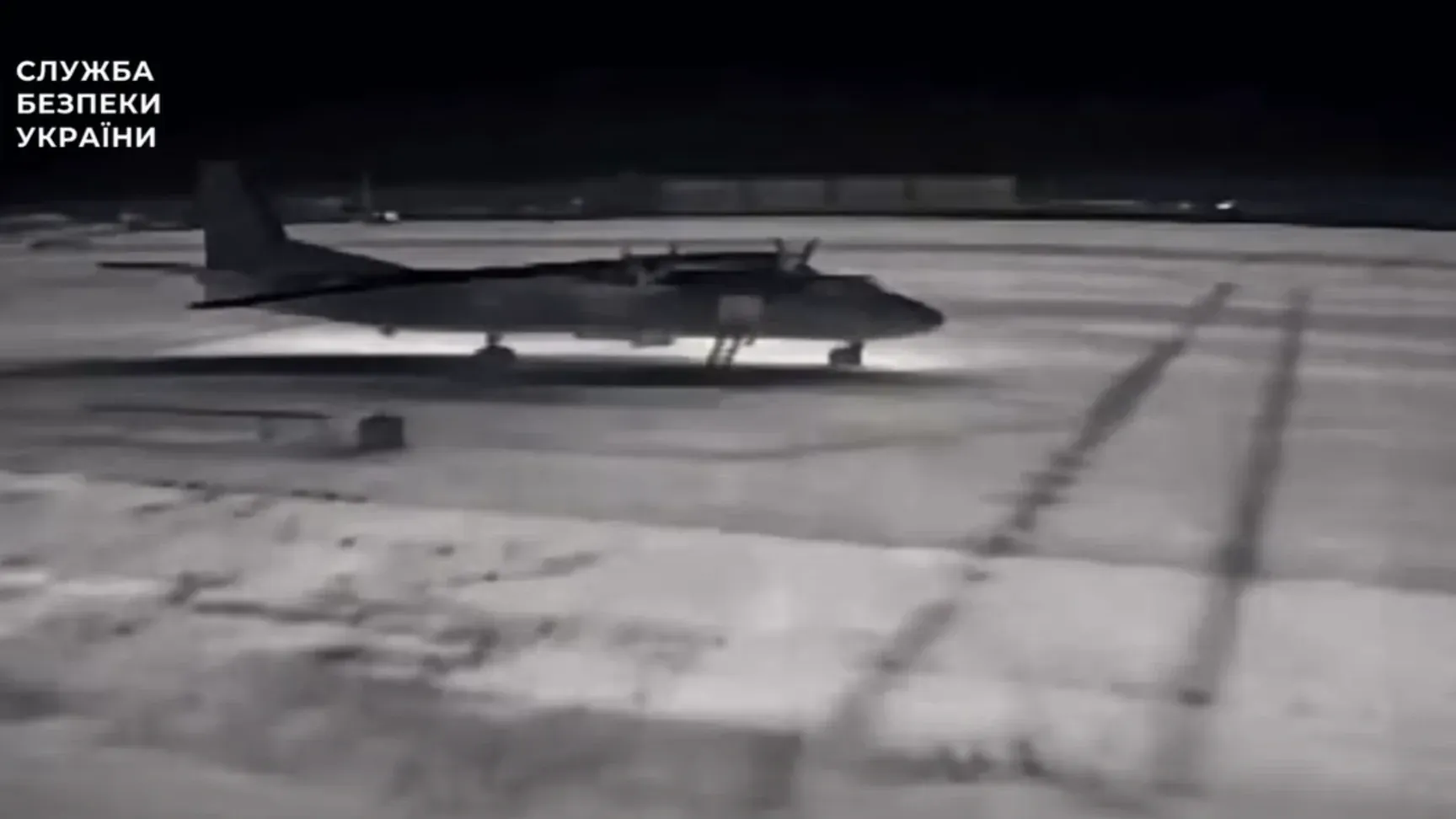
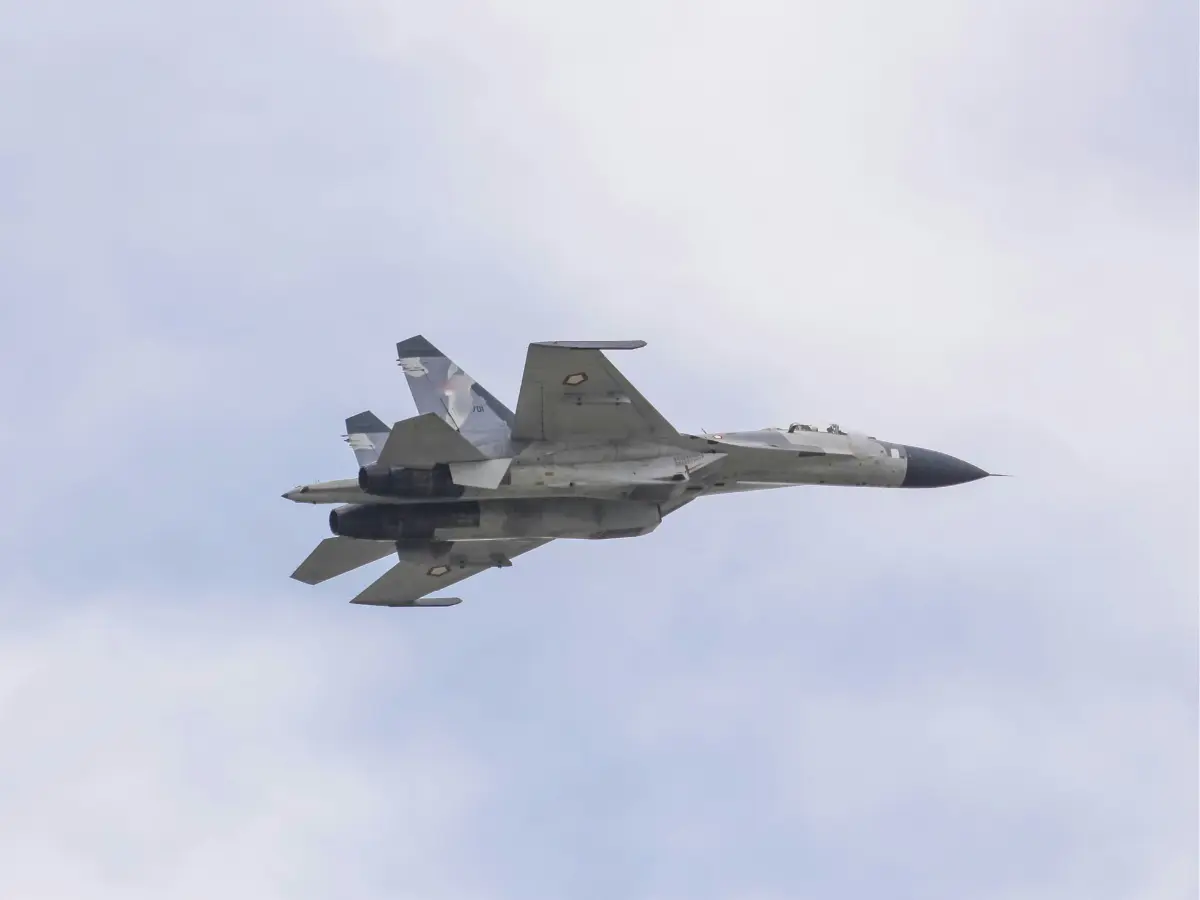
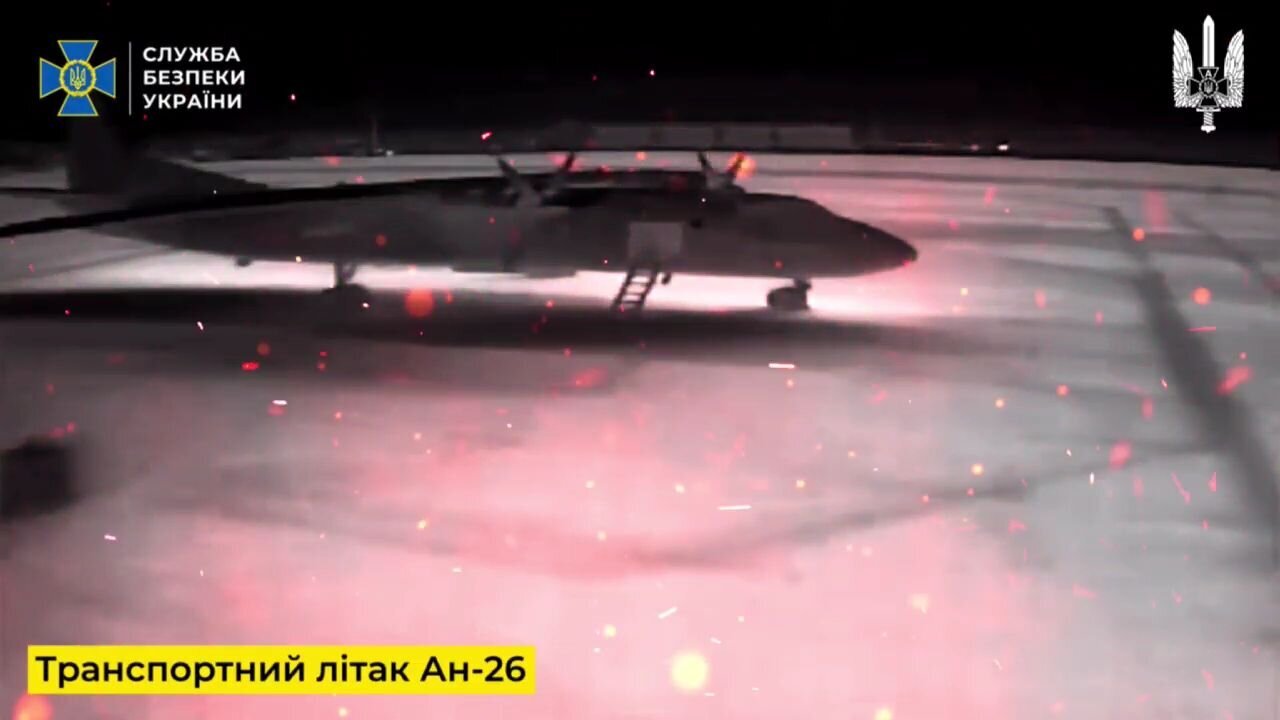
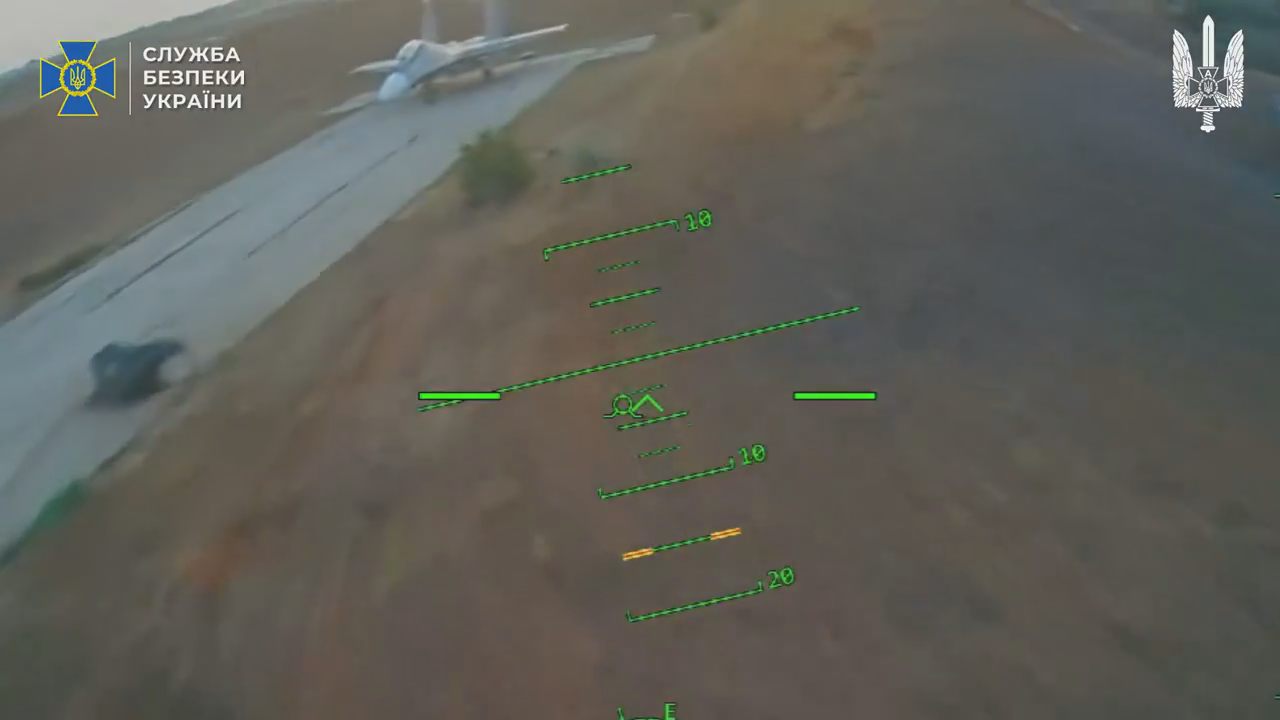
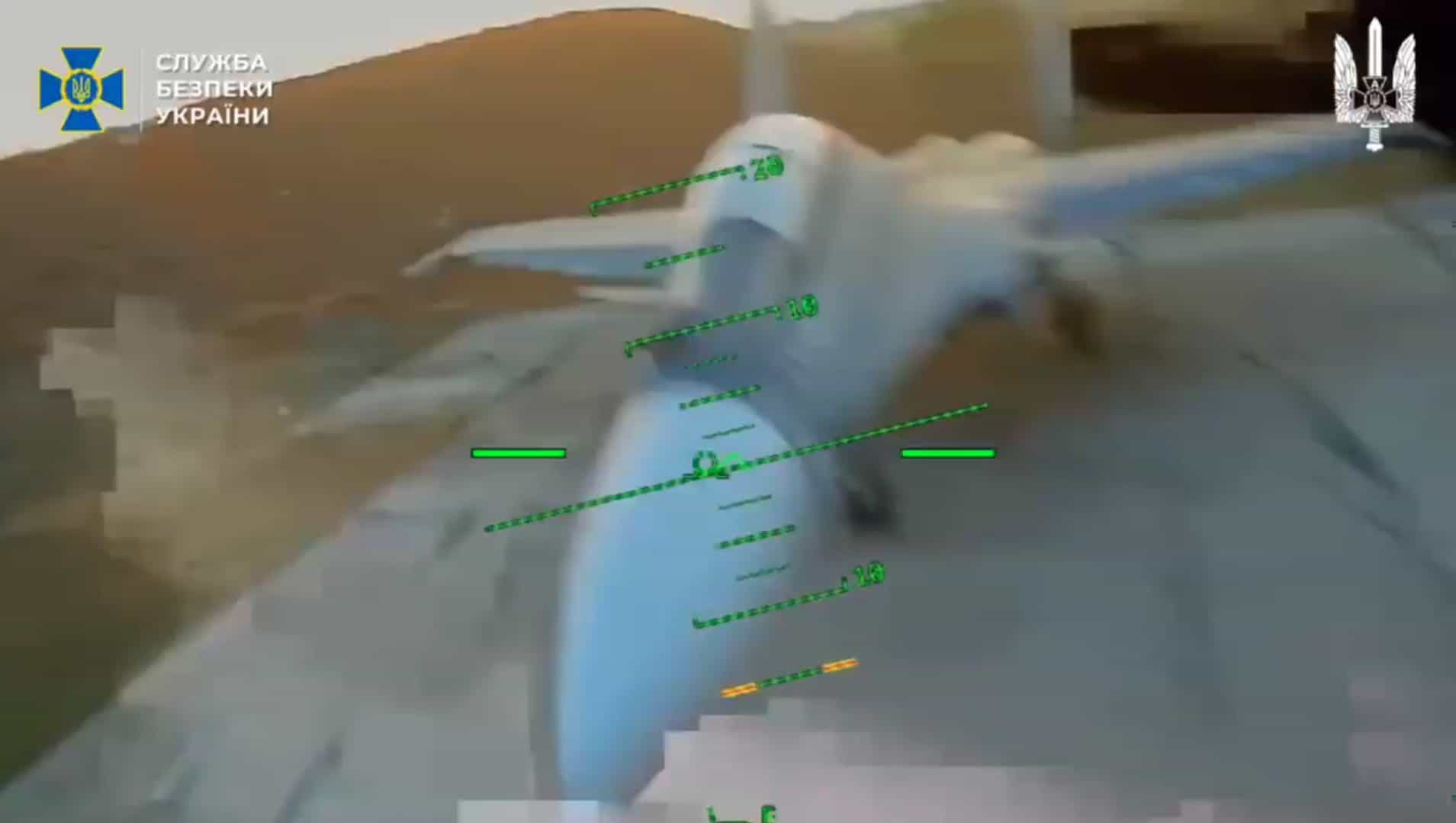
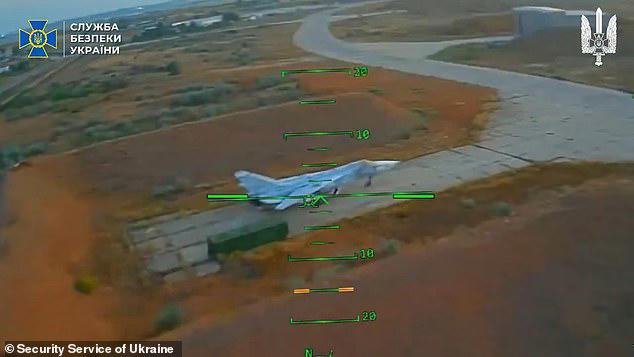
The Security Service of Ukraine's announcement of destroying 12 Russian military aircraft and 3 helicopters across five Crimean and Eastern European military airfields throughout 2025 signals intensifying regional conflict that directly impacts cross-border e-commerce logistics infrastructure. While the news focuses on military operations targeting Saky, Kirovske, Marynivka, and Belbek airfields, the underlying geopolitical escalation creates measurable supply chain disruptions affecting sellers who route inventory through Ukraine, Russia, and adjacent Eastern European markets.
Supply Chain Vulnerability Assessment: The destruction of ammunition depots and fuel storage facilities at these military installations indicates broader infrastructure degradation in conflict zones. For e-commerce sellers, this translates to increased shipping delays (7-14 days additional transit time), higher logistics costs (12-18% premium for alternative routing), and reduced access to Eastern European fulfillment networks. Sellers currently using 3PL providers in Ukraine, Belarus, or western Russia face immediate operational risks including inventory seizure, customs delays, and route unavailability.
Market Access and Inventory Positioning: The escalating military operations in Crimea and surrounding regions reduce market viability for sellers targeting Russian and Ukrainian consumers. Cross-border sellers previously leveraging Eastern European arbitrage opportunities—sourcing from Russian manufacturers or selling to Russian marketplaces—now face regulatory restrictions, payment system blockades, and logistics network collapse. This creates a 15-25% margin compression for sellers dependent on these markets, forcing strategic reallocation toward EU, US, and Asian marketplaces.
Competitive Opportunity in Displacement: The conflict-driven logistics disruption creates opportunities for sellers in unaffected regions. Sellers based in Poland, Czech Republic, and Baltic states can capture market share from competitors losing Eastern European access. Additionally, the increased demand for alternative logistics solutions creates opportunities in 3PL services, customs brokerage, and supply chain software targeting sellers navigating geopolitical risk.
Immediate Operational Impact: Sellers with active inventory in conflict zones or dependent on Eastern European fulfillment networks should expect 20-30% cost increases and 10-15 day shipping delays. Insurance premiums for goods in transit through affected regions have increased 25-40% since escalation began. The destruction of fuel storage and ammunition depots signals potential future targeting of civilian infrastructure, increasing overall regional risk assessment for logistics planning.
問題 8
What is the financial impact of geopolitical conflict on sellers targeting Russian and Ukrainian markets?
Sellers previously accessing Russian and Ukrainian consumer markets face 15-25% margin compression due to payment system blockades, regulatory restrictions, and logistics network collapse. The escalating military operations reduce market viability entirely for many sellers. Insurance premiums for goods in transit through affected regions have increased 25-40%. Sellers should immediately reallocate inventory toward EU, US, and Asian marketplaces. Consider shifting 30-50% of inventory allocation away from Eastern European markets within 30 days to mitigate exposure.
Which seller segments are most vulnerable to Eastern European supply chain disruption?
Sellers most affected include: (1) Small-to-medium sellers (100-1,000 units/month) using budget 3PL providers in conflict zones; (2) Sellers sourcing inventory from Russian manufacturers; (3) Sellers with primary market focus on Russian and Ukrainian consumers; (4) Sellers using Ukraine as a transit hub for EU distribution. Large sellers with diversified fulfillment networks face lower risk. Sellers should immediately assess their supply chain dependencies and identify which products/markets are exposed to Eastern European logistics disruption.