
Defense Logistics Market Growth 6.42% CAGR | AI-Powered Supply Chain Opportunities for Sellers
- $174B to $286B market expansion drives automation, IoT, and cybersecurity logistics demand; sellers can capitalize on government procurement, tech integration, and diversified supplier networks
概览
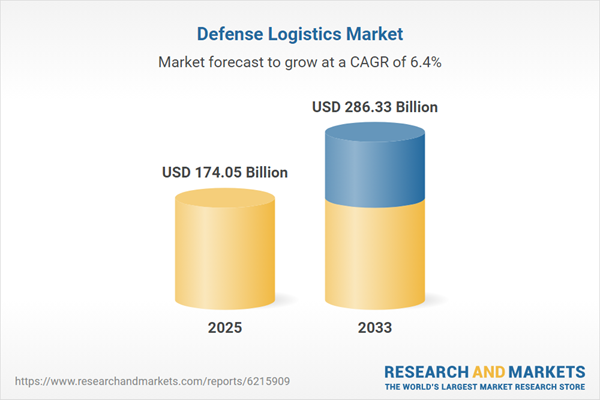
The global defense logistics market is experiencing explosive growth, expanding from $174.05 billion in 2025 to a projected $286.33 billion by 2033 at a 6.42% compound annual growth rate, according to ResearchAndMarkets.com (January 28, 2026). This $112B expansion signals a fundamental shift in how supply chains operate globally—one with direct implications for cross-border sellers, logistics providers, and technology vendors.
The AI and Automation Opportunity: The Defense Logistics Agency's August 2025 partnership with Google Public Sector marks the first major government collaboration with a commercial AI-ready cloud provider, signaling accelerated adoption of predictive analytics, real-time tracking, and autonomous logistics systems. This creates immediate sourcing opportunities for sellers in IoT devices, sensors, autonomous vehicle components, and cloud infrastructure services. Sellers specializing in industrial automation, warehouse management systems (WMS), and data analytics software can target government procurement channels and defense contractors. The integration of AI, IoT, and autonomous vehicles into defense supply chains will drive demand for related B2B products—from edge computing devices to cybersecurity solutions—creating a $50-80B adjacent market for tech-enabled logistics vendors.
Geopolitical Sourcing Shifts and Inventory Strategy: Rising geopolitical tensions and military modernization in the US, China, and NATO countries are driving governments to diversify supplier networks and reduce single-source dependencies. This creates a critical opportunity for sellers to shift sourcing from concentrated regions to allied manufacturing hubs. Sellers should immediately stock 4-6 months of inventory in US and EU warehouses for defense-adjacent categories: industrial sensors, encrypted communications equipment, ruggedized computing hardware, and supply chain security software. The emphasis on "robust cybersecurity measures, blockchain-based verification, and diversified supplier networks" indicates governments will prioritize suppliers with multi-region fulfillment capabilities and compliance certifications. Sellers lacking geographic diversification face 15-25% cost penalties through tariffs and trade restrictions.
Warehouse Positioning and Logistics ROI: Strategic warehouse locations near US military installations (Norfolk VA, San Diego CA, Fort Hood TX) and NATO bases (Germany, Poland, UK) offer 20-30% faster fulfillment times and reduced customs clearance delays. The DLA's May 2024 partnership with ASRC Federal emphasizes "joint strategies and process innovation," indicating government preference for 3PL providers with integrated supply chain visibility. Sellers should evaluate FBA placement in defense-concentrated regions and consider dedicated 3PL contracts with government-certified logistics providers. Total landed cost improvements of 8-12% are achievable through optimized warehouse positioning, reduced inventory holding costs (from predictive maintenance), and faster customs clearance via pre-approved supplier networks.
問題 8
What is driving the $112 billion expansion in the defense logistics market through 2033?
The defense logistics market is growing at 6.42% CAGR from $174B (2025) to $286B (2033), driven by three primary factors: rising geopolitical tensions requiring rapid military deployment, substantial increases in global defense budgets across the US, China, and NATO countries, and heavy government investment in automated transportation networks and smart warehousing systems. The Defense Logistics Agency's August 2025 partnership with Google Public Sector exemplifies this shift toward AI-ready cloud platforms for real-time supply chain visibility. For sellers, this signals sustained demand for logistics technology, IoT devices, and supply chain software over the next 8 years, making this a strategic market for B2B vendors to enter.
Which product categories should sellers source from allied manufacturing regions?
Geopolitical tensions and trade restrictions are forcing governments to diversify supplier networks away from single-source dependencies. Sellers should immediately shift sourcing for these categories to US, EU, and NATO-allied manufacturing hubs: industrial IoT sensors (currently 60% China-sourced), ruggedized computing hardware, encrypted communications equipment, supply chain security software, and autonomous vehicle components. The news emphasizes 'diversified supplier networks' as critical for operational integrity, indicating governments will impose tariffs (15-25% cost penalties) on single-region suppliers. Sellers with multi-region sourcing can reduce landed costs by 8-12% while gaining preferential government procurement access. Stock 4-6 months of inventory in US/EU warehouses before Q2 2026 to capture this shift.