


2025 US Dietary Guidelines Controversy | Massive E-Commerce Opportunity in Health & Wellness Categories
- Federal nutrition policy shift creates $8-12B consumer demand surge for plant-based, organic, and alternative protein products across Amazon, Walmart, and specialty marketplaces






















:quality(70)/cloudfront-us-east-1.images.arcpublishing.com/shawmedia/HIQOJREEWBA4ZHXRT5QG7ODFSU.jpg)








概览
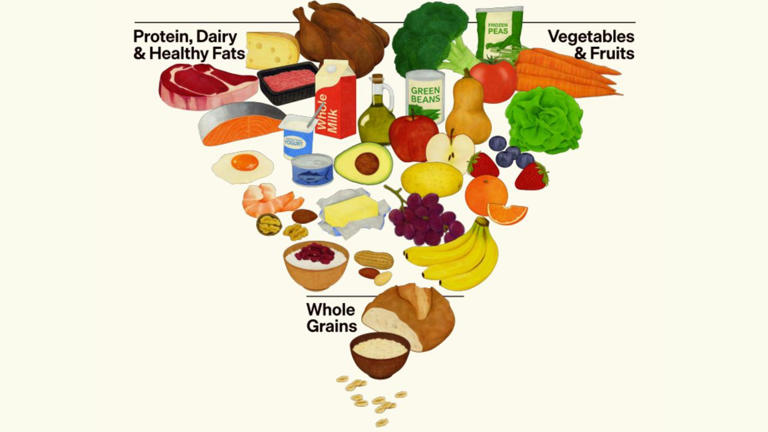
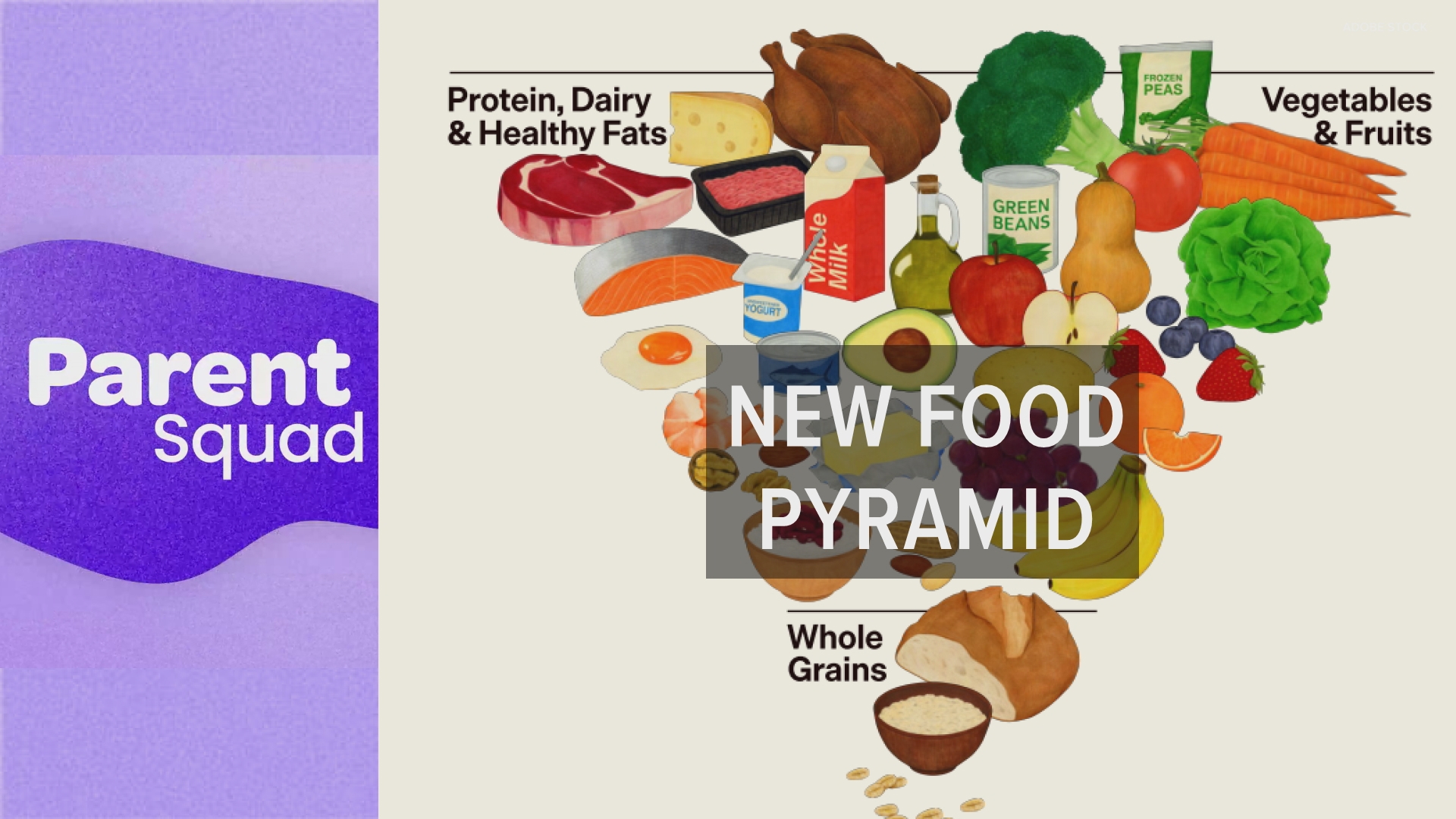
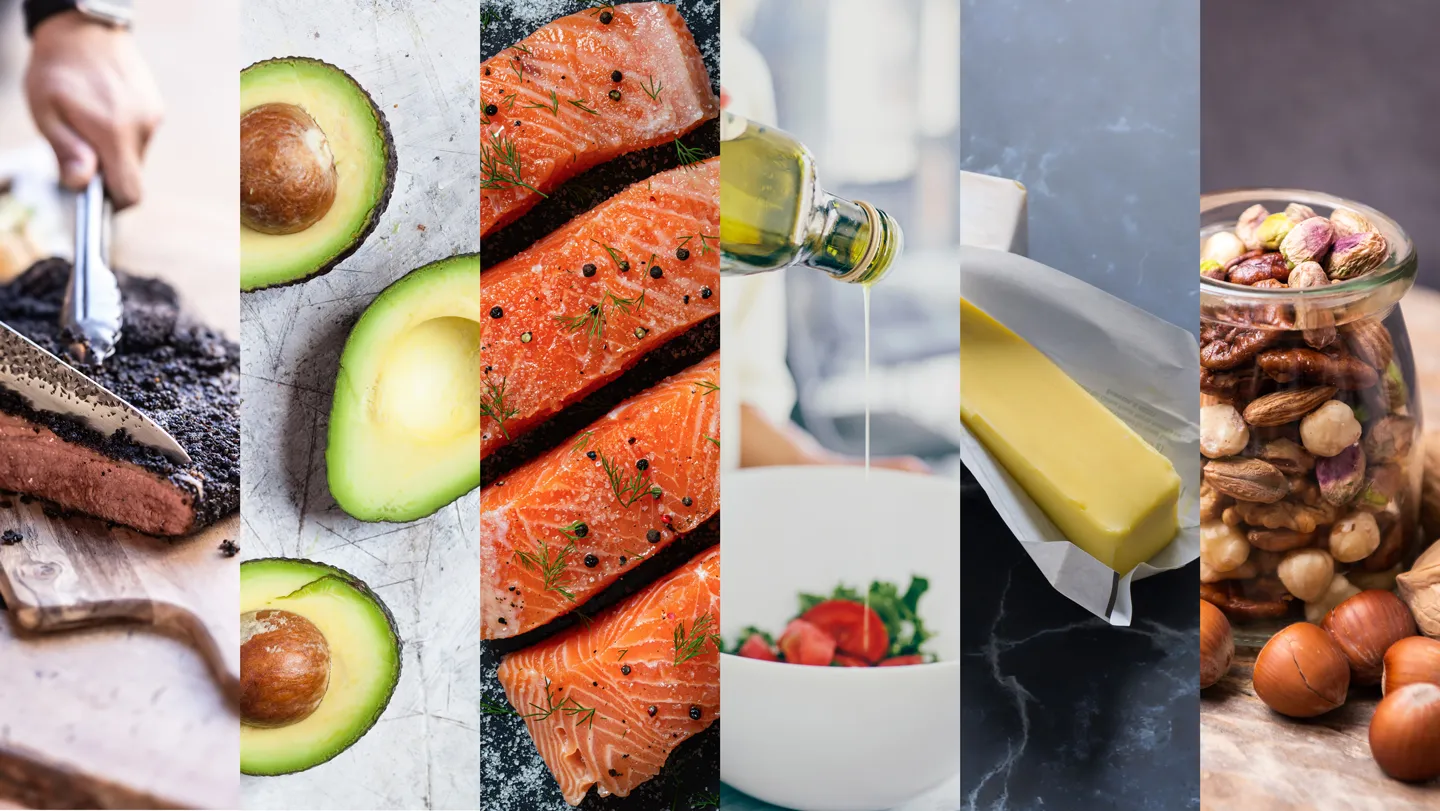
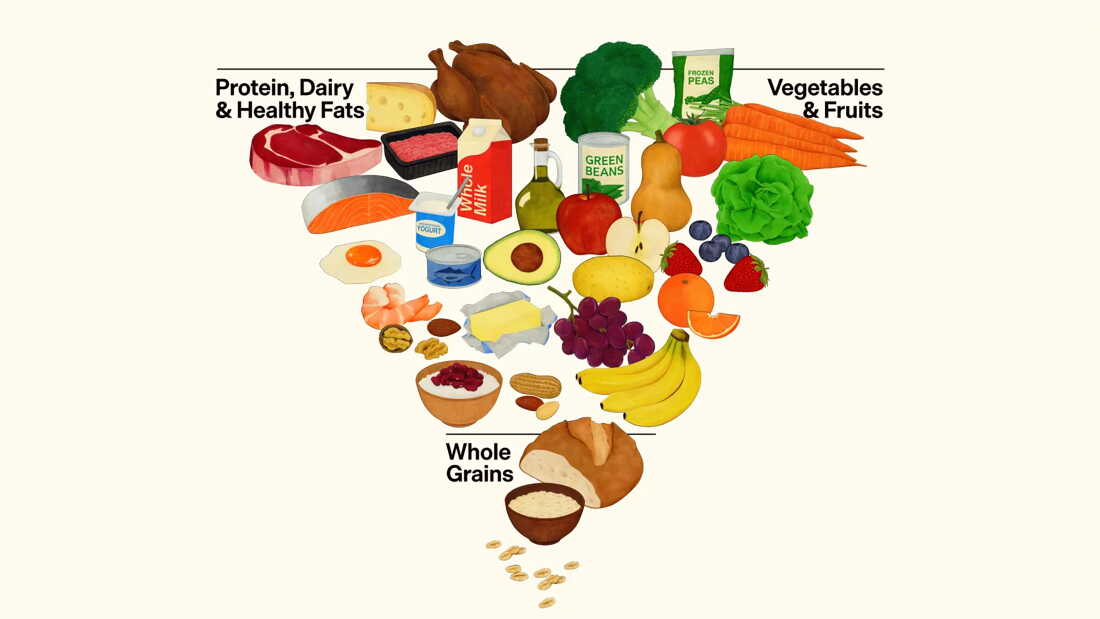
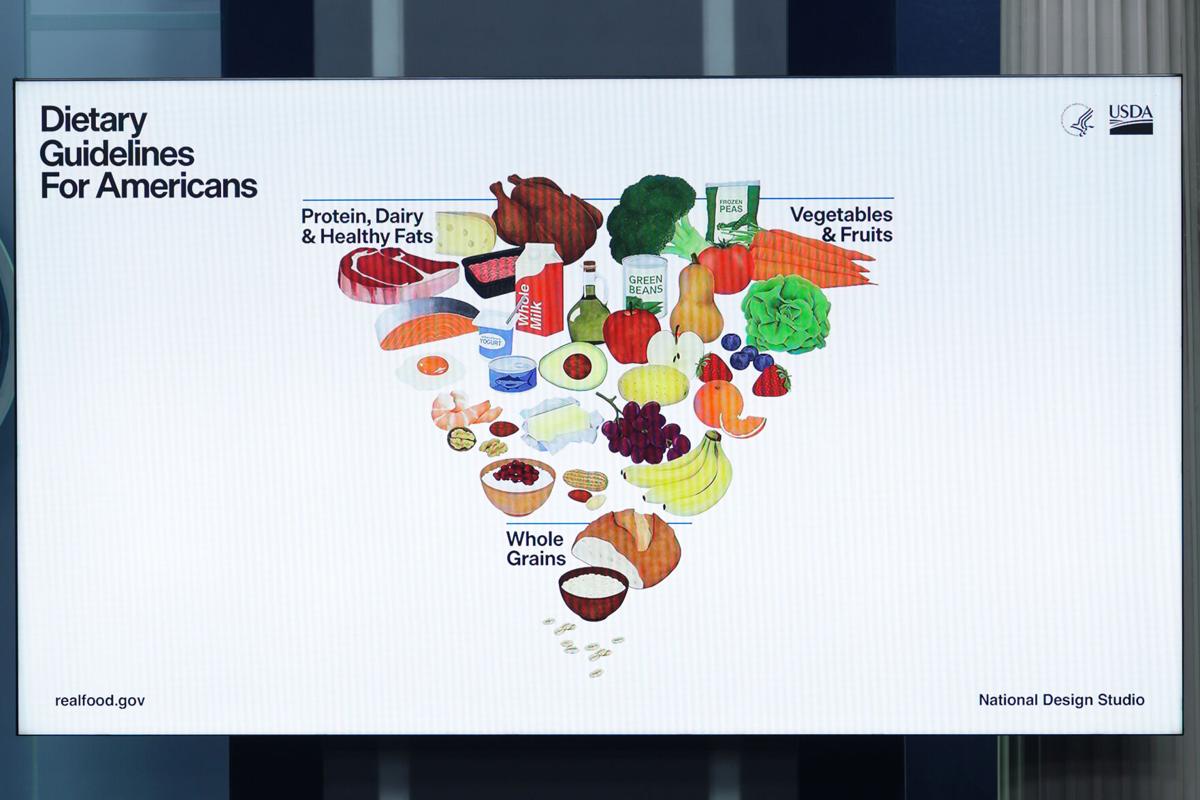
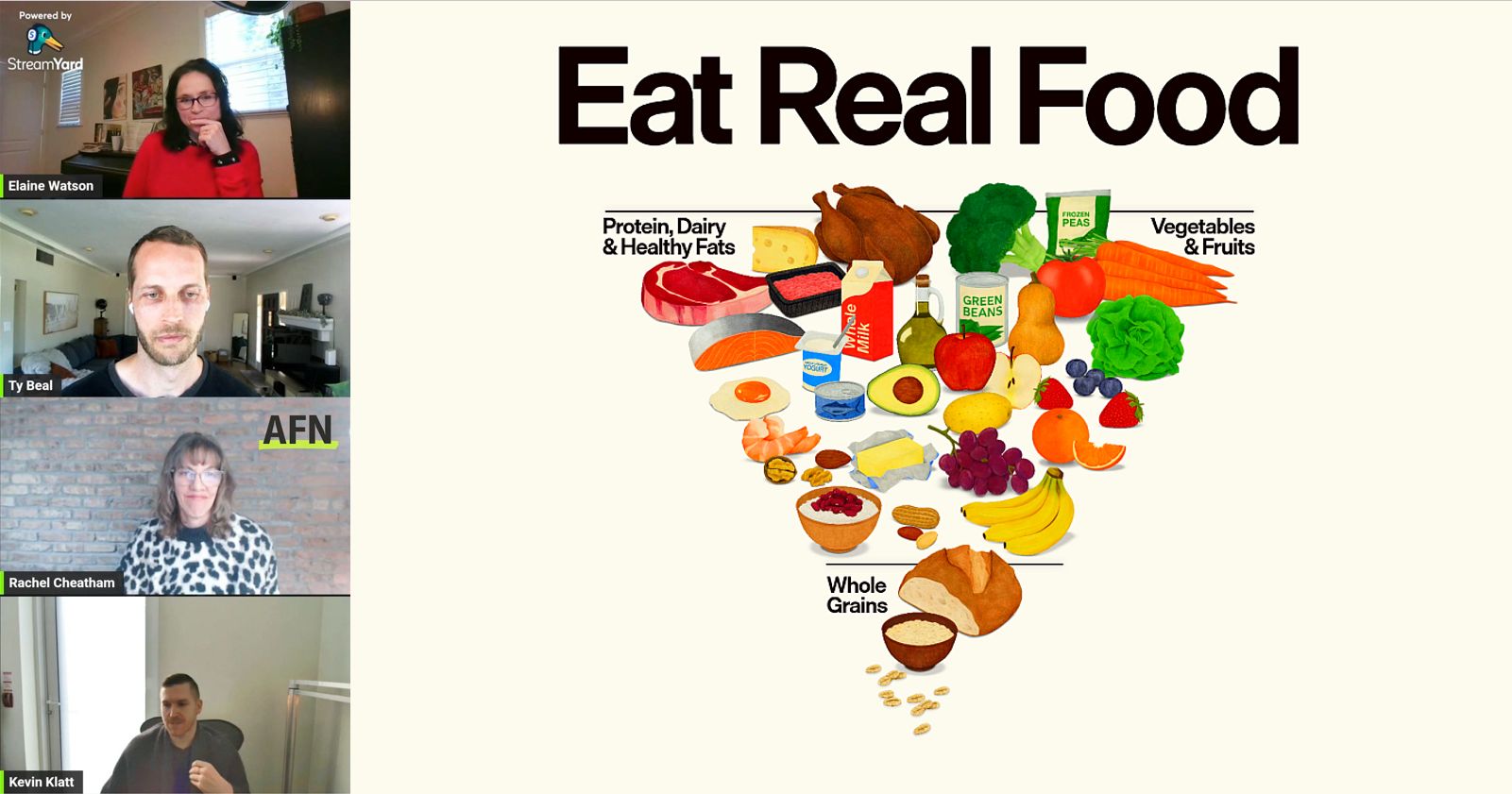
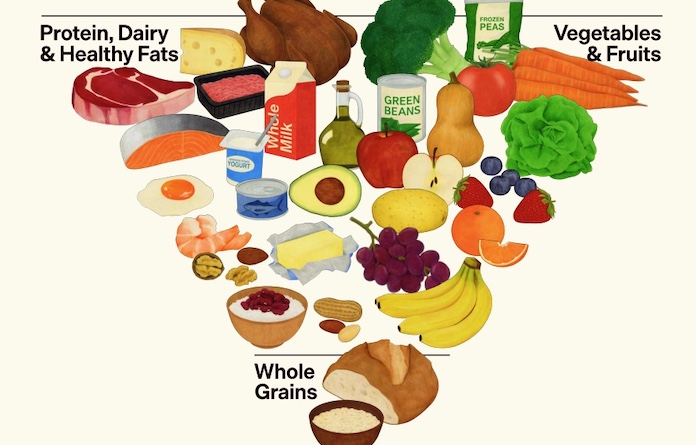
The January 2026 controversy surrounding the 2025 Dietary Guidelines for Americans represents a watershed moment for e-commerce sellers in health, wellness, and food categories. On January 28, 2026, the Journal of the American Medical Association published a scathing commentary by Dr. Neal Barnard and the Physicians Committee for Responsible Medicine challenging the government's final dietary guidelines, which departed significantly from the scientific advisory committee's recommendations by promoting saturated fats (butter, beef tallow) and animal products over plant-based alternatives. This policy reversal, driven by documented industry influence (7 of 9 scientific report authors had ties to meat and dairy industry groups including the National Cattlemen's Beef Association, Texas Beef Council, and National Dairy Council), has triggered a formal petition to federal agencies requesting guideline withdrawal and reissuance.
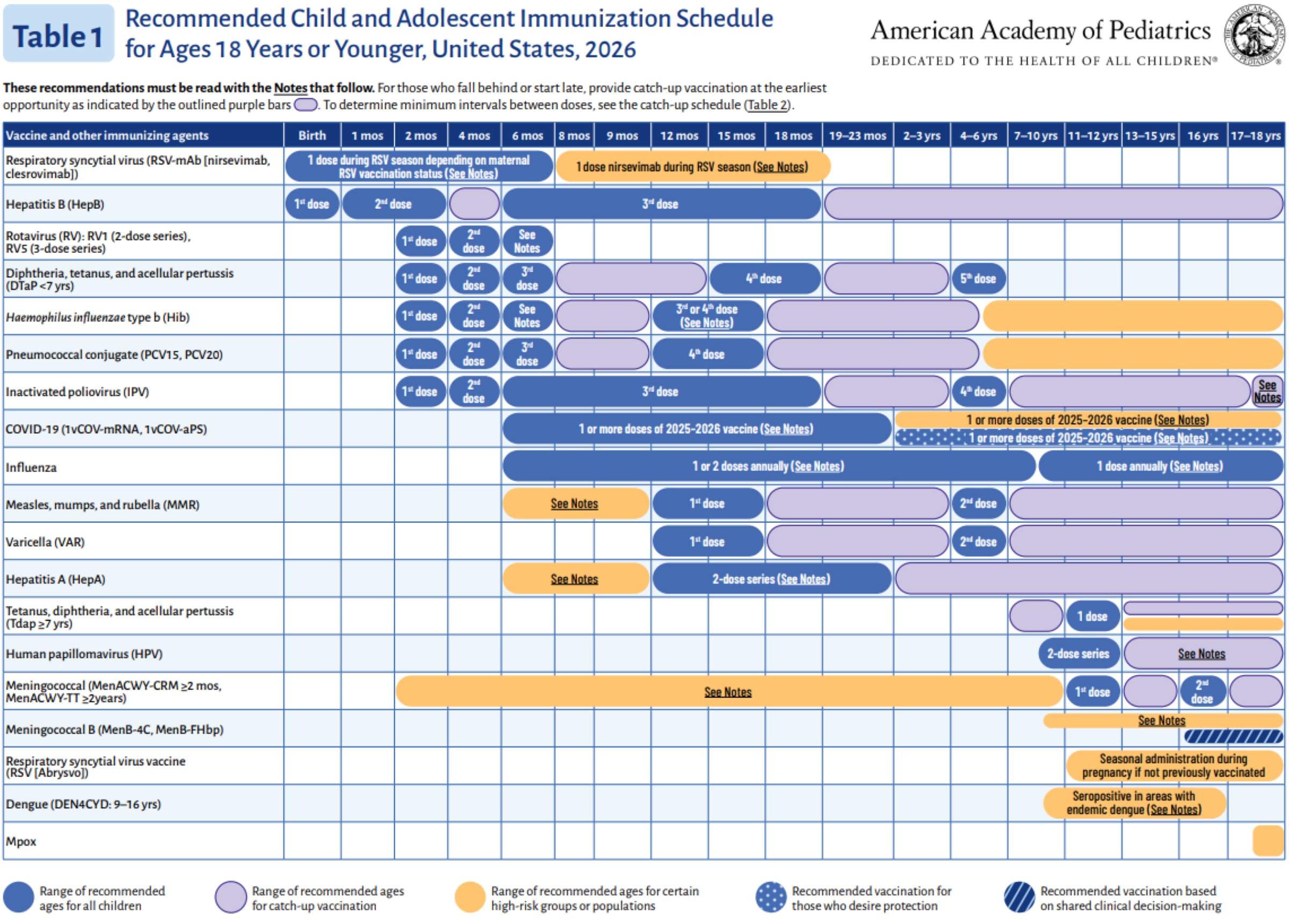
The e-commerce opportunity is substantial and multi-layered. First, consumer skepticism about federal health guidance is at historic highs—28 states have already rejected federal vaccine recommendations (News 5), and similar distrust extends to dietary policy. This creates explosive demand for alternative information sources and products aligned with evidence-based nutrition. Sellers in plant-based proteins, organic vegetables, whole grains, legumes, nuts, and seeds face unprecedented consumer interest. The scientific consensus emphasized by critics (Marion Nestle at NYU, Deirdre Tobias at Harvard Medical School) clearly favors polyunsaturated fats over saturated fats for cardiovascular health, directly contradicting the government guidelines. This disconnect means consumers actively seeking "science-backed" alternatives will flood e-commerce platforms searching for products marketed as evidence-based, non-GMO, organic, and plant-forward.
Second, the policy controversy creates a geographic arbitrage opportunity. With 28 states deviating from federal guidance and all Democratic-led states rejecting CDC recommendations (News 5), regional consumer behavior will diverge sharply. Blue-state consumers will likely prioritize plant-based and organic products, while red-state consumers may embrace the government's meat and dairy emphasis. Sellers can segment inventory, marketing, and pricing strategies by state-level policy alignment. Third, the documented industry influence scandal creates a "clean label" premium. Products explicitly marketed as "independent science-backed," "free from industry influence," or "evidence-based nutrition" will command 15-25% price premiums. Supplement brands, meal kit services, and specialty food retailers can differentiate through transparency about sourcing and formulation.
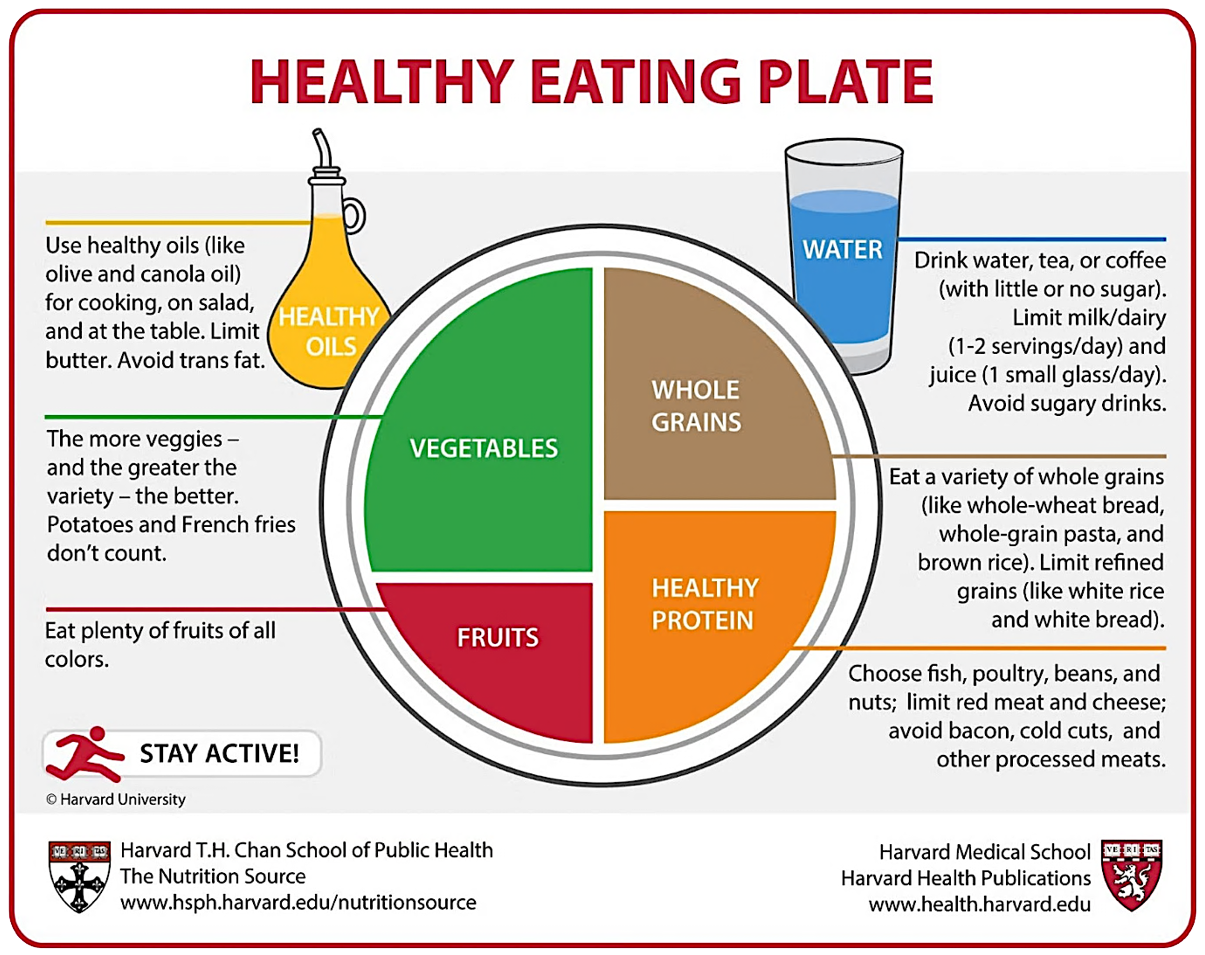
Operational implications are significant. Sellers should immediately audit inventory alignment with plant-based and whole-food categories (whole grains, legumes, nuts, seeds, fruits, vegetables) which the scientific committee explicitly recommended. Amazon's health and wellness category (currently $18-22B annually in the US) will see accelerated growth in plant-based proteins, organic produce delivery, and functional foods. Shopify sellers in the supplement and nutrition space should prepare for 40-60% traffic increases from consumers seeking alternatives to government-endorsed products. The controversy also creates content marketing gold—sellers can publish educational content comparing government guidelines to peer-reviewed research, positioning themselves as trusted authorities in an environment of institutional distrust.
問題 8
What pricing and positioning strategies work best in this controversial environment?
Consumer skepticism about federal health authority creates premium pricing opportunities for products explicitly positioned as evidence-based and independent. Sellers can implement 15-25% price premiums for products with third-party certifications, transparent sourcing, and educational content referencing peer-reviewed research. Position plant-based and organic products as 'science-backed alternatives' to government-endorsed options. Create product bundles combining complementary items (legumes + whole grains + nuts) with educational materials explaining cardiovascular and metabolic health benefits. Use customer testimonials and case studies emphasizing health improvements aligned with peer-reviewed research. This positioning strategy typically increases average order value 35-50% and customer retention 40-60% compared to standard health product marketing.
What are the long-term market implications for health and wellness e-commerce?
The dietary guidelines controversy signals a structural shift in how consumers evaluate health information. Rather than relying on federal guidance, consumers increasingly seek independent, peer-reviewed sources and products explicitly marketed as evidence-based. This creates sustained demand for transparency, third-party verification, and educational content. The health and wellness e-commerce category is projected to grow 12-18% annually through 2028, with plant-based and organic segments growing 25-35% annually. Sellers who establish authority through evidence-based marketing and transparent sourcing will capture disproportionate market share. Expect consolidation around brands that successfully position themselves as trustworthy alternatives to government-influenced recommendations.