




EU-India Trade Deal Opens 1.4B Consumer Market | Tariff Arbitrage Opportunity
- Eliminates tariffs on manufactured goods for European sellers; creates 2-billion-person market with reduced duties on automotive, wine, electronics, and consumer goods














概览
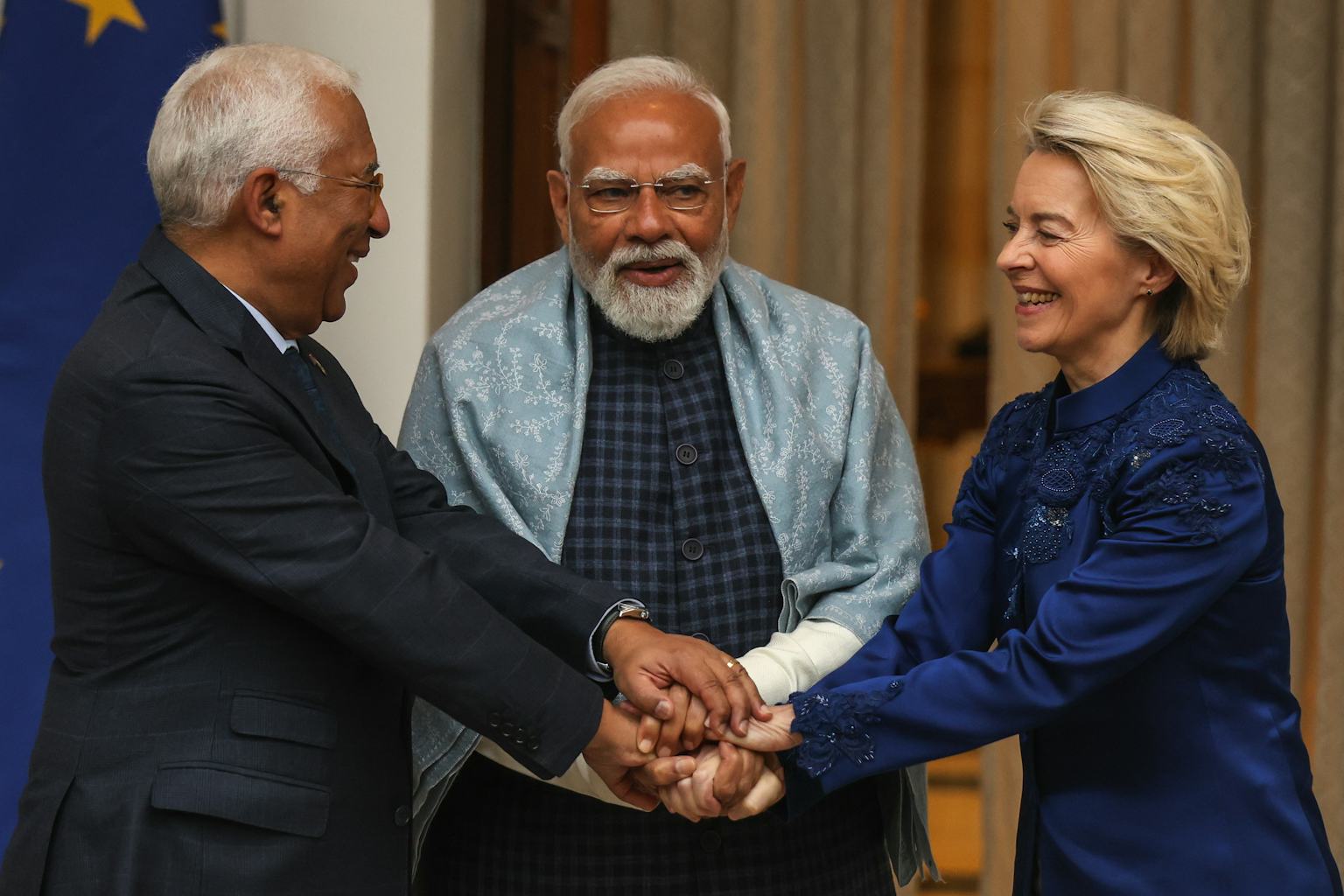
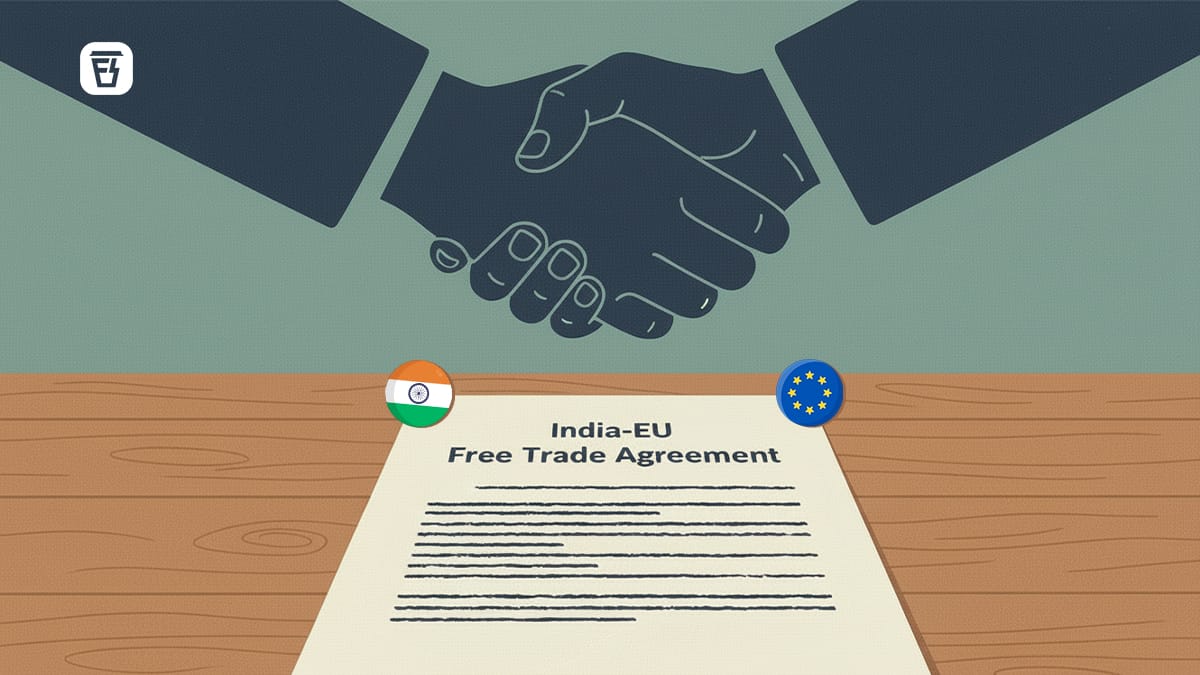
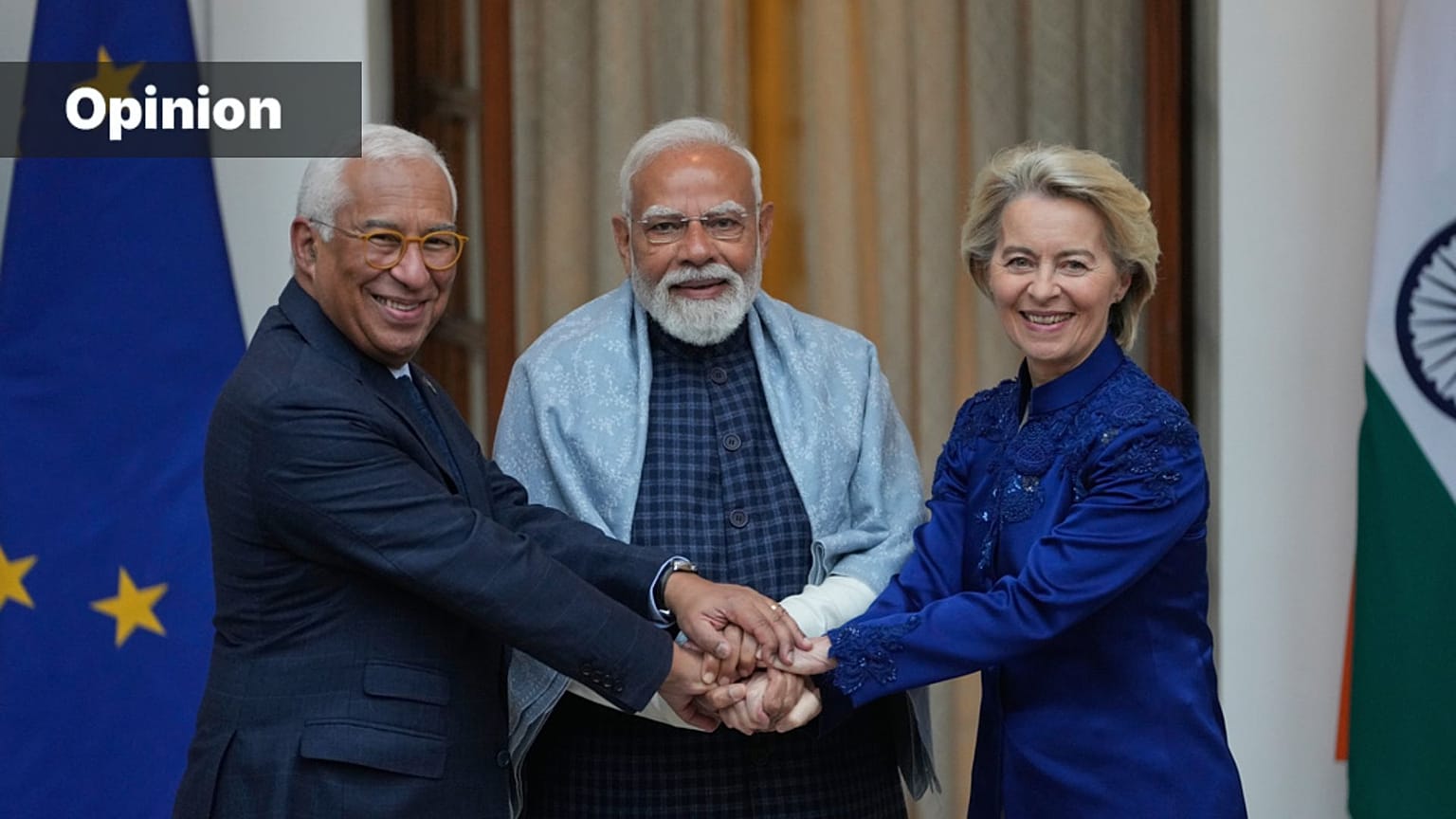
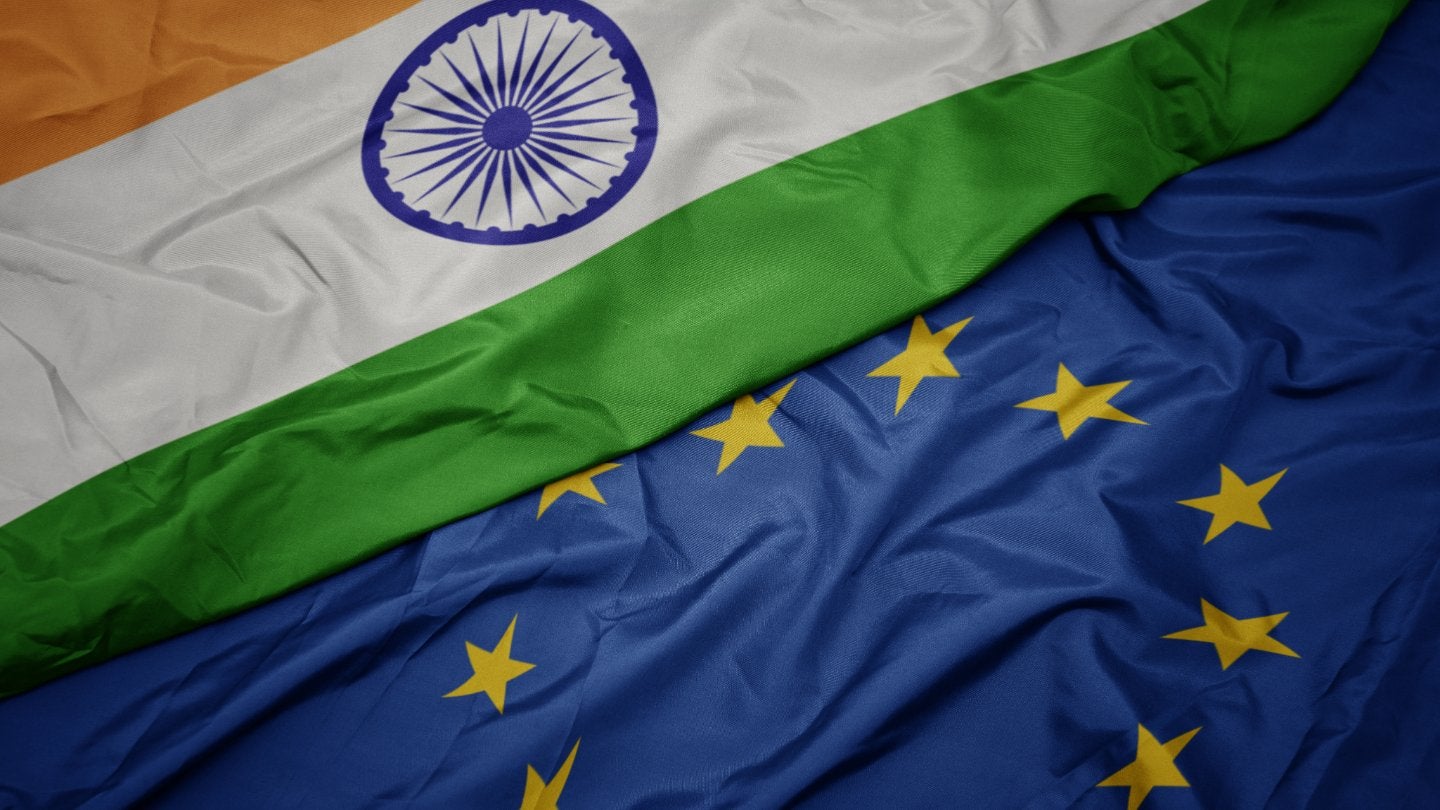
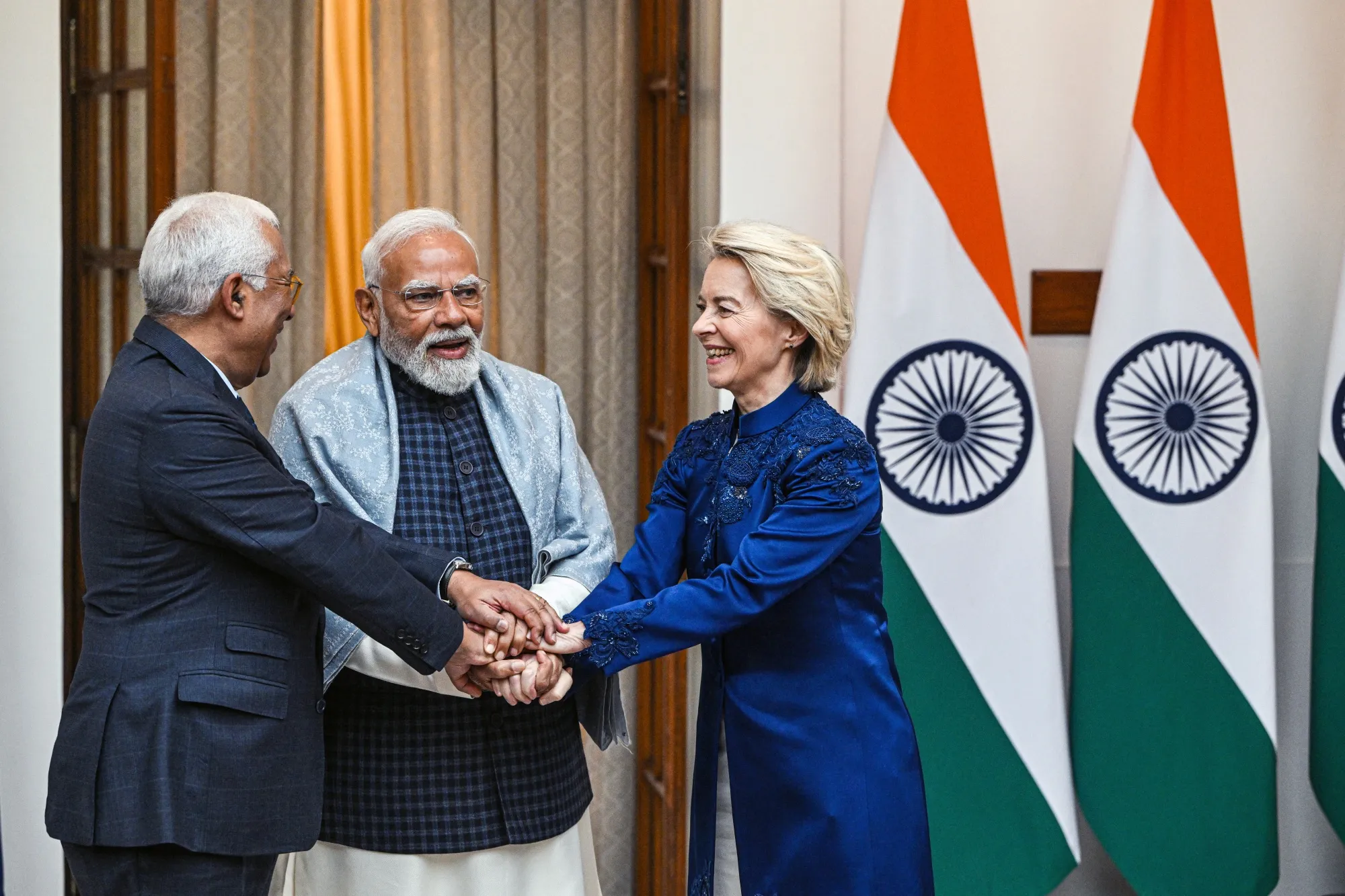
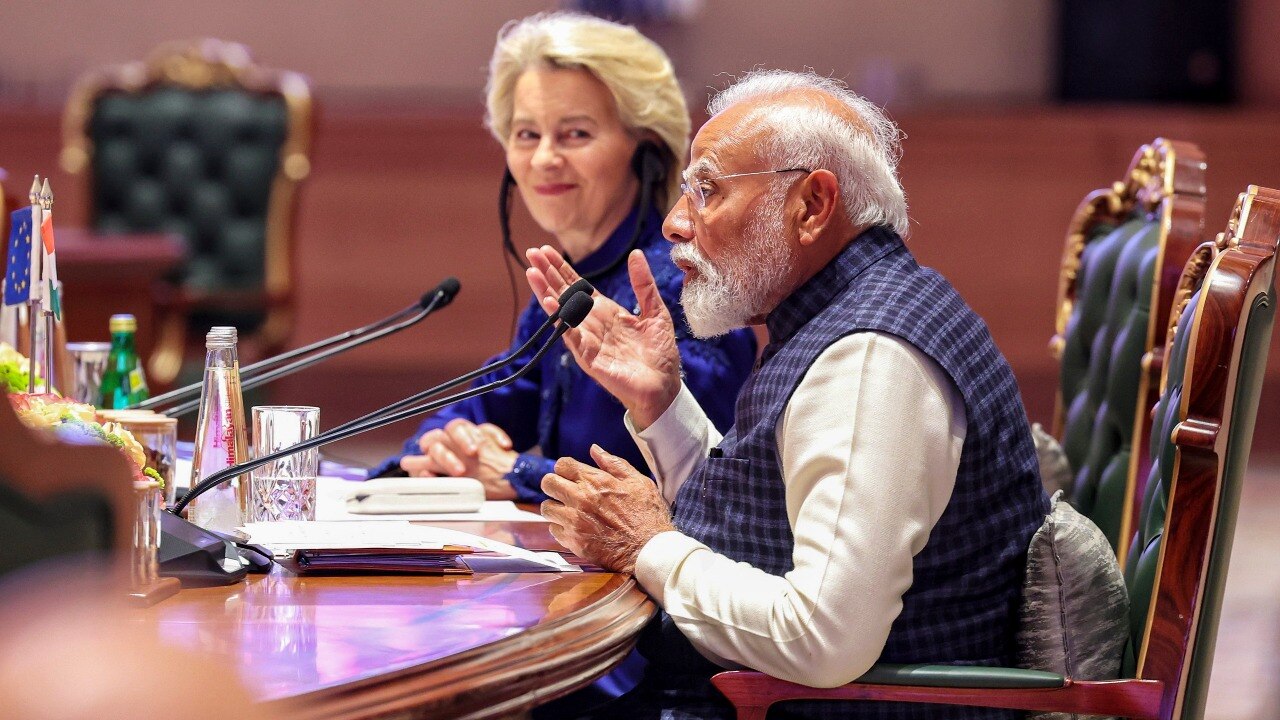
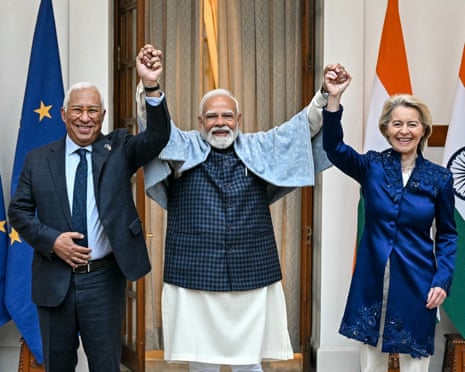
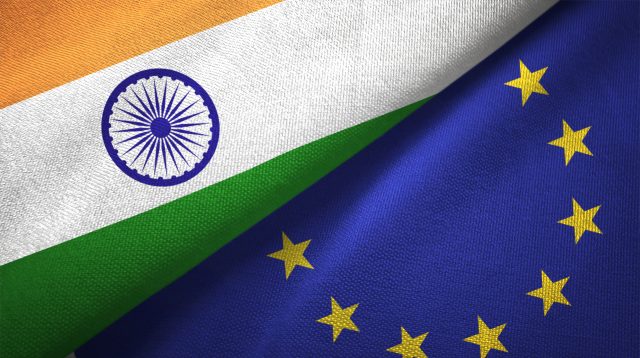
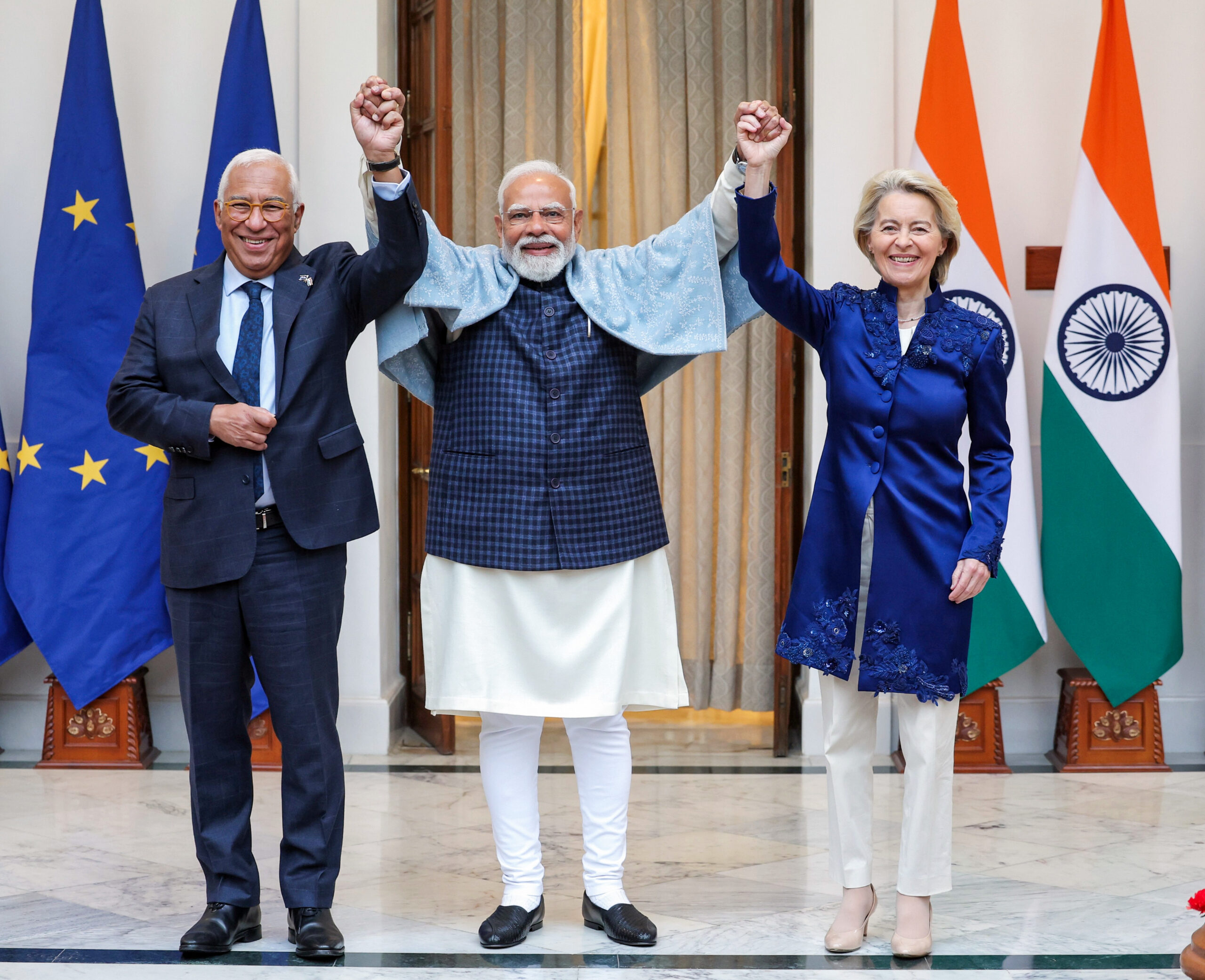
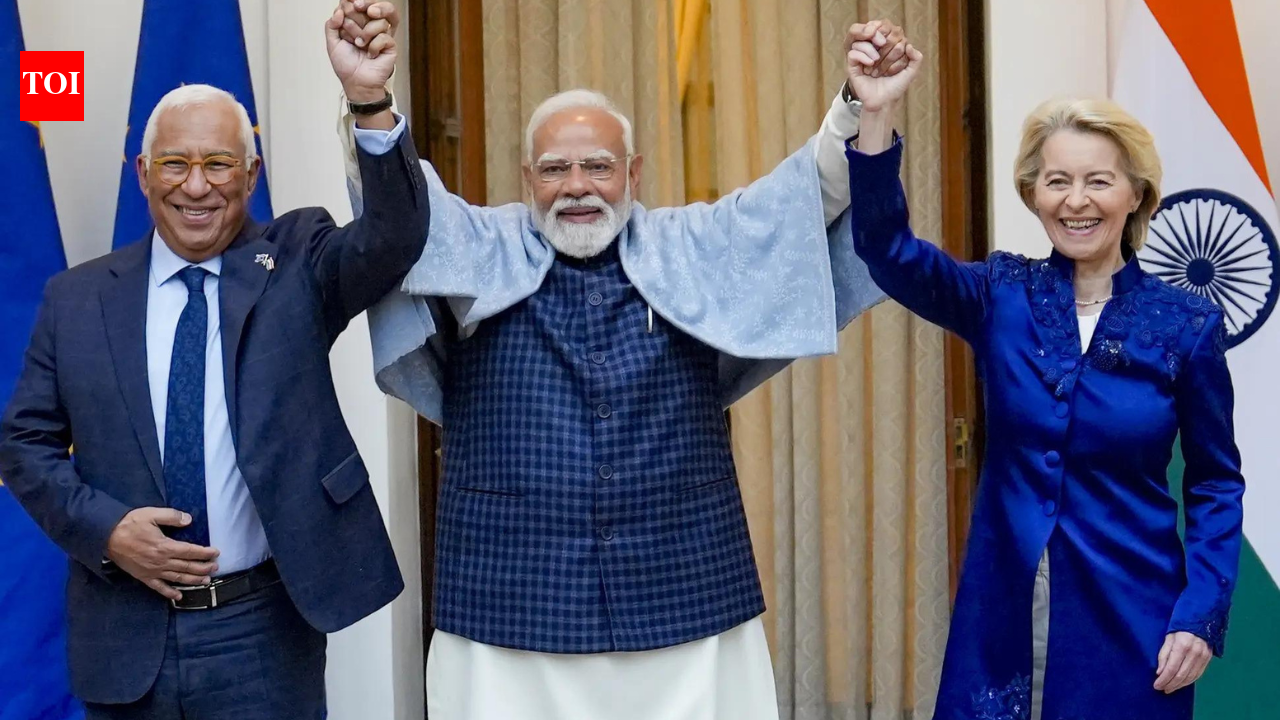
The January 28, 2026 EU-India Free Trade Agreement represents a watershed moment for cross-border e-commerce sellers, creating a direct tariff arbitrage opportunity in a 1.4+ billion-person market previously protected by India's protectionist barriers. This landmark agreement, signed after nearly 20 years of negotiations and accelerated by Trump administration tariff pressures (50% US tariffs on Indian goods plus 25% penalties on Russian oil purchases), fundamentally reshapes the competitive landscape for sellers sourcing from or selling to India and the EU.
For European sellers, the immediate opportunity is India's middle-class consumer segment now gaining access to cheaper European manufactured goods, automobiles, and wine. The agreement specifically targets manufacturing and services sectors with reduced tariffs, creating margin expansion opportunities for sellers in automotive accessories (HS codes 8704-8708), consumer electronics (HS 8471-8517), and specialty food/beverage categories. European sellers can expect tariff reductions of 15-35% on key product categories, translating to 8-15% gross margin improvements on India-destined inventory. The timing window is critical: early movers who establish India marketplace presence (Amazon.in, Flipkart) before Q2 2026 will capture first-mover advantage as tariff benefits phase in.
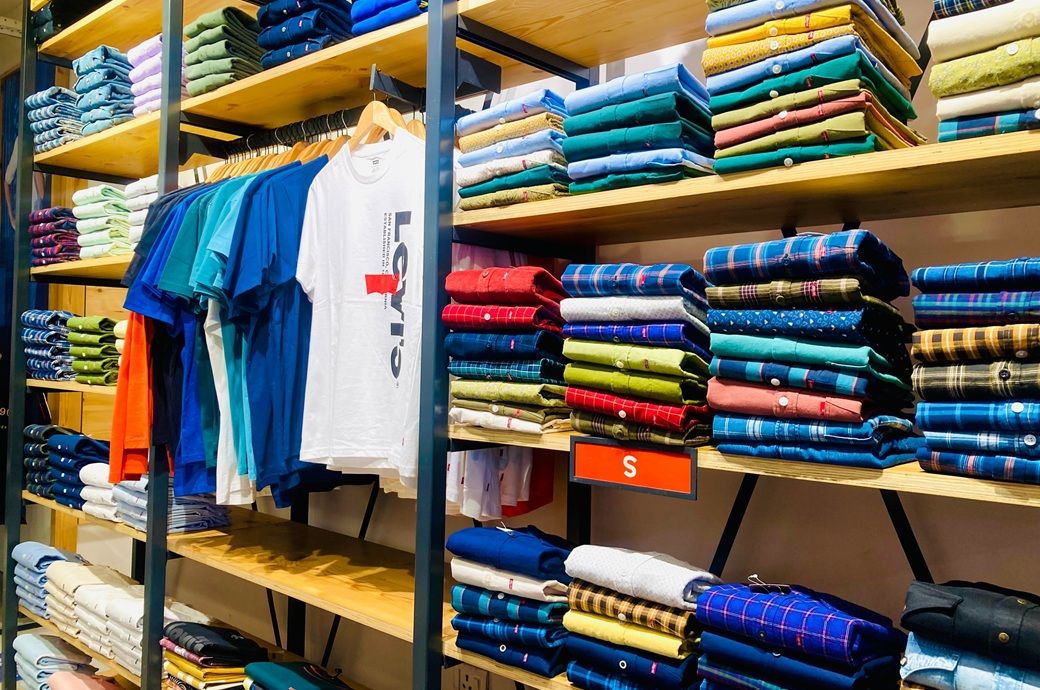
For Indian exporters, EU market access becomes dramatically more attractive, particularly in textiles (HS 61-62), pharmaceuticals (HS 30), and IT services. Indian sellers currently facing US tariff penalties can pivot supply chains toward EU distribution, reducing exposure to American trade volatility. The agreement signals geopolitical de-risking away from US economic dependence, mirroring earlier China supply chain diversification. This creates a secondary opportunity: sellers can now source Indian-manufactured goods at lower tariff costs for EU resale, bypassing traditional China-sourcing models.
The broader strategic implication is supply chain reconfiguration. The EU's strategic autonomy initiatives (evidenced by France's ban on US video-conferencing software) indicate a multi-year trend toward non-US sourcing. Sellers should anticipate increased demand for EU-India trade corridor logistics, customs brokerage, and compliance services. The 2-billion-consumer market represents approximately 25% of global GDP, making this the third-largest trading bloc after US-China and USMCA corridors.
問題 8
What is the timeline for implementing tariff reductions under the EU-India trade deal?
The agreement was signed January 28, 2026, with immediate implementation for most tariff reductions. However, sensitive product categories have phase-in periods extending through 2028, with gradual duty reductions occurring quarterly or semi-annually. Sellers should expect full tariff benefits on most manufactured goods by Q3 2026, while automotive and agricultural products may have extended timelines. The Indian Ministry of Commerce will publish detailed implementation schedules by February 2026. Sellers should monitor official notifications and adjust inventory planning accordingly. Early movers who establish marketplace presence before Q2 2026 will capture maximum first-mover advantage as tariff benefits phase in.
How does this trade deal create supply chain opportunities for cross-border sellers?
The EU-India agreement signals a broader geopolitical shift toward supply chain diversification away from US economic dependence and China manufacturing concentration. Sellers can now source Indian-manufactured goods at lower tariff costs for EU resale, creating a viable alternative to traditional China-sourcing models. The deal also creates demand for EU-India trade corridor logistics, customs brokerage, and compliance services. Sellers should consider establishing 3PL partnerships in India and EU hubs to capitalize on increased trade volume. The agreement reduces customs processing complexity and non-tariff barriers, making India-EU supply chains more efficient than previous models. This creates opportunities for sellers to build competitive advantages through optimized sourcing strategies.