




UK-China Tariff Reductions & Market Access | Cross-Border Seller Opportunities 2025
- British whisky tariff cuts signal broader trade concessions; UK exporters gain 8-15% margin improvements while sellers face intensified Chinese competition in Western markets
















概览
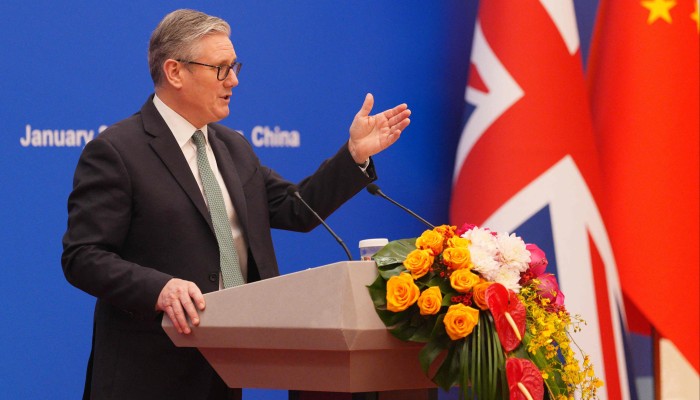
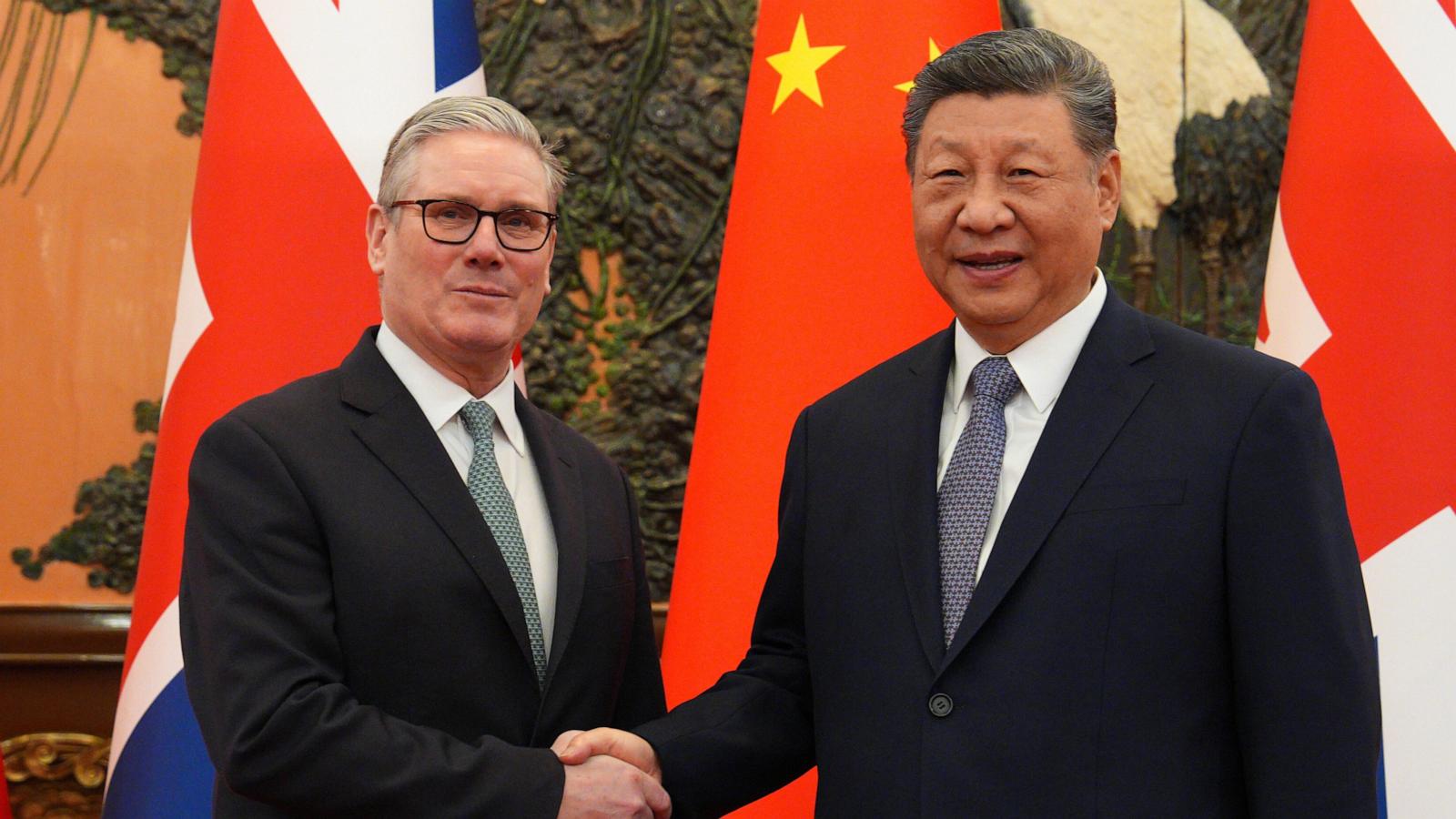
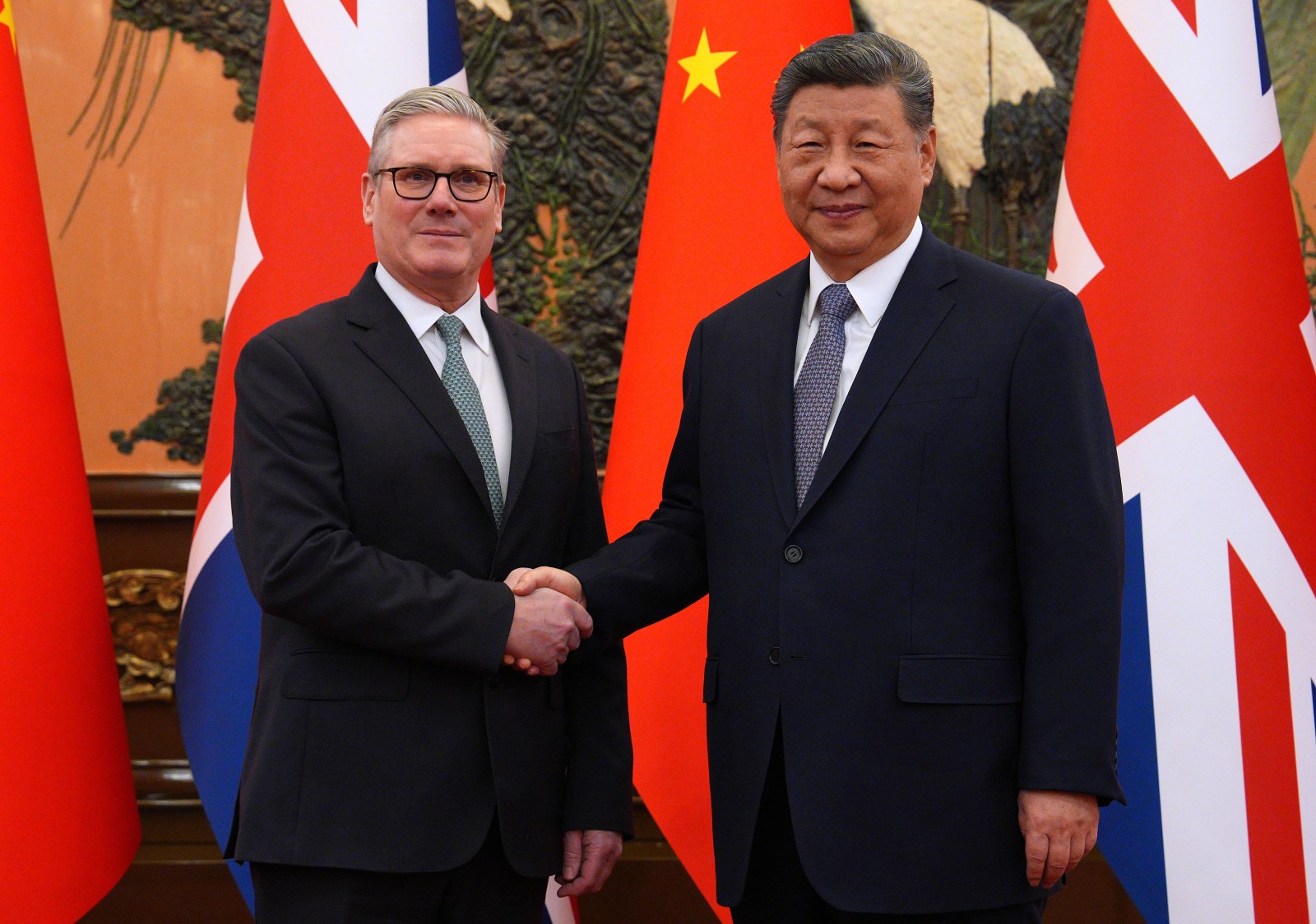
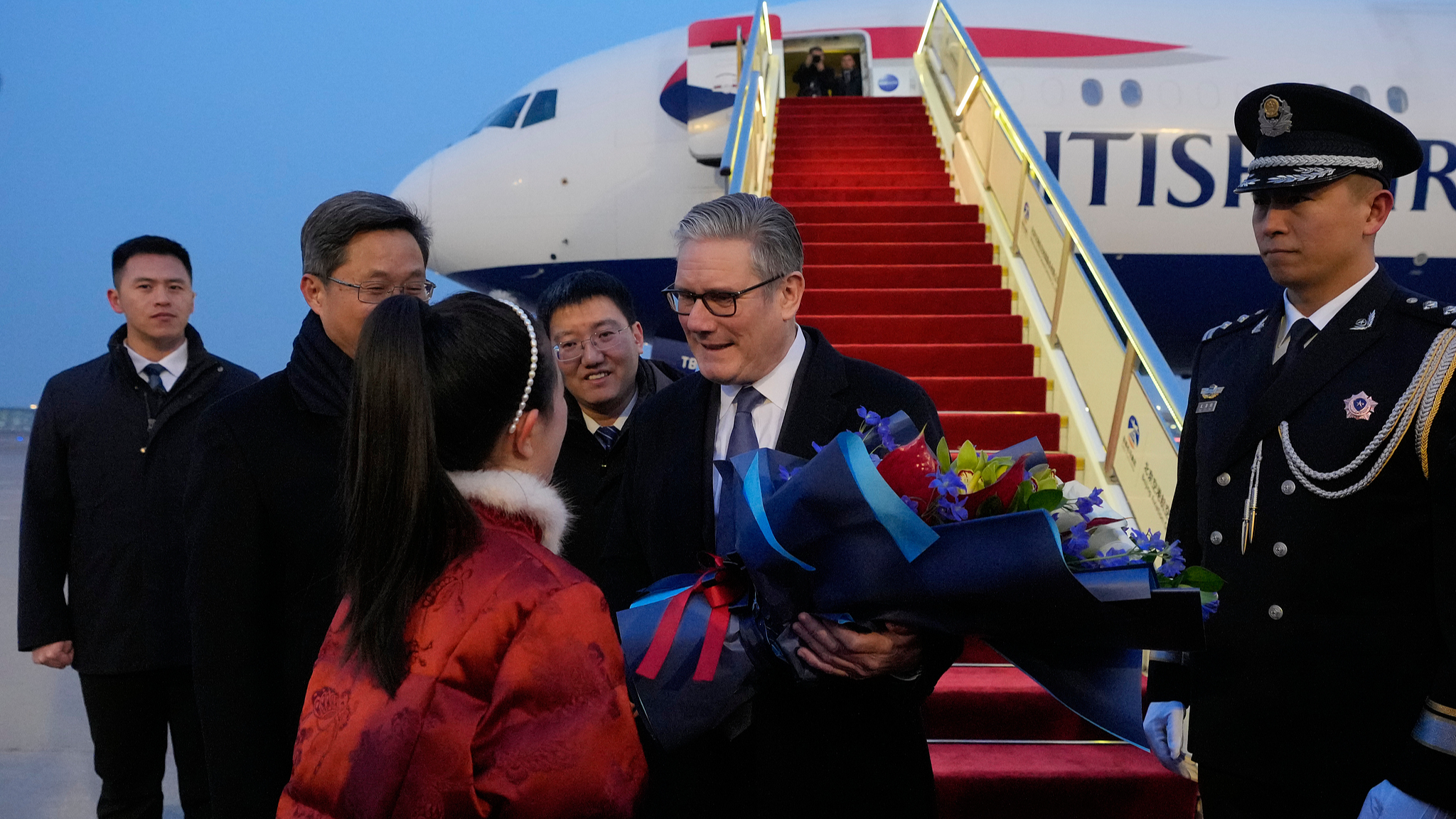
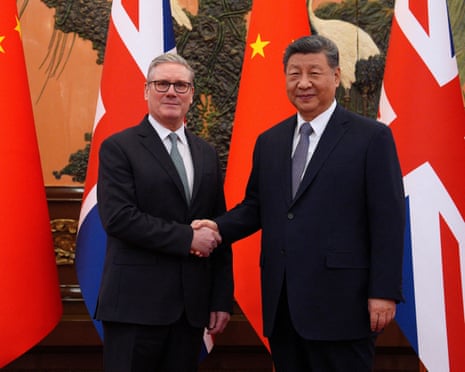
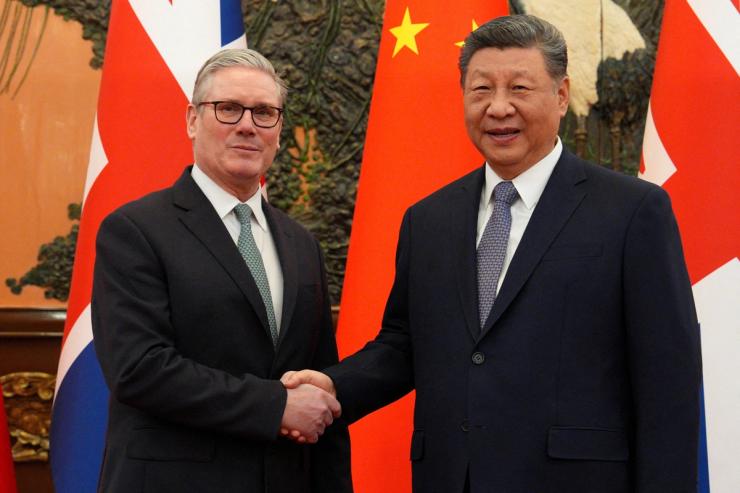
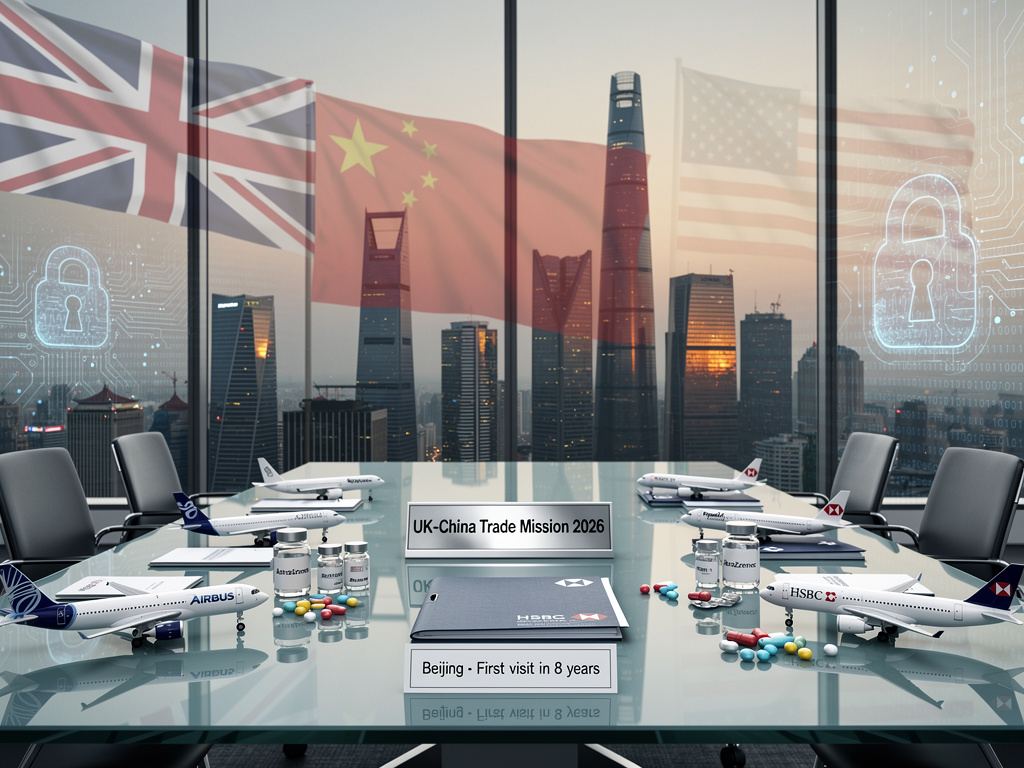
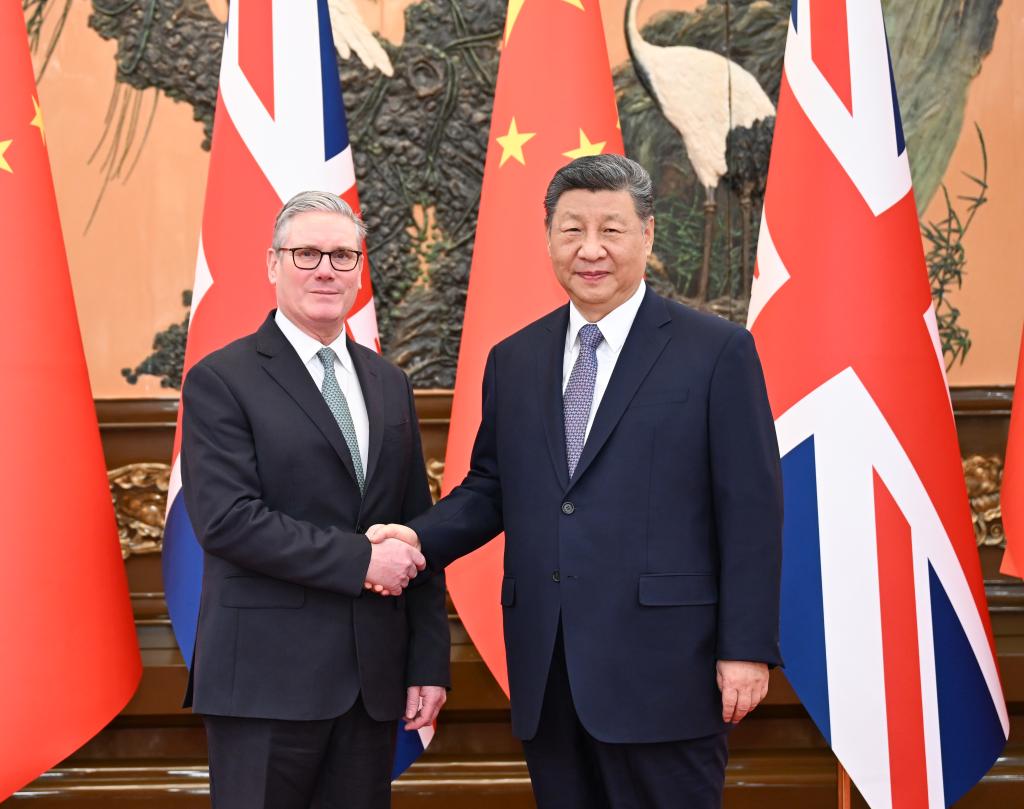
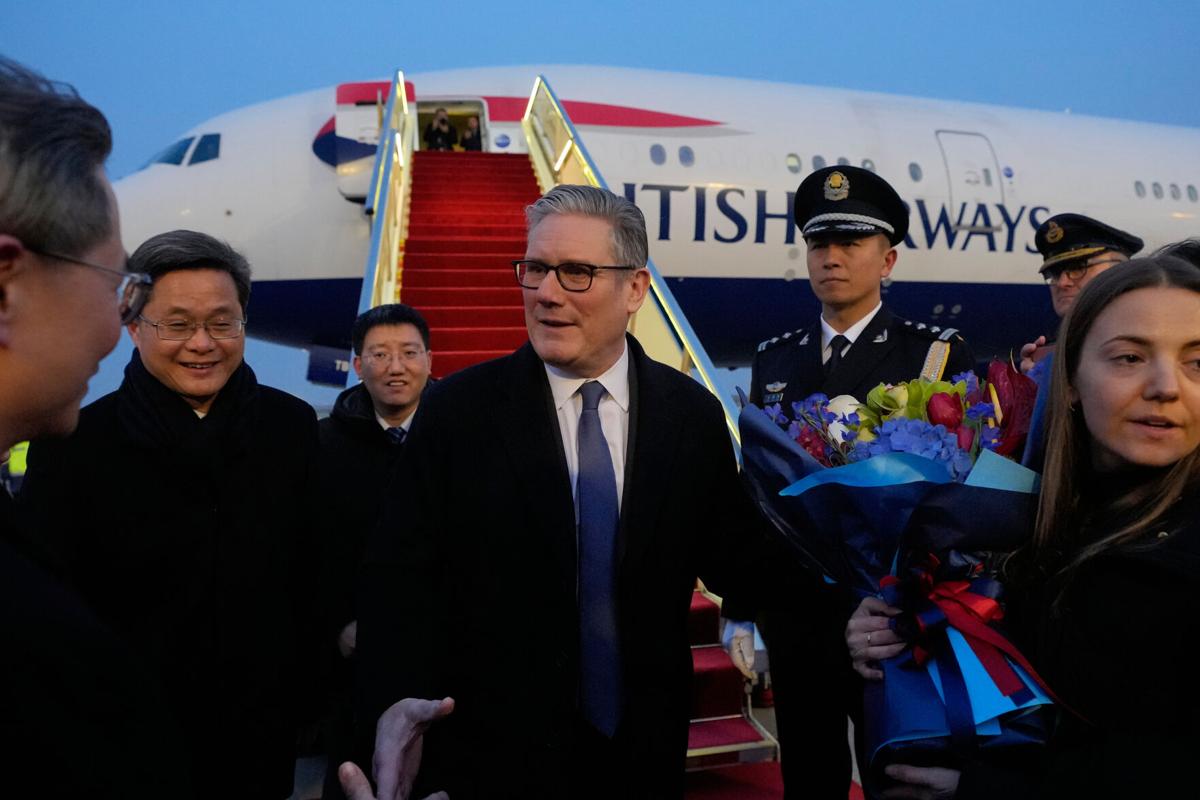
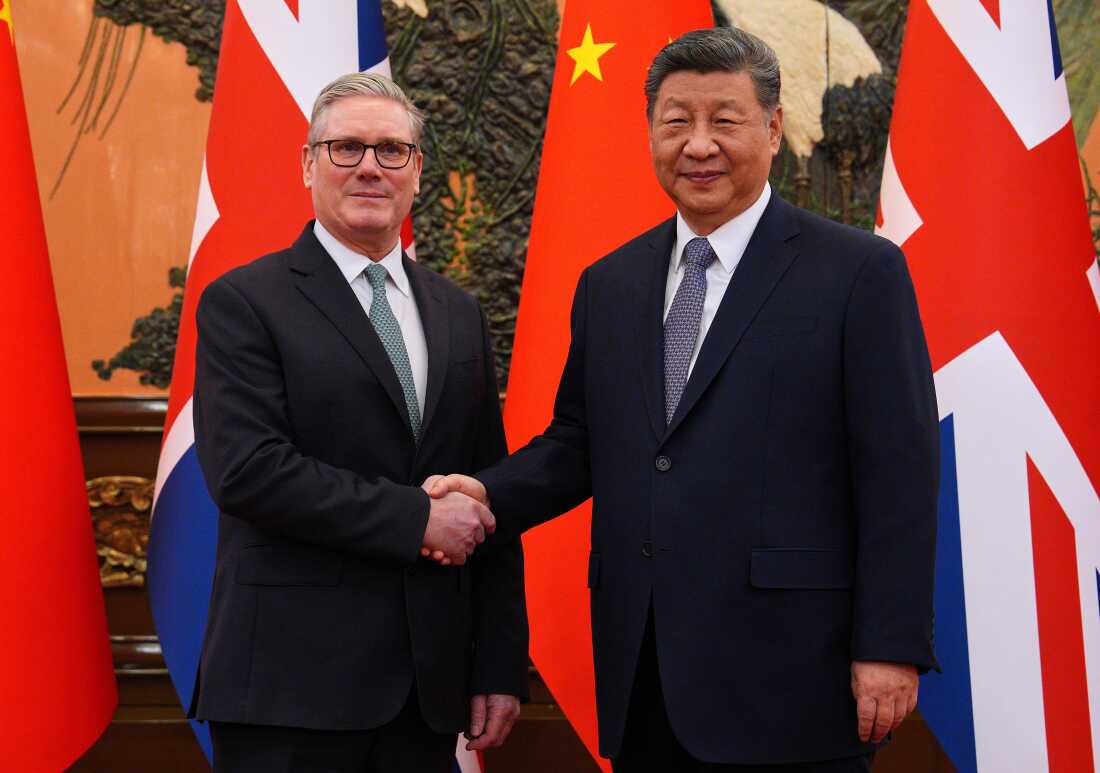
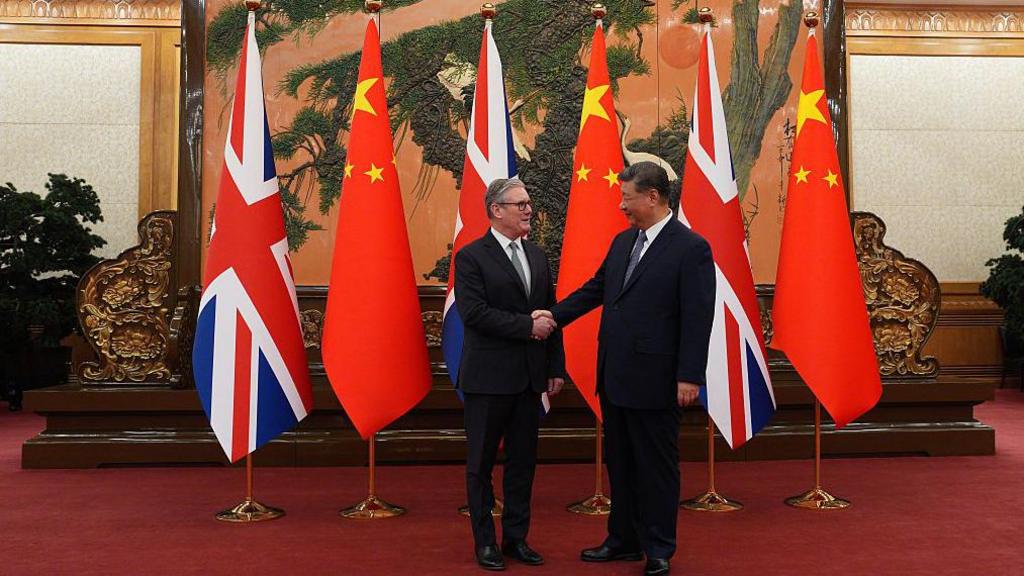
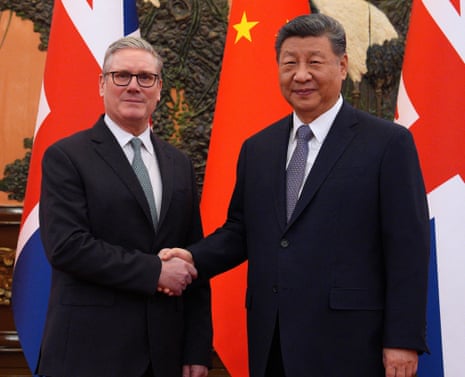
The UK's diplomatic pivot toward China, marked by Prime Minister Keir Starmer's first visit in eight years, represents a critical inflection point for cross-border e-commerce sellers navigating Trump-era trade volatility. Starmer's delegation of nearly 60 businesses—including HSBC, GSK, and Jaguar Land Rover—secured tangible trade concessions: reduced Chinese tariffs on British whisky, visa-free travel arrangements, and a framework for comprehensive strategic partnership. This diplomatic warming follows similar high-level visits from Canadian and French leaders in January and December 2024, signaling a coordinated Western realignment toward Beijing as US trade policies become increasingly unpredictable.
For UK-based sellers, the immediate opportunity lies in tariff arbitrage on premium goods entering China. Whisky tariff reductions typically translate to 8-15% margin improvements for exporters, with similar concessions likely extending to luxury goods, pharmaceuticals (GSK's participation signals this), and automotive components (Jaguar Land Rover's involvement). Sellers should monitor the UK-China Free Trade Agreement negotiations, as diplomatic warming historically precedes formal tariff schedules within 6-12 months. The visa-free travel arrangement also reduces friction for UK business representatives managing supply chains and quality control in China—a competitive advantage for mid-market sellers who can afford on-site operations.
Conversely, the geopolitical shift intensifies competitive pressure in Western markets. China's record $1.2 trillion global trade surplus reflects aggressive export positioning, particularly in electronics, textiles, and consumer goods categories. As Western allies reduce trade barriers with China, Chinese sellers gain easier market access to UK, EU, and Commonwealth markets, directly competing with Western-based cross-border sellers. The approval of China's mega-embassy near London's financial district raises data security considerations for digital commerce operations—sellers handling customer data must evaluate compliance with UK data protection standards and potential intelligence-gathering risks.
Strategic sourcing dynamics are shifting. Sellers currently sourcing from Vietnam, India, or other alternatives to avoid China tariffs may find the competitive advantage eroding as UK-China tariffs normalize. However, the timing window before formal trade agreements take effect (typically 6-18 months) creates opportunities for sellers to lock in current tariff rates through advance purchasing or long-term supplier contracts. The broader pattern of Western allies visiting Beijing suggests a multi-year realignment away from Trump-era protectionism, making China-based sourcing increasingly viable for sellers targeting Western markets.
問題 8
What competitive threats do Western sellers face from China's $1.2 trillion trade surplus?
China's record trade surplus indicates aggressive export positioning that will intensify competition in Western markets as diplomatic barriers lower. The news emphasizes that China maintains a $1.2 trillion global trade surplus while Western allies reduce trade restrictions, creating a two-front challenge: Chinese sellers gain easier UK/EU market access while undercutting Western competitors on price. Sellers in electronics, textiles, and consumer goods face the highest pressure, as Chinese manufacturers can now reach Western consumers with fewer tariff obstacles. Consider diversifying into niche categories with higher barriers to entry (specialized B2B products, customized goods) where Chinese mass-production advantages are less decisive.
Should sellers shift sourcing from China to Vietnam or India given the UK-China warming?
The timing window for sourcing strategy shifts is narrowing but still viable through mid-2025. While UK-China tariff reductions make China-based sourcing more competitive, the formal trade agreement implementation typically takes 6-18 months, creating a brief window where alternative sourcing (Vietnam, India) may still offer tariff advantages. However, the broader pattern—Canadian and French leaders also visiting Beijing in January and December 2024—suggests a multi-year Western realignment toward China, making long-term China sourcing increasingly viable. Sellers should evaluate their specific product categories: if tariff-sensitive (electronics, apparel), consider locking in Vietnam/India sourcing through 2026 contracts; if tariff-insensitive (luxury goods, specialized items), China sourcing becomes attractive again as diplomatic barriers dissolve.