


Eastern Europe Market Collapse Reshapes Cross-Border Seller Strategy | 2026 Risk Assessment
- Ukraine's -35% economic decline and 10.6M displaced population eliminate 2 major e-commerce markets; sellers must pivot supply chains and customer bases away from Russia-Ukraine region by Q2 2026









概览
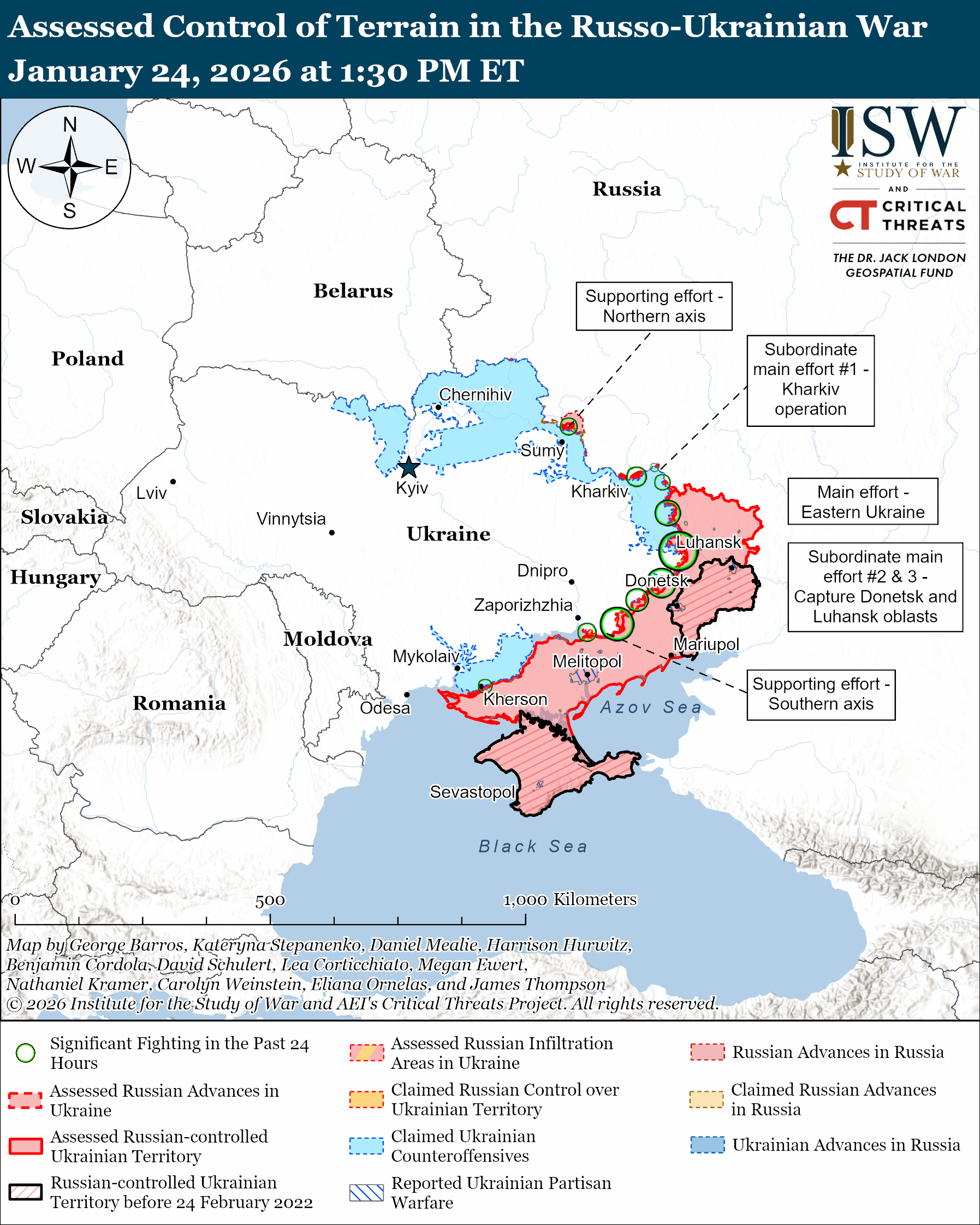
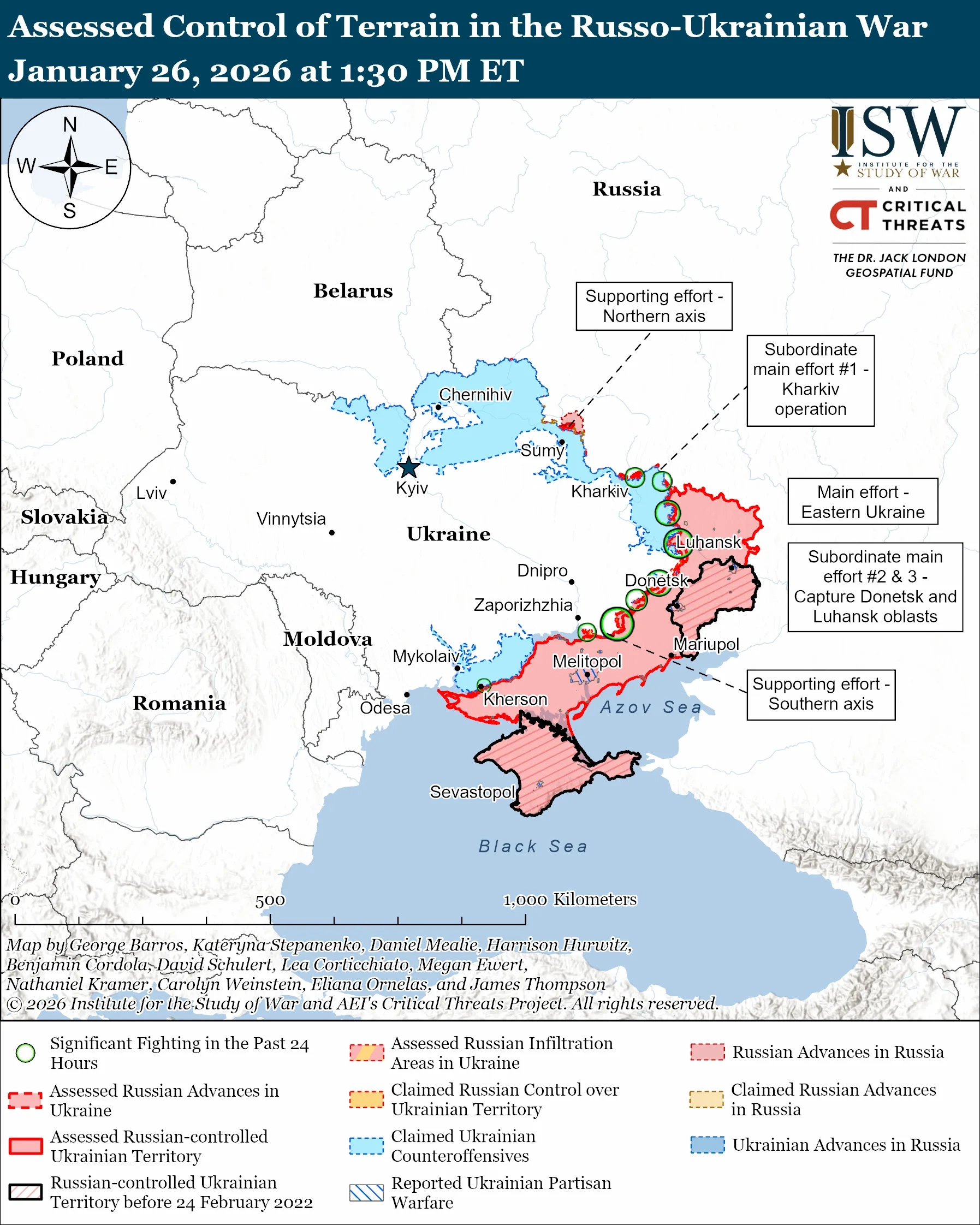
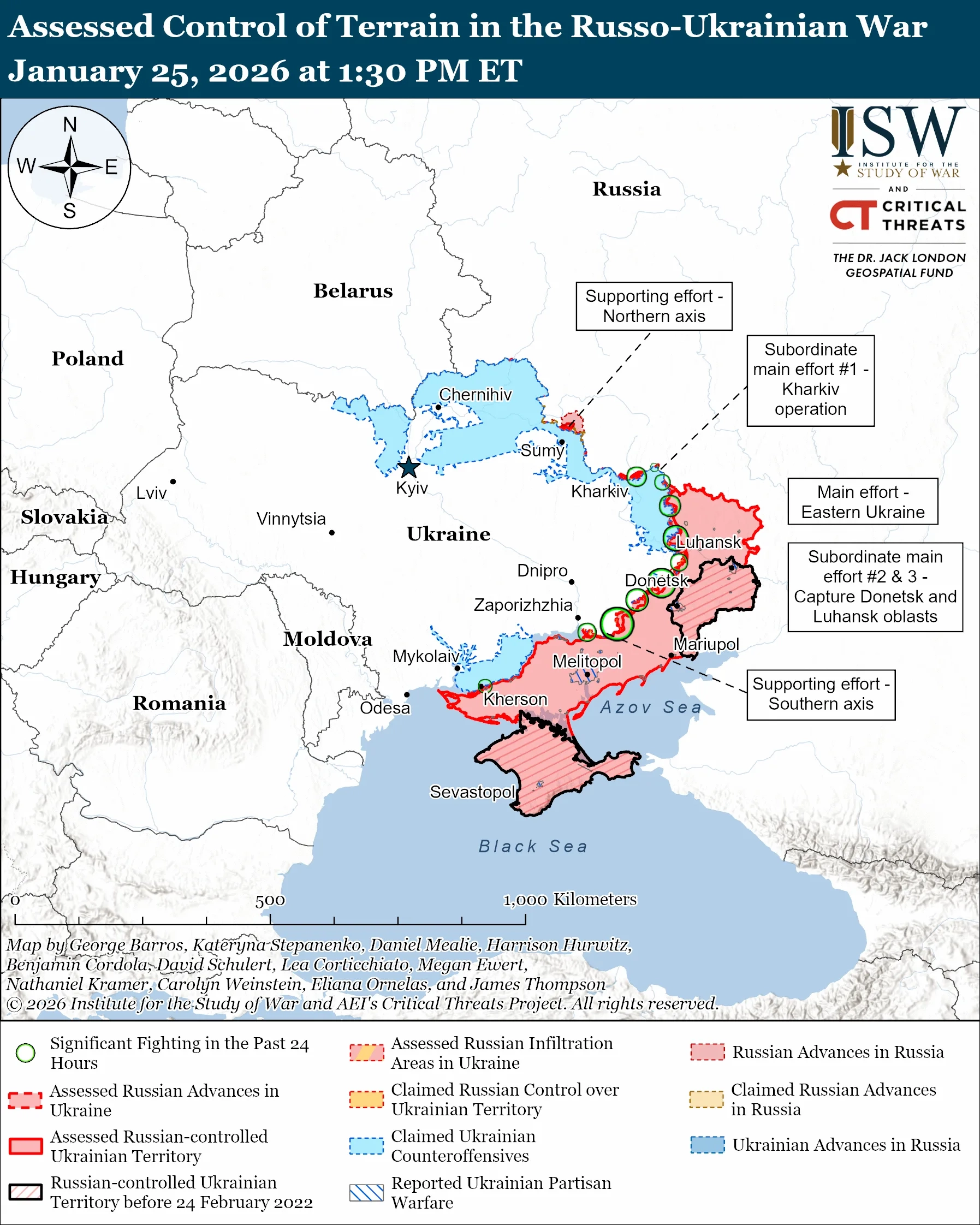
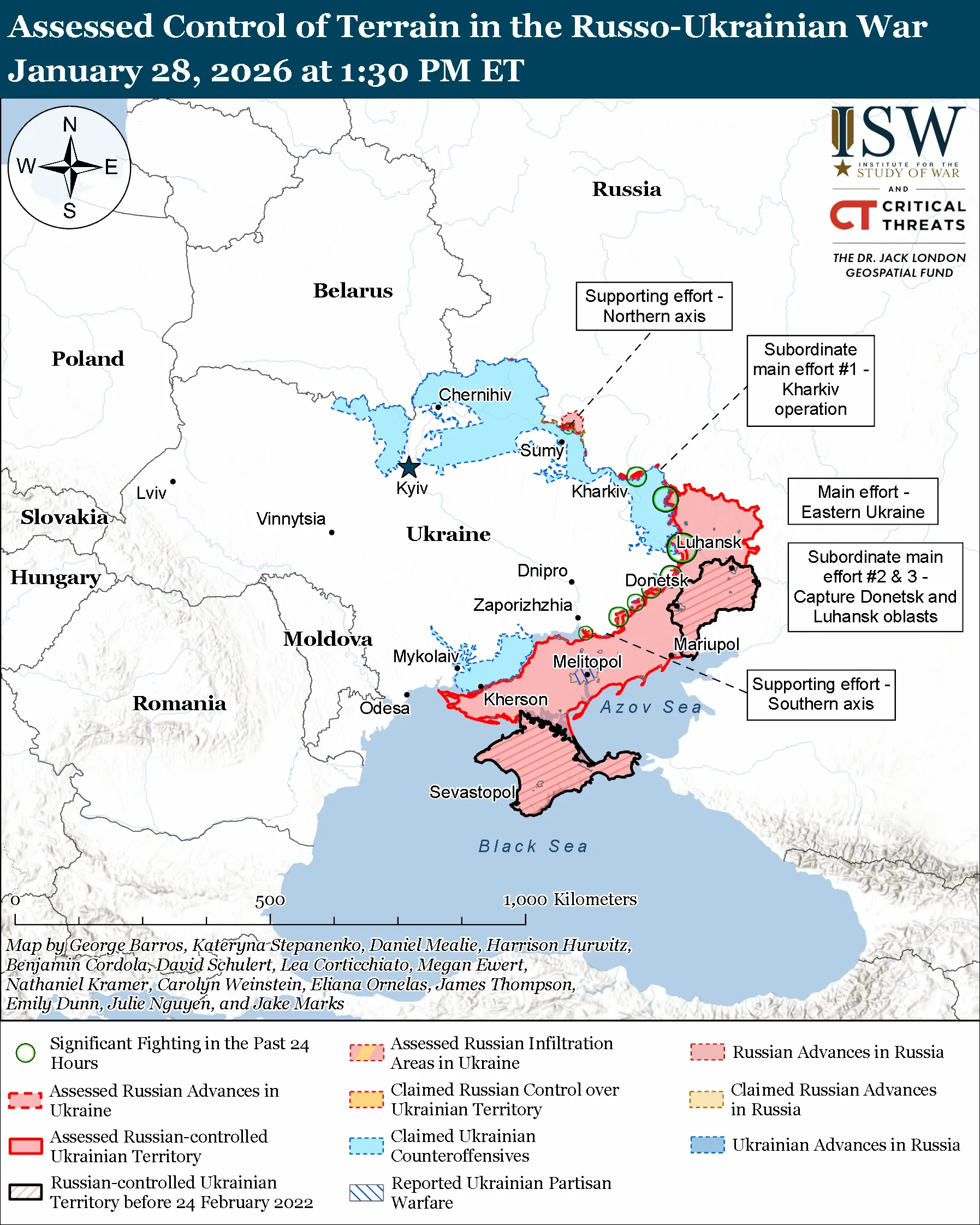
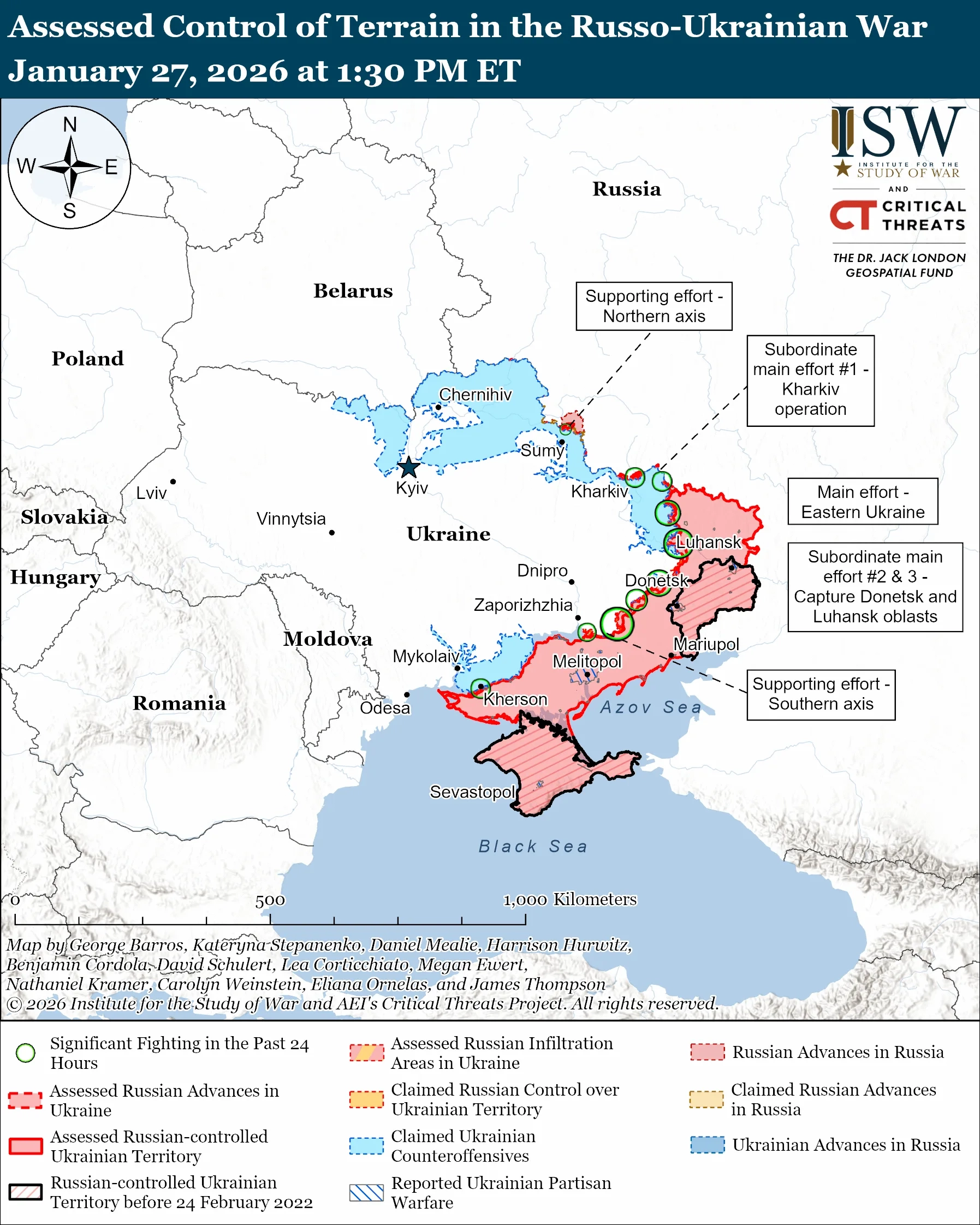
The Russia-Ukraine conflict has fundamentally restructured Eastern European e-commerce markets, creating both existential risks and strategic opportunities for cross-border sellers. According to January 2026 assessments, Ukraine's cumulative economic decline reached -35% since 2022, with 10.6 million displaced civilians representing a catastrophic collapse in consumer purchasing power. Simultaneously, Russia's 0.9% GDP growth in 2025 with a 2.6% budget deficit signals economic stagnation despite military spending, while 1.2 million total Russian casualties (325,000 killed) indicate severe labor market disruption affecting manufacturing and logistics capacity.
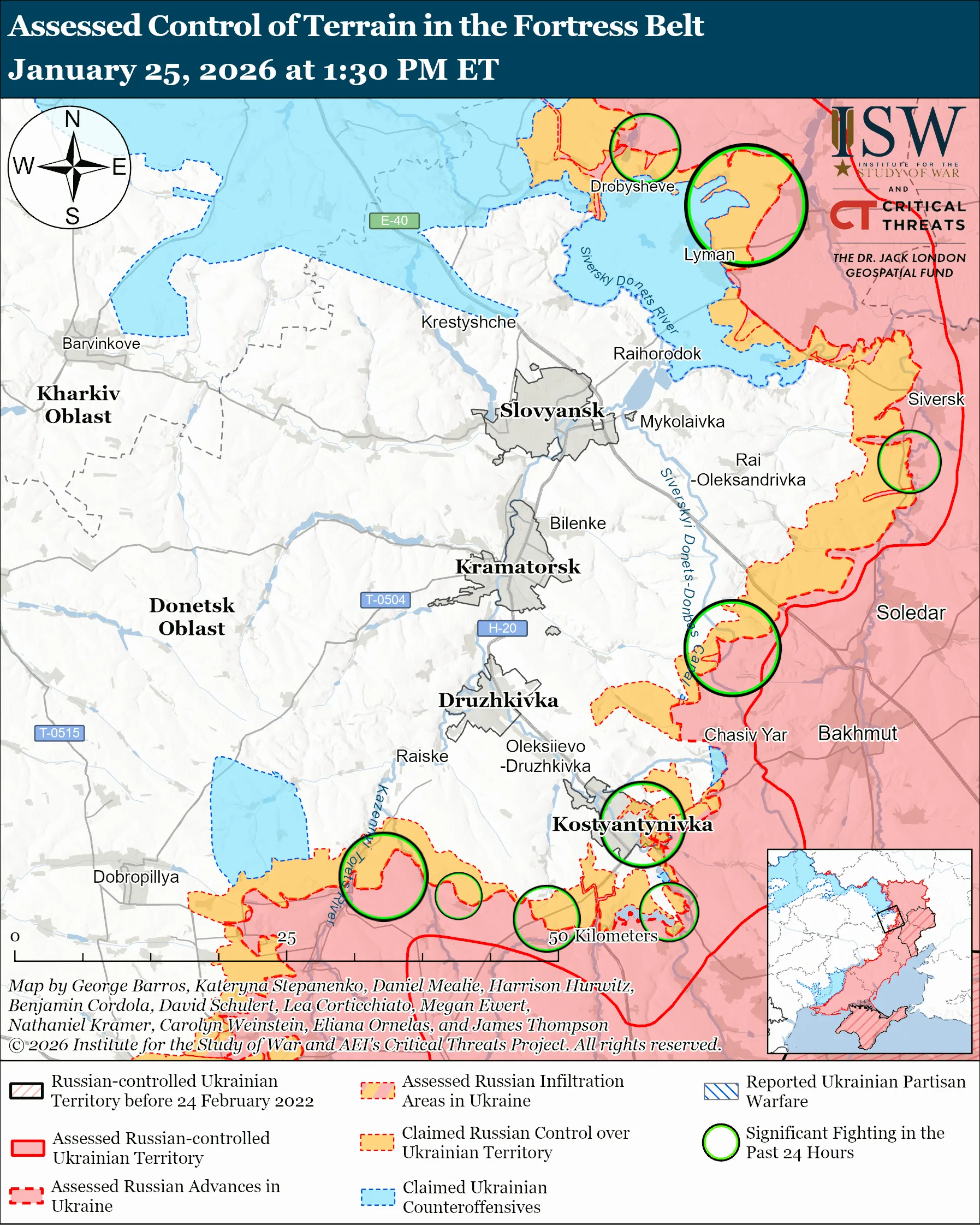
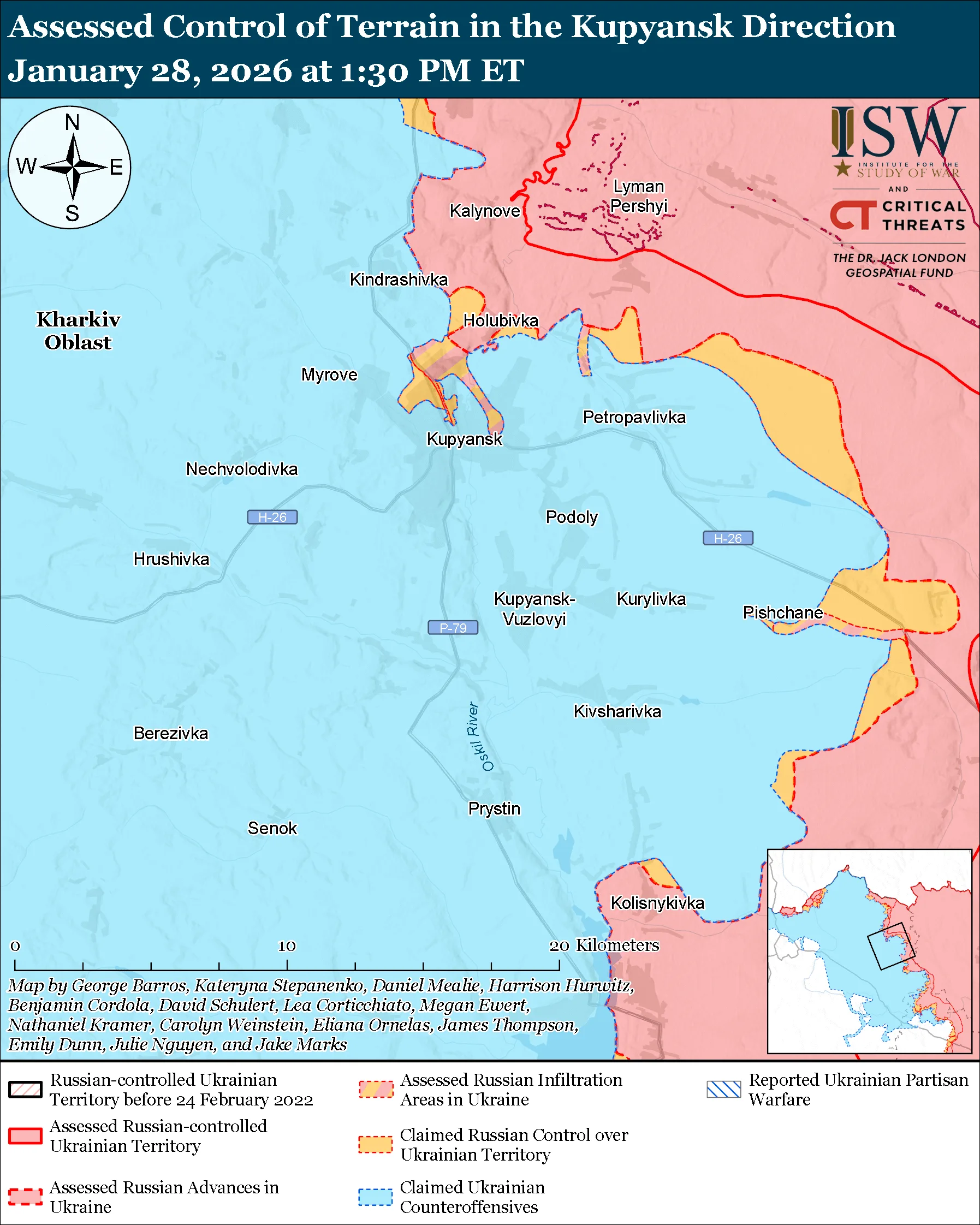
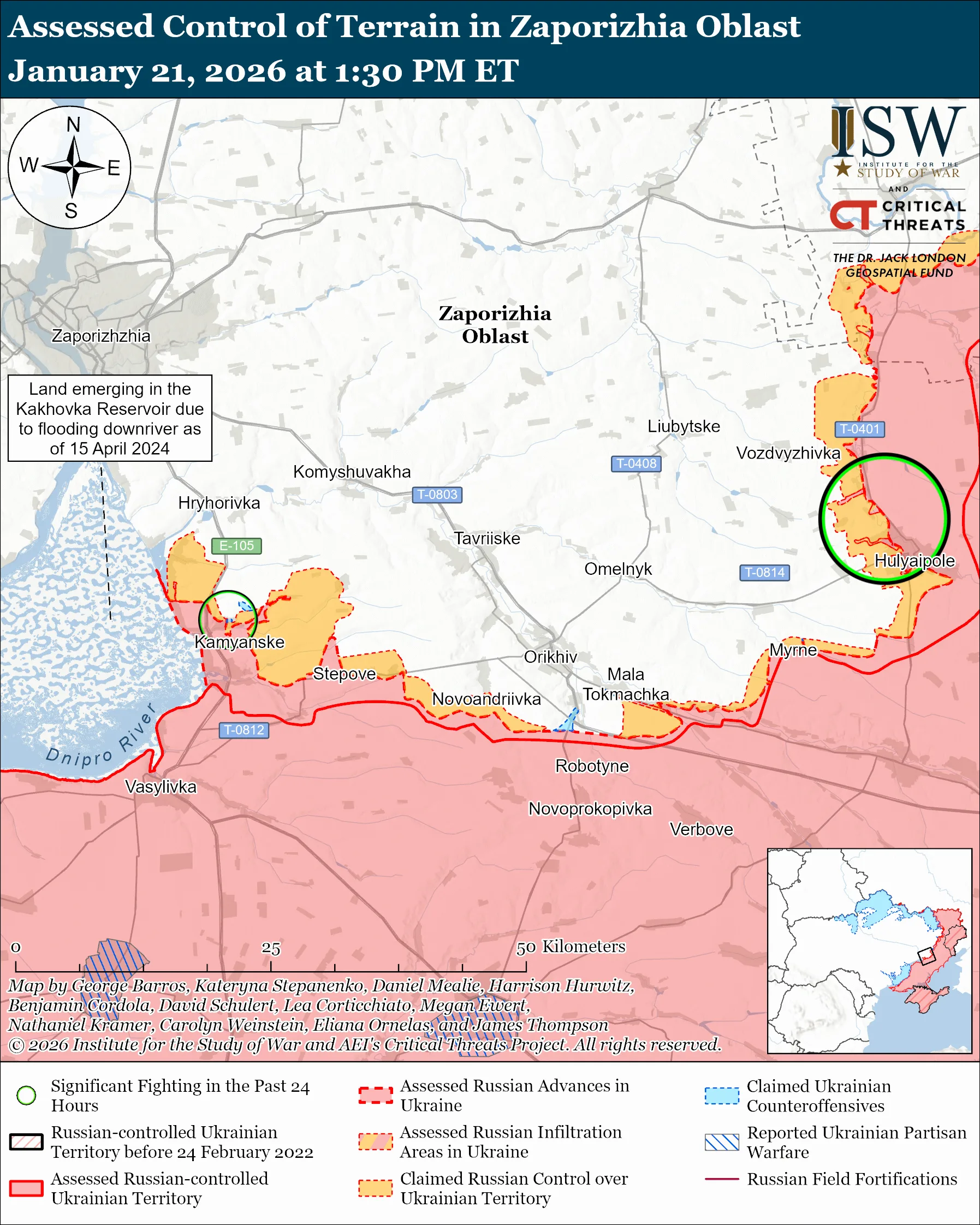
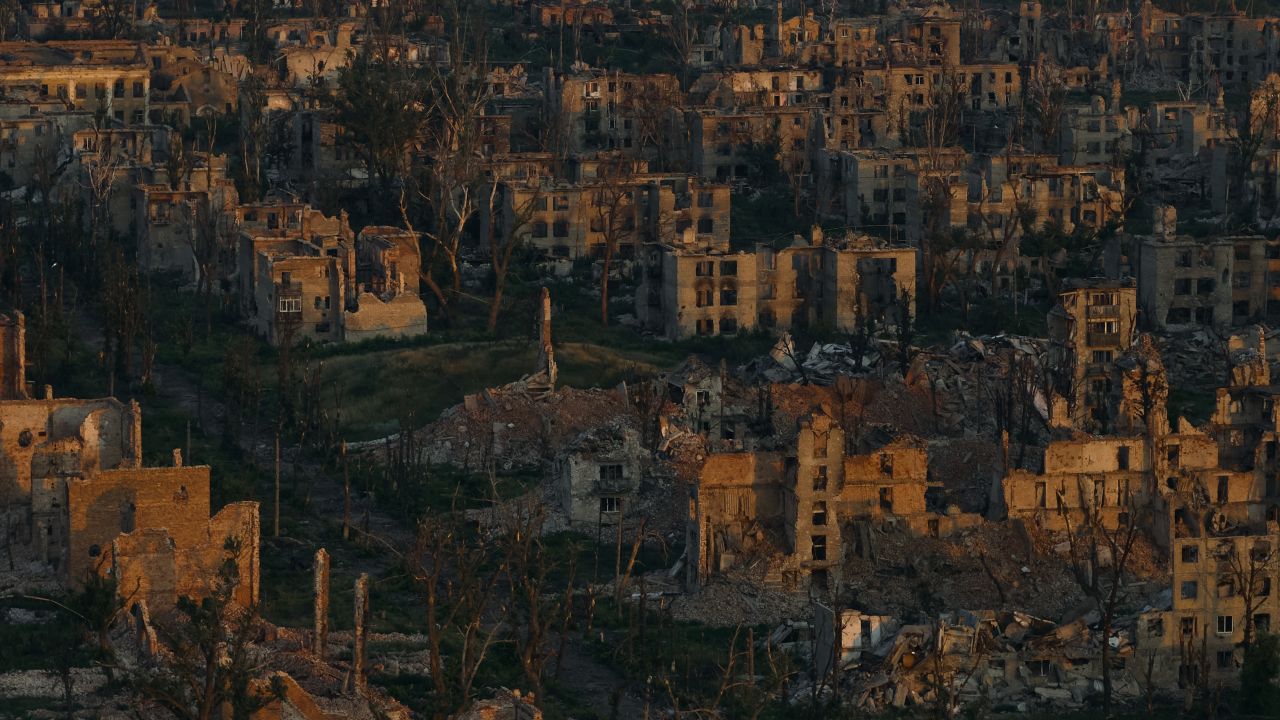
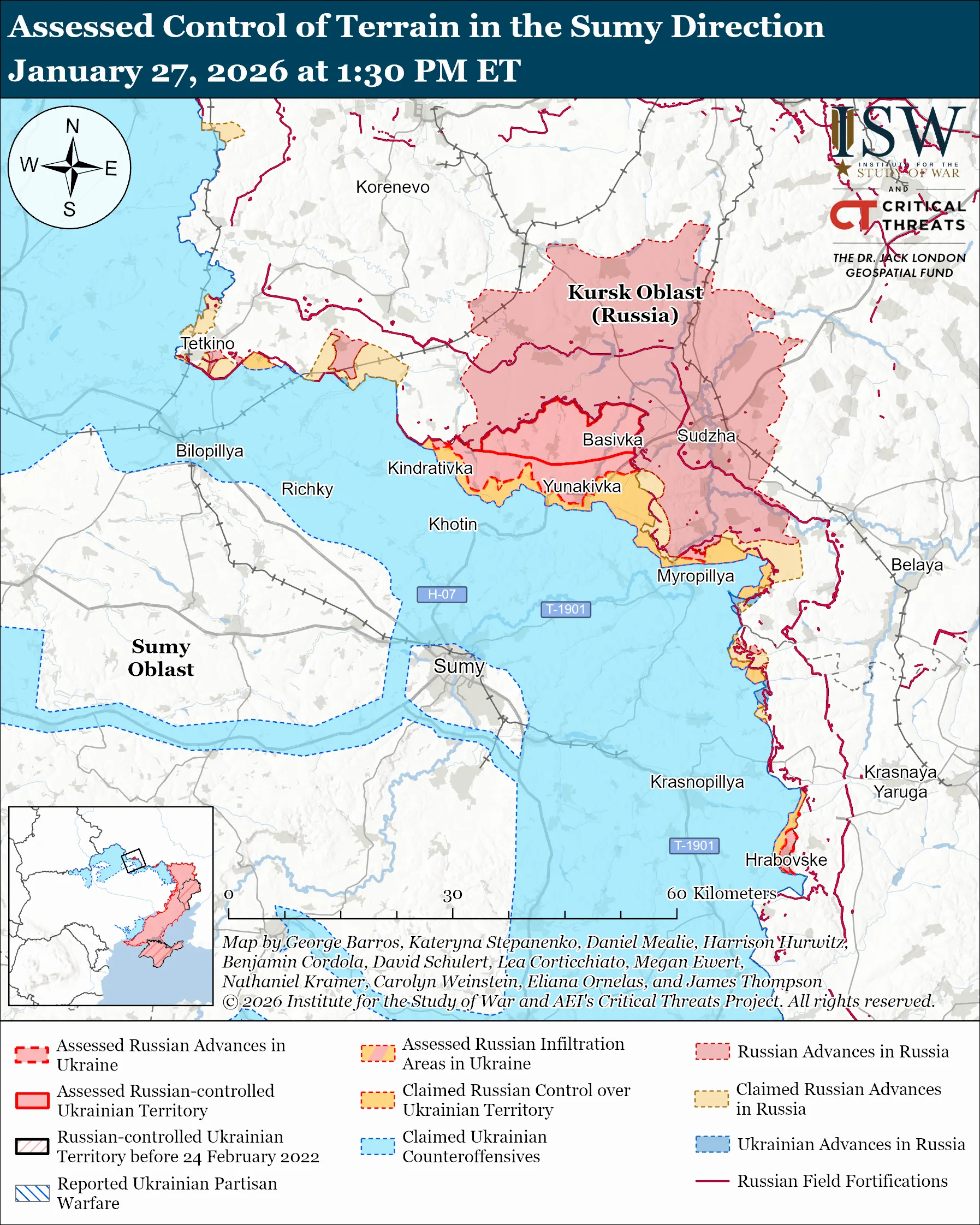
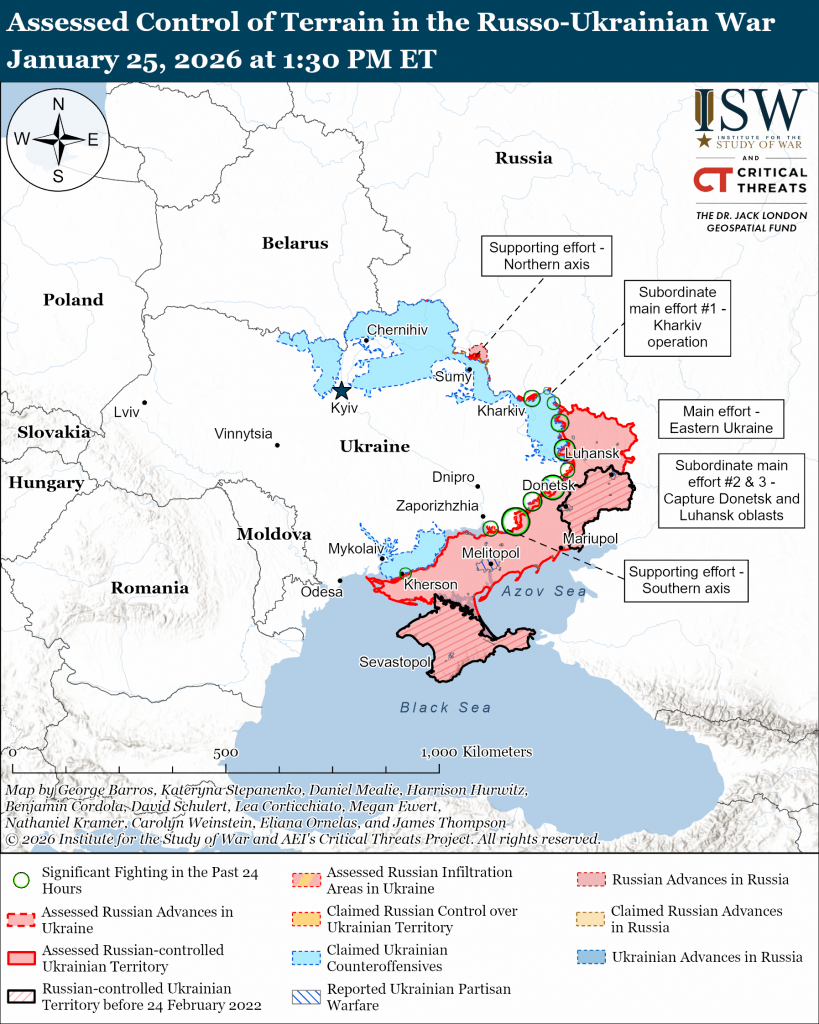
For cross-border sellers, this creates three critical operational challenges: First, the elimination of Ukraine as a viable e-commerce market—previously a $2-3B annual marketplace for consumer goods—forces sellers to reallocate inventory, marketing budgets, and fulfillment resources. Sellers with existing Ukrainian customer bases face payment processing failures (hryvnia currency devaluation), logistics network collapse (damaged infrastructure in 613+ Kyiv residential blocks), and regulatory uncertainty as the country remains in active conflict. Second, Russia's economic isolation and supply chain disruption affects sellers sourcing components from Russian manufacturers or relying on Russian logistics hubs. The military-industrial supply chain prioritization (documented in ISW assessments of Chinese military supply chains to Russia) diverts commercial manufacturing capacity, creating component shortages and 20-40% price increases for electronics, machinery, and industrial goods sourced from the region. Third, peace negotiations remain uncertain—while talks occurred in Abu Dhabi involving Russia, Ukraine, and the United States, military analyst Michael Clarke notes that meaningful negotiations require Russian military setbacks. Current Russian territorial gains of only 0.8% in 2025 (compared to 0.6% in 2024) suggest prolonged conflict, extending market closure timelines beyond 2026.
Strategic implications for seller segments: Small sellers (under $500K annual revenue) with 5-15% of inventory allocated to Eastern European markets face immediate margin compression of 8-12% as they reallocate stock to higher-performing regions (US, EU, Asia Pacific). Mid-market sellers ($500K-$5M) operating 3PL fulfillment centers in Poland, Czech Republic, or Hungary must recalculate logistics costs—the European Commission's €125M humanitarian aid allocation and €6.9M for Moldovan refugee support signal prolonged regional instability affecting neighboring countries' supply chains. Large sellers ($5M+) with manufacturing partnerships in Russia or Ukraine face 6-18 month supply chain reconstruction timelines, requiring alternative sourcing from Vietnam, India, or Mexico. Energy infrastructure damage (critical heating failures in Kyiv, diversified gas supply channels under attack) creates logistics bottlenecks for temperature-sensitive products (electronics, pharmaceuticals, cosmetics), increasing shipping costs 15-25% for affected categories.
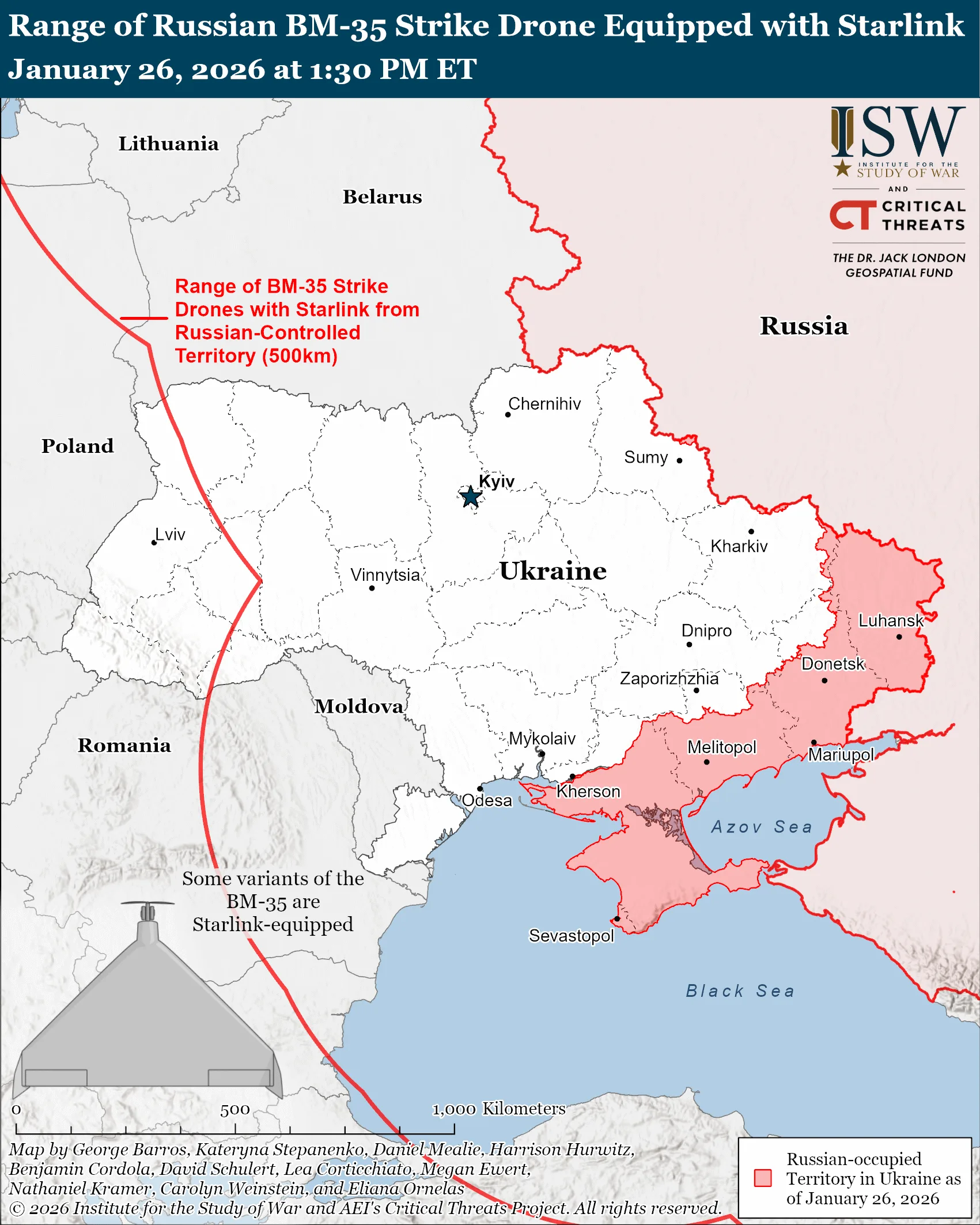
Positive opportunities emerge for sellers pivoting strategically: The €125M EU humanitarian aid commitment signals European Commission investment in Ukrainian reconstruction, creating future demand for building materials, industrial equipment, and consumer goods (estimated $5-8B reconstruction market by 2027-2028). Sellers can position inventory in adjacent markets—Polish, Czech, and Hungarian marketplaces experience 12-18% growth as displaced Ukrainians relocate and establish new purchasing patterns. SpaceX-Ukraine defense collaboration (addressing Starlink drone usage) indicates technology infrastructure investment, creating opportunities for cybersecurity products, connectivity solutions, and remote work equipment. Sellers offering products supporting refugee populations (portable power supplies, water purification, emergency kits, winter clothing) can access EU procurement channels and NGO bulk purchasing.
問題 8
How does Ukraine's -35% economic decline affect cross-border sellers?
Ukraine's cumulative economic decline since 2022 has eliminated it as a viable e-commerce market, with 10.6 million displaced civilians representing a 40-50% reduction in consumer purchasing power. Sellers with existing Ukrainian customer bases face payment processing failures due to hryvnia currency devaluation, logistics network collapse from infrastructure damage (613+ Kyiv residential blocks without heating), and regulatory uncertainty. Sellers should immediately audit their Ukrainian customer concentration—if exceeding 5% of revenue, reallocate inventory to Polish, Czech, or Hungarian markets within 60 days. Expected revenue impact: 15-25% decline for sellers with 10%+ Ukrainian exposure.
What role does SpaceX-Ukraine collaboration play in e-commerce recovery?
Ukraine's defense ministry collaboration with SpaceX to address Starlink internet systems indicates technology infrastructure investment supporting remote work and digital commerce. This signals European Commission commitment to rebuilding Ukrainian digital infrastructure, creating opportunities for cybersecurity products, connectivity solutions, and remote work equipment. Sellers offering VPN services, secure communication tools, portable internet devices, and remote work software can target Ukrainian and displaced population segments. Begin product positioning for digital infrastructure category by Q2 2026, targeting EU procurement channels and NGO partnerships supporting Ukrainian digital recovery.